
How Does a Mold Tilter Improve Safety for Heavy Dies in Colombian Plants?
Managing a busy manufacturing plant often feels like a constant battle. You face daily pressures to boost output, cut costs, and keep everyone safe. When you move heavy dies, especially in busy places like industrial plants in Colombia, safety is not just a word. It is everything. One wrong move can stop production, hurt a worker, and cost a lot of money. Do you feel this pressure? Do you worry about the next heavy lift, or how to protect your team from accidents that could happen at any moment?
A mold tilter directly solves the serious safety risks that come with handling heavy dies. These machines let workers rotate, flip, and position heavy molds or dies safely, without needing manual lifting or dangerous crane maneuvers. This greatly reduces the chance of injuries from drops, strains, or crushing accidents. It means better safety for workers and less risk for the company.
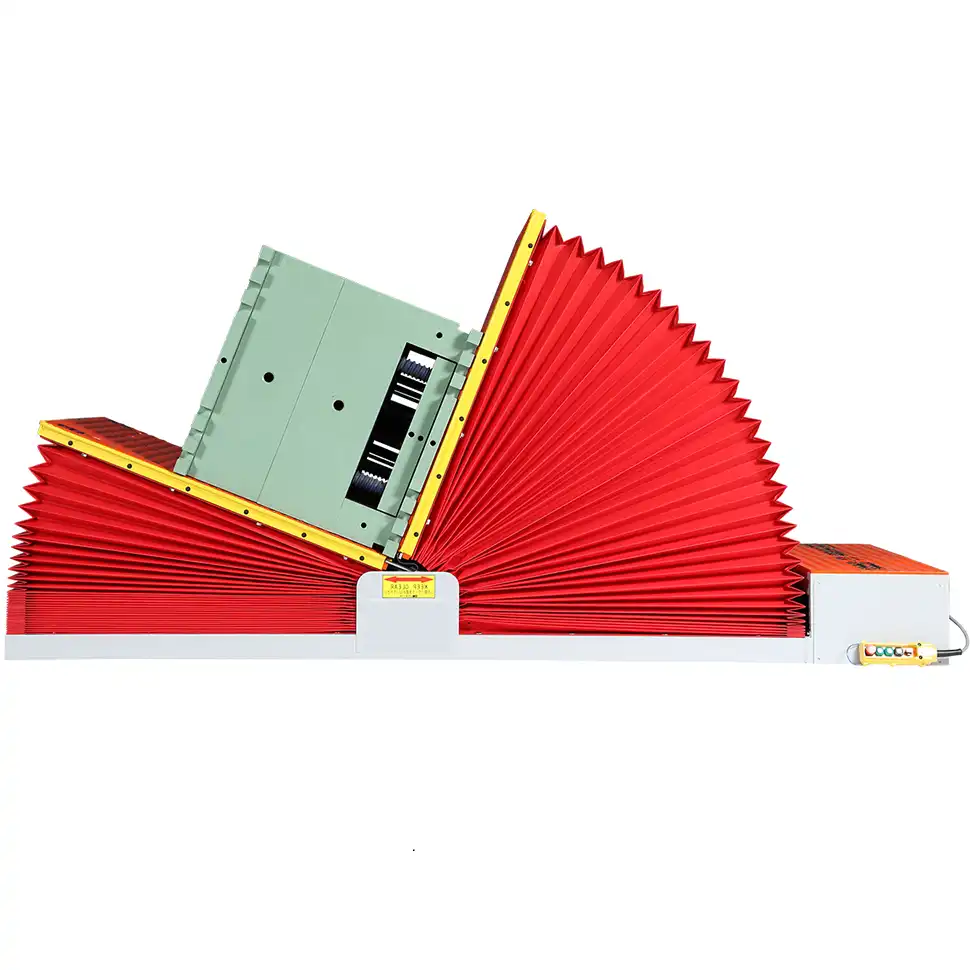
In my many years in the packing machine industry, from an employee to owning my own factory, I have seen these problems up close. I know the challenges of moving heavy items. I also know the fear of accidents. That is why I want to share how the right equipment, like a mold tilter, can change things. It makes your plant safer and more efficient. Let us look closer at how this simple machine can make a big difference for your team and your business.
How Do Mold Tilters Cut Down on Manual Handling Risks?
Are your workers still using chains, slings, or brute force to flip heavy dies? This old way of doing things puts your team at high risk every single day. The strain on their bodies, the chance of a dropped die, or a crushing injury is always there. Do you feel the worry that comes with these dangerous tasks? Are you looking for a better, safer way to handle your heavy molds?
Mold tilters dramatically cut down on manual handling risks by taking the heavy lifting out of human hands. They provide a controlled, mechanical way to turn or flip heavy objects, removing the need for workers to get close to or physically manipulate massive weights. This change prevents common workplace injuries.
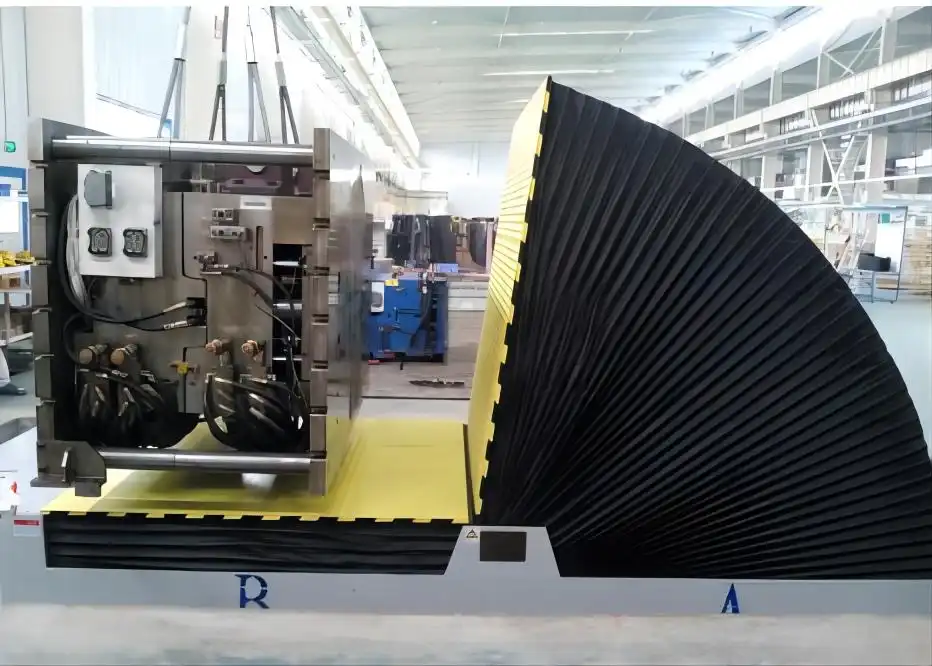
When I started my journey in the packing machine world, I saw many workers struggling with heavy parts. It was clear that human strength had its limits. The risk of injury was too high. This is why I always look for solutions that protect people first. A mold tilter is a perfect example of this. It replaces the muscle with machinery. This makes tasks like flipping large dies safer. It takes away the chance of back strains, pulled muscles, and even serious crushing injuries. Imagine a worker trying to flip a several-ton die by hand or with simple tools. This is very dangerous. They are at risk of losing their grip. They could slip. The die could fall on them. A mold tilter removes these dangers. The die is secured onto the machine’s platform. Then, it uses hydraulic or electric power to rotate it smoothly. The worker just needs to press a button. They stay at a safe distance. This process keeps them out of the direct line of fire. It also prevents their bodies from feeling the strain.
Key Ways Mold Tilters Lower Risk:
- No Manual Lifting: Workers do not need to lift or push heavy objects. This removes the main cause of back injuries and muscle strains. In plants like those in Colombia, where heavy manufacturing is common, this is a huge benefit. Many workers in these settings are still expected to do manual tasks that put them at risk. A mold tilter directly addresses this.
- Controlled Movement: The machine moves the die smoothly and slowly. This is better than fast, jerky movements common with crane lifts or manual pushing. Controlled movement means fewer sudden shifts that can cause accidents. It also means the die is less likely to slip or fall.
- Reduced Pinch Points: When workers manually flip a die, their hands and fingers are often near dangerous pinch points. These are places where parts can close together and trap a limb. Mold tilters keep workers away from these areas. The machine does the work. Workers stay clear.
- Better Balance: Heavy dies are often unbalanced. They can tip easily. Mold tilters are designed to hold and move these unbalanced loads safely. They have wide bases and strong frames. This design prevents the die from tipping over during the flip. This is a big problem when done manually.
- Less Worker Fatigue: Manual handling of heavy objects is tiring. Tired workers make more mistakes. By using a mold tilter, workers save their energy. They are less likely to get tired. This means they can focus better and make fewer errors in other parts of their job. This helps safety throughout the plant.
- Compliance with Safety Rules: Many countries, including those in Latin America, have strict rules for workplace safety. Using a mold tilter helps plants follow these rules. It shows a commitment to worker safety. This can help avoid fines and legal problems.
| Manual Handling Risk | Mold Tilter Solution | Benefit to Workers |
|---|---|---|
| Back injuries/strains | Eliminates lifting | Fewer missed workdays |
| Crushing accidents | Remote operation | Reduced severe injuries |
| Pinch points | Keeps hands clear | Protects fingers and hands |
| Dropped objects | Secure clamping | Prevents serious damage |
| Worker fatigue | Less physical effort | Higher focus, fewer errors |
This focus on taking out manual risk is central to improving any factory operation. It is not just about avoiding accidents. It is about creating a work environment where people feel safe. They can do their best work without fear of getting hurt. This also saves money on insurance and sick leave. It keeps skilled workers on the job.
Can a Mold Tilter Also Boost Production Efficiency While Improving Safety?
Do your current methods for flipping or moving heavy dies create bottlenecks? Are they slowing down your production line? You know that time is money in manufacturing. Every delay costs you. Does it seem like you have to choose between speed and safety? You want to get products out the door faster, but not at the expense of your workers’ well-being.
Yes, a mold tilter can significantly boost production efficiency while also improving safety. By automating the flipping process, these machines speed up what was once a slow, labor-intensive, and risky task. This means less downtime, quicker turnaround times for die changes, and a more streamlined flow in your production.
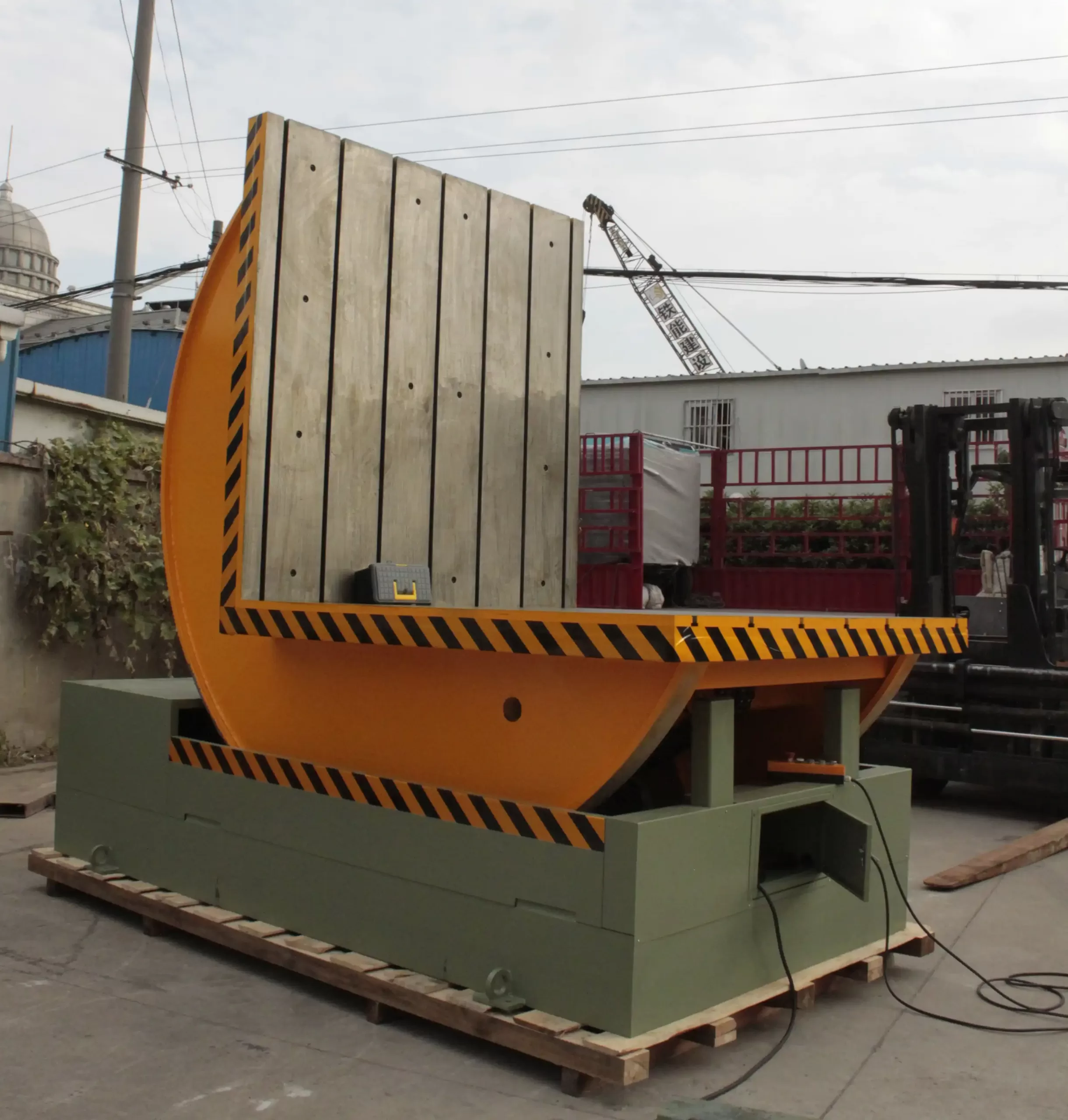
When I was building my packing machine factory, I learned a simple truth: efficiency and safety go hand in hand. A slow, unsafe process is bad for business. It increases costs. It hurts morale. If a machine makes a process faster and safer, it is a smart investment. Mold tilters do exactly that for heavy die handling. Think about a busy metal processing plant, like one you might find in Medellín or Bogotá. They might have dozens of die changes each day. If each change takes 30 minutes with manual methods, it adds up. If a mold tilter cuts that to 5 minutes, the time savings are huge. This is not just about speed. It is about a predictable, reliable process. This lets your whole production line run smoother.
How Mold Tilters Improve Both Speed and Safety:
- Faster Operations: Manual die flipping takes a lot of time. Workers must coordinate, move slowly, and be very careful. A mold tilter does the job in minutes. It is a quick, fluid motion. This frees up valuable time for other tasks. It also gets the die ready faster. This means less waiting for the next step in production.
- Reduced Downtime: When die changes are slow, your production line stops. This costs money. Accidents also cause downtime. A mold tilter prevents both. It makes die changes fast and safe. This keeps your machines running. It keeps your products moving.
- Consistent Performance: Humans get tired. Their performance can vary. Machines do not. A mold tilter performs the same way every time. This consistency means you can plan your production better. You can rely on the speed of the die changes. This predictability helps overall plant efficiency.
- Optimized Workforce: Instead of having several workers tied up in a risky, slow die-flipping operation, only one or two are needed with a mold tilter. These workers are operating the machine from a safe distance. The other workers can do other jobs. This makes your labor force more efficient. It also reduces labor costs over time.
- Less Product Damage: In manual processes, heavy dies can get damaged when dropped or handled roughly. This leads to costly reworks or scrapped products. Mold tilters hold the die securely. They move it gently. This prevents damage. Fewer damaged products mean less waste. It means happier customers. This also reduces the need for slow, manual inspections after each flip.
- Improved Workflow: By making die changes quick and predictable, mold tilters remove a major bottleneck. This helps the whole production flow better. When one part of the line speeds up safely, the other parts can keep pace. This creates a smoother, more efficient operation from start to finish. This is vital in places where demand is high. Plants must maximize their output with existing resources.
| Aspect of Efficiency | Manual Process Challenge | Mold Tilter Solution | Impact on Production |
|---|---|---|---|
| Speed | Slow, multi-person lifts | Quick, one-person flip | Faster die changeovers |
| Downtime | Extended line stops | Minimized stoppages | Increased uptime |
| Consistency | Variable human effort | Predictable cycles | Stable production rates |
| Labor Use | Many workers, high risk | Few workers, low risk | Optimized labor costs |
| Product Quality | Risk of damage | Gentle, secure handling | Reduced scrap, better yield |
By investing in a mold tilter, a factory manager is not just buying a piece of equipment. They are buying increased output, lower costs, and a safer workplace. This is the kind of smart investment that drives business growth. It is the type of solution that helped me grow my own business. It is what I wish for all my clients, especially those working hard in places like Colombia.
How Do Mold Tilters Help Control Costs and Offer a Clear ROI?
Are you a factory manager always looking at the bottom line? Do you need to see a clear return on investment (ROI) for every major purchase? You know that safety is important, but you also need to justify spending money. Are you tired of hidden costs and equipment that does not deliver? Do you need a solution that truly pays for itself, not just in safety, but in hard cash?
Mold tilters help control costs in many ways and offer a clear return on investment. They do this by reducing expensive workplace injuries, lowering insurance premiums, cutting down on product damage, and improving overall production efficiency. These savings quickly add up, making the initial investment worthwhile.
When I built my factory, every dollar mattered. I learned to look for equipment that did not just solve a problem. It had to solve it in a way that made financial sense. I needed to see how it would help my business grow. A mold tilter is a great example of an investment that pays you back. Think about a factory in Colombia dealing with a major injury. The costs are huge. There are medical bills, lost workdays, potential lawsuits, and higher insurance. This is why I talk about ROI. It is not just about buying a machine. It is about solving problems that drain your money.
How Mold Tilters Save Money and Provide ROI:
- Reduced Injury Costs: This is the biggest saving. Workplace injuries cost a lot. There are medical treatments. There are lost wages. There are disability payments. There are legal fees. One serious injury can cost hundreds of thousands of dollars. By preventing these injuries, a mold tilter saves a huge amount of money. It also keeps your skilled workers on the job.
- Lower Insurance Premiums: Fewer workplace accidents mean a better safety record for your plant. Insurance companies look at this. A better safety record can lead to lower workers’ compensation insurance premiums. Over years, these savings are very significant. It is a direct financial gain from improved safety.
- Decreased Product Damage: When heavy dies are moved manually, there is always a risk of dropping them or hitting them. This can cause damage to the die itself. It can also damage the product being moved or processed. Repairing or replacing damaged items is costly. It can also lead to customer complaints and lost business. Mold tilters handle dies gently and securely. This greatly reduces damage.
- Increased Productivity: As we talked about earlier, mold tilters speed up die changes. They reduce bottlenecks. This means your production line runs more often. It runs faster. More output with the same resources means more revenue. It means higher profits. This efficiency gain is a direct boost to your bottom line.
- Optimized Labor Usage: Instead of having multiple workers doing a risky, slow manual flip, one or two workers can operate the mold tilter safely. This frees up other workers to do more value-added tasks. This makes your labor force more efficient. It helps you get more work done with the same number of employees.
- Extended Die Lifespan: Proper, gentle handling of dies also helps them last longer. Rough manual handling can cause wear and tear on the dies themselves. When dies last longer, you do not need to replace them as often. This saves on replacement costs. It also means less downtime for die repairs or changes.
- Improved Employee Morale and Retention: A safe workplace is a happy workplace. Workers feel valued when their safety is a priority. This leads to higher morale. It means less employee turnover. Training new employees is expensive and time-consuming. Keeping experienced workers saves money. It also keeps your plant running smoothly.
| Cost Area | Manual Handling Impact | Mold Tilter Impact | Financial Benefit |
|---|---|---|---|
| Injuries | High medical bills, legal costs | Near-zero injury costs | Massive savings |
| Insurance | High premiums | Lower premiums | Long-term savings |
| Product Damage | High scrap/rework costs | Minimal damage | Improved profit |
| Productivity | Bottlenecks, downtime | Faster output, uptime | Higher revenue |
| Labor Costs | Inefficient use of staff | Optimized workforce | Reduced overhead |
| Die Lifespan | Premature wear | Extended life | Lower replacement costs |
The ROI of a mold tilter is clear. It is not just about preventing bad things from happening. It is about actively improving your financial health. For any factory manager, especially in a competitive market, finding solutions that offer both safety and strong financial returns is key. This is the kind of partnership I aim to provide to my clients. It helps them build stronger, more successful businesses.
Conclusion
Mold tilters boost safety by removing manual heavy lifting, prevent injuries, and cut costs. They improve efficiency, reduce product damage, and offer a clear return on investment for plants.
My insights
This article shows how a mold tilter can really help plants, especially in places like Colombia, by making things safer and more efficient. I have seen firsthand the risks of manual handling and the need for smart solutions. This machine solves real problems. It prevents injuries. It saves money. It makes production flow better. I built my business on finding these kinds of practical, impactful solutions for clients. I believe in giving back what I have learned from my journey in the packing machine industry. This is one way to help others succeed, just as I did.








