

Time and costs are persistent hurdles in the manufacturing sector. Addressing these challenges requires the integration of smart technologies. A mold flipping machine becomes a pivotal element in this journey. Designed for efficient handling and turning of heavy molds, it reduces manual labor and enhances overall productivity, setting the stage for streamlined operations.

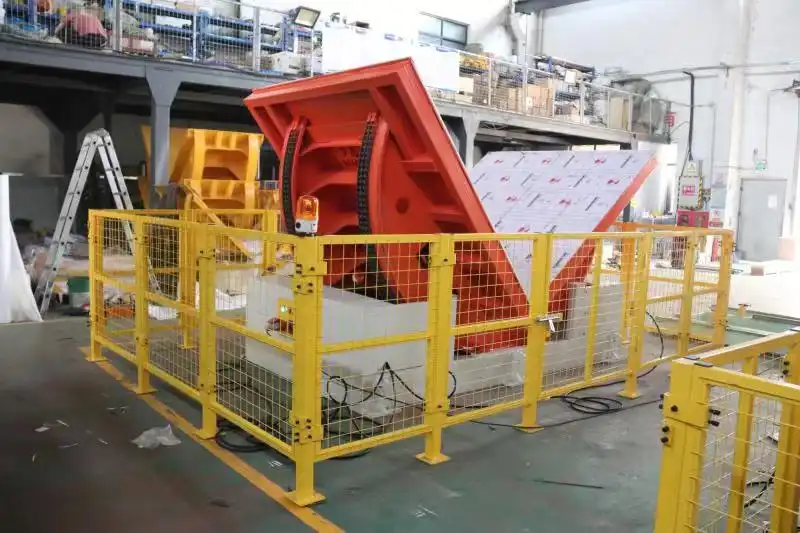
Mold flipping machines boost efficiency by automating the process of turning molds 180 degrees, reducing manual labor risks, and increasing safety and productivity. They enable precise and consistent handling, minimizing downtime and enhancing workflow continuity. These machines seamlessly integrate into existing setups, transforming manufacturing hurdles into opportunities for growth and optimization.
Incorporating a mold flipping machine into your production line isn’t just about keeping pace with technology. It’s a step towards achieving operational excellence. By automating mold turns, the machine significantly cuts the time and effort traditionally required, offering you a competitive edge in meeting production demands efficiently.
1. How Does a Mold Flipping Machine Operate in Manufacturing?
Manufacturing often grapples with inefficiencies due to manual mold handling processes. Painful delays and labor-intensive operations can mar productivity. Fortunately, a mold flipper offers a solution to these common industry challenges. This crucial technology seamlessly automates the process of flipping heavy molds, enhancing both safety and efficiency on the production floor.
A mold flipping machine conducts the 180-degree turning of molds through automated mechanisms, ensuring precision and safety. This process enhances production efficiency by eliminating manual errors and reducing turnaround times. It operates by securely gripping the mold and conducting a smooth rotation, integrating easily into existing manufacturing workflows and boosting overall productivity.


Delving Deeper into Mold Flipping Machines
The incorporation of industrial mold flippers in manufacturing serves as a transformative move towards achieving operational effectiveness. Why is this transformation critical? Let’s examine the impact and operational mechanisms of these essential machines.
Manufacturers face several hurdles, including maintaining consistent production quality and meeting rigorous deadlines. Manual flipping often leads to inaccuracies and potential damage, jeopardizing product integrity and increasing costs. Here, industrial mold flippers become indispensable tools.
The core functionalities of a mold flipping machine rely on automated technology. Manual intervention is significantly reduced, resulting in enhanced safety. This is critical considering the substantial weight and size of molds involved, which can pose significant risk factors. By automating the flipping process, companies can avoid workplace injuries, maintain regulatory compliance, and promote a safer working environment.
Integration with existing systems is seamless. These machines can be easily adapted into diverse manufacturing setups without necessitating extensive infrastructure changes. This adaptability underscores their viability as key assets in realizing manufacturing productivity tools.
Furthermore, the surety and precision brought about by automated mold flipping not only mitigate error rates but also lead to consistent and superior product quality. This advantage translates into direct customer satisfaction, fostering trust and repeat business.
To quantify the benefits, let us consider the typical advantages:
| Key Metric | Manual Flipping | Automated Mold Flipping |
|---|---|---|
| Time to Flip a Mold | ~30 minutes | ~5 minutes |
| Labor Risk | High | Low |
| Consistency of Mold Positioning | Variable | Consistent |
| Downtime Reduction | Negligible | Significant |
The decision to adopt mold flipping machinery is more than a technological upgrade; it’s about aligning with modern manufacturing imperatives. In nearly four decades of engineering experience, this strategic adaptation invariably leads to transformative outcomes, opening new avenues for innovation and progress. Incorporating a mold flipping machine into your operations promises not only to meet today’s demands but prepares you for tomorrow’s challenges.
2. What Are the Primary Benefits of Using a Mold Flipper?
Efficient manufacturing requires precise handling and management of molds. Mold flippers offer a solution that promises reduced labor costs and improved safety and productivity. Adopting mold flippers can mean the difference between smooth operations and recurring inefficiencies. The benefits they bring are undeniable and transformative in any modern manufacturing setting.
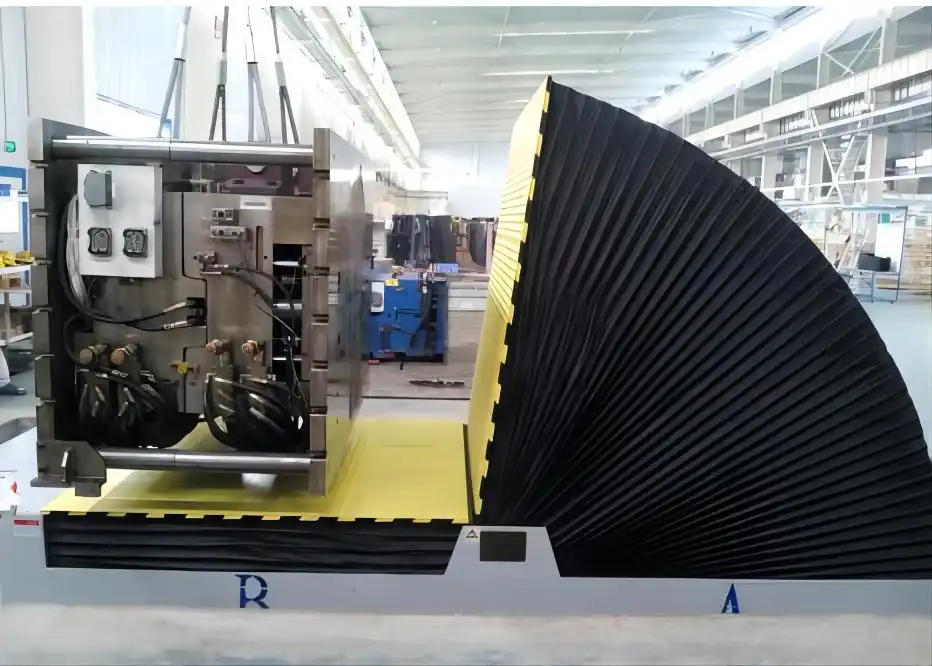
Using mold flippers leads to significant improvements in production efficiency and worker safety. Mold flipper benefits become apparent in reduced manual intervention, consistent product quality, and time-saving operations. These industrial mold flippers are a boon for manufacturers aiming to optimize their workflow and maintenance vehicle cost-effectiveness.

Assessing the Impact of Mold Flippers
Understanding the impact of mold flipping machines involves evaluating various aspects of their utility in manufacturing. These machines, by automating tedious and risky manual tasks, can significantly enhance safety, efficiency, and overall operational fluency.
| Aspect | Observation | Benefits |
|---|---|---|
| Safety Improvements | By reducing the need for manual handling, mold flippers minimize risk. | Fewer accidents and injuries, significant cost reductions |
| Time Efficiency | Automation streamlines operations and reduces cycle times. | Increases productivity, frees workers for higher-value tasks |
| Productivity Benefits | Automating mold turning leads to consistent quality and quicker production. | Enhances product reliability, meets tight schedules |
As an industry veteran, I’ve seen firsthand how automating certain processes—like mold flipping—can minimize errors and speed up production timelines. The use of automated systems not only ensures safer work conditions but also enables the workforce to focus on more critical production tasks. In a world where manufacturing efficiency is critical, the integration of mold flipping machines cannot be overstated. In the current landscape, the advantages in safety, consistency, and economy solidify their place as pivotal manufacturing productivity tools.
3. How Does 180-Degree Mold Turning Enhance Manufacturing Efficiency?
In manufacturing, every second counts, and waste often takes the form of inefficiency. Automating mold turning is a game-changer, cutting down cycle times and boosting productivity. Understanding 180-degree mold turning uncovers its critical role in scheduling and quality assurance improvements across production lines.
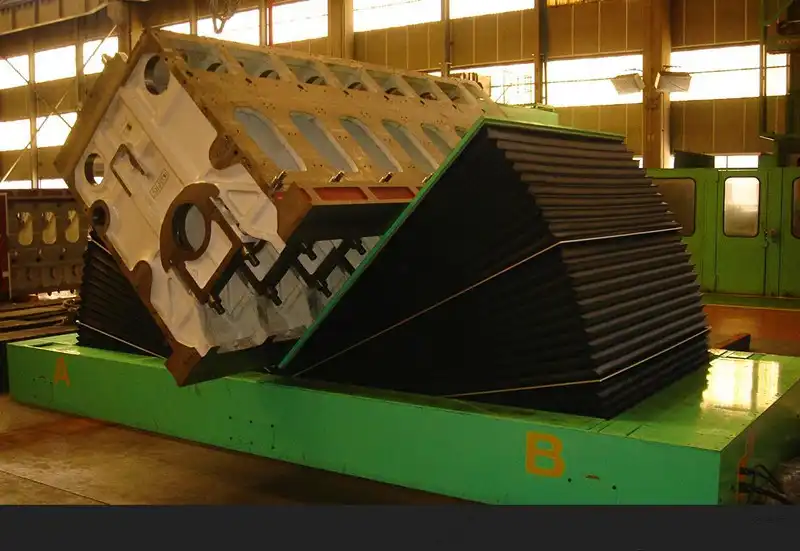
Turning molds 180 degrees efficiently decreases handling times and enhances precision throughout production. This technology aids in streamlining the overall manufacturing process, ensuring reliable outcomes and improved product standards. The efficiency gains alone make it indispensable among industrial mold flippers.

Delving Into 180-Degree Mold Turning
Exploring the benefits of 180-degree mold turning requires examining how these systems augment various production processes. They bolster manufacturing efficiency by ensuring that molds are flipped precisely and stably, thereby reducing downtime and enhancing production quality.
| Parameter | Insight | Outcomes |
|---|---|---|
| Precision Improvement | Ensures exact flipping that maintains mold form and alignment. | Reduces defects, guarantees quality and consistency |
| Cycle Time Reduction | Automated operations save substantial time compared to manual methods. | Improves scheduling, increases throughput |
| Operational Cost Cut | Minimal wear-and-tear through smooth operations preserves machinery. | Lowers maintenance expenses, increases system longevity |
Over my career, I’ve embraced the shift toward automated systems and have seen their tangible effects on productivity and cost management. The focus on precise 180-degree turns in mold flipping aligns with industry standards for defect reduction. Manufacturers aiming for peak efficiency and minimal operational hiccups keenly adopt these advancements, reinforcing their positions in a competitive market.
Conclusion
Mold flipping machines are pivotal in advancing manufacturing efficiency. By automating mold handling and ensuring precise 180-degree turns, these machines reduce cycle times, enhance accuracy, and lower operational costs. Adopting mold flippers can lead to significant improvements in productivity and overall production quality, making them indispensable in modern manufacturing environments.












