

How Does a Horizontal Packing Line Improve Efficiency in MDF Board Handling?
Are you a factory manager like Michael, constantly battling slow production, rising safety risks, and product damage in your metal or heavy manufacturing plant? The manual handling and packaging of materials, especially bulky items like MDF boards, can feel like a bottleneck. It slows down your entire operation. This directly affects your bottom line and ability to meet delivery schedules.
A horizontal packing line fundamentally transforms MDF board handling by automating the wrapping process for flat, elongated products. This leads to significantly faster throughput, enhanced product protection, and a drastic reduction in manual labor and associated safety risks, making the entire packaging operation much more efficient.


I have seen firsthand how these challenges can hold a business back. From my own journey, starting as an employee to building FHOPEPACK, I learned that the right equipment is not just a purchase; it’s a strategic investment. It can unlock growth and solve problems that keep you up at night. Let’s explore how this kind of solution can truly make a difference for your factory operations.
Addressing Manual Handling Challenges in MDF Packaging?
Does the sight of your workers manually wrapping heavy MDF boards fill you with dread about potential injuries and slow operations? Many factories still rely on manual labor for packaging. This creates a significant bottleneck at the end of the production line. It is a slow, error-prone process. It also puts immense physical strain on your team.
Automated horizontal packing lines effectively eliminate the need for manual handling of MDF boards during the packaging phase. This directly addresses efficiency bottlenecks and significantly reduces the high risk of workplace injuries associated with heavy lifting and repetitive tasks, creating a safer and faster environment.


From my experience, I have seen too many companies struggle with this exact issue. They lose money to slow processes and high insurance costs. They also face employee turnover. Switching to automation is not just about getting a new machine. It is about creating a safer, more productive future for your entire operation. It is about finding a better way to do things.
The Hidden Costs of Manual MDF Packaging
Manual packaging might seem cheaper at first glance. However, it carries many hidden costs. These costs can quickly add up. They eat into your profits. I have helped many clients identify these expenses. These often include:
- High Labor Costs: You need multiple workers for packaging. They often work overtime to keep up. This increases your payroll significantly. Over time, this becomes very expensive.
- Increased Safety Risks and Injuries: Moving and wrapping heavy MDF boards is dangerous. Workers can get back injuries, cuts, or other strains. This leads to higher insurance premiums. It also causes lost workdays. Sometimes, it even leads to lawsuits.
- Product Damage During Handling: Manual handling can lead to scratches, dents, or broken edges on MDF boards. This means you have more scrap material. It also causes customer complaints and returns. These damages directly affect your reputation and profit margins.
- Inconsistent Packaging Quality: Human workers cannot always maintain the same tension or overlap on every wrap. This leads to inconsistent packaging. Some boards might be too loose. Others might be too tight. This reduces protection during transit.
- Slow Production Throughput: Manual processes are inherently slower than machines. The packaging line becomes a bottleneck. This stops your entire production from moving faster. It delays deliveries to customers. This means lost sales opportunities.
- Dependence on Skilled Labor: Finding and keeping workers for manual packaging can be hard. Training new staff takes time and resources. This adds another layer of complexity to your operations.
- Lower Employee Morale: Repetitive, physically demanding jobs often lead to lower job satisfaction. Workers can feel overworked. This contributes to higher employee turnover rates. This means you always have to hire and train new people.
Let me put it this way: for Michael’s factory in Mexico, facing these challenges means direct losses. It means he cannot fully use his production capacity. It also means he is constantly worried about worker safety. I’ve been there. I know how much relief the right automated solution can bring. It removes these daily worries. It helps you focus on growth. (manual packaging pain points, labor cost reduction, safety improvement)
What are the Key Advantages of Automated Horizontal Wrapping?
Are you wondering if investing in a horizontal packing line really pays off? Many factory managers, like Michael, ask me about the tangible benefits beyond just “automation.” They want to know what difference it makes to their bottom line and daily operations. They need clear answers before making such a big decision.
Automated horizontal wrapping machines offer major advantages. They deliver significantly increased throughput for MDF boards. They provide superior product protection against damage during handling and transport. They also generate substantial cost savings by reducing labor needs and minimizing material waste, directly boosting operational efficiency and profitability.
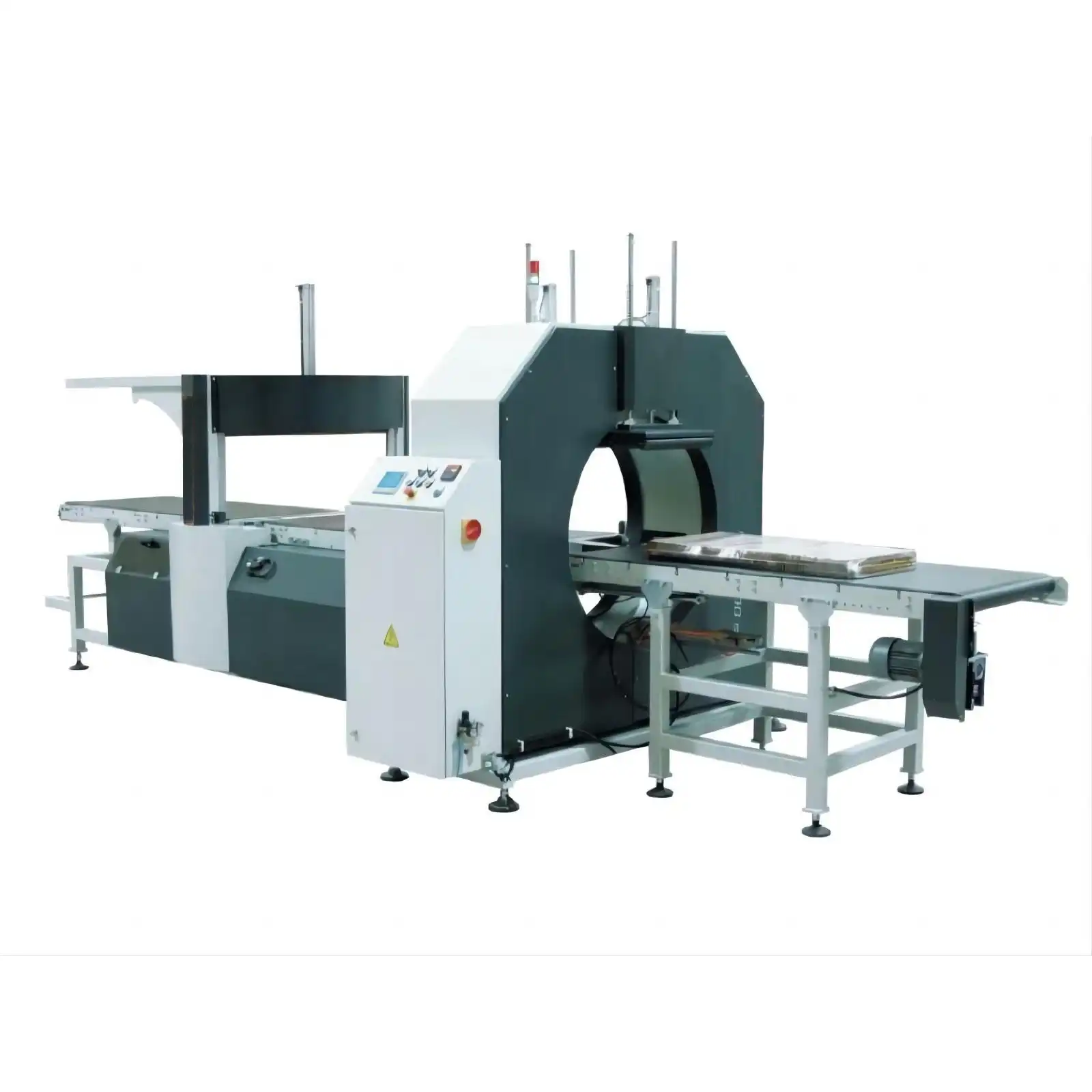

I have seen countless factories transform their operations with this technology. It is not just about wrapping faster. It is about creating a more reliable, safer, and more profitable production environment. This allows companies to grow and serve their customers better. Let me explain some of the specific ways this works.
Transforming Your Packaging Process with Automation
An automated horizontal packing line does more than just wrap. It redefines your entire packaging process. It tackles the core problems many factories face. It helps them meet their goals. Here’s a closer look at the main advantages:
- Boosted Production Throughput: 🚀
- Manual wrapping is slow. A machine works much faster. It can wrap many more MDF boards per hour or shift. This removes the packaging bottleneck. Your whole production line can then move at its optimal speed. This means you produce more in less time.
- Superior Product Protection: 💪
- MDF boards need protection, especially their edges. An automated horizontal wrapper applies consistent tension. It ensures a tight, secure wrap. This protects boards from scratches, dents, and moisture. This happens during internal transport and shipping. It reduces product damage and customer complaints.
- This consistent wrapping also improves stackability. It makes storage and transport safer and more efficient. Less damage means happier customers. It also means fewer returns and claims.
- Significant Cost Savings: 💰
- Reduced Labor Needs: One machine can replace several workers. This frees up your team for other tasks. It directly lowers your labor costs. Michael can reassign his team to areas that need more skilled input.
- Optimized Material Usage: Machines use stretch film more efficiently. They apply the right amount of film with precise overlap. This minimizes waste compared to manual wrapping. It saves you money on packaging materials over time.
- Lower Insurance Costs: Fewer manual tasks mean fewer workplace injuries. This can lead to lower insurance premiums for your factory. It also improves overall worker safety and morale.
- Consistent Packaging Quality: ✅
- Machines ensure every MDF board is wrapped exactly the same way. This leads to a uniform, professional appearance. This consistency is important for brand image. It also ensures reliable protection for every product.
- Improved Safety for Workers: 👷
- The biggest benefit, in my view, is safety. Workers no longer need to lift heavy boards or perform repetitive wrapping motions. This drastically reduces the risk of injuries. A safer workplace means happier employees and fewer disruptions.
- Flexibility and Adaptability: 🔄
- Modern horizontal packing lines can handle various sizes and weights of MDF boards. They have adjustable settings. This makes them versatile. They can adapt to your changing production needs. This ensures your investment stays valuable as your business grows.












