
How Do Steel Coil Packing Lines Help Cut Costs in Polish Production?
The world of steel production in Poland is tough. Managers in charge of coil packing workshops, like my friend Ivan Petrov, face many challenges. They need to get hundreds of tons of steel out the door every day. This means dealing with different coil sizes, customer demands, and constant pressure to be efficient. I often think back to my own early days in a packing machine factory. I saw firsthand how manual processes could slow things down and add huge costs. You probably feel this pain too: high labor costs, inconsistent packaging quality, and constant pressure to meet tighter deadlines. This can eat into your profits and cause headaches.
Automated steel coil packing lines truly help cut costs in Polish production by significantly reducing labor expenses, minimizing material waste, boosting overall efficiency, improving product quality, and enhancing workplace safety, all of which lead to better financial outcomes for steel mills.
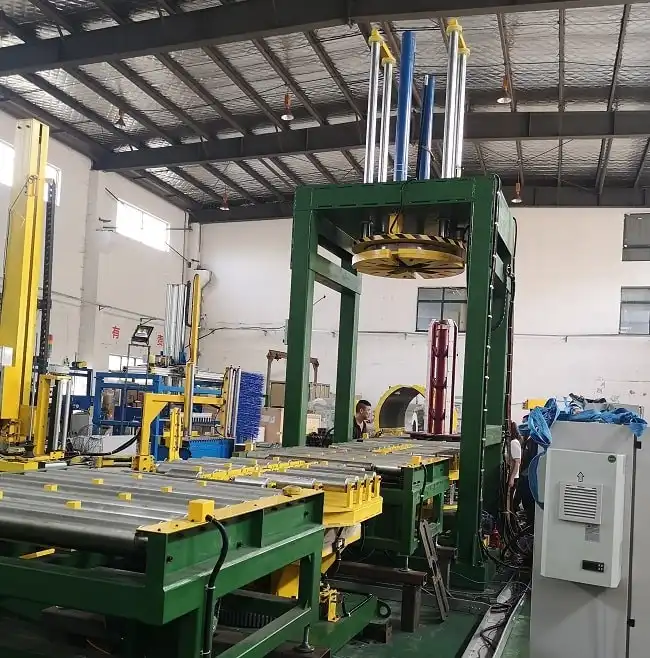
This is not just about buying a new machine. It is about a complete shift in how you operate. If you are struggling with outdated methods, rising costs, or simply trying to keep up with demand, then understanding these benefits is vital. Let us dive into the core ways a modern packing line makes a real difference, based on what I have learned over my years in this industry.
How Do Automated Systems Cut Down on Labor Expenses?
Many Polish steel mills, like others worldwide, face a big problem: finding enough skilled workers for hard, repetitive tasks. Manual coil packing involves a lot of heavy lifting, bending, and applying materials by hand. This leads to high employee turnover and rising labor costs. You might be struggling to keep your packing area fully staffed, or seeing overtime hours pile up just to meet daily targets.
Automated steel coil packing lines greatly reduce labor expenses by taking over manual, repetitive, and labor-intensive tasks such as coil handling, strapping, wrapping, and labeling, which means fewer workers are needed on the packing floor and staffing challenges are eased.
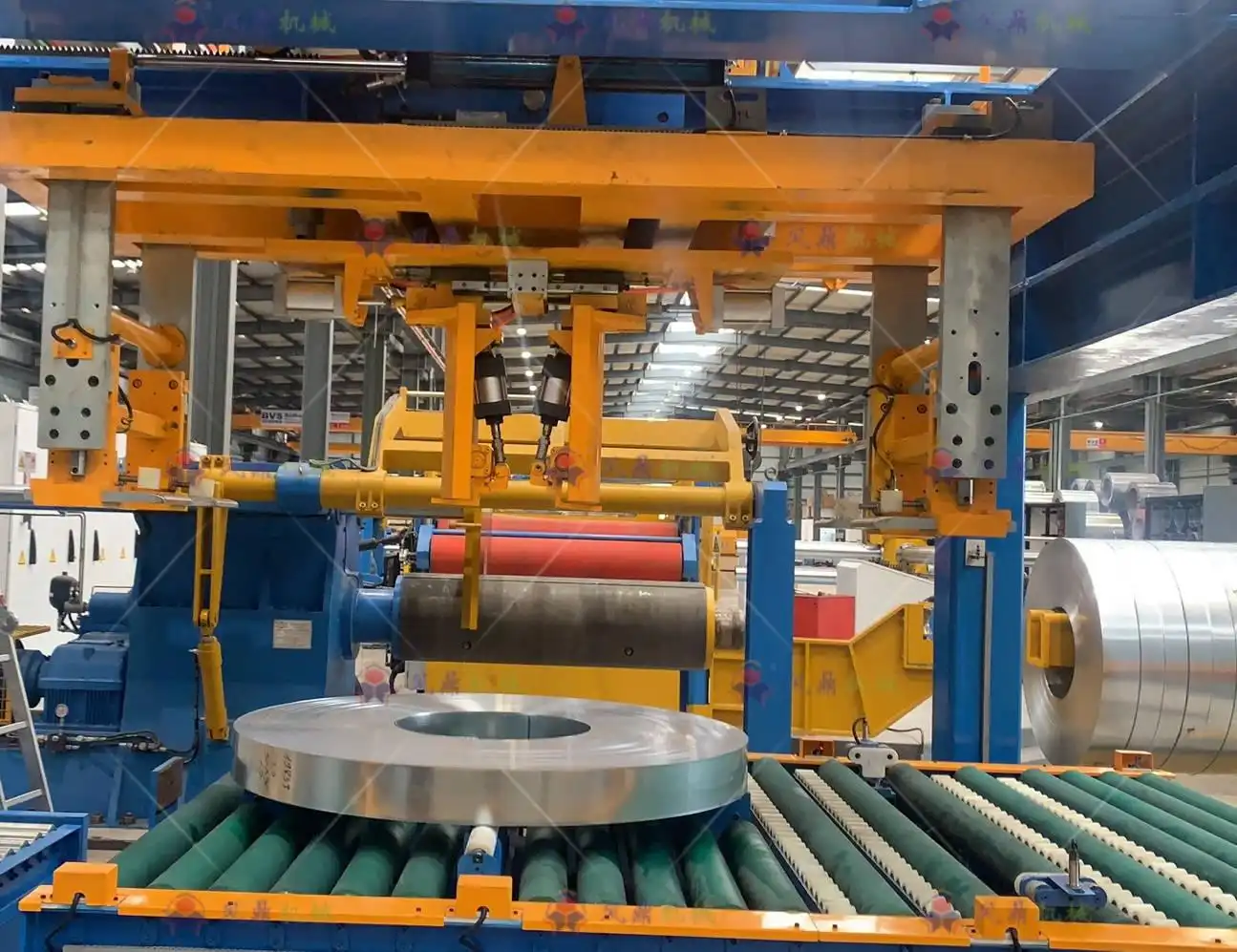
When I first started FHOPEPACK, I knew automation was key. I saw many factories, even back then, where workers strained to move heavy coils or apply packaging. This was not only inefficient but also costly. Automated systems eliminate much of this need. They handle coils automatically. They apply straps and film with precision. This frees up your existing workforce to do more complex tasks. It makes better use of human skills. This is important for Polish steel production where skilled labor is a valuable resource. It also creates a more attractive work environment. This can help retain your best employees.
-
Fewer Hands Needed for Repetitive Work
Manual packing usually requires multiple people. They lift, turn, strap, and wrap each coil. This takes a lot of time and physical effort. An automatic packing line changes this completely. It uses machines to do these tasks.
- Automated Coil Handling: Machines move coils from one station to the next. This removes the need for human operators to push or pull heavy items.
- Precision Strapping and Wrapping: Robots or automated systems apply straps and wrapping film. They do this without human help. This means you need fewer people to physically work on each coil.
- Automatic Labeling: Labels are applied by machine. This removes another manual step. This reduction in manual tasks directly lowers your staffing needs. You can reassign workers to other parts of the factory. You can also reduce new hires. This saves money on wages, benefits, and training. It also helps in times of labor shortage, which is common in Poland’s heavy industry.
-
Reducing Overtime and Injury-Related Costs
Manual packing is often slow. To meet production goals, workers might need to put in many overtime hours. This adds significantly to labor costs. It also increases the risk of mistakes or injuries due to fatigue.
- Consistent Speed: Automated lines work at a constant, high speed. They do not get tired. This means they can process more coils in a standard shift. This reduces the need for overtime.
- Lower Injury Rates: Heavy lifting and repetitive movements often lead to workplace injuries. An automated system takes humans out of these dangerous roles. This lowers the risk of accidents. It reduces costs related to worker compensation, medical leave, and lost production time. These savings are very real for any Polish steel mill looking to improve its bottom line.
-
Upskilling the Workforce
While automation reduces the number of hands needed, it does not mean people lose their jobs. Instead, it changes job roles. Workers move from manual labor to operating and maintaining advanced machinery.
- Operator Training: Existing staff can learn to run the automated packing line. This involves monitoring the system and performing basic adjustments.
- Maintenance Roles: Skilled technicians are needed to maintain and repair the machines. This creates more specialized, higher-value jobs. This shift helps develop a more skilled and adaptable workforce. It also improves employee morale. They are doing more interesting, less physically demanding work. This investment in human capital benefits the company in the long run. It builds a stronger, more capable team for the future of Polish manufacturing.
Can Consistent Packaging Really Stop Waste and Damage?
Many steel mills struggle with packaging quality. Manual wrapping often leads to uneven tension, loose straps, and damage during transport. This results in wasted packaging materials and, more importantly, damaged products. Think about the costs of a returned steel coil or a customer complaint. These issues impact your profit margin and your reputation. Especially for Polish companies exporting steel, meeting high quality standards is not just a preference; it is a necessity.
Consistent packaging from automated lines significantly stops waste and damage by applying materials with precise tension and placement, ensuring coils are securely protected against moisture, rust, and physical impact, thereby reducing material over-use and eliminating costly product returns or rejections.

I have seen countless times how a small flaw in packaging can lead to big problems. When I helped a client in Europe set up their first coil packing line, they were losing significant money on damaged goods. Their manual process was inconsistent. Once we implemented an automated system, their damage rate dropped almost to zero. This showed me that precision is key. An automated line ensures every coil gets the same high-quality protection. This reduces both material waste and product damage. It also helps meet the strict requirements of international customers. This is very important for Polish steel mills that send products worldwide.
-
Precise Material Application
Manual wrapping and strapping can be inconsistent. One worker might use too much film, another too little. Straps might be too tight or too loose. This leads to problems.
- Optimized Material Use: Automated machines are programmed to use the exact amount of film or strapping needed. They apply it with consistent tension. This prevents overuse of expensive packaging materials. It also avoids under-packaging, which can lead to damage.
- Uniform Protection: Every coil receives the same level of protection. This means no weak spots in the packaging. It guards against moisture, dust, and physical damage during handling and transport. This is crucial for protecting the value of your steel products.
-
Preventing Product Damage During Transit
Steel coils are heavy and can be easily damaged if not packed correctly. Damage during shipping costs a lot. It means product rework, re-shipping, and customer dissatisfaction.
- Secure Bundling: Automated strapping systems apply strong, consistent tension. This keeps the coil tight and secure. It prevents shifting or loosening of the wrap during transit.
- Moisture and Rust Protection: Automated stretch or shrink wrappers create a tight seal. This protects the steel from moisture and rust. This is vital for long-distance transport, especially for exports from Poland to various climates. By preventing damage, you avoid costly returns, claims, and the need to replace products. This protects your revenue and improves your brand image.
-
Meeting International Standards and Customer Expectations
Many customers, especially those buying steel for export, have very specific packaging requirements. They often ask for CE or ISO certified packaging. They also need special labeling.
- Compliance Made Easy: Automated lines can be programmed to meet these specific standards. They ensure consistent quality that passes audits. This is hard to do manually.
- Enhanced Customer Trust: When customers receive products that are perfectly packaged, it builds trust. It shows that your company cares about quality at every step. This can lead to repeat business and a stronger market position for Polish steel producers. Consistent, high-quality packaging is a silent but powerful marketing tool.
Does Faster Packing Mean More Money for Polish Mills?
In the steel industry, time is money. A slow packing process can create bottlenecks. This slows down your entire production line. It means less product gets out the door each day. This directly impacts your revenue. If your packing speed cannot keep up with your production, you are losing potential sales. For a large Polish steel mill, even a small increase in throughput can mean millions in extra revenue.
Faster packing absolutely means more money for Polish mills because automated steel coil packing lines significantly increase throughput and production efficiency, eliminate bottlenecks, and ensure a continuous flow of finished goods, which directly leads to higher sales volume and quicker fulfillment of customer orders.

I remember working on a project where a client’s main issue was their outdated packing area. They were producing coils fast, but then everything slowed down at the end of the line. It was like a traffic jam. We designed a system that seamlessly integrated with their production. The improvement was immediate. They could process more coils per hour than ever before. This allowed them to take on more orders and scale their business. This kind of efficiency is vital for any steel producer in Poland wanting to stay competitive. It is about maximizing your operational capacity and turning that into profit.
-
Eliminating Production Bottlenecks
The packing area is often the last step before shipment. If it is slow, it acts as a bottleneck. It holds up the entire production process.
- Synchronized Operations: Automated packing lines are designed to work seamlessly with upstream production. They can match the speed of the slitting or rolling lines. This ensures a smooth, continuous flow of products.
- Higher Processing Speed: Machines perform tasks much faster than humans. They can strap, wrap, and label a coil in minutes. This dramatically reduces the time each coil spends in the packing area. This fast turnaround means more coils are ready for shipment each day. This is a direct boost to overall production capacity.
-
Increased Throughput and Revenue Potential
Processing more coils faster directly translates to higher output. This means you can sell more products.
- Maximized Production Capacity: By speeding up the packing stage, you unlock the full capacity of your steel mill. You can produce and ship more steel coils.
- Faster Order Fulfillment: Quicker packing means you can fulfill customer orders faster. This improves customer satisfaction. It also allows you to take on more orders. This directly boosts your sales volume and revenue. For a large mill in Poland, this can mean a significant increase in profits over a year.
-
Consistent Operation for 24/7 Production
Steel mills often run 24 hours a day, seven days a week. Manual processes can struggle to keep up with this pace. Machines, however, are built for continuous operation.
- Reliable Performance: Automated systems are designed for high-intensity, continuous work. They do not get tired, take breaks, or make errors due to fatigue. This ensures consistent output around the clock.
- Reduced Downtime: While maintenance is needed, it can be scheduled. The risk of unexpected breakdowns due to human error or exhaustion is lower. This leads to more uptime and fewer disruptions to production. This reliability is a huge cost-saving factor. It ensures that your valuable production assets are always running at their best.
How Do We Meet High Customer Demands While Saving Money?
Modern customers have high demands. They expect not just quality steel, but also perfectly packaged products. This includes specific strapping, moisture protection, and even barcode labels. Meeting these demands manually is complex and prone to errors. It costs extra time and resources. If a Polish steel mill fails to meet these expectations, it can lead to rejected shipments, lost contracts, and a damaged reputation. This is especially true for export markets.
We meet high customer demands while saving money by using automated steel coil packing lines that deliver consistent, high-quality, and compliant packaging every time, which reduces the costs associated with rejections, improves customer loyalty, and opens doors to new, more profitable markets.

During my time helping various steel producers, I learned that customer satisfaction is not just about the product itself, but also about the entire experience. One client had issues with coils arriving with damaged packaging, despite the steel being perfect. This caused delays and disputes. By upgrading to an automated line, they could guarantee consistent, export-standard packaging. This not only stopped the complaints but also made them a preferred supplier for many overseas buyers. This is how FHOPEPACK helps companies grow. It is about meeting the customer’s full needs efficiently. This ensures their products are not just good, but arrive perfectly, building lasting trust and business for Polish companies.
-
Ensuring Consistent Packaging Quality
Manual packaging often varies. One coil might be perfectly wrapped. The next might have loose film or misaligned straps. This inconsistency is a big problem for quality control.
- Standardized Output: Automated lines follow precise programs. Every coil gets the exact same treatment. This means uniform tension for wrapping and strapping. It also ensures consistent material overlap.
- Reduced Human Error: Machines do not get tired or distracted. This greatly reduces the chances of human error in packaging. The result is a consistently high-quality package every single time. This reliability is key for meeting strict quality audits and customer expectations.
-
Adapting to Diverse Packaging Specifications
Steel mills often produce different types of coils. Each might need a unique packaging style. This can be hard to manage with manual systems.
- Flexible Programming: Modern automated lines can be quickly reprogrammed. They adapt to different coil sizes, weights, and packaging recipes. This includes various strapping patterns, film types, and wrapping sequences.
- Integrated Solutions: These lines can combine multiple functions. This includes PET/steel strapping, stretch wrapping for moisture protection, and automatic labeling. They can even handle adding barcode stickers. This full integration ensures that every customer’s specific needs are met without manual changes or delays. This flexibility helps Polish mills serve a wider range of clients efficiently.
-
Building Trust and Expanding Market Access
High-quality, compliant packaging is crucial for exports. It signals reliability and professionalism to international buyers.
- Meeting Certification Requirements: Many export clients require specific certifications, like CE or ISO. Automated systems help achieve these standards consistently. This makes it easier to pass inspections and audits.
- Enhanced Reputation: When customers consistently receive perfectly packaged coils, it strengthens your company’s reputation. This builds trust and encourages repeat business. It can also open up new markets and higher-value contracts. This is especially beneficial for Polish steel producers who want to grow their export business and compete on a global scale. Consistent quality at the final stage makes a lasting impression.
What Role Does Safety Play in Cost Reduction for Steel Packing?
Working with heavy steel coils is dangerous. Manual operations in a packing workshop involve lifting, turning, and moving large, heavy objects. Workers are at high risk of accidents, injuries, and strains. These incidents lead to significant costs. These costs include medical bills, lost workdays, insurance claims, and legal fees. Beyond money, there is the human cost of suffering. A commitment to safety is not just good practice. It is also good business for Polish steel manufacturers.
Safety plays a critical role in cost reduction for steel packing because automated lines minimize direct human interaction with heavy, moving coils, drastically lowering the risk of workplace injuries, reducing associated medical and insurance costs, and preventing production disruptions caused by accidents.
From my own experience, I have always believed that worker safety should be a top priority. Early in my career, I saw too many minor and major accidents in packing areas. This was often due to manual handling of heavy items. When I founded FHOPEPACK, I made sure our designs focused on taking the human element out of hazardous tasks. This is not just about legal compliance. It is about creating a humane workplace. It also saves the company huge amounts of money in the long run. For Polish steel mills, improving safety is a win-win. It protects your employees and your financial health.
-
Reducing Direct Human Interaction with Heavy Loads
Manual coil packing requires workers to be very close to heavy, moving steel coils. This is where most accidents happen.
- Automated Handling: Machines use powerful grippers, conveyors, and turntables to move coils. This removes the need for workers to manually push, pull, or lift these dangerous loads.
- Remote Operation: Many automated systems can be operated from a safe distance. Workers monitor the process through control panels. This keeps them out of harm’s way. This greatly reduces the risk of crushing injuries, falls, or strains that are common in manual operations.
-
Lowering Accident-Related Expenses
Workplace accidents are costly. They can lead to many direct and indirect expenses for the company.
- Decreased Medical Costs: Fewer injuries mean lower medical bills for treatment and rehabilitation.
- Reduced Insurance Premiums: A strong safety record can lead to lower workers’ compensation insurance premiums over time.
- Less Lost Productivity: Injured workers cannot perform their duties. This leads to lost production time. Automation helps maintain continuous operation by reducing such absences. These financial savings are substantial. They directly improve the operational budget of any Polish steel mill.
-
Creating a Safer Work Environment
A safer workplace improves employee morale and retention. It also helps attract new talent.
- Improved Working Conditions: Automation takes away the most physically demanding and dangerous tasks. This makes the packing workshop a much safer and more pleasant place to work.
- Better Employee Morale: Workers feel more valued and secure when their employer invests in their safety. This can lead to higher job satisfaction and lower staff turnover. This is important for retaining skilled workers in Poland’s competitive industrial sector. A company known for its strong safety culture also gains a better reputation. This makes it a more attractive place to work and do business.
Conclusion
Automated steel coil packing lines truly offer a comprehensive solution for Polish steel mills looking to cut costs and boost their bottom line. They address key challenges by reducing labor expenses, minimizing waste, speeding up production, improving product quality, and enhancing workplace safety. By investing in a modern coil packing line, companies like yours can achieve greater efficiency, meet high customer demands, and ensure long-term profitability. This is not just an upgrade; it is a smart business decision for the future.








