
How Do Slit Coil Packing Lines Support Italy’s Growing Metal Processing Needs?
Italy’s metal processing industry faces big challenges. Many factories struggle with old ways of packing steel coils. This leads to slow production, higher costs, and often unhappy customers. I have seen this issue many times throughout my career. If we do not make changes, these problems will only get bigger as the industry grows.
Slit coil packing lines help Italy’s metal processing needs by bringing in automation, boosting efficiency, and making sure products are packed perfectly. These lines make operations faster and safer. They ensure Italian manufacturers can meet high global demand and strict quality rules.
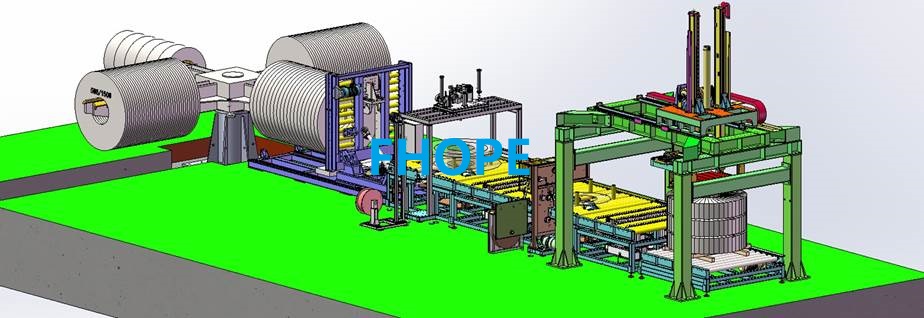
You might wonder how this works in practice. How can one system solve so many problems at once? Let us look closer at the specific ways these advanced packing lines are changing things for Italian businesses.
Why Are Italy’s Metal Processors Shifting to Automated Coil Packing?
Many Italian metal processing plants use old packing methods. They often depend a lot on manual labor. This creates many problems, especially as their business grows. I have seen these issues firsthand in factories around the world.
Italy’s metal processors are shifting to automated coil packing because manual methods struggle with a lack of workers, inconsistent quality, and the need to pack many different products. Automation offers a reliable way to solve these key challenges.

When I started my journey in this industry, I saw many factories using simple tools. They relied on people to do tough and repetitive jobs. Today, the world is different. Italy’s metal industry needs to adapt.
Here are the main reasons for this shift:
- Facing Labor Shortages and High Turnover 🧑🔧
- Finding young workers for hard manual jobs is tough. The work is physically demanding. It often involves heavy lifting and repetitive tasks. Many young people do not want these jobs anymore. This means factories have fewer hands to do the work. It makes it hard to keep production lines moving. When there are not enough workers, packing can slow down. It can stop the whole factory from sending out products on time. I saw this in one factory where a lack of staff caused delays every single week. They lost money because of it.
- Automated systems take over these difficult tasks. Machines do not get tired. They do not need breaks. This helps factories keep running even with fewer workers. It makes the work safer for the people who are still there. They can do other, more skilled jobs.
- Struggling with Inconsistent Packing Quality 📏
- Manual packing leads to different results. One worker might apply plastic film tightly. Another worker might do it loosely. This means some coils are packed well, and some are not. This causes problems during transport. Loose packing can damage coils. It can make customers unhappy. I remember a client who faced many complaints about coils arriving with rust spots. It was because the manual wrapping was not consistent. This problem led to returns and extra costs for them.
- Automated machines apply the same force every time. They ensure consistent film tension and strapping tightness. This guarantees every coil is packed to the same high standard. It protects the product better. It also looks more professional.
- Handling Diverse Product Requirements 📦
- Modern steel mills make many types of coils. They produce cold-rolled, galvanized, and pre-painted coils. Each type needs a specific packing method. Manually switching between these methods takes a lot of time. It is also prone to human error. For example, a worker might forget a layer of anti-rust paper for a galvanized coil. This causes issues later.
- Automated lines can quickly change their settings. They adapt to different coil sizes and packing needs. This makes the whole process smooth. It reduces downtime. It also ensures the correct packing for each product type. This flexibility is vital for factories with varied output.
- Meeting Higher Customer Demands and Export Rules 📈
- Customers now expect more. They want perfect packaging. Export markets, like those requiring CE or ISO certifications, have strict rules. They might also need specific barcodes on each package. Manual processes often cannot meet these high standards reliably. Mistakes happen. These mistakes can lead to rejected shipments or contract penalties.
- Automated systems can easily add these features. They can apply labels with barcodes accurately. They ensure packing meets international rules. This helps Italian manufacturers sell their products globally with confidence. This is a big step for growth.
How Do Automated Slit Coil Lines Boost Productivity in Italian Steel Mills?
Many steel mills in Italy face pressure to produce more. They need to do this quickly and without stopping. Manual processes often create bottlenecks. This slows down the whole production line. This is a common problem I have helped many factories solve.
Automated slit coil lines boost productivity in Italian steel mills by ensuring continuous operation, speeding up packing cycles, and integrating smoothly with other factory systems. They reduce manual effort and remove bottlenecks, allowing for a much faster and more reliable output.

When I work with clients, they always ask about output. They want to know how many coils they can pack in an hour or a day. My answer always points to automation. It is the key to real productivity gains.
Let us look at how these lines help:
- Ensuring Reliable 24/7 Operation ⚙️
- Steel mills often run two shifts or more. This means they need machines that work all the time. Manual packing teams can get tired. They need breaks. This causes stops. A machine, however, can run without stopping for long periods. This keeps the production flow steady. One client told me their manual packing often caused delays of up to two hours per shift. This added up to significant lost time each week.
- Automated lines are built for continuous use. They have strong parts. They need less human interaction. This makes them highly reliable. They ensure that coils are always moving through the packing stage. This maximizes uptime and output.
- Speeding Up Packing Cycles ⏱️
- Manual packing takes time. Each step, like strapping, wrapping, or labeling, needs a person to do it. This adds up. For example, wrapping a coil by hand can take several minutes. An automated machine can do it in seconds. These differences add up when you are packing hundreds of tons of steel coils every day.
- Automated machines perform multiple tasks at once or very quickly. They apply straps and wrap film with high speed. This drastically reduces the time it takes to pack each coil. It means more coils leave the factory floor each day. This directly translates to higher productivity.
- Seamless Integration with Production Lines 🔄
- A packing line is not just one machine. It is part of a bigger system. It must work well with the slitting line that makes the coils. It also needs to work with the systems that store and load the coils. If these parts do not communicate, there are delays. Manually moving coils between stages can be slow and risky.
- Modern packing lines are designed to integrate. They can connect to a factory’s main control system. This means coils move from the slitting machine, through packing, and to storage without manual steps. This smooth flow removes bottlenecks. It also improves overall factory coordination. It ensures that the packing stage never holds back the rest of the operation.
- Reducing Material Handling and Risk 🏗️
- Moving heavy steel coils manually is dangerous. Workers can get injured. Coils can also get damaged. Every time a coil is moved by hand, there is a risk. This risk can slow down operations because of safety checks or accidents.
- Automated lines use conveyors, turning devices, and robotic arms. These systems move coils safely and efficiently. They reduce the need for workers to handle heavy loads directly. This makes the workplace much safer. It also speeds up the flow of materials through the packing area.
What Advanced Features Protect Italian Slit Coils for Global Markets?
Italian steel products often go to customers around the world. These global markets have very high standards. Coils need strong protection against many things: rust, scratches, and damage during shipping. Simple packing is not enough anymore.
Advanced features in slit coil packing lines protect Italian products for global markets by using specialized anti-corrosion materials, strong strapping, precise wrapping, and automatic labeling. These features ensure coils arrive in perfect condition, meeting strict international quality and presentation standards.
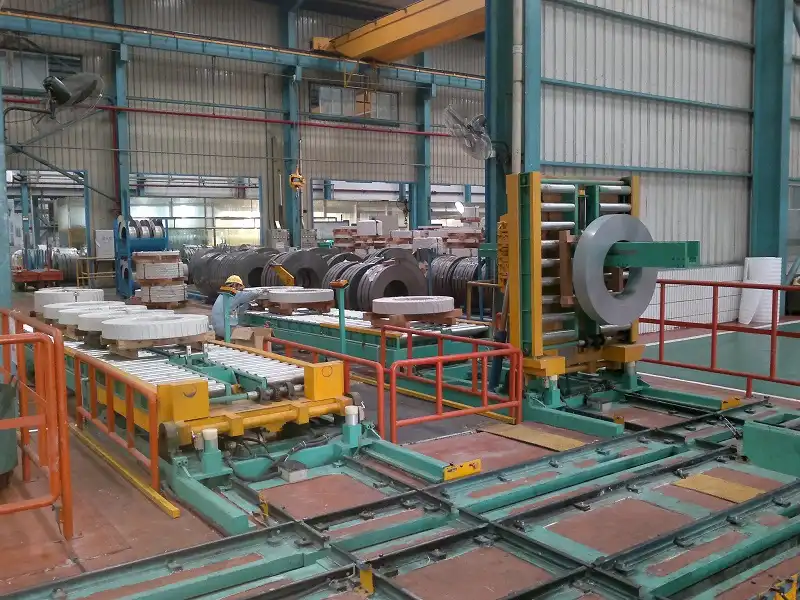
When I help clients with their export plans, packing is always a big topic. Poor packing can ruin a product before it even reaches the customer. It can also harm a company’s reputation. I always stress the importance of robust protection.
Here are the key advanced features:
- Specialized Anti-Corrosion Wrapping and Strapping 🛡️
- Coils often travel long distances, sometimes across oceans. They face changes in temperature and humidity. These conditions can cause rust and corrosion. Regular plastic film may not be enough. Customers often require specific protection layers.
- Advanced lines use materials like VCI (Volatile Corrosion Inhibitor) film or paper. This material actively prevents rust. They also use thick stretch film or heat-shrink film. These films create a tight, waterproof barrier. For strapping, they use strong PET straps or steel bands. These bands hold the coil firmly. They prevent shifting or damage during transit. The system can apply these layers in a precise way. This gives maximum protection against harsh environments.
- Precise Automatic Wrapping for Full Coverage 🌐
- Manual wrapping can leave gaps. It can have uneven tension. These small flaws allow moisture or dust to get in. This compromises the product. For example, a loosely wrapped coil can unwrap slightly. This exposes parts of the steel to the elements.
- Automated wrapping machines ensure every part of the coil is covered. They use programmed patterns to make sure the film overlaps correctly. They also control film tension very well. This creates a uniform, robust package. It keeps out moisture, dirt, and dust. This is essential for products heading to sensitive markets.
- Automatic Labeling for Compliance and Traceability ✅
- International customers often demand clear labels. These labels show product details, weight, and barcodes. They might also need special certifications, like CE or ISO marks. Manually applying these labels can lead to errors or poor placement. This affects compliance and tracking.
- Automated labeling systems apply labels perfectly. They can print unique barcodes or QR codes for each coil. They can also add certification marks. This ensures every package meets specific market rules. It also makes it easy to track products from the factory to the end-user. This improves customer trust and supply chain management.
- Anti-Scratch and Safe Handling During Packing ✋
- Coils can get scratched or damaged during the packing process itself. This happens if they are mishandled or if the packing machine itself is not designed carefully. Even a small scratch can make a high-value product unsellable.
- Modern packing lines use gentle handling systems. They have specialized conveyors and lifting tools that support the coil properly. The packing materials themselves are applied carefully. This prevents surface damage during the entire process. The goal is that the coil leaves the line in the same perfect condition it entered.
How Do Smart Packing Solutions Reduce Costs and Enhance Safety for Italian Factories?
Many factory owners worry about costs and worker safety. They want to cut down on spending. They also want to make sure their employees are safe from harm. Manual packing processes often come with hidden costs and high risks.
Smart packing solutions reduce costs for Italian factories by lowering labor needs, cutting material waste, and improving uptime. They enhance safety by automating hazardous tasks, greatly decreasing workplace injuries. This combination helps factories save money and protect their people.
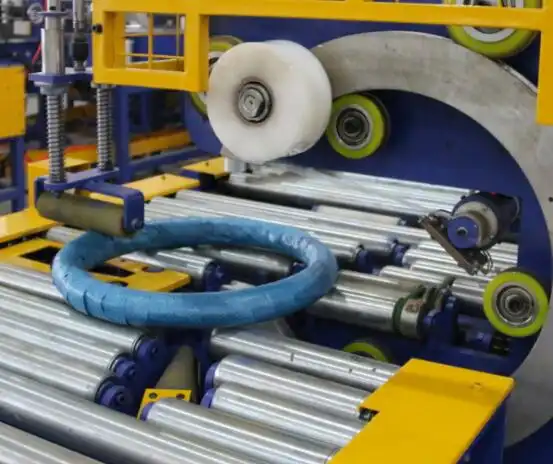
My experience taught me that saving money is not just about cheaper materials. It is also about working smarter. Safety is not just a rule; it is about protecting lives. Automated packing lines address both these critical areas.
Let us see how these lines help achieve these goals:
- Lowering Labor Costs and Reducing Dependency 💰
- Manual packing needs many workers. Each worker has a salary, benefits, and training costs. When a factory automates, it needs fewer people for the packing job. This means less money spent on wages for repetitive tasks. It also makes the factory less reliant on a large, specific workforce. I once helped a client reduce their packing staff by 60% after installing a new line. This saved them a lot of money each year.
- Automated systems allow factories to reassign workers to other, more valuable roles. This makes the workforce more efficient. It also helps manage the problem of finding enough skilled workers. The initial investment in machines pays off over time through these savings.
- Minimizing Packaging Material Waste ♻️
- Manual packing often leads to wasted materials. Workers might use too much film or strapping. They might make mistakes that require re-packing. This extra material costs money. It also creates more waste that needs to be disposed of.
- Automated lines use materials very precisely. They apply the exact amount of film or strapping needed. They do not over-wrap or under-strap. This careful use of materials reduces waste. It saves money on buying new materials. It also helps the environment by sending less to landfills.
- Enhancing Workplace Safety and Reducing Injuries ⛑️
- Handling heavy steel coils is one of the most dangerous jobs in a steel mill. Workers can suffer sprains, crushing injuries, or worse. These accidents cost factories a lot of money in medical care, lost workdays, and legal fees. Ivan, the production director, knows this risk very well.
- Automated packing lines remove people from these dangerous tasks. Machines do the heavy lifting, turning, and strapping. This greatly reduces the chance of accidents. It makes the packing area a much safer place to work. It protects employees and avoids expensive incident costs.
- Boosting Production Uptime and Reducing Downtime 📈
- Manual errors can stop a production line. A poorly strapped coil might jam a conveyor. An unevenly wrapped coil might cause problems during storage. These stops cost valuable production time. Each minute the line is down, the factory loses money.
- Automated lines are consistent. They make fewer mistakes than people. This means less downtime caused by packing errors. Machines can also be maintained on a set schedule, avoiding unexpected breakdowns. This steady operation keeps coils moving, maximizing the time the factory is producing goods.
Conclusion
Slit coil packing lines are vital for Italy’s growing metal industry. They solve big problems like labor shortages and quality issues. These lines bring high efficiency, top-notch product protection, and a much safer work environment. Investing in a modern coil packing line helps Italian factories cut costs and meet global market demands effectively.








