

How Do Safety Interlocks Protect UK Operators on Mold Tilters?
Working with heavy machinery in a factory means facing big risks every day. One mistake can cause serious injury or worse. For factory managers like me, keeping our team safe is the most important job. This is especially true when we move heavy items like molds or steel coils. It puts a lot of pressure on our workers and on our operations.
Safety interlocks are a key part of protecting workers on mold tilters in the UK. They are special devices that stop machinery from working if a safety condition is not met. This prevents accidents and keeps people safe. These systems make sure the machine cannot harm an operator during its use.
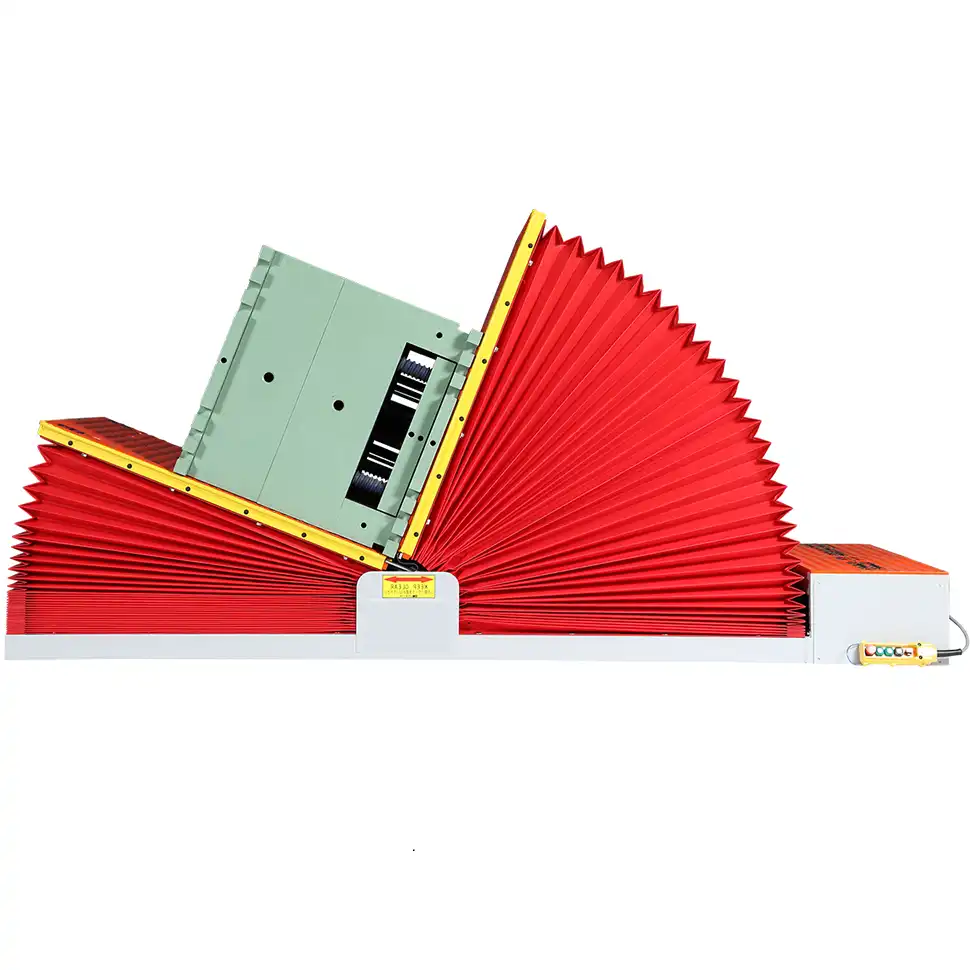

Understanding how these interlocks work can make a huge difference. It helps you protect your team and your business. Let’s look closer at why these systems are so important. We will also see how they keep people safe, every day.
Why Are Safety Interlocks So Important for Factory Safety?
Heavy manufacturing environments have many dangers. Moving molds or steel coils by hand is very risky. Workers can get injured from crushing or falling objects. These accidents can stop production and cost a lot of money. They also cause great pain for the workers and their families.
Safety interlocks are crucial for preventing these dangers in factories. They remove human error from the safety equation. They make sure machines cannot operate in a dangerous way. This helps to protect workers from accidents caused by machine movement.
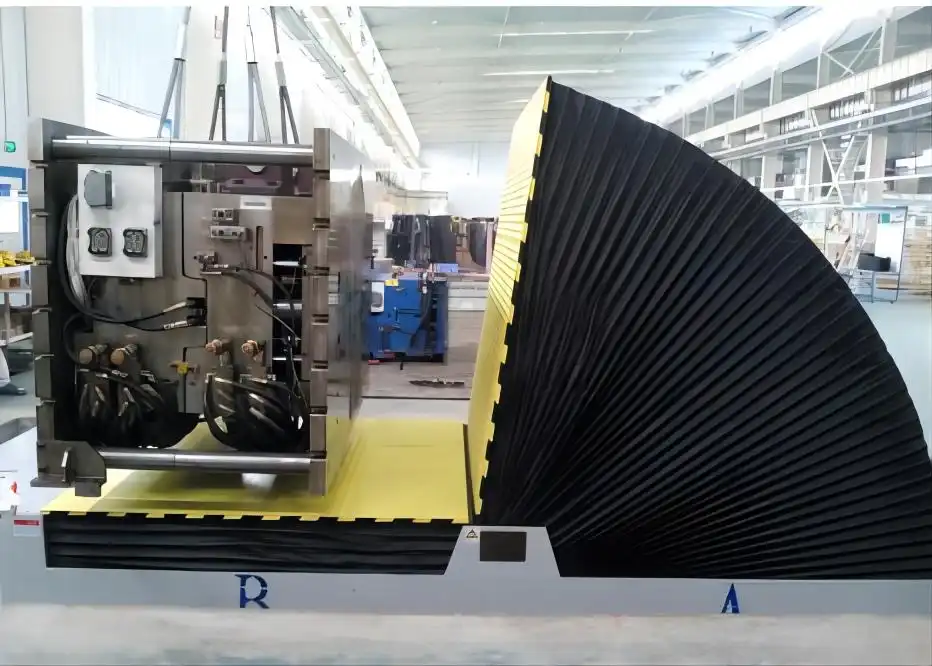

From my own experience running a packing machine factory, I know that safety is not just a rule. It is the foundation of a successful operation. When workers feel safe, they work better. They are more productive. Safety interlocks play a big role in this. They prevent accidents before they happen. This saves lives and keeps operations smooth.
Risk of Manual Handling in UK Factories
Many factories in the UK still use a lot of manual handling. This is especially true for heavy items. Things like molds or large steel coils are very heavy. Moving them by hand puts workers at high risk. They can suffer muscle strains, broken bones, or worse. The Health and Safety Executive (HSE) in the UK constantly highlights these dangers. They push for better ways to handle materials. Manual operations are slow. They are also highly unsafe. Injuries lead to time off work. This impacts production and raises insurance costs. I have seen firsthand how much this can hurt a business. When I started my packing machine factory, I made sure to invest in automated solutions early on. This was not just about efficiency. It was about protecting my team.
The Cost of Accidents (Human and Financial)
An accident on the factory floor has a double cost. First, there is the human cost. This includes pain, suffering, and potential long-term disability for the worker. This is something no manager wants to see. Second, there is the financial cost. This includes medical bills, lost production time, and potential legal fees. It also includes the cost of replacing or training new staff. These costs can be huge. They can even shut down a small business. Interlocks reduce these risks. They stop machines from hurting people. This saves both lives and money. It also protects the company’s reputation.
Beyond Compliance: Creating a Safe Culture
Following safety rules is a must. The UK has strict rules, like the Provision and Use of Work Equipment Regulations (PUWER). These rules require employers to provide safe equipment. Safety interlocks help meet these rules. But true safety goes beyond just following rules. It is about creating a culture where safety comes first. This means investing in the right equipment. It means training staff well. It means showing your workers that you care about their well-being. When I built my factory, I always saw safety as an investment. It paid off by reducing incidents and building trust with my employees. A safe workplace is a productive workplace. Interlocks are a clear sign of this commitment.
What Types of Interlocks Make Mold Tilters Safer?
Many managers know they need safety features. But they might not know the differences between them. It is important to understand what makes mold tilters truly safe. Not all safety features are the same. Some are much better than others.
Different types of safety interlocks work together to make mold tilters safer. These systems stop the machine if a guard is open or if someone is too close. They use various technologies to achieve this. This multi-layered approach gives much better protection.
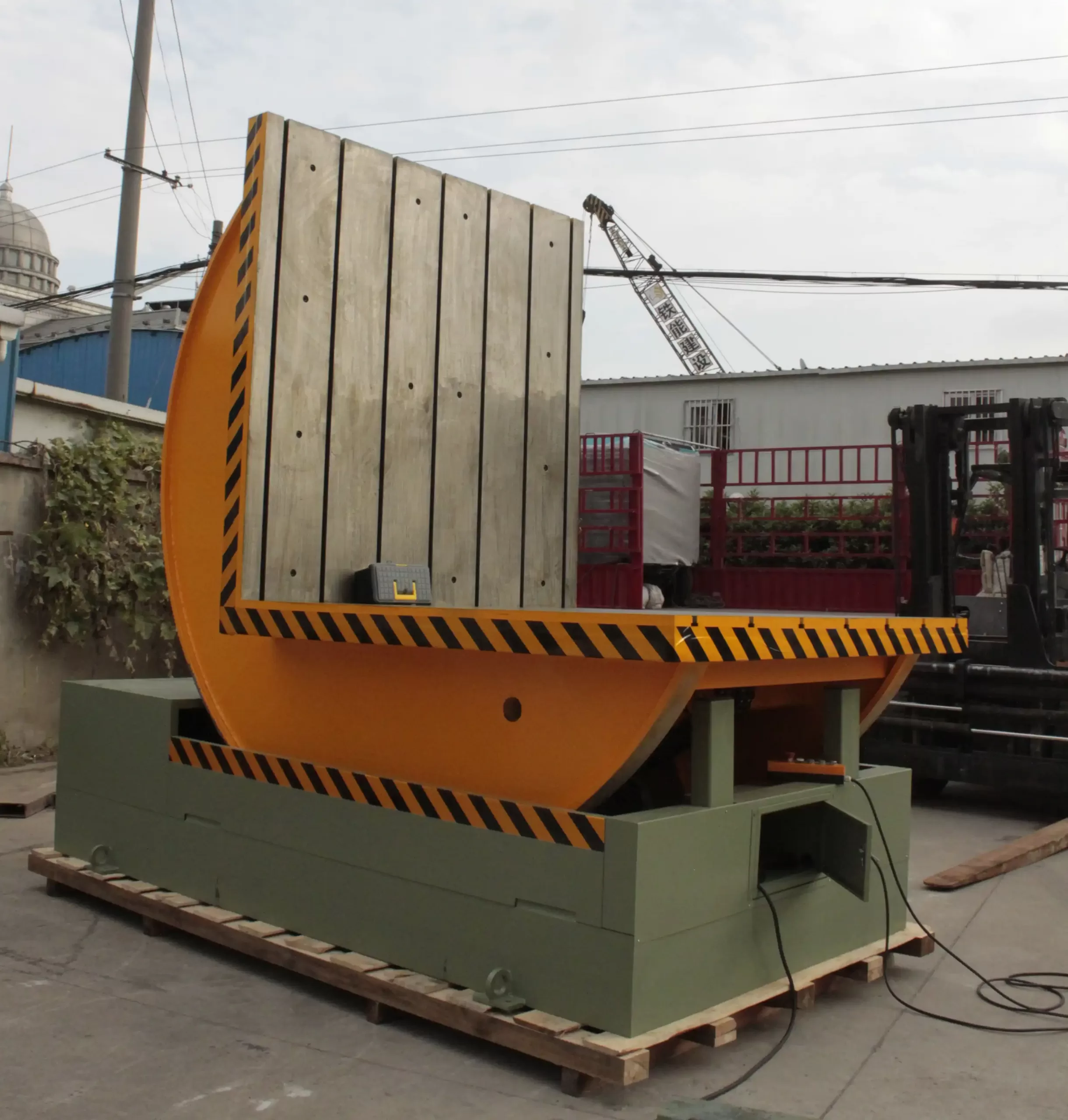

When I chose equipment for my own factory, I always looked for machines with robust safety features. I knew that cutting corners on safety was never worth it. It is about understanding the technology. It is about choosing the best tools for the job.
Guard Interlock Switches: Physical Barriers
Guard interlock switches are very common. They connect to physical guards on the machine. These guards might be fences or gates. If a guard is open, the machine cannot start. If the guard is opened while the machine is running, the machine stops immediately. This prevents operators from reaching into moving parts. For a mold tilter, this means the tilting action stops if someone opens a safety gate. This protects against crushing or entrapment. These switches are vital for areas where workers might need to access the machine. They are simple but very effective. They physically prevent access to danger zones.
Key Interlock Systems: Sequential Safety
Key interlock systems offer another layer of safety. These systems use physical keys. You must insert and turn a key to complete a circuit or unlock a guard. Often, a key from one device is needed to unlock another. This creates a safe sequence of actions. For example, a key might be trapped in the main power switch until the mold tilter is fully in its safe position. This key can then be used to unlock a gate, letting a worker access the mold. This prevents dangerous actions out of order. It makes sure that specific steps are followed for safety. This is very useful in complex operations. It adds a strong layer of control.
Magnetic or Non-Contact Interlocks: Modern Solutions
Magnetic or non-contact interlocks are newer. They do not need physical contact to work. They use magnetic fields or RFID signals. These sensors detect if a guard is closed. They are often used where guards need to open and close frequently. They are also good in harsh environments. They are less likely to get dirty or damaged. If the sensor loses its connection, the machine stops. This makes them very reliable. They are often used with mold tilters for quick and secure guard monitoring. They give a very high level of tamper protection. They are a good choice for modern factories.
Emergency Stop Buttons: The Last Line of Defense
While not an interlock in the same way, emergency stop buttons are a critical safety feature. They are always part of a comprehensive safety system. These red buttons are easy to see and reach. Pressing an E-stop button immediately cuts power to the machine. This stops all movement. It is for situations where an unexpected danger comes up. For example, if a mold shifts unexpectedly during tilting, an operator can hit the E-stop. This provides a quick way to prevent an accident. Every mold tilter must have easily accessible E-stop buttons. They give operators direct control over stopping the machine in an emergency. These buttons are a final safeguard.
How Do Interlocks Prevent Accidents in Daily Operations?
Many people ask how these systems truly stop accidents. It is one thing to know what interlocks are. It is another to see how they work in real-life situations. The key is their ability to react faster than any human. They remove the chance of human error.
Interlocks stop dangerous machine operations before an accident can happen. They do this by sensing unsafe conditions and immediately shutting down or preventing movement. They ensure that operators cannot put themselves in harm’s way. This makes the workplace much safer.
When I was setting up my own factory, I saw how easily mistakes could happen. Even experienced workers can have a lapse in focus. This is why automated safety is so important. It acts as a constant guardian.
Preventing Entrapment and Crushing
Mold tilters move very heavy objects. This creates a risk of crushing or entrapment. An interlock prevents this. Imagine an operator tries to access the machine while it is tilting a mold. Without interlocks, they could get caught. With interlocks, if a safety gate is opened, the machine stops instantly. It does not complete the tilt. This prevents the mold from moving towards the operator. It also prevents the machine from trapping a limb. These systems are designed to detect when a person is in a dangerous area. They stop movement immediately. This protects the operator from severe physical harm. This is a primary benefit for UK factory workers.
Ensuring Correct Machine Sequencing
Many factory processes need steps to happen in a specific order. If the order is wrong, it can cause an accident. Interlocks enforce the correct sequence. For example, a mold tilter should not begin tilting until the mold is properly secured. It also should not unlock safety guards until the mold is fully in its new position. Interlocks make sure these steps happen in order. They prevent the machine from starting if the previous step is not complete. They also stop the machine if an action is attempted out of sequence. This prevents crashes or spills of heavy materials. This careful control reduces many common workplace accidents. It makes operations much more predictable and safe.
Protecting Against Unauthorized Access
Sometimes, people who are not trained try to use a machine. Or someone might try to bypass a safety feature. Interlocks make this harder. Key interlocks, for example, need a specific key to operate parts of the machine. This means only authorized staff can operate it. Magnetic interlocks are also hard to tamper with. If someone tries to defeat the safety system, the machine will not work. This keeps untrained people safe. It also stops people from taking shortcuts that put them at risk. This level of control is vital in busy factories. It helps maintain discipline regarding safety protocols.
Minimizing Human Error Risks
Human error is a leading cause of accidents. People get tired. They get distracted. They might forget a step. Interlocks act as a safeguard against these errors. They do not rely on a person remembering to do something. They are built into the machine’s core function. If an operator makes a mistake, the interlock system detects it. It then stops the machine. This means the machine itself monitors for unsafe conditions. It takes action to prevent harm. This greatly reduces the chance of accidents. For a factory manager like me, knowing that the machine has these built-in protections brings peace of mind. It ensures that safety is always active, regardless of human factors.
Why Is Choosing the Right Supplier for Interlocked Equipment Key?
Many factory managers have had bad experiences with equipment suppliers. They might get a machine that does not work as promised. Or the after-sales service is poor. This creates a trust issue. It makes managers careful when buying new equipment.
Choosing the right supplier for interlocked equipment is very important. A good supplier provides machines that meet all safety standards. They also offer strong support after the sale. This ensures the equipment works safely and reliably for a long time. They become a true partner.
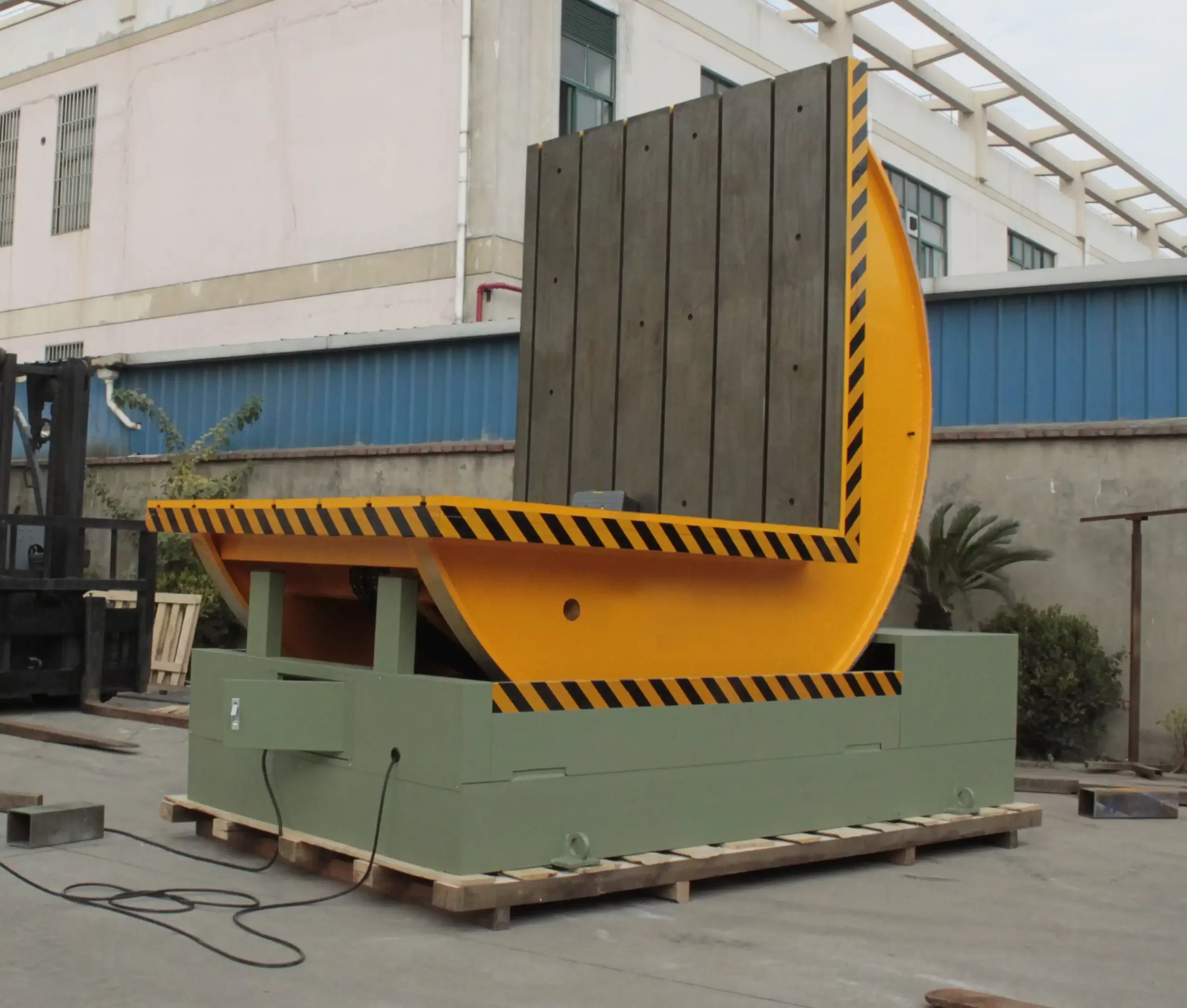

From my own journey, I learned the value of good partners. When I started my packing machine factory, I saw how much it helped to work with people who truly understood my needs. It was not just about buying a machine. It was about solving problems.
Beyond the Sale: The Importance of After-Sales Support
A machine sale is just the beginning. What happens after you buy the mold tilter? Will the supplier help if there is a problem? Will they provide spare parts? Will they offer training? Good after-sales support is crucial. It means the supplier is committed to your success. If an interlock system has an issue, you need fast help. A reliable supplier offers quick service. They provide technical support. This reduces downtime. This also ensures the safety features keep working correctly. Poor support can turn a good machine into a major headache. I always looked for suppliers who understood this. My clients, too, needed reliable partners to grow their businesses.
Understanding Certifications and Compliance (e.g., CE, PUWER in UK)
For UK operators, compliance with regulations is a big deal. Machines must meet specific safety standards. The CE mark shows a machine meets European health, safety, and environmental protection standards. For machinery in the UK, the PUWER regulations are also very important. A good supplier ensures their mold tilters have the right certifications. They can show you the paperwork. They understand what these rules mean for your factory. This is not just about avoiding fines. It is about worker safety. It is about making sure the machine is truly safe. A supplier who knows these rules gives you confidence. They show they are serious about safety.
The Partner Approach: Experts Who Understand Your Challenges
You need more than just a seller. You need a partner. This means someone who understands your factory. They should know about your production bottlenecks. They should know about your safety concerns. They should offer real solutions, not just products. As a packing machine engineer who built my own factory, I know these challenges well. I faced issues with efficiency, safety, and product damage. I learned that finding suppliers who listened and gave expert advice was key. These partners helped me grow. Look for a supplier who asks questions about your specific needs. They should offer insights based on their deep industry background. This is what FHOPEPACK aims to be for our clients.
Long-Term Value and ROI from Quality Equipment
Investing in safety interlocks and quality mold tilters is not just an expense. It is an investment. High-quality equipment lasts longer. It breaks down less often. It keeps your workers safe. This reduces many hidden costs. It lowers insurance premiums. It stops costly downtime. It prevents expensive product damage. All these savings add up. They lead to a clear return on investment (ROI). A good supplier helps you see this value. They show you how their safe, reliable machines will save you money in the long run. They focus on the overall benefit to your operations. This is how I helped many of my clients succeed.
Conclusion
Safety interlocks are vital for protecting UK operators on mold tilters. They prevent accidents, boost efficiency, and show a commitment to safety. Choose a supplier who understands your needs and offers reliable, compliant solutions.












