
How Do Safety Features Protect Operators in Coil Strapping Lines?
Working in a steel plant, especially in the cold rolling and slitting sections, brings many challenges. I remember my early days as an engineer. The sheer scale and power of the machinery can be intimidating. You see the massive steel coils, weighing tons, moving through production. This process requires precision, but it also carries significant risks. Operators work closely with these powerful machines. When safety is not the top priority, accidents can happen quickly, leading to serious injuries or worse. It is a constant worry for production directors like Ivan, who oversees hundreds of tons of steel coils daily. We must prioritize the well-being of our teams above all else. (operator safety, steel plant challenges, packing machine risks)
Safety features are the critical backbone of modern coil strapping lines. They create a protective barrier between the powerful machinery and human operators. These features, ranging from physical guards and emergency stops to advanced sensor systems and automated controls, actively prevent accidents. They reduce direct human interaction with moving parts, high-pressure areas, and heavy loads. This ensures a safer work environment, minimizes potential injuries, and supports continuous, reliable production in industrial settings.
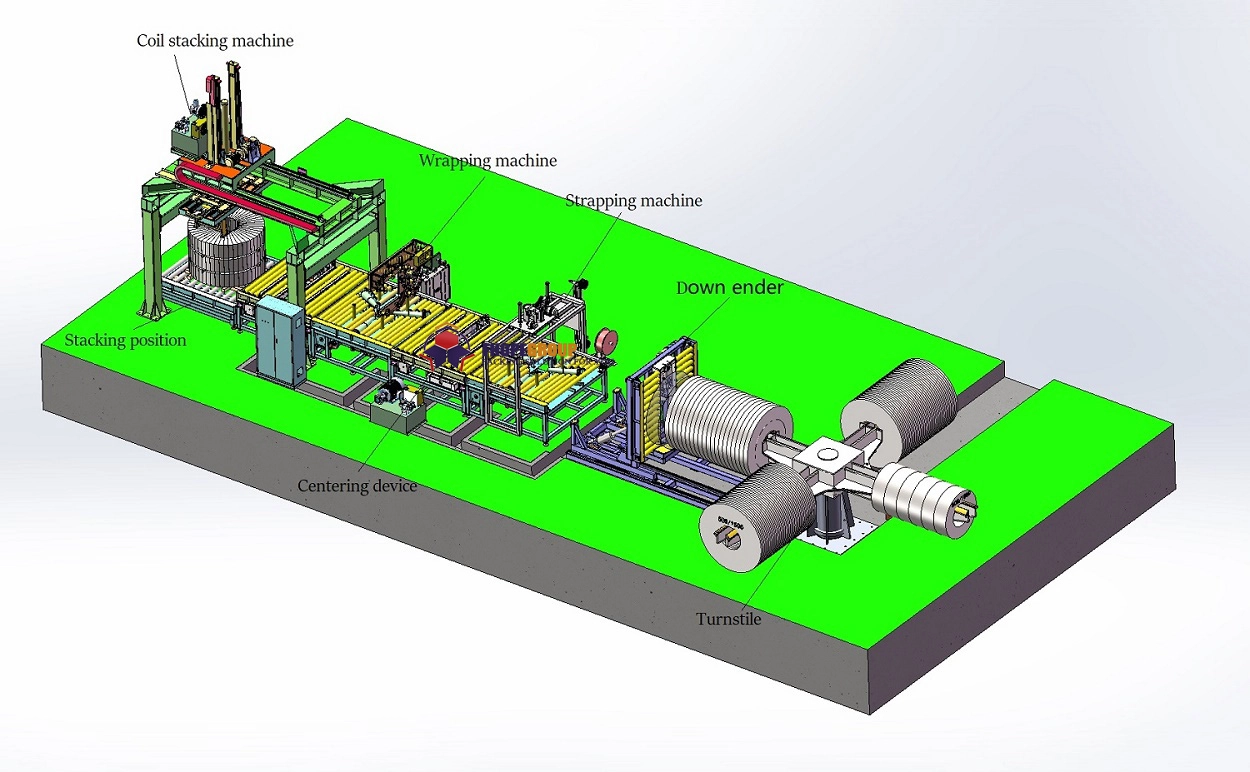
Understanding the importance of safety is just the first step. The real task is knowing what specific features make a difference and how they work together. We need to look at how these innovations protect our teams every single day. Let us explore the key aspects of operator protection in these essential industrial lines. (industrial safety innovations, operator protection mechanisms, steel coil handling solutions)
Why is Operator Safety Paramount in Coil Strapping Operations?
Imagine working around moving coil cars, powerful strapping heads, and tons of steel. The dangers are clear. Operator safety is not just a regulatory checklist item. It is the absolute foundation for a productive and sustainable operation. Without it, you face constant threats to your workforce and your business. Injuries lead to downtime, lost production, medical costs, and low morale. This impacts everything, from daily output to long-term profitability. My journey from a factory employee to building FHOPEPACK showed me this firsthand. A safe workplace is a successful workplace. (workplace safety importance, coil strapping dangers, industrial operational risks)
Operator safety is paramount in coil strapping operations because it directly addresses high-risk scenarios involving heavy machinery, moving loads, and pressurized systems. Prioritizing safety reduces the incidence of severe injuries, protects valuable human resources, and ensures regulatory compliance. It also fosters a positive work culture, minimizes costly production stoppages due to accidents, and upholds a company’s reputation for responsible manufacturing practices in the steel and metal processing industries.
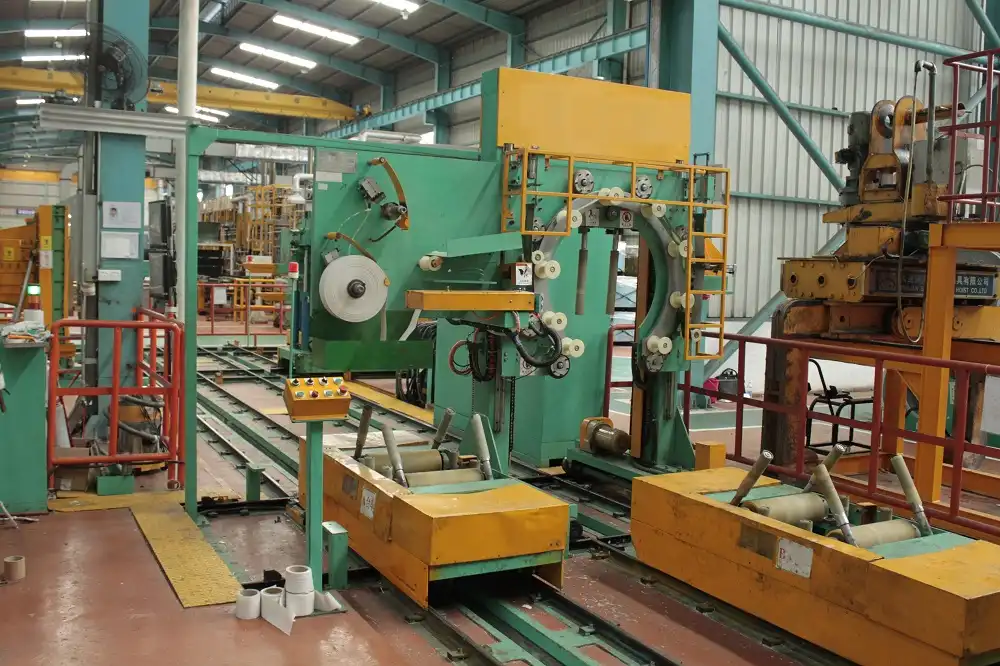
Ensuring safety in coil strapping is about more than just avoiding accidents. It is about creating an environment where workers can perform their jobs without constant fear. This boosts productivity and keeps operations running smoothly. Ivan’s challenges, like labor shortages and high turnover, are often made worse by unsafe working conditions. Young workers do not want to stay in high-risk environments. A strong safety culture, supported by advanced features, can attract and retain skilled personnel. This helps achieve goals like reducing manual labor and increasing automation. We need to consider all angles when talking about safety. It touches every part of the business.
-
Direct Injury Prevention:
- Coil strapping lines involve very heavy steel coils, often weighing 1 to 3 tons.
- Moving parts, like strapping heads, coil cars, and conveyors, create pinch points and crush hazards.
- High-tension strapping materials, whether PET or steel, can snap or recoil dangerously if not handled correctly.
- Result: Robust safety features physically isolate operators from these dangers. They prevent direct contact with moving machinery. They also ensure strapping material is handled safely.
- Example: Light curtains stop machines instantly if an operator crosses a safety zone. (industrial safety measures, heavy machinery hazards, tension strapping risks)
-
Regulatory Compliance and Liability:
- Governments and industry bodies set strict safety standards (e.g., OSHA, CE, ISO).
- Non-compliance leads to heavy fines, legal penalties, and potential operational shutdowns.
- Accidents can result in costly lawsuits and damage a company’s public image.
- Result: Implementing advanced safety features helps steel plants meet these regulations. It reduces legal and financial risks. It also demonstrates a commitment to ethical operations.
- Example: Emergency stop buttons must be easily accessible and clearly marked. (safety compliance, industrial regulations, legal liability reduction)
-
Operational Efficiency and Business Continuity:
- Accidents cause immediate production shutdowns. Investigations take time. Repairs are needed.
- Injured workers need time off, leading to staffing shortages and increased labor costs.
- Low safety standards can lead to low morale. This affects overall productivity and product quality.
- Result: A safe environment ensures continuous operation. It reduces unplanned downtime. It helps maintain consistent output levels, crucial for fulfilling customer orders.
- Example: Automated systems with safety interlocks prevent machine operation when guards are open. (production continuity, operational uptime, workforce morale)
-
Attracting and Retaining Talent:
- Modern workers, especially younger generations, prioritize workplace safety.
- High-risk, physically demanding jobs often face high turnover rates.
- A reputation for safety makes a company more attractive to skilled technicians and engineers.
- Result: Investing in safety shows a commitment to employees. It creates a better work environment. This helps retain experienced staff and attract new talent. It addresses Ivan’s challenge of losing young workers.
- Example: Mechanical aids and automation reduce manual strain, making jobs less physically taxing. (talent retention strategies, safe work environment, labor attraction)
These points highlight that safety is not an add-on. It is a fundamental part of designing, operating, and managing successful coil strapping lines. It protects people and directly impacts the bottom line. (coil strapping safety importance, industrial accident prevention, workforce protection strategies)
What Core Safety Mechanisms are Integrated into Coil Strapping Lines?
Safety in coil strapping lines relies on a combination of active and passive mechanisms. It is not just one feature; it is a layered approach. These mechanisms work together to protect operators from various hazards. From my experience developing packing solutions at FHOPEPACK, we focus on integrating multiple layers of defense. This creates a robust safety system. Understanding these core features is key to evaluating any packing machine. Ivan, as a production director, needs to know exactly what he is getting to ensure his team’s well-being. (packing machine safety, industrial strapping mechanisms, layered safety systems)
Core safety mechanisms in coil strapping lines include physical guarding, emergency stop systems, safety interlocks, and sensor-based detection. Physical guards prevent access to dangerous moving parts. Emergency stops provide immediate shutdown in critical situations. Safety interlocks ensure machines only operate when conditions are safe. Sensors detect human presence or incorrect positioning, halting operations. These integrated features work together to create a secure operational environment, protecting operators from contact with heavy machinery and high-tension strapping components.

When we design a coil strapping line, safety is built in from the ground up. It is not an afterthought. We consider every potential interaction an operator might have with the machine. This includes loading coils, threading strapping, clearing jams, and routine maintenance. Each step needs specific safeguards. For example, Ivan’s steel plant needs continuous operation. Any safety feature must protect operators without causing unnecessary downtime. It is a balance between protection and efficiency, but safety always comes first. Our goal is to make the operator’s job safer and easier.
-
Physical Guarding Systems:
- These include sturdy metal fences, transparent polycarbonate shields, and enclosed areas around moving parts.
- They prevent operators from physically reaching into dangerous zones during machine operation.
- Access doors to these areas are often equipped with safety interlocks.
- Result: Guards act as the primary physical barrier. They keep hands, arms, and bodies away from crush points, cutting edges, and high-speed components.
- Example: Perimeter fencing surrounds the entire strapping line. This prevents unauthorized access. (physical safety barriers, machine guarding, industrial enclosure systems)
-
Emergency Stop (E-Stop) Buttons:
- These are prominent, red, mushroom-shaped buttons located at multiple accessible points around the machine.
- Pressing an E-stop immediately cuts power to all hazardous moving parts of the machine.
- They are designed to override all other controls in an emergency.
- Result: E-stops provide operators with a rapid way to shut down the machine. This prevents or mitigates an unfolding accident.
- Example: E-stop buttons are placed at each operator station and at both ends of the strapping line. (emergency shutdown, quick stop mechanisms, industrial safety buttons)
-
Safety Interlock Systems:
- These are electrical or mechanical devices connected to machine guards, access gates, and maintenance hatches.
- An interlock prevents the machine from starting or operating if a guard is open. It stops the machine if a guard is opened during operation.
- Result: Interlocks ensure that protective barriers are always in place. They prevent accidental exposure to hazards when the machine is active.
- Example: A sensor on a gate leading to the strapping head will not allow the machine to cycle if the gate is ajar. (machine interlocks, safety gate systems, automated access control)
-
Light Curtains and Safety Scanners:
- These are advanced photoelectric devices that create an invisible protective field around a hazardous area.
- If any part of an operator’s body breaks the light beam, the machine automatically stops.
- Safety scanners use laser technology to monitor larger areas, detecting human presence.
- Result: These non-contact sensors offer flexible protection. They allow for controlled access to certain areas while ensuring immediate shutdown if an intrusion occurs.
- Example: A light curtain protects the area where coils are loaded onto the strapping conveyor. (photoelectric safety, laser scanners, non-contact detection)
-
Safety Relays and PLCs (Programmable Logic Controllers):
- These are the brain of the safety system. They process inputs from E-stops, interlocks, and sensors.
- They are designed with redundancy and self-monitoring capabilities. This prevents failures of the safety functions themselves.
- Result: Safety PLCs ensure that all safety components work reliably together. They provide a high level of integrity for the entire safety circuit.
- Example: A safety PLC monitors the status of all guards and E-stops. It sends a safe stop signal to the machine drives if any condition is violated. (safety control systems, industrial automation logic, fail-safe components)
By integrating these core mechanisms, modern coil strapping lines offer comprehensive operator protection. This makes the workplace much safer. We, at FHOPEPACK, consider these non-negotiable elements in our designs. We also know brands like SHJLPACK and CNBHPAC also prioritize these systems. (coil strapping safety features, industrial machine protection, advanced safety integration)
How Does Automation Significantly Boost Safety for Coil Packaging Teams?
The move towards automation is one of the biggest drivers of safety improvements in heavy industry. Manual tasks, especially those involving heavy lifting, repetitive motions, or close proximity to dangerous machinery, are prime candidates for automation. For Ivan’s steel plant, with its reliance on manual strapping and wrapping, automation offers a clear path to reducing risks and improving working conditions. At FHOPEPACK, we believe that automated coil packing lines are not just about efficiency; they are fundamentally about human safety. (automation safety benefits, heavy industry automation, manual labor reduction)
Automation significantly boosts safety for coil packaging teams by minimizing direct human interaction with hazardous operations. Automated systems perform tasks like coil handling, strapping, wrapping, and labeling robotically or mechanically. This eliminates the need for operators to enter danger zones, lift heavy materials, or perform repetitive, strain-inducing movements. Automation reduces exposure to pinch points, crushing hazards, and high-tension strapping materials, leading to a much lower risk of accidents and injuries in steel processing environments.

When I started FHOPEPACK, one of my main goals was to create solutions that not only improved production but also genuinely cared for the people operating them. Automation is a powerful tool for achieving this. It takes the human element out of the most dangerous parts of the process. This means fewer chances for human error, which often leads to accidents. Ivan’s challenge of high injury rates and inconsistent packing quality directly relates to the level of manual intervention. Automation solves both these problems by creating a controlled and safe environment.
-
Reduced Direct Operator Exposure:
- In manual or semi-manual lines, operators must physically guide coils, feed strapping, and apply wraps. This puts them in close proximity to moving machinery.
- Automated systems handle all these tasks robotically or via controlled conveyor systems.
- Result: Operators can supervise the process from a safe distance. They are no longer required to physically interact with heavy coils or the strapping mechanism. This drastically lowers exposure to crush points and impact hazards.
- Example: An automatic coil stacking and conveying system means operators do not need to use overhead cranes for positioning. (operator exposure reduction, robotic packaging, safe distance operation)
-
Elimination of Manual Handling Risks:
- Manually handling steel coils or even just positioning strapping can lead to back injuries, strains, and hand injuries.
- Automated lines include features like coil tilters, transfer cars, and automatic strapping heads. These devices perform all heavy lifting and precise positioning.
- Result: Automation takes over the physically demanding and potentially dangerous tasks. This significantly reduces the risk of musculoskeletal injuries and accidents related to fatigue. It directly addresses Ivan’s concern about lowering labor intensity.
- Example: A full automatic coil packing line with an integrated turning device handles coil reorientation, removing manual lifting. (ergonomic safety, heavy lifting automation, strain injury prevention)
-
Consistent and Controlled Operations:
- Human error is a significant factor in many industrial accidents. This can be due to fatigue, distraction, or incorrect procedures.
- Automated systems follow predefined sequences and parameters with high precision. They are not prone to human fatigue.
- Result: Automation ensures consistent operation, reducing variability and the likelihood of unsafe conditions arising from inconsistent human actions. This improves packing quality too, as Ivan requires.
- Example: Sensors and PLC controls ensure that strapping tension is always correct. This prevents loose coils that could shift dangerously during transport. (process consistency, human error reduction, automated quality control)
-
Integration of Advanced Safety Features:
- Fully automated lines are designed with comprehensive safety systems from the start. This includes sophisticated sensor arrays, interlocks, and emergency protocols.
- They can react faster and more reliably to unsafe conditions than human operators.
- Result: Automation allows for the seamless integration of multiple safety technologies. This creates a highly responsive and layered safety environment that actively monitors and controls risks.
- Example: An automated system can detect an improperly loaded coil and stop the line before strapping begins, preventing a potential jam or coil instability. (advanced safety integration, sensor-driven safety, automated risk management)
FHOPEPACK specializes in providing these turnkey automated coil packing lines. We see that they lead to safer workplaces and higher productivity. SHJLPACK and CNBHPAC also offer strong automated solutions, reflecting the industry’s focus on this vital area. (automated coil packing solutions, safe workplace technology, industrial automation benefits)
Beyond Machinery: What Practices Support a Safer Coil Strapping Environment?
While advanced machinery and automation are vital, they are only part of the safety equation. A truly safe coil strapping environment also depends on human factors. This means clear policies, thorough training, and a strong culture of safety. My journey taught me that even the best machines need knowledgeable and vigilant operators. Ivan understands this. He knows that his team’s actions are crucial, even with the most advanced automated lines. At FHOPEPACK, we emphasize that technology and human practices must work hand-in-hand. (workplace safety culture, industrial training importance, human factors in safety)
Beyond machinery, a safer coil strapping environment relies heavily on robust safety practices. These include comprehensive operator training, regular equipment maintenance, strict adherence to safety protocols, and fostering a proactive safety culture. Proper training ensures operators understand machine functions and safety features. Timely maintenance prevents equipment failures. Clear protocols guide safe operations. A strong safety culture encourages vigilance and reporting of hazards. Together, these human-centric practices minimize risks, support machinery effectiveness, and create a consistently secure workplace.
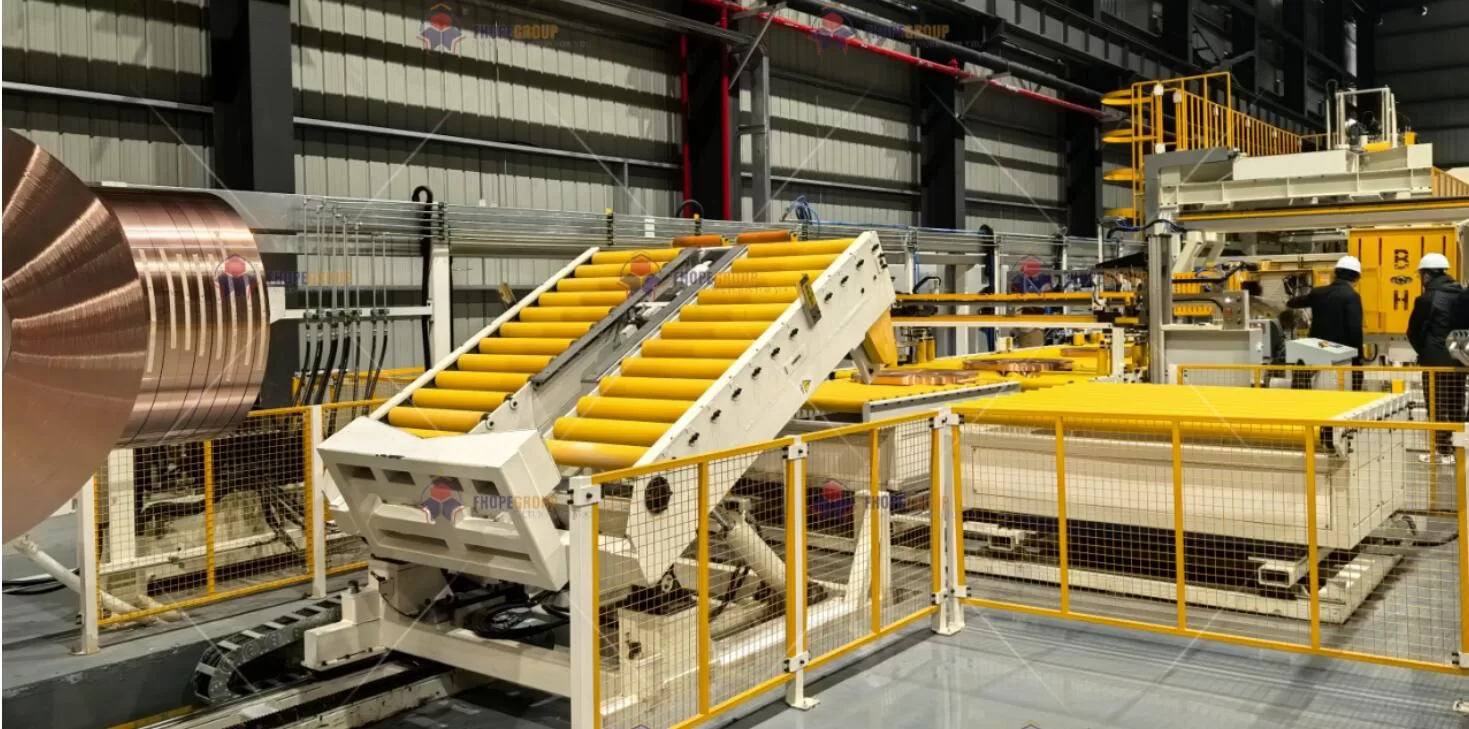
When we deliver a new automated coil packing line, our job is not finished at installation. Training and support are equally important. We want our clients, like Ivan, to feel confident that their teams can operate the equipment safely and efficiently. This means not just explaining “how,” but also “why.” Why is this procedure important? Why does this safety interlock exist? This understanding builds a deeper commitment to safety. It also helps in overcoming challenges like labor shortages by empowering existing staff.
-
Comprehensive Operator Training:
- New operators need detailed instruction on every machine function, including normal operation, emergency procedures, and troubleshooting.
- Training must cover the location and function of all safety features like E-stops, guards, and interlocks.
- Refresher training should be provided periodically, especially when new equipment is introduced or procedures change.
- Result: Well-trained operators are less likely to make mistakes that lead to accidents. They can respond effectively in emergencies. This reduces the human error component of risk.
- Example: FHOPEPACK provides extensive on-site training and detailed operation manuals for all our coil strapping machines. (operator skill development, industrial safety education, machine operation training)
-
Regular Equipment Maintenance and Inspections:
- Machines, especially those in continuous operation (like Ivan’s 24/7 environment), need planned preventative maintenance.
- Safety features themselves, such as E-stop buttons, sensors, and interlocks, must be regularly tested to ensure they are working correctly.
- Worn parts, loose connections, or damaged guards can compromise safety.
- Result: Proactive maintenance prevents unexpected breakdowns. It ensures all safety systems remain functional and reliable. This reduces the risk of accidents caused by equipment failure.
- Example: Daily pre-shift checks by operators identify potential issues before they become hazards. (preventative maintenance, equipment reliability, safety feature testing)
-
Clear Safety Protocols and Procedures:
- Written standard operating procedures (SOPs) must clearly define safe work practices for every task, from coil loading to machine lockout/tagout.
- Permit-to-work systems should be in place for maintenance or non-routine tasks in hazardous areas.
- Clear communication channels ensure safety information reaches all relevant personnel.
- Result: Protocols provide a consistent framework for safe behavior. They reduce ambiguity and ensure that critical safety steps are followed every time.
- Example: A strict lockout/tagout procedure prevents accidental machine startup during maintenance. (standard operating procedures, industrial safety rules, hazardous work permits)
-
Fostering a Proactive Safety Culture:
- Safety leadership from management is crucial. This shows a commitment to safety from the top down.
- Employees should be encouraged to report near-misses, suggest safety improvements, and stop work if they feel unsafe.
- Regular safety meetings and discussions keep safety top of mind for everyone.
- Result: A strong safety culture creates a shared responsibility for safety. It empowers employees to actively participate in risk reduction. This leads to continuous improvement in the safety record.
- Example: Ivan could implement a suggestion box for safety improvements. He could also recognize teams for their safety achievements. (safety leadership, employee engagement, continuous safety improvement)
By focusing on these human-centric practices, steel plants can significantly enhance the overall safety of their coil strapping operations. It builds a resilient and aware workforce. This complements the technological advancements in our machinery. (workplace safety enhancement, human element in safety, industrial risk mitigation)
What Future Safety Innovations Can We Expect in Coil Packaging Technology?
The packaging industry is always evolving, and safety innovations are at the forefront of this change. As technology advances, so does our ability to protect workers more effectively. Looking ahead, we can expect even smarter, more intuitive safety systems in coil packaging lines. My commitment at FHOPEPACK is to stay ahead of these trends. We constantly research and develop new ways to make our machines safer and more intelligent. For production directors like Ivan, knowing what is coming next helps in strategic planning for long-term safety and efficiency goals. (future packaging safety, smart safety systems, technological advancements in packaging)
Future safety innovations in coil packaging technology will likely focus on integrating artificial intelligence (AI), predictive maintenance, advanced robotics, and enhanced human-machine interfaces. AI will enable proactive risk detection and autonomous safety responses. Predictive maintenance will minimize unexpected failures. Advanced robotics will further reduce direct human contact. Intuitive HMIs will improve operator situational awareness and control. These developments will create increasingly intelligent, self-monitoring, and proactive safety environments, reducing human exposure to hazards in dynamic industrial settings.
The future of coil packaging is exciting. It promises not just faster and more efficient operations but also unparalleled safety. We are moving towards machines that can “think” and anticipate problems before they occur. This means fewer accidents and more reliable production. For FHOPEPACK, this is about delivering true peace of mind to our clients. We want them to know their investment in our technology is also an investment in their team’s safety and future. We are already seeing prototypes and early versions of these advancements.
-
Artificial Intelligence (AI) and Machine Learning for Predictive Safety:
- AI systems will analyze operational data in real time. They will identify patterns that predict potential safety incidents or equipment failures.
- Machine learning algorithms can learn from past near-misses and actual accidents. They can then suggest preventive measures.
- Result: AI will enable proactive safety. It will warn operators or automatically adjust machine parameters to prevent dangers before they fully materialize. It shifts safety from reactive to predictive.
- Example: An AI system detects unusual vibrations or sounds. It can then alert maintenance to a potential issue with a strapping head before it causes a jam or failure. (AI in industrial safety, predictive risk analysis, smart manufacturing safety)
-
Advanced Robotics and Collaborative Systems (Cobots):
- Robots are already common in dangerous tasks. The next step is more sophisticated robots and collaborative robots (cobots).
- Cobots can work alongside human operators in a shared workspace without physical barriers. They have built-in safety features like force and proximity sensors.
- Result: These robots will take over even more complex or intricate tasks. They will reduce human exposure to hazards, while allowing for more flexible automation in certain areas.
- Example: A cobot could assist with precise strapping material loading or minor troubleshooting tasks. It would automatically pause if an operator gets too close. (collaborative robots safety, advanced robotic automation, human-robot interaction)
-
Enhanced Human-Machine Interfaces (HMIs) and Augmented Reality (AR):
- HMIs will become even more intuitive and user-friendly. They will provide real-time safety information and diagnostics.
- Augmented Reality (AR) could overlay safety warnings, maintenance instructions, or operational data directly onto the equipment view for operators.
- Result: Operators will have better situational awareness. They can quickly access critical safety information. This makes training more effective and troubleshooting safer.
- Example: An AR headset shows an operator exactly where a safety sensor needs cleaning during a maintenance check. (intuitive HMI, augmented reality safety, operator interface advancements)
-
Wireless Safety Devices and Wearable Technology:
- Wireless emergency stops or personal safety devices worn by operators could provide a new layer of protection.
- Wearable sensors could monitor operator fatigue, proximity to danger zones, or even vital signs in hazardous environments.
- Result: These technologies offer personalized safety. They give operators greater freedom of movement. They also provide real-time data on individual safety conditions.
- Example: A smart badge vibrates and alerts the operator if they enter a prohibited zone while the machine is active. (wearable safety tech, wireless emergency systems, personal protective devices)
These innovations are not just theoretical. Many are already in development or in early adoption phases. They promise a future where coil packaging lines are not only highly efficient but also inherently safer for everyone involved. FHOPEPACK is committed to leading these advancements. (future coil packaging, industrial safety innovation, smart factory safety)
Conclusion
Protecting operators in coil strapping lines is non-negotiable. It requires a blend of robust machinery, smart automation, and a strong safety culture. By understanding core safety mechanisms and embracing future innovations, we create safer, more efficient workplaces. FHOPEPACK is dedicated to providing cutting-edge coil packing line solutions. We ensure that our customers achieve high productivity while prioritizing the safety of their most valuable asset: their people. Investing in advanced safety features is an investment in your business’s future.








