
How Do Real-Time Diagnostics Empower Italian Engineers on Upenders?
Imagine your factory floor. You have production lines running, but often, you feel stuck. Maybe your machines break down without warning. This causes huge delays. It affects your output and your profits. This problem is real for many factory managers, like Michael Chen in Mexico, who oversees large metal processing plants. He faces pressure to increase output and control costs every single day.
Real-time diagnostics give engineers immediate information about machine health. For upenders, these systems monitor performance data live. This helps engineers, like those in Italy, see issues before they become big problems. They can fix things fast, avoid downtime, and keep production smooth. This quick response is vital for efficient factory operations.
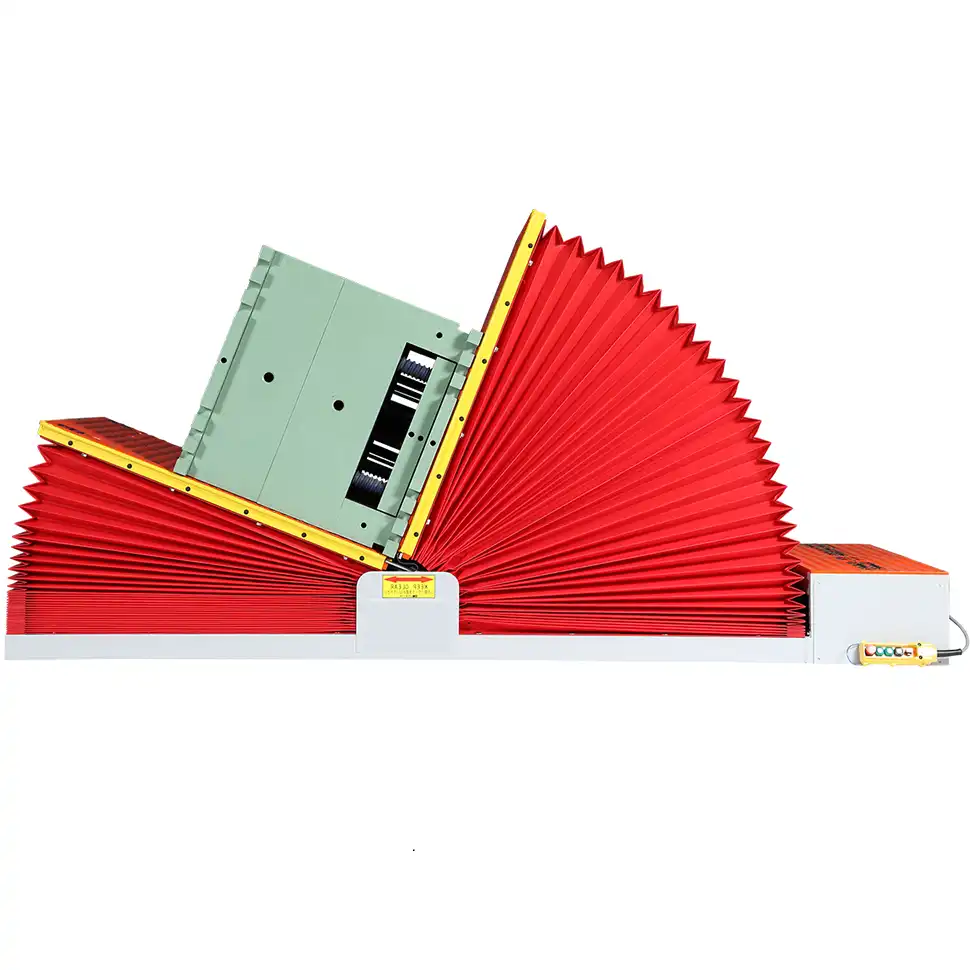
Understanding this technology helps you move from reacting to problems to preventing them. If you want to boost your factory’s output, cut costs, and improve safety, keep reading. We will look at how real-time diagnostics can change how you manage your operations.
How Do Real-Time Diagnostics Stop Production Bottlenecks?
Are your production lines slowing down because of old or unreliable equipment? Many factories still use too much manual labor for things like coil and wire packing. This slows everything down. It hurts your delivery times. This is a common bottleneck that affects overall speed and delivery.
Real-time diagnostics help fix these bottlenecks. They give constant updates on upender performance. This means engineers get alerts when a machine starts to underperform. They can see where slowdowns happen. They can then act quickly to keep the line moving. This prevents small issues from becoming big blocks in your production flow.
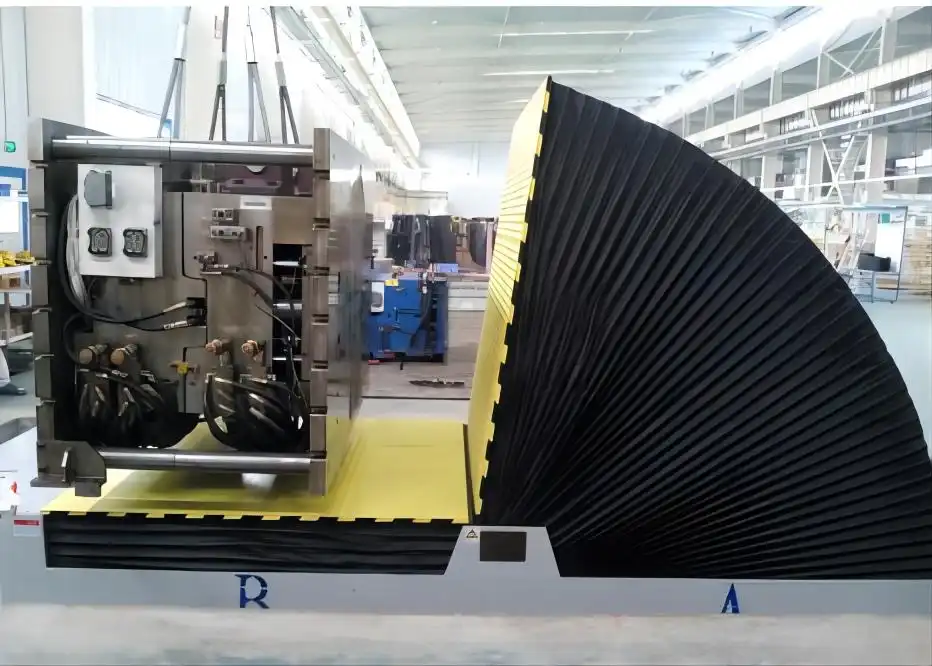
Real-time diagnostics change how factories manage their production. They offer a clear view of machine health. Imagine an upender used for heavy steel coils. Without diagnostics, you only know it has a problem when it stops working. This is reactive. With diagnostics, sensors on the upender collect data. This data includes motor speed, temperature, and vibration levels. This information streams directly to a central system. Engineers can watch these numbers live. If the motor temperature goes up, the system sends an alert. This alert tells the engineer something is wrong. They can check the machine before it breaks. This proactive approach saves a lot of time.
It also helps plan maintenance. You know which parts might fail soon. This means you can replace them during scheduled breaks. You do not wait for an unexpected breakdown. This keeps your production line running without surprises. For companies dealing with heavy materials, like the metal processing plant Michael Chen manages, every minute of uptime is important. Downtime means lost money. Real-time diagnostics help predict and prevent these losses. This system allows for better resource use. You can assign maintenance teams where they are most needed. This makes your whole operation more efficient. It directly tackles the problem of slow, inefficient manual processes. It moves you towards a much faster, more automated system. This helps boost output and delivery speed.
Real-time Data Improves Production Flow
- Spotting Issues Early: Sensors detect small changes. These changes are often signs of bigger problems coming.
- Predictive Maintenance: Data helps predict when parts need service. You fix things before they break.
- Optimized Schedules: Maintenance happens at the best time. It does not disrupt production.
- Reduced Downtime: Machines stay running longer. Your output stays high.
This table shows how real-time diagnostics help production flow:
| Feature | Old Method (Reactive) | New Method (Proactive with Diagnostics) | Benefit |
|---|---|---|---|
| Problem Detection | After failure | Early warning from sensors | Prevents major breakdowns |
| Maintenance Type | Emergency repairs | Scheduled, predictive | Minimizes unexpected downtime |
| Production Impact | Sudden stops, long delays | Continuous, planned interruptions | Consistent output, reliable delivery |
| Resource Allocation | Unplanned, rushed | Optimized, efficient | Better use of labor and parts |
Can Real-Time Data Make Factories Safer?
Handling heavy objects manually in a factory is very risky. Workers often lift or move heavy coils or molds. This can lead to serious injuries. These injuries increase insurance costs. They also cause employees to leave. It creates a very unsafe work environment.
Real-time data from upenders makes factories much safer. It helps reduce manual handling. It monitors machine status, like load weight and balance. This prevents overloading. It also warns of potential mechanical failures. This protects workers from dangerous situations. This shift from manual work to automated, monitored processes greatly improves worker safety.
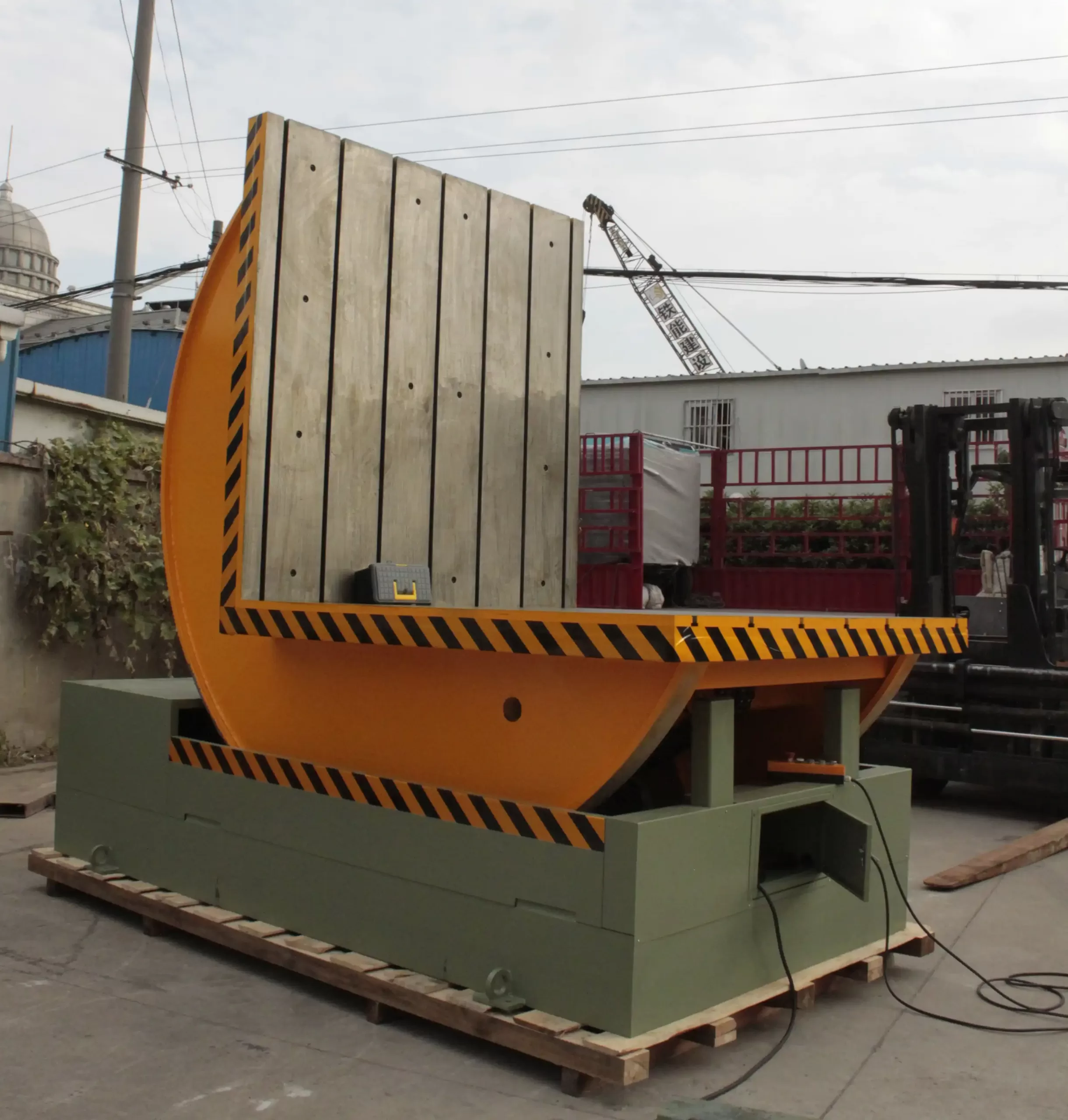
Safety is a top concern for any factory manager, especially for someone like Michael Chen. He knows the high risks involved in moving heavy materials. Real-time data changes the safety landscape in several ways. First, it reduces the need for human intervention in dangerous tasks. Upenders with diagnostics can be monitored remotely. This means fewer workers need to be near the heavy machinery when it is operating. This lowers the chance of accidents. For example, if an upender is tilting a 20-ton steel coil, manual checks are risky. With sensors providing real-time data on the tilt angle, speed, and motor load, operators can ensure safe operation from a distance.
Second, the system can detect unusual conditions that might lead to an accident. Maybe a bearing is overheating. Or a hydraulic pressure is too low. These issues could cause the machine to fail suddenly. This could lead to a heavy object falling. Real-time alerts warn operators immediately. They can shut down the machine safely before an accident happens. This is a huge step up from simply hoping nothing goes wrong. My own experience building packing machine factories showed me the importance of robust safety protocols. We always focused on designing machines that minimized human risk. Real-time diagnostics take this a step further by adding an intelligent layer of protection. This helps avoid work injuries. It makes the workplace safer for everyone. This also reduces insurance costs. It helps retain skilled workers by showing a commitment to their well-being.
Data-Driven Safety Improvements
- Reduced Manual Handling: Machines do the heavy lifting. This keeps workers safe.
- Early Anomaly Detection: Sensors warn of unsafe conditions. This prevents failures.
- Remote Monitoring: Operators can oversee operations from a safe distance.
- Safer Work Environment: Fewer accidents, lower injury rates.
This table shows how real-time data helps improve factory safety:
| Aspect | Before Real-Time Data | With Real-Time Data | Safety Benefit |
|---|---|---|---|
| Heavy Material Handling | High manual intervention, risky | Automated, monitored, less human contact | Significantly reduced injury risk |
| Equipment Failure Risk | Unexpected, high potential for harm | Predicted, controlled shutdown | Prevents catastrophic failures, protects staff |
| Operator Proximity | Often close to moving parts | Remote monitoring possible | Increased distance from hazards |
| Injury Rate | Higher due to manual tasks | Lower due to automation and alerts | Safer workplace, lower insurance costs |
How Does Predictive Maintenance Save Money and Prevent Product Damage?
Damaged products mean lost money. When steel coils or wires get damaged during movement or packing, it leads to customer complaints. This hurts your profits. Many factories also spend too much on emergency repairs. They replace parts too early or too late. This is not efficient.
Predictive maintenance, powered by real-time diagnostics, tackles these issues head-on. It helps reduce product damage by ensuring machines run smoothly. It prevents costly breakdowns. This system uses data to predict when an upender needs service. This means less unplanned downtime. It also means you use parts more effectively. This directly lowers operational costs and saves you money.
My experience in the packing machine industry taught me that every penny counts. Michael Chen, as a factory manager, lives this truth every day. Product damage during internal transfer and packing is a silent killer of profits. Think about a steel coil. If its edges get bent or scraped during an upender operation, it might be rejected by the client. This leads to returns, rework, or even disposal. This is a direct loss. Real-time diagnostics help prevent this by making sure the upender runs within optimal parameters. If a motor is vibrating too much, it could cause uneven movement. This uneven movement can lead to product damage. Diagnostics will flag this immediately. This allows for adjustments or maintenance before any product is harmed.
Beyond preventing damage, predictive maintenance saves a lot of money on operational costs. Traditional maintenance is either reactive (fix when broken) or time-based (replace every X months). Reactive maintenance causes expensive emergency repairs and long downtimes. Time-based maintenance often replaces good parts too early. This wastes money. Predictive maintenance uses real data to decide when a part truly needs replacement. It extends the life of components. It reduces the need for large spare parts inventory. This is because you order parts only when needed. For instance, if an upender’s hydraulic pump shows declining pressure over weeks, diagnostics alert you. You can order a new pump and schedule its replacement. You do this before the old one fails completely. This avoids urgent, expensive shipping costs for parts. It also avoids stopping the entire production line. This clear return on investment (ROI) is what factory managers like Michael need to see. It is about working smarter, not just harder.
Cost Savings Through Smarter Maintenance
- Minimized Product Damage: Consistent machine operation reduces defects.
- Optimal Part Usage: Replace parts based on actual wear, not just time.
- Reduced Emergency Repairs: Fewer unexpected breakdowns mean lower repair costs.
- Lower Inventory Costs: Order parts only when the data says you need them.
This table illustrates the financial benefits of predictive maintenance:
| Cost Area | Traditional Maintenance (High Costs) | Predictive Maintenance (Cost Savings) | Financial Benefit |
|---|---|---|---|
| Product Damage | Frequent due to erratic machine performance | Minimized due to stable operation | Reduced scrap, fewer customer complaints |
| Spare Parts Inventory | Large, often unnecessary stock | Lean, only what is needed | Lower capital tied up in inventory |
| Maintenance Labor | Overtime for emergency fixes | Planned work, efficient scheduling | Reduced labor costs, better productivity |
| Downtime Costs | High due to unexpected stops | Low due to planned, short interruptions | Maximized output, consistent revenue |
My Insights!
Finding the right equipment supplier is hard. Many companies only want to sell you a machine. They forget about you after the sale. This leaves factory managers, like Michael, feeling unsure. They have faced bad after-sales service before. This makes them careful when choosing new partners.
I believe a good equipment partner does more than just sell machines. They offer deep understanding and support. This means providing solutions that really solve your factory’s problems. It is about building trust through expert guidance. My own journey from an engineer to a factory owner taught me this. I want to help others succeed. This includes offering strong after-sales support and expertise.
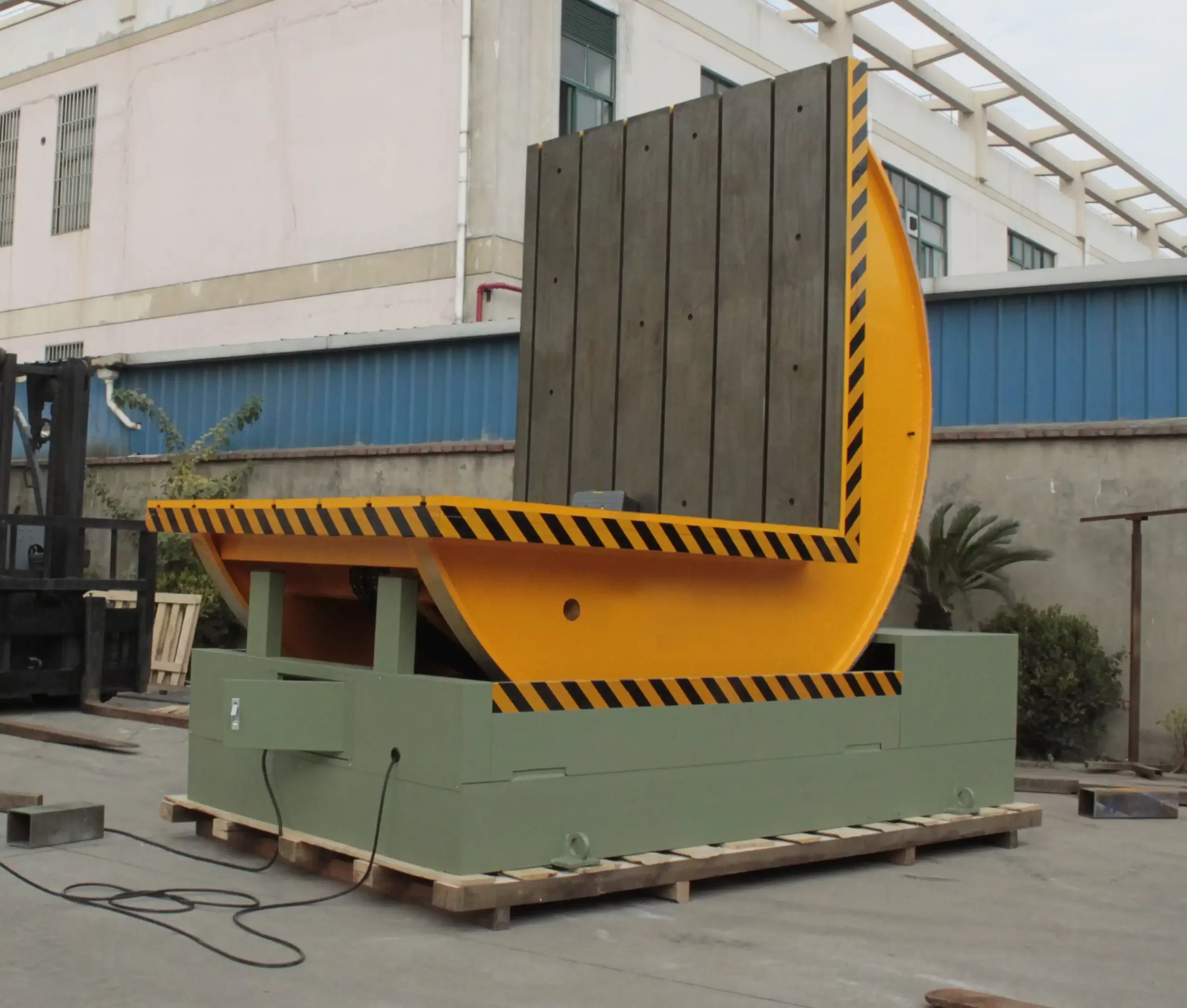
From my time as a packing machine engineer and later as a factory owner, I learned that a machine is only as good as the support behind it. Michael Chen’s concern about vendor trust is something I understand well. When I started FHOPEPACK, my goal was always to share knowledge and provide real solutions. It was not just about moving boxes. A trusted partner offers expertise. They understand your production bottlenecks. They know your safety worries. They get your efficiency challenges. They do not just push a product. They listen. Then, they provide insights and reliable solutions that fit your specific needs.
This includes helping you pick the right upender. It also means guiding you on how to best use real-time diagnostics. A true partner helps you interpret the data. They help you train your team. They are there when you need service. This long-term relationship is valuable. It ensures your investment truly drives growth. My success in helping clients grow their businesses came from this approach. I built trust by delivering results. I shared my knowledge. I want FHOPEPACK to be that reliable partner for you. We aim to offer more than just machinery. We offer the experience of building and running successful operations. We help you make choices that have a clear return on investment. This partnership approach is vital for any factory looking to automate and grow. It brings peace of mind and real business benefits.
Building Trust with Your Equipment Provider
- Beyond Sales: A good partner offers ongoing support and understanding.
- Expert Guidance: They help you use technology like diagnostics effectively.
- Problem-Solving Focus: Solutions target your specific factory challenges.
- Long-Term Relationship: They are invested in your success, not just a single sale.
This table highlights the difference a true partner makes:
| Aspect | Sales-Only Vendor | Trusted Partner (FHOPEPACK) | Impact on Factory Manager |
|---|---|---|---|
| Product Focus | Just the machine | Machine plus solutions and insights | Solves core problems, not just symptoms |
| After-Sales Support | Often minimal or non-existent | Comprehensive, ongoing technical help | Reduces operational stress, ensures uptime |
| Relationship Goal | Single transaction | Long-term growth, mutual success | Builds confidence, provides peace of mind |
| Understanding Needs | Generic | Deep dive into specific factory issues | Tailored solutions, better ROI |
Conclusion
Real-time diagnostics empower engineers, improve safety, and cut costs in factories. Partnering with experts like FHOPEPACK ensures your investment delivers real results and helps your business grow.








