
How Do Preventive Maintenance Strategies Maximize Mold Tilter Lifespan in Canada?
Are you a factory manager always under pressure? Do you worry about machine downtime, production bottlenecks, and unexpected costs? Many plant operations, especially those dealing with heavy materials like steel coils or molds, rely on critical equipment. When a key machine like a mold tilter breaks down, it stops everything. This can lead to huge losses, unhappy customers, and a lot of stress for you and your team.
Preventive maintenance is a planned approach to keeping your machines running well. It means doing regular checks, servicing, and part replacements before a breakdown happens. For a mold tilter, this strategy makes sure the machine lasts longer. It helps avoid sudden stops in production. It also keeps your workers safer. In places like Canada, where industrial operations are large and demanding, maximizing equipment lifespan through smart maintenance is not just good practice. It is essential for staying competitive and profitable.
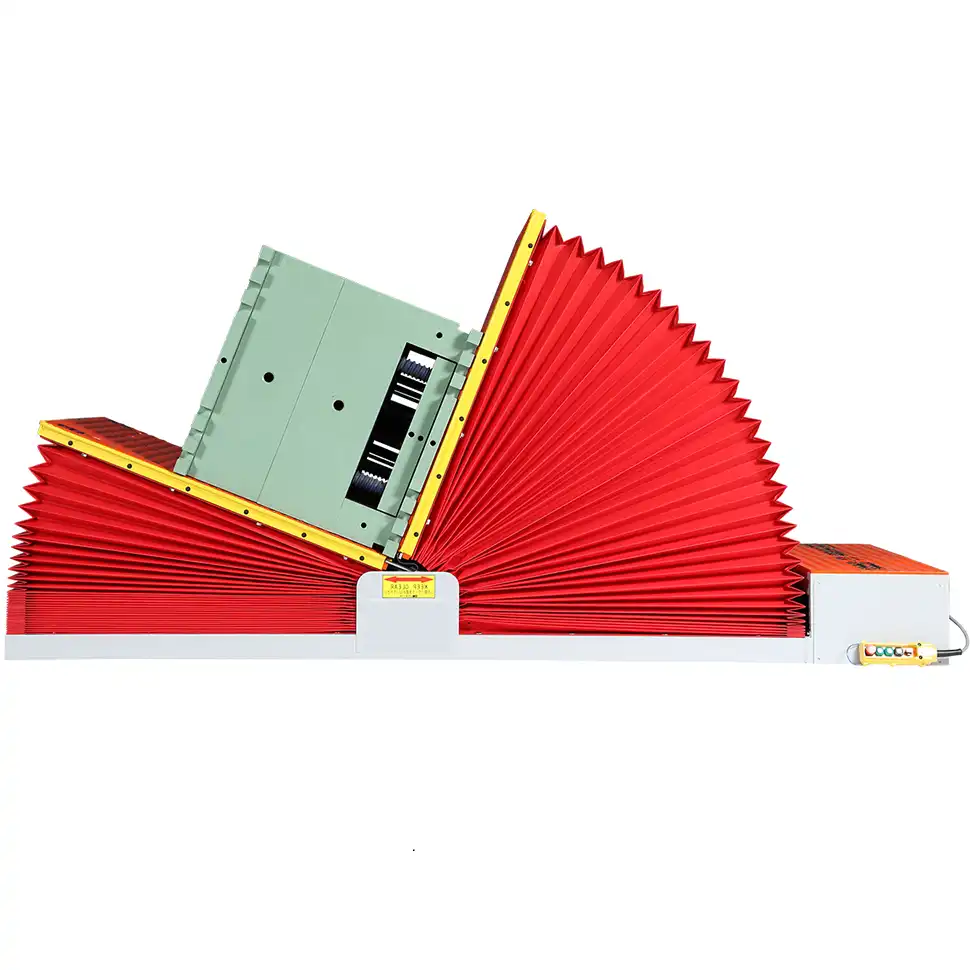
As someone who started on the factory floor and then built a successful packing machine business, I have seen it all. I understand the daily challenges factory managers face. I know how important reliable equipment is. This article will show you how to protect your investment in mold tilters. We will look at practical steps to keep them working at their best for many years.
What is Preventive Maintenance and Why Does It Matter for Mold Tilters?
Does the idea of a machine breaking down in the middle of a shift make you anxious? Are you tired of unexpected repair bills and lost production time? Imagine a scenario where your crucial mold tilter suddenly stops working. This is a common problem in busy factories. It causes chaos. It costs a lot of money in lost production and urgent repairs.
Preventive maintenance means doing regular checks and repairs on equipment to stop problems before they start. It is not waiting for something to break. It is fixing things before they fail. For mold tilters, which handle heavy molds and materials, this approach is very important. Mold tilters face high stress daily. They move heavy loads. They operate in tough factory conditions.
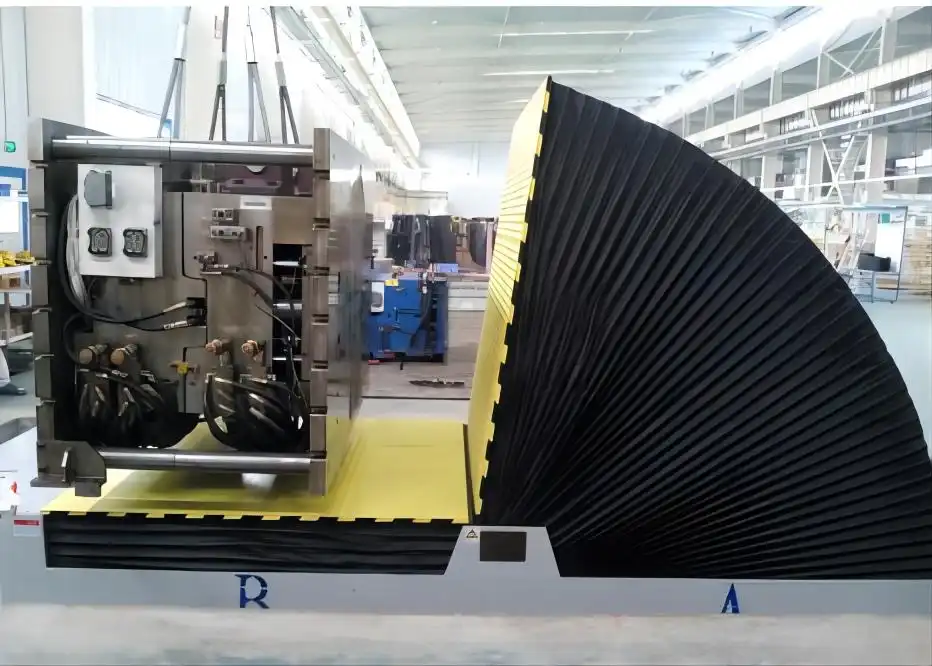
The Core Idea of Preventive Maintenance and Its Value for Mold Tilters
Preventive maintenance is about being proactive, not reactive. It involves a planned schedule of inspections, cleaning, lubrication, adjustments, and part replacements. This is different from reactive maintenance, where you only fix something after it breaks. For mold tilters, a breakdown can be very costly. A mold tilter is a critical piece of equipment. It turns heavy molds or coils safely and efficiently. If it stops, production lines can halt. This affects delivery times and customer satisfaction.
My own journey in the packing machine industry taught me this. I saw how a single machine failure could ripple through an entire operation. Early on, I learned that investing in good maintenance pays off. It saves money in the long run. It also keeps workers safe. For a mold tilter, regular lubrication of moving parts prevents wear. Checking hydraulic systems for leaks stops major failures. Tightening bolts avoids wobbles and ensures stability. These small steps add up. They prevent bigger, more expensive problems. They also keep the machine running smoothly and safely.
A mold tilter helps improve safety. It reduces the need for workers to manually handle heavy objects. This lowers the risk of injuries. But if the tilter itself is not well maintained, it can become a safety hazard. A well-maintained mold tilter ensures that its safety features, like interlocks and emergency stops, work correctly. This protects your valuable employees. This is especially true in Canada’s diverse industrial landscape, where worker safety is a top priority. Companies must meet strict safety standards. Good maintenance helps meet these standards.
Here is a simple look at the benefits of preventive maintenance for mold tilters:
| Benefit Category | Specific Advantage | Impact on Factory Operations |
|---|---|---|
| Increased Lifespan | Extends the operational life of the equipment. | Delays the need for costly new equipment purchases. |
| Reduced Downtime | Minimizes unexpected breakdowns and production stops. | Keeps production lines running, meeting delivery schedules. |
| Enhanced Safety | Ensures all safety features work correctly. | Protects workers from accidents, reduces injury claims. |
| Cost Savings | Lowers repair costs and energy use. | Boosts profitability by cutting expenses. |
| Improved Efficiency | Maintains optimal operating performance. | Maximizes output and quality, reduces product damage. |
| Greater Reliability | Ensures consistent, dependable machine operation. | Builds trust with customers through on-time deliveries. |
By focusing on preventive maintenance, you change from always putting out fires to always building a stronger, more reliable operation. This is what helps businesses grow. It is what helped me grow FHOPEPACK. It is what can help your factory too.
What Are Key Preventive Maintenance Strategies for Mold Tilters?
Are your current maintenance routines mostly about fixing things after they break? Do you struggle with an unpredictable maintenance budget? Many factories operate this way, and I know the pain it causes. It leads to lost production and higher costs. It also makes it hard to plan.
Effective preventive maintenance is not just about doing checks. It involves smart planning and using specific strategies. For mold tilters, this means a mix of daily checks, scheduled inspections, and using manufacturer guidelines. These steps work together to keep the machine in top condition. They also help extend its working life.
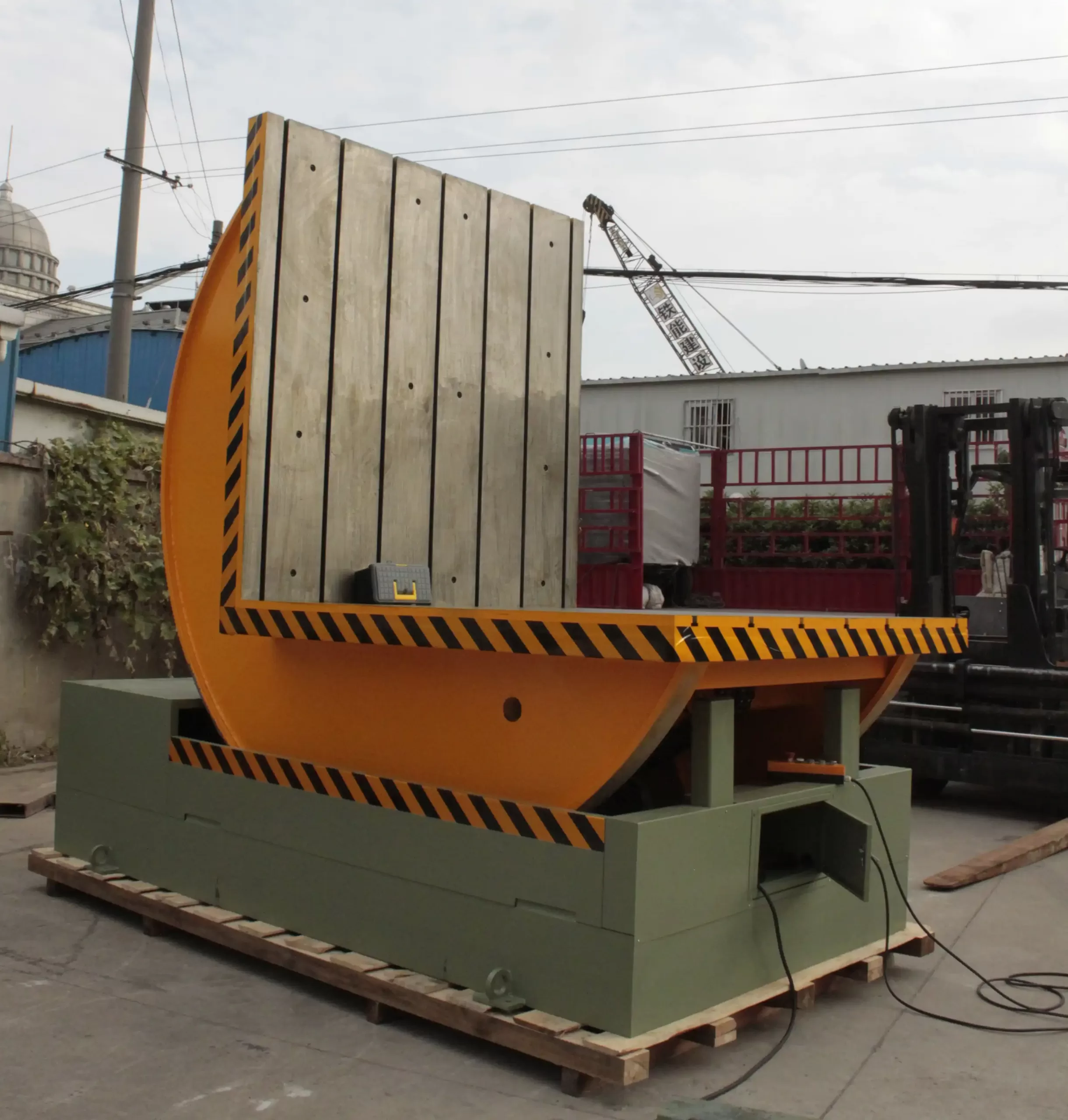
Developing a Robust Preventive Maintenance Plan for Your Mold Tilter
Creating a strong preventive maintenance plan for your mold tilter involves several key steps. First, you need to understand the machine well. Read the manufacturer’s manual. It provides critical information on lubrication points, inspection intervals, and specific parts that wear out. As an engineer and factory owner, I always stressed the importance of following the manual. It contains the best advice from the people who designed the machine. Ignoring it is asking for trouble.
Second, set up a clear schedule for maintenance tasks. This schedule should include daily, weekly, monthly, quarterly, and annual checks. Daily checks might involve looking for obvious leaks or strange noises. Weekly checks could be about lubricating key joints. Monthly checks might involve a deeper look at hydraulic fluid levels. Annual checks would include more thorough inspections of structural integrity and major components. This systematic approach ensures nothing is missed. It also helps spread the workload for your maintenance team.
Third, invest in the right tools and training for your maintenance staff. Your team needs to know what to look for and how to perform tasks correctly. Proper training prevents costly mistakes. It also ensures safety during maintenance. For example, knowing how to safely release hydraulic pressure before working on a system is critical. When I ran my factory, I made sure my team had the best training. This paid off through fewer breakdowns and a safer workplace. The value of skilled workers cannot be overstated.
Here are some core components of an effective mold tilter maintenance plan:
- Lubrication: This is perhaps the most basic but vital step. All moving parts, bearings, and pivot points need regular lubrication. Using the right type of lubricant at the right frequency reduces friction and wear. This directly extends the life of mechanical components. Check for grease fittings and oil reservoirs regularly.
- Hydraulic System Checks: Mold tilters use hydraulic power to lift and rotate heavy loads. Regularly check hydraulic fluid levels. Look for leaks around hoses, fittings, and cylinders. Inspect hoses for cracks or signs of wear. Change hydraulic filters as recommended by the manufacturer to keep the fluid clean. Clean fluid prevents damage to pumps and valves.
- Electrical System Inspection: Check all electrical connections for looseness or corrosion. Inspect wiring for frayed insulation. Test limit switches and safety interlocks. These components are essential for the safe and correct operation of the tilter. Any fault here can lead to unexpected shutdowns or dangerous situations.
- Structural Integrity: Look for cracks in the frame, welds, or base. Inspect bolts and fasteners for tightness. Vibration from heavy loads can loosen connections over time. A loose structure can lead to misalignment and excessive wear on moving parts. In a factory environment, especially where heavy equipment operates constantly, structural soundness is paramount.
- Safety Features: Regularly test emergency stop buttons, warning lights, and alarms. Ensure all guards and safety barriers are in place and undamaged. These features are your last line of defense against accidents. Their proper function is non-negotiable.
Implementing these strategies is not just about keeping a machine running. It is about building a culture of reliability and safety in your factory. This approach helps reduce product damage during handling. It also addresses the safety concerns of workers dealing with heavy, awkward loads. By embracing these strategies, you build a foundation for long-term success.
How Can Technology and Training Boost Mold Tilter Longevity?
Are your maintenance decisions based on guesswork, or are they data-driven? Do your maintenance staff have the most up-to-date skills to manage modern equipment? In today’s fast-paced industrial world, relying on old ways can hold you back. It can mean more breakdowns and shorter machine lifespans.
Using new technology and giving proper training to your team can change how you manage your mold tilters. Technology, like condition monitoring, gives you real-time data. It tells you when a machine needs attention, not just guessing. Training makes sure your staff knows how to use these tools and fix problems effectively. Together, they create a powerful system to make your mold tilters last longer.
Leveraging Modern Tools and Skilled Personnel for Extended Mold Tilter Life
The industrial world is always changing. New technologies offer powerful ways to manage equipment more effectively. For mold tilters, two areas stand out: condition monitoring and advanced training. Condition monitoring involves using sensors to collect data on a machine’s performance. This data can include vibration levels, temperature, pressure, and fluid analysis. By tracking these metrics over time, you can spot small issues before they become big problems. For example, an increase in vibration might mean a bearing is failing. A sudden temperature spike could signal an issue with the hydraulic pump. This proactive approach saves time and money. It also extends the tilter’s life by preventing catastrophic failures.
When I started FHOPEPACK, I knew the importance of using smart tools. We built our machines to be robust. But I also knew that the right maintenance approach, supported by data, was key for our clients. Imagine you have a mold tilter that is critical to your coil packing line. With condition monitoring, you can predict when a component needs replacement. This means you can schedule maintenance during planned downtime. You avoid unexpected stops. This is a game-changer for factory efficiency.
Parallel to technology, investing in your people is crucial. Your maintenance technicians are on the front lines. They need to understand complex machinery. They also need to know how to use diagnostic tools. Regular training programs keep their skills sharp. They also introduce them to new maintenance techniques. This includes training on new software for condition monitoring systems. It also includes updated safety protocols. A well-trained technician can identify subtle signs of wear. They can perform precise repairs. They can also optimize machine settings for better performance and longer life.
Consider the benefits of combining technology and training:
| Aspect | Technology’s Role | Training’s Role | Synergy for Longevity |
|---|---|---|---|
| Problem Detection | Sensors detect early signs of wear or malfunction. | Technicians interpret data and perform visual inspections. | Early and accurate problem identification. |
| Maintenance Timing | Predictive analytics suggest optimal maintenance windows. | Technicians execute tasks precisely and efficiently. | Proactive, planned maintenance, not reactive fixes. |
| Safety | Alarms and automated shutdowns prevent accidents. | Workers understand safety protocols and machine limits. | Reduced risk of injury and equipment damage. |
| Efficiency | Optimizes machine performance through data insights. | Technicians can troubleshoot and make precise adjustments. | Improved uptime and output, less energy waste. |
| Cost Savings | Prevents expensive major breakdowns and emergency repairs. | Skilled repairs prevent repeat issues and extend part life. | Lower overall operational and repair costs. |
In Canada’s industrial landscape, where precision and safety are highly valued, these strategies are even more important. Companies that adopt these methods show a commitment to long-term operational excellence. They also build a safer, more productive workplace. By combining smart technology with skilled workers, you give your mold tilters the best chance to last. This ensures they provide reliable service for many years. It is an investment that truly pays off.
What Are the ROI Benefits of Investing in Mold Tilter Maintenance?
Does every investment in your factory have to fight for its place on the budget sheet? Are you looking for clear proof that spending money on maintenance actually saves money? Many factory managers face pressure to cut costs. It can be hard to justify expenses that do not immediately add to production.
However, preventive maintenance for your mold tilter is not just an expense. It is a smart investment. It delivers a clear return on investment (ROI). It saves money in many ways, both big and small. By preventing major breakdowns and extending machine life, it helps your factory achieve higher profits.
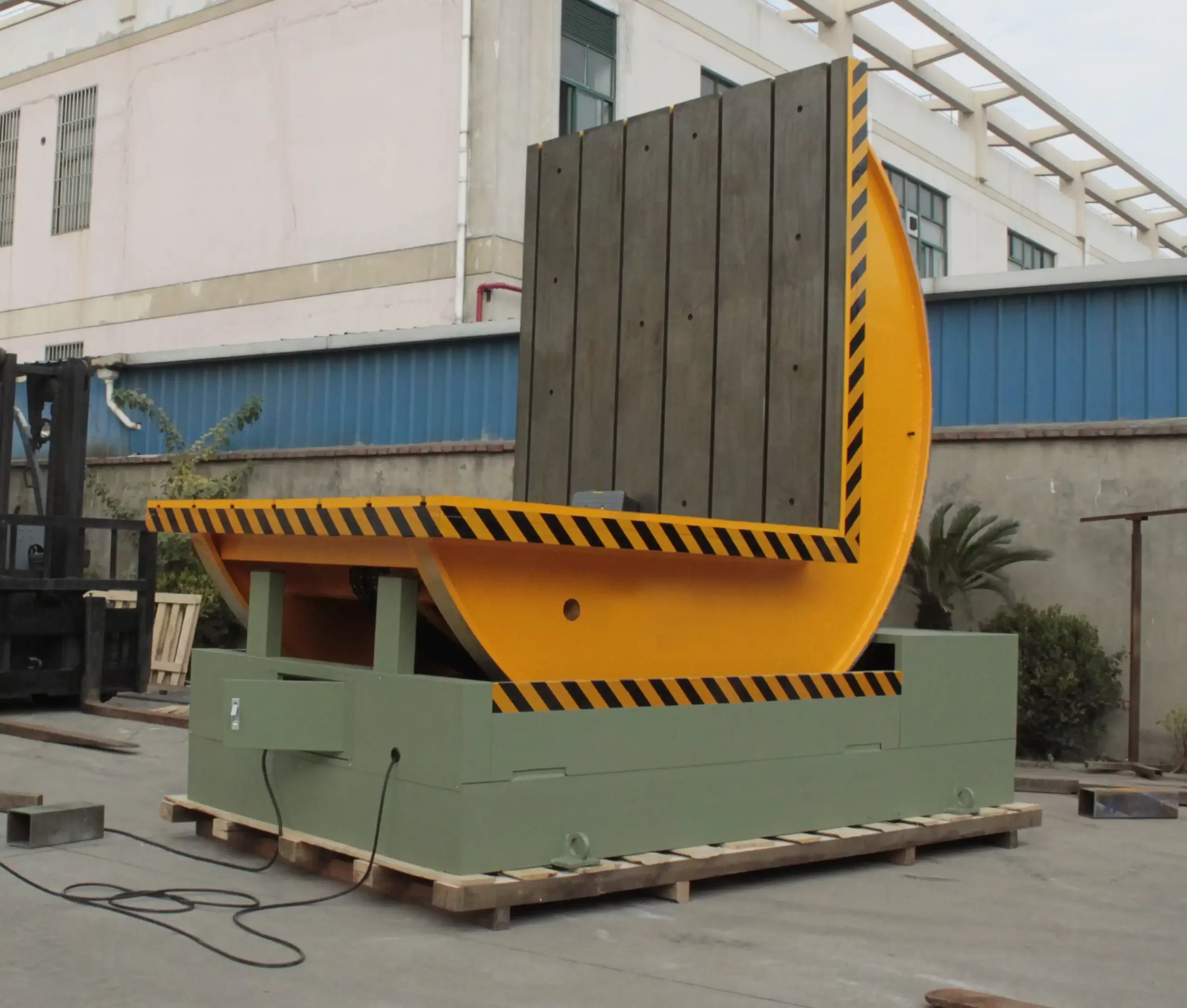
The Tangible Returns from Prioritizing Mold Tilter Upkeep
The financial benefits of a robust preventive maintenance program for mold tilters are significant and measurable. When I was building my own packing machine factory, every dollar counted. I quickly learned that skipping maintenance was a false economy. It led to bigger, more expensive problems down the road. The return on investment for proactive maintenance is clear.
First, you drastically reduce unexpected downtime. Every minute a production line is stopped, you lose money. This lost revenue from halted production is a major cost. Emergency repairs are also more expensive than planned maintenance. They often require overtime pay for technicians and rush shipping for parts. By avoiding these, you save directly on operational costs. For a factory handling steel coils or other heavy products, a mold tilter is central to the workflow. Its continuous operation is crucial.
Second, preventive maintenance extends the lifespan of your mold tilter. Equipment replacement is a huge capital expense. By making your current machine last longer, you delay this large cost. This allows you to allocate capital to other growth areas. It also means you get more value from your initial investment. Think about a mold tilter that lasts 15 years instead of 10. That extra five years of service, without a major purchase, adds significant value to your bottom line.
Third, improved safety leads to lower costs. Manual handling of heavy molds or materials carries high injury risks. Mold tilters reduce this risk significantly. But if the tilter itself is not maintained, it can become unsafe. A reliable, well-maintained tilter means fewer workplace accidents. Fewer accidents mean lower insurance premiums. It also means less employee turnover due to injuries. This directly impacts your operating costs and improves employee morale.
Fourth, maintenance helps reduce product damage. During the internal transfer and packing process, products like steel coil edges can get damaged. This leads to customer complaints and lost profits. A smooth-running mold tilter operates precisely. It reduces the chances of mishandling and damage. This directly protects your product quality and your reputation.
Here is a look at how preventive maintenance impacts your finances:
| Financial Impact Area | How Preventive Maintenance Helps |
|---|---|
| Operational Costs | Reduces emergency repairs, overtime pay, and rush part orders. |
| Capital Expenditure | Extends equipment lifespan, delaying costly new machine purchases. |
| Insurance & Safety | Lowers accident rates, leading to reduced insurance premiums and claims. |
| Product Quality | Minimizes product damage during handling, reducing scrap and reworks. |
| Revenue Generation | Increases uptime, allowing for consistent production and delivery. |
| Energy Consumption | Well-maintained machines run more efficiently, using less power. |
For factory managers like Michael Chen, who need clear ROI and reliable solutions, preventive maintenance is the answer. It is not just about keeping machines running. It is about making your entire operation more efficient, safer, and more profitable. It is about building a business that lasts.
What Are My Insights on Maximizing Your Mold Tilter’s Life?
Are you wondering how to make the most of your mold tilter investment? Do you seek guidance from someone who has been where you are, from the factory floor to leading a successful business? I have walked that path. I know the challenges and the opportunities in the packing machine industry.
My insights come from years of hands-on experience and building a business from the ground up. I have seen what works and what does not. Maximizing your mold tilter’s life goes beyond just following a checklist. It involves a strategic mindset. It is about choosing the right partners. It is about constantly learning.
Randal Liu’s Perspective on Achieving Mold Tilter Longevity
My journey from a packing machine engineer to founding FHOPEPACK has given me a unique perspective. I have seen how factories operate. I have seen the pressures managers face. I know the value of reliable machinery. My biggest insight into maximizing mold tilter lifespan is this: treat your equipment as a long-term asset, not just a tool. This means investing in its care as much as you invested in its purchase.
One key insight is the importance of supplier partnership. Many equipment suppliers focus only on sales. They do not care enough about after-sales service. I have been there as a buyer. It is frustrating. When you look for a mold tilter, find a supplier who truly understands your operations. They should be able to offer expert advice and ongoing support. This is why I founded FHOPEPACK. I wanted to share knowledge. I wanted to help clients grow their businesses by giving them reliable solutions and real expertise. A good supplier offers not just a machine, but a partnership. They help you with installation, training, and ongoing maintenance advice. They are there when you need them.
Another insight is the power of proactive problem-solving. Do not wait for a loud noise or a breakdown. Listen to your machines. Train your operators to report even small changes in performance. A slight vibration or an unusual smell can be an early warning sign. Addressing these small issues quickly prevents them from becoming major failures. This mindset saves time and money. It also builds a culture of vigilance and responsibility among your team.
Consider the role of customization and adaptability. Factories are unique. What works for one might not work for another. When choosing a mold tilter, think about your specific needs. What kind of molds do you handle? What are your safety regulations? Can the machine be adapted to future production changes? A well-designed, adaptable machine that fits your specific workflow will perform better and last longer because it is not being forced into a role it was not built for. For example, if you are in Canada, consider the specific environmental conditions your equipment might face. Does it need special rust protection or cold-weather considerations?
Finally, continuous improvement is key. The industrial world is always moving forward. New technologies, new materials, and new maintenance techniques emerge. Stay informed. Read industry blogs. Attend webinars. Talk to other factory managers. This commitment to learning will help you find better ways to maintain your equipment. It also helps you optimize your operations. My success in achieving financial independence came from this constant drive to learn and improve. I believe this approach can help you succeed too.
In summary, maximizing your mold tilter’s lifespan is a blend of:
- Strategic Investment: See maintenance as a profit driver, not a cost.
- Choosing the Right Partner: Work with suppliers who offer expertise and support.
- Vigilant Proactivity: Address small issues before they become big ones.
- Customization: Ensure the machine fits your specific needs.
- Continuous Learning: Stay updated on best practices and new technologies.
By following these principles, your mold tilter will not just last longer. It will perform better, contribute more to your bottom line, and help ensure the safety of your valuable workforce. This is how you build a resilient and successful factory.
Conclusion
Preventive maintenance for mold tilters is an essential investment. It extends lifespan, boosts safety, and cuts costs. This proactive approach ensures your factory runs smoothly and profitably for years to come.








