
How Do Preventive Maintenance Protocols Maximize Upender Lifespan in Romania?
Your upender is a workhorse. It flips heavy coils and bundles all day. But what happens when it breaks down? Production stops. Workers stand idle. You lose money. This is a common problem in busy factories, especially in places like Romania where industrial output is high. The pressure to keep things moving is intense.
Preventive maintenance protocols directly extend an upender’s lifespan by catching small issues before they become big, expensive failures. Regular inspections, timely lubrication, and consistent part replacement prevent wear and tear. This keeps the machine running smoothly and efficiently for many years. It makes sure your upender stays reliable, reducing unexpected downtime and costly repairs.
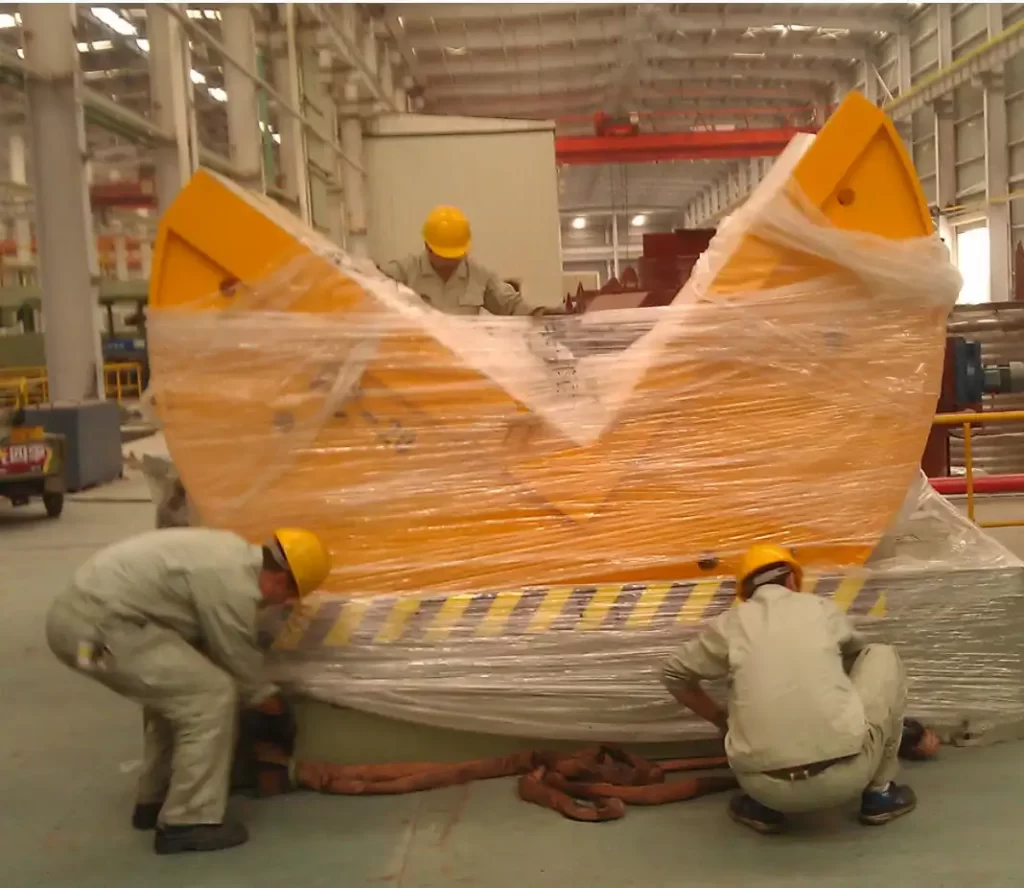
You might be wondering if it is worth the effort. You might ask yourself if the investment in maintenance really pays off. Let us look deeper into why a proactive approach to upender care is not just good practice but a smart business decision, especially in demanding industrial settings.
Why is Preventive Maintenance Crucial for Upenders in Romania?
Are your production targets always at risk? Do you worry about equipment breakdowns? Many factory managers in Romania face these exact problems. They deal with constant pressure to increase output while keeping costs low. An upender failure can stop an entire production line, causing significant financial losses.
Preventive maintenance is crucial for upenders in Romania because it keeps your operations running without interruption. Factories there often handle heavy materials like steel coils and wire. These materials put immense stress on machinery. Regular maintenance prevents unexpected shutdowns, which are expensive. It helps keep workers safe by ensuring equipment is always in good working order.

Upenders are essential machines in metal processing plants, logistics centers, and heavy manufacturing. These environments are tough. The machines work under high loads and often in dusty conditions. Without regular care, parts wear out fast. This leads to reduced efficiency and a shorter machine life. In Romania, businesses need their equipment to be highly dependable. They cannot afford delays. Every hour of downtime means lost revenue and missed deadlines. For a factory manager like Michael, who has to oversee everything from raw materials to finished goods, equipment reliability is paramount. He needs machines that can handle intense, demanding work. He needs to know his upenders will perform day after day. Preventive maintenance directly addresses these needs. It helps prevent product damage that can occur during handling by faulty equipment. It also lowers the risk of accidents from poorly maintained machines. This saves money on insurance and keeps employee morale high. The cost of preventing a problem is always lower than fixing it. I have seen this many times in my own factory and with my clients. A small investment in maintenance today saves a huge cost tomorrow. This applies whether you are running a small workshop or a large steel mill. It is about protecting your investment and ensuring smooth operations. Companies in Romania need this type of protection to stay competitive.
The Cost of Downtime
When an upender breaks down, production stops. This means:
- Lost Revenue: No products are made, so no products are sold.
- Idle Labor: Workers are paid but cannot work.
- Missed Deadlines: This can damage customer relationships.
Safety and Compliance
A broken upender is dangerous. Preventive maintenance ensures:
- Worker Safety: Fewer accidents happen when machines are well-maintained.
- Regulatory Compliance: Factories must follow safety rules. Good maintenance helps meet these rules.
Extending Equipment Life
Upenders are big investments. Preventive maintenance helps:
- Delay Replacement: Your upender lasts longer, delaying the need to buy a new one.
- Maintain Value: Well-kept machines hold their value better.
What Key Components Need Regular Attention in Upender Maintenance?
Are you unsure where to start with your upender maintenance schedule? Do you worry about missing a critical check? Many people feel this way. It is easy to overlook small details that can lead to big problems later.
Key components of an upender need regular attention in maintenance to ensure the machine runs well and lasts long. These parts include the hydraulic system, electrical controls, mechanical structure, and safety features. Checking these areas often prevents breakdowns and keeps workers safe. Each part plays a vital role in the upender’s operation.

Every upender, no matter its size or model, has specific parts that work hard. These parts wear out over time. If you do not check them, they will fail. The hydraulic system is the upender’s heart. It uses fluid pressure to lift and tilt heavy loads. You must check the hydraulic fluid level and quality often. Dirty or low fluid can damage the pump and cylinders. Leaks in hoses or seals reduce pressure and make the upender weak. Electrical components are the brain. They control movements and safety interlocks. Wires can fray, sensors can get dirty, and contactors can wear out. Faulty wiring can cause the machine to stop or even create a fire hazard. The mechanical structure is the body. This includes the frame, bearings, gears, and chains. These parts bear the weight of the load. They need to be clean and well-lubricated. Loose bolts or worn bearings can cause vibrations and lead to bigger damage. I remember one factory in Romania that had issues with their upender constantly stopping. We found out that a simple, worn-out limit switch in the electrical system was the cause. A small, inexpensive part caused huge production delays. This kind of problem is easy to avoid with regular checks. Safety features are also very important. These include emergency stop buttons, safety fences, and warning lights. You must test them to make sure they work. They protect your workers from serious injury. A good maintenance plan lists all these parts and how often to check them. It is like going to the doctor for a regular check-up. You find small problems before they become big ones.
Hydraulic System Checks
| Component | Check Frequency | Action |
|---|---|---|
| Fluid Level | Daily | Top up if low |
| Fluid Quality | Monthly | Check for contamination; replace if dirty |
| Hoses and Seals | Weekly | Look for leaks, cracks, or bulges |
| Pump | Monthly | Listen for unusual noises |
| Cylinders | Monthly | Check for smooth movement, leaks |
Electrical System Checks
| Component | Check Frequency | Action |
|---|---|---|
| Wiring | Monthly | Look for frayed wires or loose connections |
| Sensors | Monthly | Clean and test for correct operation |
| Limit Switches | Monthly | Test for proper activation and deactivation |
| Motors | Quarterly | Check for overheating, unusual noises |
| Emergency Stops | Daily | Test for immediate machine shutdown |
Mechanical Structure Checks
| Component | Check Frequency | Action |
|---|---|---|
| Frame and Welds | Quarterly | Inspect for cracks or deformation |
| Bearings | Monthly | Check for play; lubricate |
| Gears and Chains | Monthly | Inspect for wear; lubricate; adjust tension |
| Bolts and Fasteners | Weekly | Tighten any loose ones |
How Do Lubrication and Hydraulic System Checks Prevent Upender Failures?
Is your upender making strange noises? Are its movements slow or jerky? These are often signs of problems with lubrication or the hydraulic system. Ignoring them can lead to costly failures.
Proper lubrication and regular hydraulic system checks are critical to preventing upender failures. Lubrication reduces friction between moving parts, stopping them from wearing out too fast. Checking the hydraulic system ensures proper fluid levels and pressure, which means the upender can lift and tilt loads smoothly. Together, these actions keep the machine working efficiently and prevent sudden breakdowns.

Think of an upender like your car. If you do not change the oil, the engine will seize. The same is true for an upender’s moving parts. Lubrication creates a thin layer between metal surfaces. This layer stops them from rubbing directly against each other. When metal rubs on metal, it creates heat and causes parts to wear down very quickly. This leads to friction, which needs more energy to move the upender. More energy means higher electricity bills. It also means parts need replacement sooner. Regular lubrication extends the life of bearings, gears, chains, and other mechanical components. You need to use the right type of grease or oil for each part. The manufacturer’s manual tells you what to use. You also need to apply it at the right frequency. Missing a lubrication point or using the wrong lubricant can be just as bad as not lubricating at all. I have seen upenders that were well-maintained otherwise, but a neglected bearing failed because it was not greased properly. This simple oversight caused significant downtime for the factory.
The hydraulic system is the power source for the upender. It makes the heavy lifting possible. This system relies on hydraulic fluid under pressure. The fluid transfers power from the pump to the cylinders, which then move the upender. If the fluid level is low, the pump works harder and can get damaged. If the fluid is dirty, it can clog filters and damage valves or cylinders. Dirty fluid causes wear to seals and internal components. Overheating can also be a problem. When the hydraulic fluid gets too hot, its properties change, and it cannot lubricate or transfer power as well. You need to check for leaks often. A small leak can waste fluid and reduce pressure. It also creates a safety hazard. Regular checks include looking at fluid levels, checking for leaks, and listening for unusual noises from the pump. You also need to replace the hydraulic fluid and filters according to the manufacturer’s schedule. These simple steps keep the hydraulic system healthy. A healthy hydraulic system means a powerful, reliable upender. This prevents the jerky movements or slow operations that can lead to damaged products. It also means fewer safety risks for the operators.
Impact of Lubrication
- Reduces Friction: Stops metal parts from grinding together.
- Lowers Heat: Less friction means less heat buildup.
- Prevents Wear: Parts last much longer.
- Saves Energy: Less friction means the machine uses less power.
- Reduces Noise: Well-lubricated parts run more quietly.
Importance of Hydraulic System Checks
- Ensures Power: Correct fluid levels mean enough power for lifting.
- Prevents Component Damage: Clean fluid protects pumps, valves, and cylinders.
- Maintains Efficiency: Proper pressure means smooth, fast operation.
- Avoids Leaks: Prevents fluid loss, which can cause pressure drops and hazards.
- Detects Overheating: Helps prevent fluid degradation and system damage.
My Insights on Upender Maintenance: What I’ve Learned.
When I started my journey in the packing machine industry, I learned very quickly that machinery is only as good as its maintenance. From being an employee to building my own successful packing machine factory, I saw firsthand how neglecting equipment costs businesses a lot more than regular care. Many clients, even those in demanding environments like factories in Romania, initially focus only on the machine’s purchase price. But the real cost comes from unexpected breakdowns and lost production.
My key insight is that preventive maintenance is not an expense; it is a smart investment. I have seen factories that thought they were saving money by skipping maintenance checks. In the end, they faced massive repair bills and long periods of downtime. This meant losing clients and missing out on business. One time, a client in Eastern Europe had an older upender. They kept pushing it without proper checks. One day, a main bearing failed. The repair was complex and took weeks. The cost of lost production far outweighed what a yearly maintenance service would have cost.
It is about being proactive, not reactive. You do not wait for the upender to break. You make sure it does not break. This thinking goes beyond just technical checks. It is about understanding your business goals. Michael, the factory manager in Mexico, wants to increase automation, improve safety, and cut costs. All these goals depend on reliable equipment. If his upender is always breaking, he cannot automate effectively. His workers face higher risks. His costs go up because of repairs and wasted time.
This is why I believe in building a strong relationship with equipment suppliers. They should be partners, not just sellers. When I built my factory, I learned that having a supplier who understands your production bottlenecks and safety concerns is invaluable. They can offer insights you might not have. They can help you set up the right maintenance schedule. They can train your staff. This partnership ensures that your investment in an upender truly supports your business growth. It is about knowledge sharing. That is why FHOPEPACK exists. I want to share what I learned so others can succeed too. Investing in expert guidance for your equipment, like that offered by experienced engineers, guarantees your machines work at their best for the longest time.
Conclusion
Preventive maintenance is essential for maximizing upender lifespan and ensuring reliable operation, especially in demanding Romanian industrial settings. It saves money, boosts safety, and keeps your factory running smoothly.








