

How Do Preventive Maintenance Protocols Maximize Tilter Lifespan in Romania?
Are your industrial tilters causing headaches? Do frequent breakdowns slow your production line in Romania? Every unexpected stop means lost money. It creates major delays. This downtime hurts your reputation and your profit margins.
Proper preventive maintenance is the key. It keeps your tilters running smoothly for a long time. It helps avoid costly surprises. This approach makes sure your investment in these machines pays off year after year. It is crucial for factories aiming for consistent output and financial health.
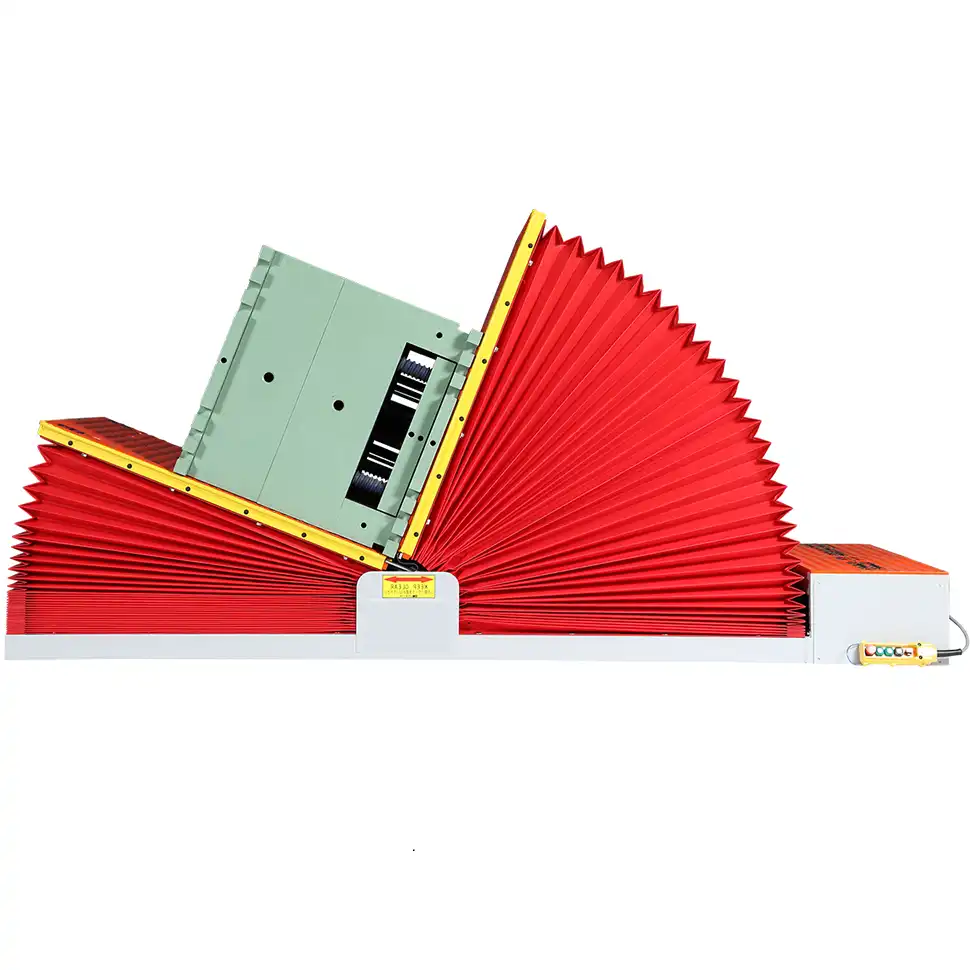

I have seen many factories struggle with equipment lifespan. My own journey in the packing machine industry taught me this truth. From an employee to owning a successful factory, I learned that good maintenance is not just about fixing things. It is about preventing problems. It is about making sure your machinery works hard for you. This applies strongly to tilters, especially in demanding environments like Romania’s metal processing plants. Let us look deeper into why this matters and what you can do.
Why Does Timely Tilter Maintenance Matter for Your Factory in Romania?
Are your tilters holding back your production? Is manual handling still a major safety risk in your facility? These issues do not just slow you down. They eat into your profits. They also put your valuable workers in danger every single day.
Smart, timely maintenance is a game changer. It boosts your output. It dramatically improves worker safety. For factories in Romania, facing high production demands, this means more than just minor improvements. It means a stronger, safer, and more profitable operation.
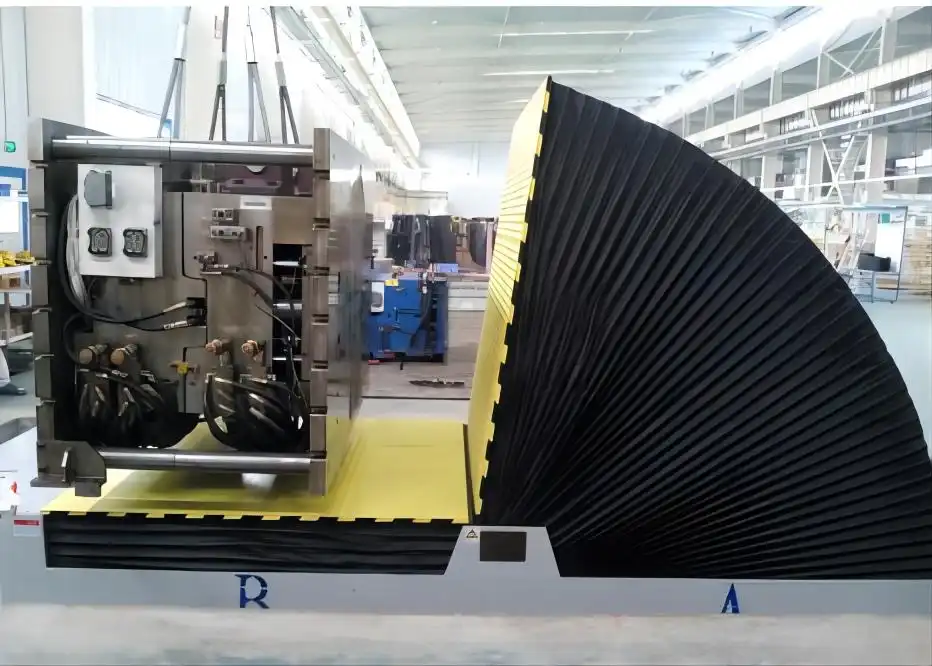

When I started FHOPEPACK, my goal was always to share knowledge. I want to help factories like yours avoid the pitfalls I have seen. One major pitfall is ignoring the little signs of wear. A tilter is a critical piece of equipment. It handles heavy loads, often weighing tons. In a metal processing factory, like many in Romania, these machines work constantly. They turn heavy steel coils or molds. Without proper care, components wear out fast. Bearings seize up. Hydraulic systems leak. Electrical connections fail. Each failure stops your line. This means your workers stand idle. Your products are not moving. Your delivery promises are at risk.
Timely maintenance helps in several ways. First, it prevents sudden breakdowns. Instead of reacting to a crisis, you plan for service. This means less unexpected downtime. Second, it reduces repair costs. Catching small issues early is cheaper than replacing major parts. A worn bearing costs little to replace compared to a seized motor or damaged shaft. Third, it boosts safety. A well-maintained tilter operates predictably. It reduces the chance of mechanical failure during operation. This protects your workers from injuries caused by unstable loads or machine malfunctions. Think about Michael Chen, a factory manager in Mexico. He deals with heavy products and worries about safety. This challenge is universal. Factories in Romania face similar worries. They need equipment that is reliable and safe. Investing in preventive maintenance shows you care about your people. It also protects your company from high insurance costs and legal issues. Finally, good maintenance means better product quality. If your tilter runs smoothly, it handles materials gently. This reduces damage to product edges or surfaces during handling. In the steel industry, even small cosmetic defects can lead to customer complaints and lost revenue. Preventive maintenance ensures your tilters perform their task with precision, protecting your valuable output. This also helps your factory maintain a good reputation with clients who demand perfect products.
What Are the Core Preventive Maintenance Steps for Tilters?
Do you truly know what to check on your industrial tilter? Are you missing important steps in your routine? Skipping small checks now can lead to big problems later. It often results in very costly repairs and long periods of downtime.
There are clear, effective steps to follow. These steps will keep your tilter in top working order. They help ensure maximum uptime and a longer machine life. By following these, you safeguard your investment and your production schedule.
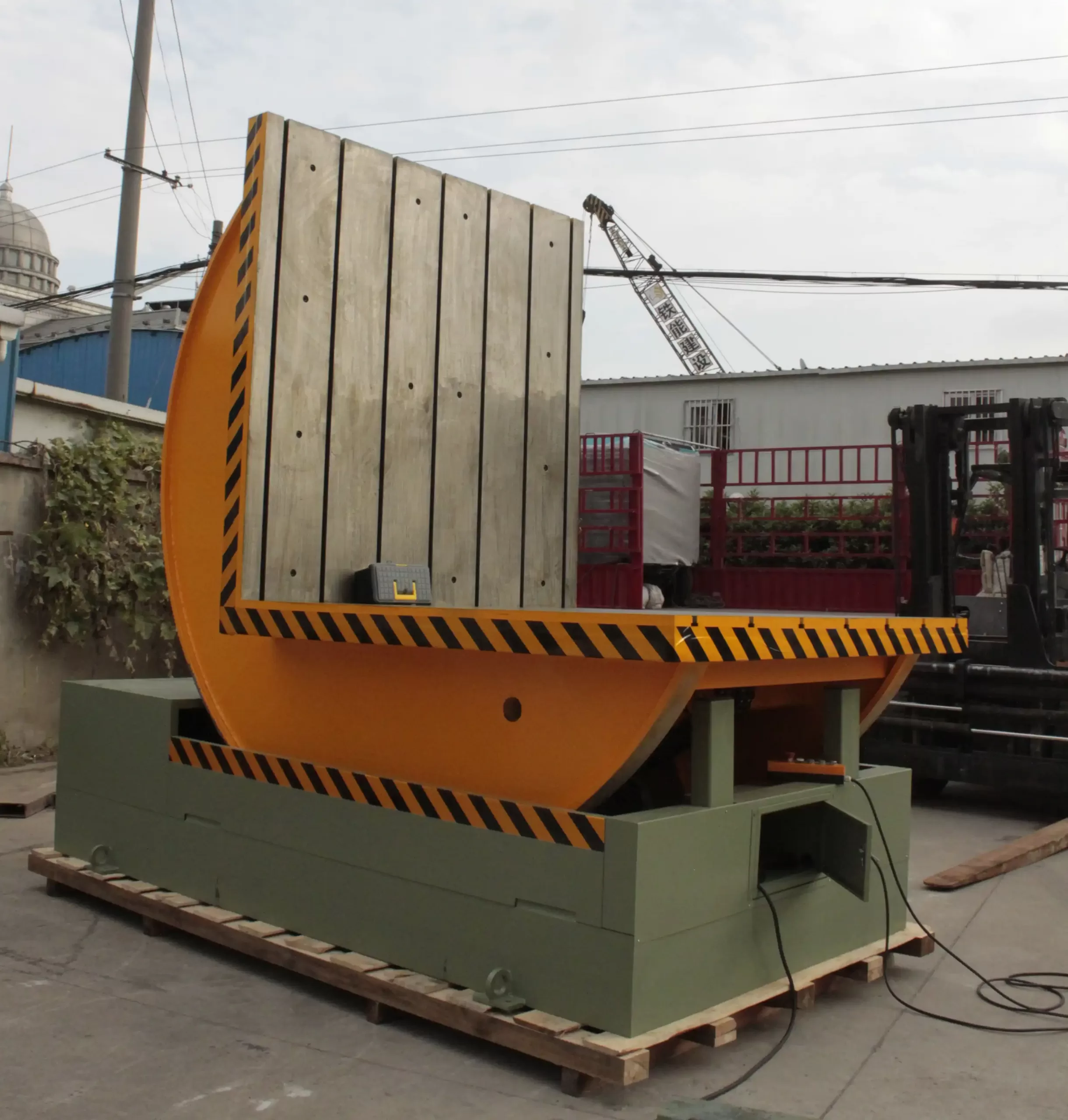

From my experience designing and running packing machine factories, I have learned that a solid maintenance plan is like a blueprint. It guides you. For tilters, there are specific areas that need regular attention. These are not just quick checks. They are detailed inspections and actions that ensure every part works as it should.
Daily and Weekly Checks
These are simple tasks. They do not take much time. But they are very important.
- Visual Inspection: Look at the machine. Are there any loose bolts? Are there signs of leaks, like oil stains? Are cables damaged? Check for rust or corrosion, especially in humid environments.
- Lubrication: Check oil levels in hydraulic tanks. Grease all moving parts. This includes bearings, pivot points, and gears. Proper lubrication prevents friction and wear. It is like giving your car an oil change.
- Cleanliness: Keep the tilter clean. Remove dust, metal shavings, and debris. Dirt can get into moving parts. It can cause wear. It can also block sensors.
- Function Test: Run the tilter through its full cycle. Listen for unusual noises. Watch for jerky movements. Check that all safety features work. This includes emergency stops and limit switches.
Monthly and Quarterly Inspections
These checks go deeper. They require more time and often specialized tools.
- Hydraulic System: Check all hoses for cracks or bulges. Look at fittings for leaks. Test the hydraulic pressure. Clean or replace filters. Old oil or dirty filters can damage pumps and cylinders.
- Electrical System: Inspect all wiring. Look for frayed wires or loose connections. Check motor windings. Test safety interlocks and sensors. Make sure all buttons and switches work correctly.
- Mechanical Components: Examine bearings for wear. Check gear teeth for damage. Inspect chains or belts for tension and wear. Tighten any loose fasteners. Verify the structural integrity of the frame.
- Wear Parts: Identify parts that wear out over time. These include friction pads, guide rollers, and certain seals. Plan to replace them before they fail. This prevents sudden breakdowns.
| Component Group | Check Points | Frequency (Example) | Notes |
|---|---|---|---|
| Hydraulic System | Fluid level, hose integrity, leaks, filter cleanliness, pressure gauge readings | Daily, Monthly | Use correct hydraulic fluid. |
| Electrical System | Wiring, connections, motor function, safety sensors, emergency stops | Weekly, Quarterly | Turn off power before checking electrical parts. |
| Mechanical Parts | Bearings, gears, chains/belts, fasteners, structural frame | Weekly, Monthly | Listen for unusual sounds. |
| Safety Features | E-stop buttons, limit switches, warning lights/alarms | Daily, Weekly | Crucial for worker protection. |
Following a structured plan like this saves you money. It extends your tilter’s life. It also keeps your workers safe. It is an investment that pays for itself many times over. This discipline is what helps a factory grow and stay competitive, especially in active industrial markets like Romania.
How Can Smart Technology Enhance Tilter Longevity and Performance?
Are you still relying only on manual checks for your tilters? Are you missing early warning signs of trouble? Old ways of maintenance often mean you just react to problems. You do not prevent them. This wastes a lot of time and money.
New technology can make maintenance smarter. It makes it much more effective. By using modern tools, you can predict issues before they happen. This helps your tilters last longer and perform better.
When I built my packing machine factory, I saw the power of smart systems firsthand. We integrated sensors into our own equipment. This allowed us to monitor machine health in real time. The same principles apply to tilters. For factories in Romania, adopting smart technology is not just about staying modern. It is about gaining a real competitive edge.
Predictive Maintenance with Sensors
Instead of following a fixed schedule, predictive maintenance uses data. Sensors collect information from your tilter. They monitor vibrations, temperature, oil quality, and motor currents. This data shows the health of the machine.
- Vibration Sensors: These detect unusual vibrations. High vibration often means a failing bearing or an imbalanced part. You can fix it before it breaks down completely.
- Temperature Sensors: Overheating in motors, bearings, or hydraulic fluid indicates a problem. Sensors can send alerts if temperatures rise above normal.
- Oil Analysis: Regular oil samples can reveal metal particles. These particles show wear inside hydraulic systems or gearboxes. Analysis tells you when to change oil or inspect internal components.
Internet of Things (IoT) Integration
IoT means your machines connect to the internet. They can send data to a central system. This allows for remote monitoring.
- Remote Monitoring: Factory managers or maintenance teams can see tilter performance from anywhere. They can use a computer or even a phone. This is very useful for large factories. It helps if you have multiple sites.
- Automated Alerts: If a sensor detects an issue, the system sends an automatic alert. This could be an email or a text message. It tells the team exactly what is wrong and where. This speeds up response times.
- Data Analytics: The system collects huge amounts of data. This data can be analyzed. It helps find patterns. You can see which parts wear out fastest. You can optimize your maintenance schedule. This leads to even more efficient operations.
Computerized Maintenance Management Systems (CMMS)
A CMMS is software. It helps manage all your maintenance tasks.
- Scheduling: It automates maintenance schedules. It reminds you when a check is due.
- Work Orders: It creates and tracks work orders. This ensures tasks are completed.
- Inventory Management: It tracks spare parts. You know what you have. You know when to reorder. This prevents delays waiting for parts.
- Historical Data: It stores all maintenance records. This helps you see a machine’s history. It helps in making future maintenance decisions.
Adopting these technologies can seem like a big step. But the benefits are huge. They lead to less downtime. They lower repair costs. They extend the life of your expensive tilters. This makes your factory more reliable and more profitable. For a country like Romania, which is growing its industrial base, smart maintenance is an essential tool for competitive advantage.
What Challenges Do Romanian Factories Face with Tilter Upkeep?
Are you a factory manager in Romania, making tough choices about equipment? Do you worry about hidden costs and equipment reliability? High production demands and harsh conditions mean your machines work very hard. Poor maintenance can lead to rapid wear and unexpected failures.
Understanding these common challenges helps a lot. It allows us to find real, practical solutions together. It means your factory can overcome these hurdles.
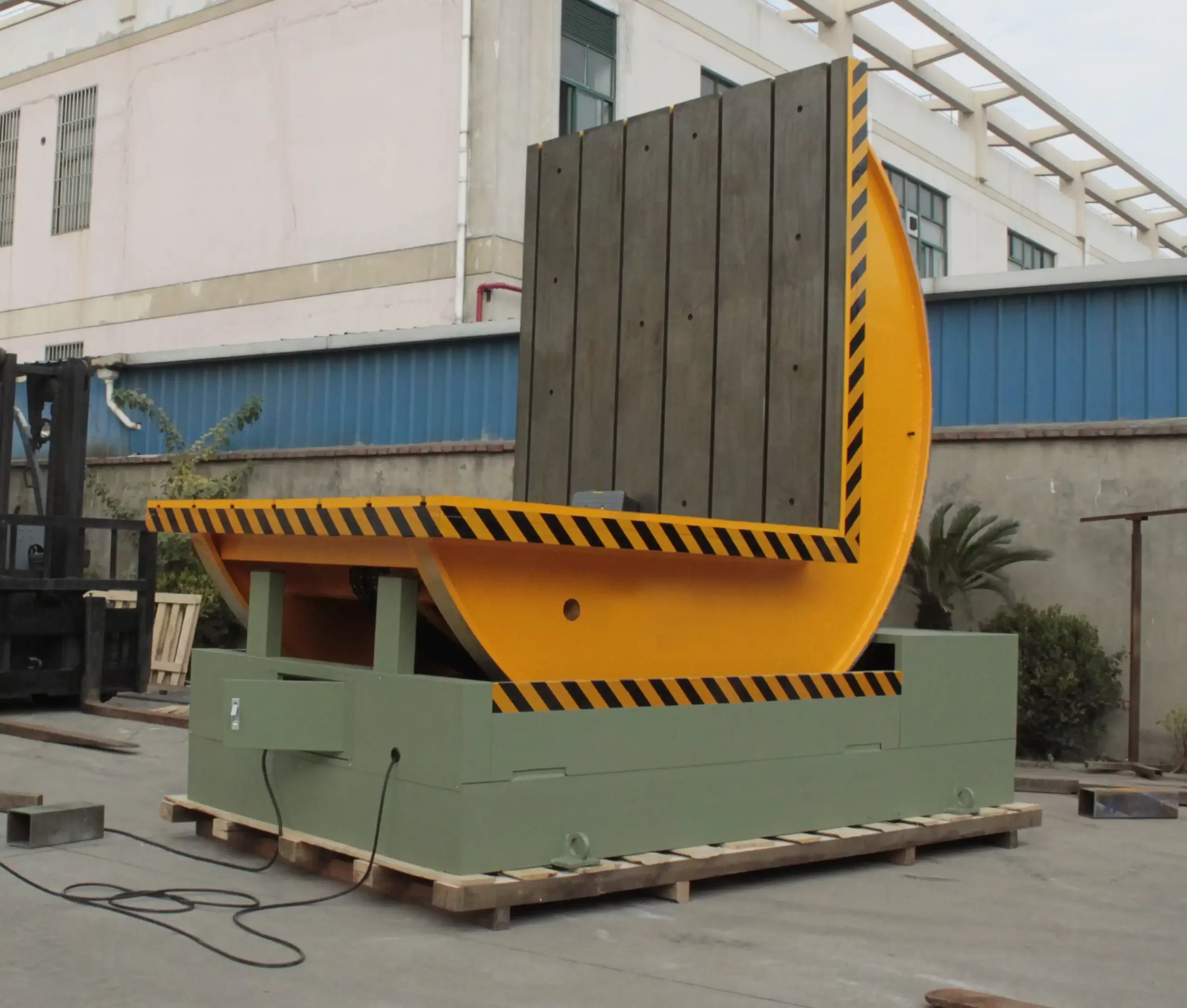

My journey from an employee to a factory owner gave me a deep understanding of industry challenges. I have spoken with many clients from various countries, including those with similar industrial conditions to Romania. They often face specific issues when it comes to keeping their heavy machinery, like tilters, in top shape.
Resource Constraints
Many factories, especially small to medium-sized ones, operate with limited resources.
- Budget: There might be a limited budget for maintenance. Factories focus on immediate production. They might delay maintenance or only perform reactive repairs. This is a common mistake. It saves money now but costs much more later.
- Skilled Labor: Finding and keeping skilled maintenance technicians can be hard. Proper tilter maintenance requires specific knowledge. It needs understanding of hydraulics, electrical systems, and mechanics. A shortage of trained staff can lead to missed maintenance tasks or incorrect repairs. This directly affects tilter lifespan.
- Spare Parts Availability: Sometimes, getting genuine spare parts can be difficult or slow. This is true for imported machinery. Delays in receiving parts lead to extended downtime. It also forces factories to use non-standard parts. These might not fit perfectly or perform as well. This can cause further damage.
Operational Pressures
Factories are always under pressure to produce. This affects maintenance decisions.
- High Production Targets: Managers often push machines to their limits to meet deadlines. They might skip planned maintenance to keep the line running. This short-term gain leads to long-term pain. Overworked machines wear out faster.
- Harsh Environments: Metal processing plants, common in Romania, involve dust, high temperatures, and heavy loads. These conditions put extra stress on tilters. They cause parts to wear out quicker. This means maintenance needs to be more frequent and thorough.
- Aging Equipment: Many factories use older tilters. These machines might not have modern diagnostic features. They might be harder to find parts for. Maintaining them requires more effort and expertise. Without proper care, their lifespan can be very short.
Trust in Suppliers
Some factory managers have faced bad experiences. They might have dealt with suppliers who only focus on sales. They offer poor after-sales service.
- Lack of Support: If a supplier does not offer good technical support or spare parts, it harms the factory. Managers become cautious about new investments. They want a partner, not just a seller. They need someone who understands their problems. This includes production bottlenecks, safety issues, and efficiency goals.
- Misleading Information: Sometimes, equipment providers might not fully explain maintenance needs. Or they might overpromise on machine durability without proper upkeep. This creates a trust issue.
Addressing these challenges needs a thoughtful approach. It needs a reliable partner. It needs a focus on long-term value, not just upfront cost. This is where expertise and honest partnership make a real difference for factories in Romania.
My Insights on Building a Robust Tilter Maintenance Program.
Do you feel overwhelmed by setting up a maintenance plan? Are you unsure where to begin? A weak maintenance plan means wasted effort. It does not truly protect your valuable investment.
I have seen firsthand what works. I can share key ideas. These ideas will help you build a strong, effective maintenance program. This will ensure your tilters perform their best for many years.
My journey in the packing machine industry has been full of learning. I started as an employee. Then I built my own successful factory. I reached financial independence. But more importantly, I helped many clients grow their businesses. I learned that success is not just about selling machines. It is about sharing knowledge. It is about building strong relationships based on trust. This is why I founded FHOPEPACK. I want to give back. I want to help others succeed in the industrial field.
For tilter maintenance, my biggest insight is this: Treat your tilter as an active partner in your production, not just a piece of metal. It needs care and attention.
1. Make Maintenance a Core Part of Your Culture.
Maintenance should not be an afterthought. It should be part of everyone’s job. From the operators to the managers, everyone plays a role.
- Operator Training: Train operators to do basic checks. They are the first line of defense. They see and hear changes daily. They should know what unusual sounds or vibrations mean. They should report issues immediately.
- Management Support: Top management must support maintenance. They need to provide budget and time. They need to understand that maintenance is an investment, not an expense. This understanding drives success.
2. Invest in the Right Tools and Training.
You cannot do a good job with bad tools.
- Specialized Tools: Ensure your team has the right tools for inspections and repairs. This includes diagnostic equipment for electrical and hydraulic systems.
- Continuous Training: Technology changes. Machines get more complex. Your maintenance team needs ongoing training. They need to learn new techniques. They need to understand new components. This keeps their skills sharp. It helps them deal with modern tilters.
3. Build a Strong Relationship with Your Supplier.
This is critical. Do not just buy a machine and forget the supplier.
- Choose Wisely: Select a supplier who has deep industry knowledge. They should offer strong after-sales support. They should be willing to be a partner. I believe in this. That is why FHOPEPACK offers more than just machines. We offer expertise.
- Regular Communication: Keep talking to your supplier. Ask them about common issues. Get their advice on spare parts. Learn from their experience. They know their machines best.
- Get Genuine Parts: Always use genuine spare parts. They fit well. They last longer. They maintain the machine’s original performance. This might cost a little more upfront. But it saves a lot in the long run.
4. Use Data to Drive Decisions.
Modern factories generate a lot of data. Use it.
- Collect Performance Data: Track how often your tilter runs. Record its operating hours. Monitor its energy consumption.
- Analyze Breakdown Data: When a breakdown happens, record everything. What failed? Why did it fail? How long did it take to fix? This helps you see patterns. It helps you prevent future failures. It also helps you refine your maintenance schedule.
- Calculate ROI: Show the return on investment (ROI) for your maintenance efforts. Track how maintenance reduces downtime. Track how it lowers repair costs. This proves its value to management. It helps secure future budgets.
By following these principles, you can build a maintenance program that works. It will make your tilters last longer. It will keep your factory running efficiently. And it will secure your business growth. This is the kind of partnership and knowledge sharing that truly matters to me.
Conclusion
Preventive maintenance is vital for tilter lifespan. It boosts safety and cuts costs. Regular checks and smart tech keep machines running. This leads to higher profits for your factory.












