

How Do Preventive Maintenance Protocols Extend Mold Tilter Uptime in Russia?
Working in heavy manufacturing means you know the pain of unexpected downtime. A production line stops. Workers stand idle. You lose money with every minute. This problem is even bigger in demanding environments like Russia, where equipment faces harsh conditions. But what if there was a way to prevent these costly stops? What if you could keep your essential machinery running smoothly, almost all the time?
Systematic preventive maintenance (PM) dramatically extends the life of mold tilters. It ensures they operate consistently. This approach greatly reduces unscheduled breakdowns. It also keeps your production moving without expensive interruptions.
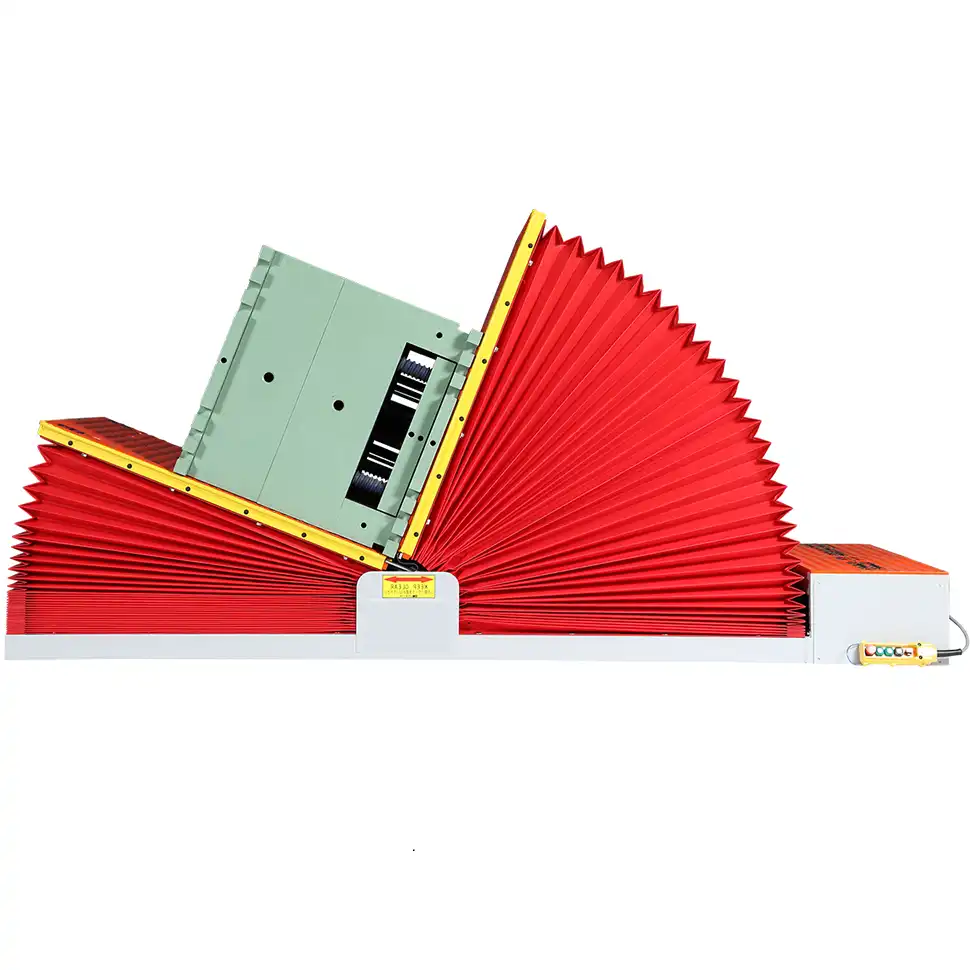

I have walked in your shoes. I started on the factory floor. Then I built my own successful packing machine factory. I understand the pressures of keeping operations efficient and safe. That is why I believe so strongly in sharing knowledge. Let me show you how smart maintenance protocols for mold tilters can transform your factory’s uptime, especially in tough settings.
Why is Preventive Maintenance Critical for Mold Tilters in Russia?
Imagine a factory floor where machines break down often. Production slows down. Deadlines are missed. This costs a lot of money. In places like Russia, equipment works in very tough conditions. Extreme cold, dust, and continuous use put a lot of stress on machines. So, how can you keep your mold tilters working reliably in such an environment?
Preventive maintenance keeps machines running smoothly. It helps by finding small problems before they become big. This ensures continuous production. It also avoids costly sudden stops.
Mold tilters are vital for moving heavy items like steel coils or molds. If one breaks down, your whole line can stop. This creates a bottleneck. In Russia, the operating environment is often very demanding. Temperatures can be extreme. There can be a lot of dust and debris. Machines also run for long hours without rest. All these factors increase wear and tear. Without proper care, components wear out faster. They can fail suddenly. This leads to unexpected downtime.
Understanding Wear and Tear in Harsh Environments
Heavy machinery faces constant stress.
- Abrasive Wear: Dust, metal particles, and other debris can get into moving parts. This causes grinding and friction. It wears down components like bearings and gears. This is especially true in metal processing factories.
- Temperature Extremes: In Russia, machines may operate in very cold winters. They also run in hot summers. These temperature changes cause materials to expand and contract. This can lead to metal fatigue and cracking over time.
- Heavy Loads: Mold tilters regularly handle thousands of kilograms. This constant heavy lifting puts stress on hydraulic systems, motors, and structural frames. Small cracks or leaks can grow into major failures if not found early.
The Cost of Reactive Maintenance
Waiting for a breakdown to happen is called reactive maintenance. It is very expensive.
- Unscheduled Downtime: Production stops completely. Workers are idle. Deliveries are delayed.
- Higher Repair Costs: Fixing a broken machine is often more expensive than preventing the break. Parts might be severely damaged. More labor is needed for emergency repairs.
- Lost Revenue: Every hour of downtime means lost production and lost sales. For large factories, this can amount to millions of rubles quickly.
Preventive maintenance changes this. It schedules checks and services regularly. This helps identify weak spots. You can replace worn parts before they fail. This proactive approach saves money and ensures stable operations. It helps build a reliable supply chain. This is very important for big factories.
How Does PM Directly Boost Safety and Efficiency in Heavy Industries?
Think about factory workers moving heavy steel coils by hand. It is slow. It is also extremely dangerous. Injuries happen often. This leads to higher insurance costs and fewer workers staying on the job. How can factories improve safety and speed up these heavy tasks?
Preventive maintenance makes mold tilters safer. It prevents mechanical failures that could cause accidents. It also boosts efficiency. This happens by ensuring the equipment always runs at peak performance.
Manual handling of heavy molds or coils is a major safety risk. Workers can suffer back injuries, crushed limbs, or worse. Michael Chen, a factory manager I know, worries a lot about these risks. His goal is to reduce manual handling of heavy items. Automated equipment like mold tilters reduces these risks greatly. But even automated machines need care. A poorly maintained mold tilter can fail. This could cause a heavy load to drop. That is a huge safety hazard.
Safety Benefits of Proper PM
PM directly reduces the risk of accidents.
- Preventing Component Failure: Regular checks find worn cables, faulty hydraulics, or loose connections. Replacing these parts before they break stops dangerous malfunctions. A mold tilter that suddenly fails can cause serious injuries. It can also damage products.
- Ensuring Stable Operation: When all parts are in good condition, the tilter operates smoothly and predictably. This reduces the chance of jerky movements or unexpected stops. Such issues can cause accidents for operators or nearby workers.
- Reducing Manual Intervention: A reliable mold tilter means fewer times workers need to manually adjust heavy items. This directly cuts down on lifting injuries and strains.
Efficiency Gains from PM
PM also makes your factory more productive.
- Eliminating Bottlenecks: Manual coil and wire packing is slow. It creates bottlenecks at the end of the production line. A well-maintained mold tilter works fast and reliably. It keeps the flow of products smooth. This speeds up overall production.
- Consistent Performance: Machines that receive regular maintenance perform at their best. They lift loads quickly. They tilt accurately. They move smoothly. This consistent high performance means more products get packed and shipped each day.
- Lower Operating Costs: By preventing major breakdowns, PM avoids the high costs of emergency repairs and rush part orders. It also reduces costs related to product damage during handling. When machines work well, products are less likely to be dropped or scratched. This saves money on rework and customer complaints.
For example, a factory might invest in a mold tilter. This machine costs a certain amount. But if it breaks down often, the real cost goes up. If PM keeps it running 98% of the time, the factory gets its investment back much faster. The ROI (Return on Investment) is clear. Fewer injuries, less product damage, and faster production all add to the bottom line.
What Specific Protocols Ensure Maximum Mold Tilter Longevity and Performance?
Many factory owners know they should do maintenance. But knowing what to do and when to do it can be hard. It is more than just oiling a few parts. How do you set up a system that truly keeps your mold tilter working for years?
Effective mold tilter preventive maintenance involves several key steps. These include regular inspections, proper lubrication, timely component replacement based on wear, and good training for all operators.
Implementing effective preventive maintenance needs a clear plan. It is not just about reacting when something breaks. It is about being proactive. This means having specific protocols and sticking to them. My experience running a factory showed me that structure is key.
Essential Preventive Maintenance Steps
Here are the core activities for mold tilters:
- Daily Visual Inspections: Operators should check the machine before each shift. They look for obvious damage, fluid leaks, or strange noises. This is the first line of defense.
- Check for loose bolts or fasteners.
- Look for signs of wear on cables, chains, or hoses.
- Listen for unusual sounds during operation.
- Weekly/Bi-Weekly Checks: More detailed inspections are done regularly.
- Lubrication: All moving parts need proper lubrication. This reduces friction and wear. Use the right type of grease or oil recommended by the manufacturer.
- Fluid Levels: Check hydraulic fluid levels and condition. Dirty or low fluid can damage the hydraulic system.
- Filter Checks: Inspect hydraulic and air filters. Replace them if they are dirty or clogged. Clean filters ensure systems run efficiently.
- Monthly/Quarterly Maintenance: These are deeper checks and adjustments.
- Electrical System Checks: Inspect wiring, connections, and control panels. Look for frayed wires or signs of overheating.
- Hydraulic System Inspection: Check for leaks in hoses, fittings, and cylinders. Ensure pressure settings are correct.
- Structural Integrity: Inspect the frame for cracks or signs of metal fatigue. Check welds for integrity.
- Annual Major Overhaul: A comprehensive review and service.
- Bearing Replacement: Replace bearings that show signs of significant wear.
- Motor Inspection: Check motor health, including windings and brushes (if applicable).
- Calibration: Re-calibrate sensors and controls to ensure accurate operation.
- Full Fluid Change: Replace all hydraulic fluid and clean the system.












