
How Do Orbital Wrapping Machines Reduce Dust, Moisture, and Scratch Risks in Turkish Building Material Packaging?
Turkish building material factories often face big challenges. Dust, moisture, and scratches can cause huge losses. Products get damaged even before they reach the customer. This hurts profits and reputation. Imagine losing valuable materials just because of poor packaging. Think about the rejections, the wasted time, and the unhappy clients. Many factory managers tell me this is a constant battle. But what if there was a simple, effective way to stop these problems at the source? A method that protects your products from the moment they leave your production line?
Orbital wrapping machines are key to solving these challenges. They wrap products tightly, creating a complete barrier. This layer protects against dust, stopping it from settling on surfaces or getting into sensitive parts. It seals out moisture, preventing rust, warping, or other water damage. Plus, the secure film prevents items from moving, cutting down on scratches during transport and storage. For Turkish building material businesses, this means safer, cleaner, and better-protected goods.

Many years ago, when I was starting my packing machine factory, I saw these issues firsthand. Clients would come to me, frustrated with damaged shipments. I understood their pain. This is why I became passionate about finding real solutions. Now, let’s look closer at how orbital wrappers tackle each of these problems, step by step, and why they are a smart choice for your operations in Turkey.
How Do Orbital Wrappers Block Dust from Building Materials?
Dust is a silent enemy in many Turkish factories. It covers everything. For building materials like pipes, profiles, and insulation, dust can mean extra cleaning, poor adhesion for further processing, or even rejection by customers. This is not just a cosmetic issue. Dust can degrade material quality over time. It adds costs to your process. It makes your otherwise perfect product look unprofessional. How can we create a dust-free zone around our products, especially for those sensitive materials?
Orbital wrappers create a tight, continuous film around products. This film acts as a physical barrier. It stops dust particles from settling on the material’s surface. The machine wraps horizontally or vertically, ensuring complete coverage, especially for long or irregularly shaped items common in Turkish construction. This means your pipes, wood profiles, or insulation rolls leave the factory clean and stay clean.
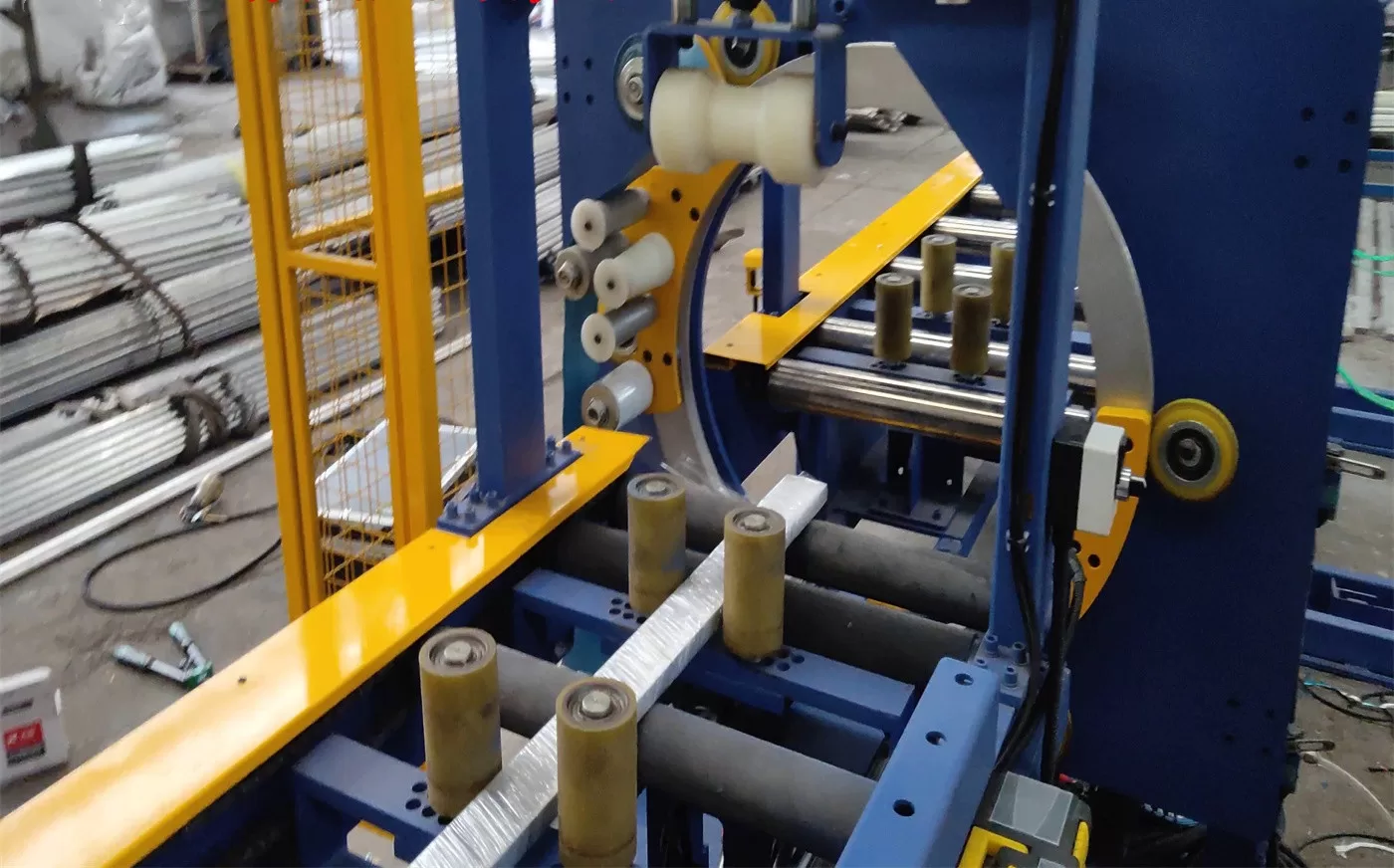
The way an orbital wrapper works is simple but highly effective. It uses a stretch film that wraps around the product in a continuous 360-degree motion. Each layer of film overlaps the last. This creates a solid, uninterrupted barrier. This barrier is very good at keeping dust out. Dust in a factory can come from many places. It can be ambient dust in the air. Or it can be processing dust, like sawdust from cutting wood or fine metal filings from grinding. For a Turkish factory making wood panels, sawdust can be a big problem. It settles on surfaces, making them look dirty. For metal parts, fine dust can even cause problems with coatings or finishes later on.
The impact of dust goes beyond just looks. Dust can affect how well paint or adhesive sticks to a surface. If your building materials need further processing, dust can cause defects. It can also cause machinery to wear out faster. Orbital wrapping machines solve this by making sure products are fully enclosed. This stops dust from getting in. Consider items like PVC pipes, aluminum profiles, or gypsum boards. These need to be clean when they reach the building site. Manual wrapping often leaves gaps. Shrink wrap can offer some protection, but it might not be as tight or consistent as an orbital wrap. I remember a client in Izmir who made aluminum profiles. They had huge issues with fine metal dust settling on the profiles after polishing. Manual wrapping helped a little, but the dust still got in. When they switched to an orbital wrapper, their rejection rate for dust-related issues dropped by 70%. It was a big win for them, and for me, it showed the real power of good packing. This is why orbital wrapping is a top choice for Turkish companies that value product cleanliness.
Can Orbital Wrapping Truly Seal Out Moisture Damage?
Moisture is another big threat. In Turkey, with varied climates, materials often face humidity, rain during transport, or condensation in storage. This leads to rust on metal, warping in wood, and degradation in other materials. Imagine your carefully crafted steel beams arriving at a construction site with rust spots. Or your gypsum boards swelling because of dampness. These issues are costly. They delay projects and damage your reputation. How can we ensure our products remain perfectly dry, no matter the weather outside or the conditions inside the warehouse?
Orbital wrapping machines use stretch film that tightly conforms to the product’s shape. This creates a secure, water-resistant seal. The overlapping layers of film prevent water droplets or humidity from reaching the product surface. This protection is vital for materials like steel coils, wire rods, lumber, or cement bags. It ensures they stay dry from your factory floor to the customer’s site, even through unexpected rain or high humidity.

The key to moisture protection with orbital wrappers lies in the multi-layer, stretched film. The machine applies the film with tension. This tension makes the film conform closely to the product’s surface. It removes air pockets that could trap moisture. Also, because the layers overlap, there are no open seams for water to get in. This makes a very effective barrier against water. Moisture can come from many sources. Rain during transport is a clear risk. High humidity in coastal areas or during certain seasons can also cause problems. Condensation can form inside poorly ventilated warehouses. All these can damage building materials. For steel products, moisture means rust. This can weaken the metal. For wood, moisture causes warping, swelling, and even mold growth. For cement bags, moisture can lead to clumping and hardening, making the product unusable.
Orbital wrapping gives a level of protection that other methods struggle to match. Simply covering items with a tarp is often not enough. Tarps can shift. Water can pool on them or seep underneath. Shrink wrap can provide some protection. But the heat process can sometimes leave small holes or weak spots. Orbital wrapping, with its continuous, tight, multi-layered seal, offers much better defense. For a factory in Turkey producing steel pipes or wire coils, this means a huge difference. These products often travel across the country, sometimes facing rain or changing humidity levels. A good moisture barrier protects the product’s quality. It also protects the company’s reputation. I once worked with a factory near Istanbul that produced rebar. Their storage area was open to some elements, and shipments often traveled long distances. They used to get complaints about surface rust. After installing an FHOPEPACK orbital wrapper, they could confidently promise dry, rust-free rebar. That’s the kind of peace of mind I love to help my clients achieve.
How Do Orbital Machines Stop Scratches on Delicate Surfaces?
Scratches are often overlooked but cause significant damage. For many Turkish building materials – polished metals, painted profiles, finished wood – even a small scratch can make the product unsellable. Think about the effort put into making a perfect product. Then, in the last mile, a simple bump or rub during handling ruins it. This is frustrating for your team and expensive for your business. It leads to returns and disputes. How can we cushion and secure our products effectively to prevent these surface imperfections?
Orbital wrappers use multiple layers of stretch film. This film acts as a protective cushion around the product. It prevents direct contact with other surfaces during transport or storage. The tight wrap also holds the product firmly in place, stopping it from shifting or rubbing against itself or the packaging. This is especially useful for items like stainless steel sheets, painted aluminum profiles, or delicate ceramic tiles, keeping their surfaces flawless for Turkish customers.
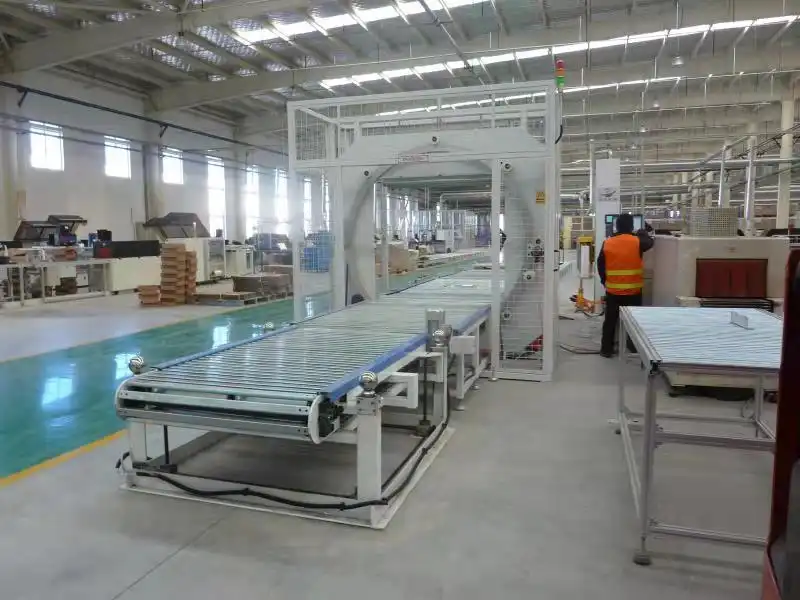
The cushioning effect of multiple film layers is a big benefit of orbital wrapping. When the film is applied, it creates a soft, protective skin around the product. This skin absorbs minor impacts. It also prevents friction between the product and other surfaces. Scratches often happen because of movement. Products can rub against each other during transport. They can bump into forklift tines or warehouse shelves. Manual handling also carries a risk of scrapes. For delicate materials, even small movements can cause visible damage. Consider finished wood panels used for interior design. Or painted metal profiles used for window frames. A scratch on these items is not just a flaw; it can mean the entire piece is rejected. This costs money and time.
Orbital wrapping machines hold the product firmly in place. The tight film keeps the item from shifting inside its packaging. This stops internal rubbing. It also makes the whole package more stable. This reduces the risk of damage from external impacts. Traditional methods like simple banding might hold a bundle together. But they offer no surface protection. Cardboard can provide some cushioning, but it can also rub against surfaces. It might not be fully dust or moisture proof. Orbital wrapping combines these benefits. It provides both surface protection and secure immobilization. This is very important for Turkish factories making high-value, sensitive building materials. Early in my career, I saw a client who made high-end bathroom fixtures. They struggled with minor scratches on chrome pipes, mostly from handling and stacking. They tried foam, but it was slow. An orbital wrapper not only sped things up but also wrapped each pipe securely, eliminating the friction. It proved that sometimes the simplest solution is the most effective. Orbital wrapping ensures that your products arrive looking just as good as they left your factory.
Beyond Protection: How Do Orbital Wrappers Transform Factory Operations?
Many Turkish factories, like Michael Chen’s, grapple with more than just product protection. They face slow manual processes, high safety risks for workers, and an urgent need to cut costs. Manual packing is not just slow; it’s dangerous. Workers lift heavy items, risking injury. This leads to higher insurance costs and lost time. On top of that, inefficient packing is a bottleneck that holds back your entire production. What if one machine could not only protect your products but also make your whole operation faster, safer, and more profitable?
Orbital wrapping machines do more than protect. They automate the packing process, significantly boosting efficiency and speed. This reduces reliance on manual labor, freeing up workers for other tasks. Importantly, they drastically improve workplace safety by minimizing manual handling of heavy or awkward building materials, cutting down on injuries. This automation directly translates into lower labor costs and less product damage, driving up overall profitability for Turkish building material factories.
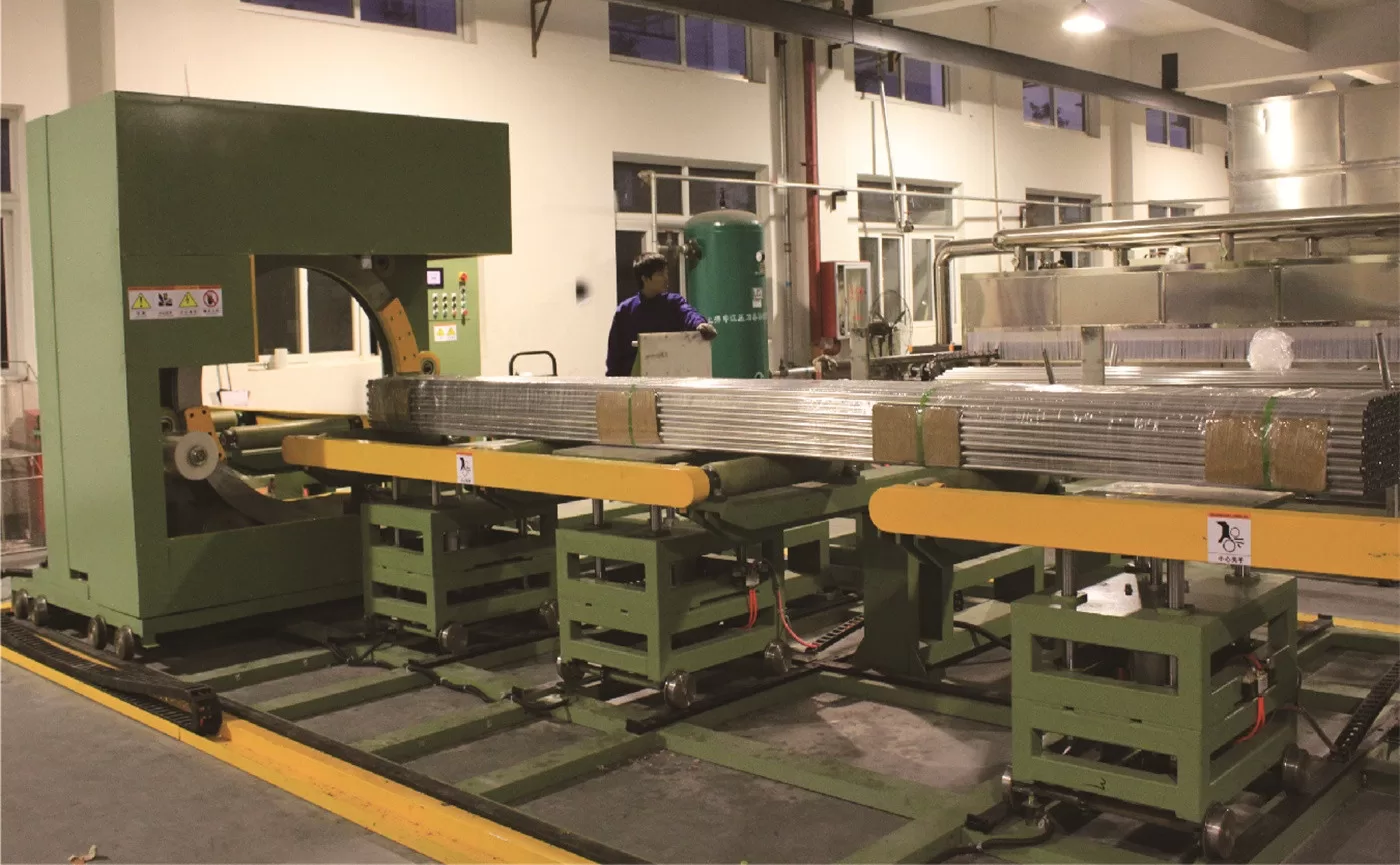
Orbital wrappers bring many operational benefits.
Automation and Efficiency Boost
These machines automate the entire wrapping process. This means much faster packing times compared to doing it by hand. A machine can wrap items consistently, every time. This speed helps clear bottlenecks at the end of the production line. For a Turkish factory manager, this means products move out faster. It helps meet tight delivery schedules. It also lets staff focus on other important tasks. You are no longer tying up valuable workers just for basic packing. This makes your whole factory more productive.
Major Safety Improvements
Manual handling of heavy or awkward building materials is risky. Workers often lift, push, or twist their bodies in unsafe ways. This leads to strains, sprains, and other injuries. A manager like Michael Chen knows these injuries lead to high insurance costs and lost workdays. Orbital wrappers remove this risk. They handle the wrapping of heavy items like steel coils or bundles of pipes. This means fewer worker injuries. It helps your factory meet safety rules. It also shows you care about your team. This can reduce employee turnover, which saves money and keeps experienced people.
Clear Cost Reduction and ROI
Investing in an orbital wrapper offers a clear return on investment. First, you save on labor costs. Fewer people are needed for packing. Second, you reduce product damage. Less damage means fewer reworks, fewer customer complaints, and fewer lost profits. The machine also uses film efficiently, often reducing material waste compared to manual wrapping. Over time, the savings from lower labor, less damage, and fewer injury claims add up quickly. This makes the machine pay for itself.
| Feature | Manual Wrapping | Orbital Wrapping |
|---|---|---|
| Speed | Slow, inconsistent | Fast, consistent |
| Safety | High risk of injury from heavy lifting | Low risk, automated handling |
| Damage | Higher risk of dust, moisture, scratches | Low risk, full protection |
| Labor Cost | High, requires multiple workers | Low, requires minimal supervision |
| Consistency | Varies greatly by worker | High, uniform wrap every time |
| ROI | Continual operational costs | Significant long-term savings and productivity gains |
I remember when I started my factory. I saw how much time and effort went into manual packing. It was clear that to truly scale and help my clients, automation was key. One client, a steel wire manufacturer in Adana, saw their packing speed double and their reported worker injuries drop to almost zero after they installed an automatic orbital wrapper. That’s not just a machine; it’s a game-changer for a business. Orbital wrappers truly transform how a factory operates, making it more efficient and safer.
Conclusion
Orbital wrapping machines offer a powerful solution for Turkish building material factories. They protect against dust, moisture, and scratches. They also make operations faster, safer, and more cost-effective.








