
How Do Orbital Wrapping Machines Enhance Dust and Moisture Resistance for Gypsum Boards and PVC Panels in Egypt?
Are you a factory manager in Egypt, constantly battling dust and humidity damaging your valuable gypsum boards and PVC panels? I have seen this problem firsthand in many factories. The thought of your finished products getting ruined before they even reach the customer is a real headache. This damage leads to wasted materials, lost money, and unhappy clients. It is a problem that hits hard on your bottom line and reputation.
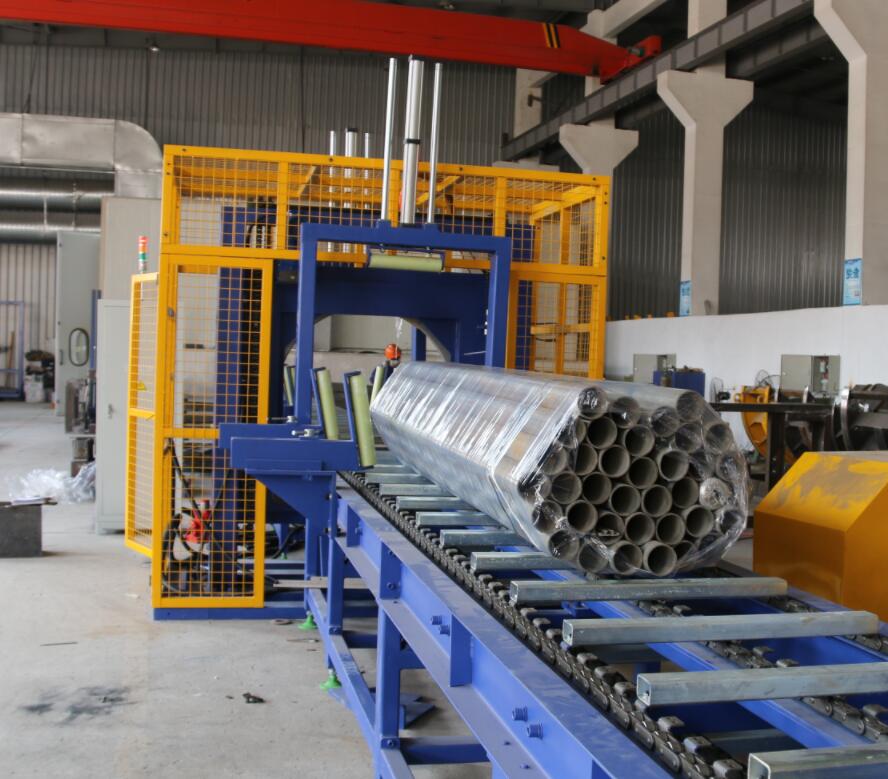
Orbital wrapping machines improve dust and moisture resistance for gypsum boards and PVC panels in Egypt by wrapping products tightly with stretch film as they pass through a rotating ring. This method creates a full, overlapping, and sealed barrier around the entire product. It stops dust from settling on surfaces and keeps moisture out, protecting the materials from the challenging environmental conditions often found in Egypt.
You are looking for a way to stop these losses, keep your products safe, and make your operations more efficient. If you want to understand exactly how this technology works and what it can do for your factory, keep reading. I am here to share my knowledge from years in the packing machine industry.
Why Are Dust and Moisture Such Big Problems for Building Materials in Egypt?
Have you ever thought about how much dust and moisture can affect your factory’s output in places like Egypt? The dry, dusty air, mixed with periods of high humidity, creates a tough environment. These conditions can quickly turn perfectly good gypsum boards and PVC panels into damaged goods. This not only costs money but also causes delays in your production and delivery schedules.
Dust and moisture are significant problems for building materials like gypsum boards and PVC panels in Egypt because they cause surface contamination, reduce product quality, and shorten shelf life. Gypsum boards absorb moisture, which can lead to mold and structural weakness, while dust can scratch PVC panels or compromise their finish. The climate in Egypt, with its dusty winds and occasional humidity, makes these issues common and costly for manufacturers.
When I started my first packing machine factory, I saw how much effort people put into making quality products. Then, I watched those same products get damaged just because of bad packing or environmental factors. It taught me a lot about the need for proper protection. Let’s look closer at why these elements are so harmful and what specific challenges they pose.
Understanding Environmental Threats in Egypt
Egypt’s climate has unique challenges for storing and shipping building materials. The two main enemies are dust and moisture. Both can harm products in different ways.
The Impact of Dust
Dust is everywhere in Egypt. It comes from deserts and construction sites. Fine dust particles can settle on gypsum boards and PVC panels during storage or transport.
- Surface Contamination: Dust can cover the product surface. This makes the product look bad. Customers might reject it, thinking it is dirty or used.
- Scratching and Abrasion: For PVC panels, dust particles can act like sandpaper. If surfaces rub together, or if you wipe dust off, it can scratch the finish. This lowers the product’s value.
- Adhesion Problems: If you need to paint or apply finishes to these materials later, dust on the surface can stop the paint from sticking well. This causes more work and costs.
- Health Concerns: A dusty work environment is not good for your staff. It can lead to respiratory problems and affect overall workplace safety.
The Impact of Moisture
Even though Egypt is mostly dry, humidity can still be a problem, especially near coastal areas or during certain seasons. Moisture can be very damaging to gypsum and PVC.
- Gypsum Board Absorption: Gypsum is porous. It takes in moisture from the air easily. When gypsum boards get wet, they lose strength. They can become soft and bend. This makes them unusable.
- Mold and Mildew Growth: Moisture promotes mold and mildew. These grow on the surface of gypsum boards. This makes the products look bad and creates a smell. Mold also poses health risks.
- PVC Panel Degradation: While PVC is water-resistant, constant exposure to moisture can still affect its long-term durability, especially if water gets into unprotected edges or joins. It can also lead to staining or discoloration over time.
- Adhesive Failure: If any part of your product uses adhesives, moisture can weaken them. This can cause layers to separate or parts to come apart.
These environmental factors are not just minor inconveniences. They are significant threats to product quality and your factory’s profitability. Stopping these problems needs a strong, reliable solution. This is where modern packing comes in. You cannot afford to lose money because of something preventable like dust or moisture. Investing in the right packing is a way to protect your work and your future.
How Do Orbital Wrappers Create a Strong Barrier Against Elements?
You understand the problems dust and moisture cause. Now, you need to know how orbital wrapping machines offer a real solution. It is not just about putting plastic around a product. It is about creating a protective seal that truly works. Many factory owners I have worked with did not fully grasp the power of this method until they saw it in action.
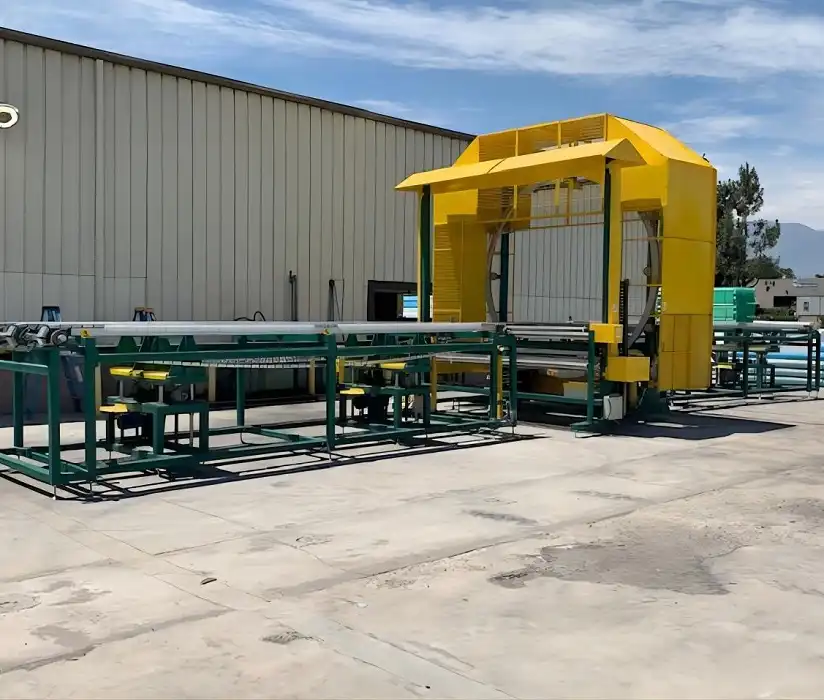
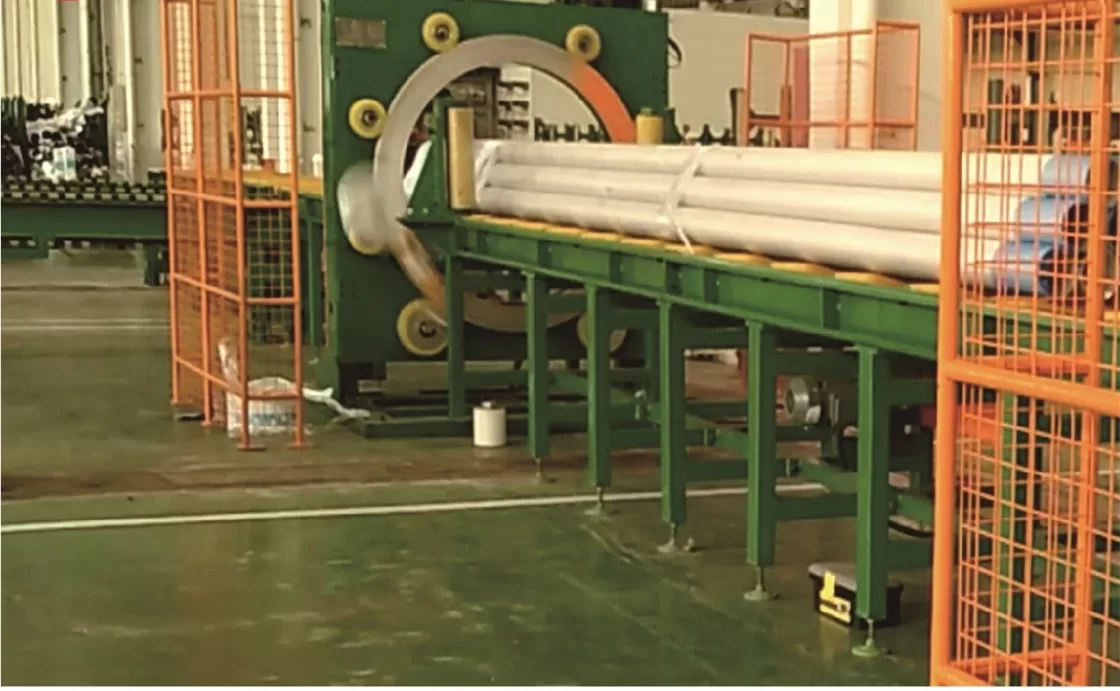
Orbital wrapping machines create a strong barrier against dust and moisture by using a rotating ring to apply stretch film tightly around the product’s full length and width. This process layers the film, creating a thick, overlapping, and sealed enclosure. The constant tension during wrapping presses out air and seals gaps, forming a continuous protective shield that prevents dust particles from entering and moisture from reaching the gypsum boards or PVC panels.
When I first got into the packing machine business, I was amazed by how a simple concept like orbital wrapping could solve so many complex protection problems. It changed how factories could handle their output. Let me break down the specific ways these machines build such an effective shield.
The Mechanics of Superior Protection
Orbital wrapping machines are built to offer maximum protection. They do this through a few key features that work together.
Full 360-Degree Coverage
The main advantage of an orbital wrapper is its unique wrapping path.
- Horizontal Rotation: The machine has a ring that spins horizontally around the product. The product stays flat and moves through the center of this ring.
- Layered Film Application: As the product moves, the rotating ring pulls stretch film from a dispenser. This film wraps around all sides of the product, top, bottom, and ends, creating a complete enclosure. Think of it like a continuous sleeve of protection.
- Overlap for Sealing: Each turn of the film overlaps with the previous layer. This overlap is key. It seals off any small gaps. This creates a barrier that is very hard for dust or water to get through.
High Film Tension
The machine keeps the stretch film under constant tension during the wrapping process.
- Tight Fit: This tension makes the film cling very tightly to the product. It reduces air pockets. A tight fit means less room for dust to settle. It also makes the package more stable.
- Material Compression: The film compresses the product slightly. This is good for things like gypsum boards. It holds them together and reduces movement inside the package. This can prevent edge damage.
- Durability: The high tension makes the package stronger. It is less likely to tear or snag during handling or shipping. This keeps the protective barrier whole.
Stretch Film Properties
The type of film used also plays a big part in protection.
| Film Property | Benefit for Dust Resistance | Benefit for Moisture Resistance |
|---|---|---|
| Puncture Resistance | Prevents tears from sharp edges, keeping dust out. | Maintains barrier integrity against water. |
| Tear Resistance | Ensures the wrap stays intact, no openings for dust. | Stops water from seeping through rips. |
| Cling (Self-Adhesive) | Layers stick together, creating a tight seal against dust. | Prevents water ingress by forming a coherent, sealed surface. |
| UV Resistance (Optional) | Protects film from breaking down in sun, keeping dust barrier. | Maintains water-repellent properties in outdoor storage. |
| Thickness | Thicker film means a stronger physical barrier against dust. | More material means a more impermeable layer for water. |
By combining these factors – the full coverage, high tension, and quality film – orbital wrapping machines build a multi-layered defense. This defense keeps out even the finest dust and resists moisture effectively. It gives you peace of mind that your gypsum boards and PVC panels are safe from the moment they are wrapped until they reach your customer’s site. This level of protection is hard to get with manual methods.
What Other Benefits Do Orbital Wrappers Bring to Factories in Egypt?
When people first think about orbital wrapping machines, they often focus only on product protection. But these machines do much more than just keep dust and moisture away. As a factory owner, I learned that every piece of equipment should not just solve one problem but improve the whole operation. Investing in an orbital wrapper brings several other big advantages to factories in Egypt.
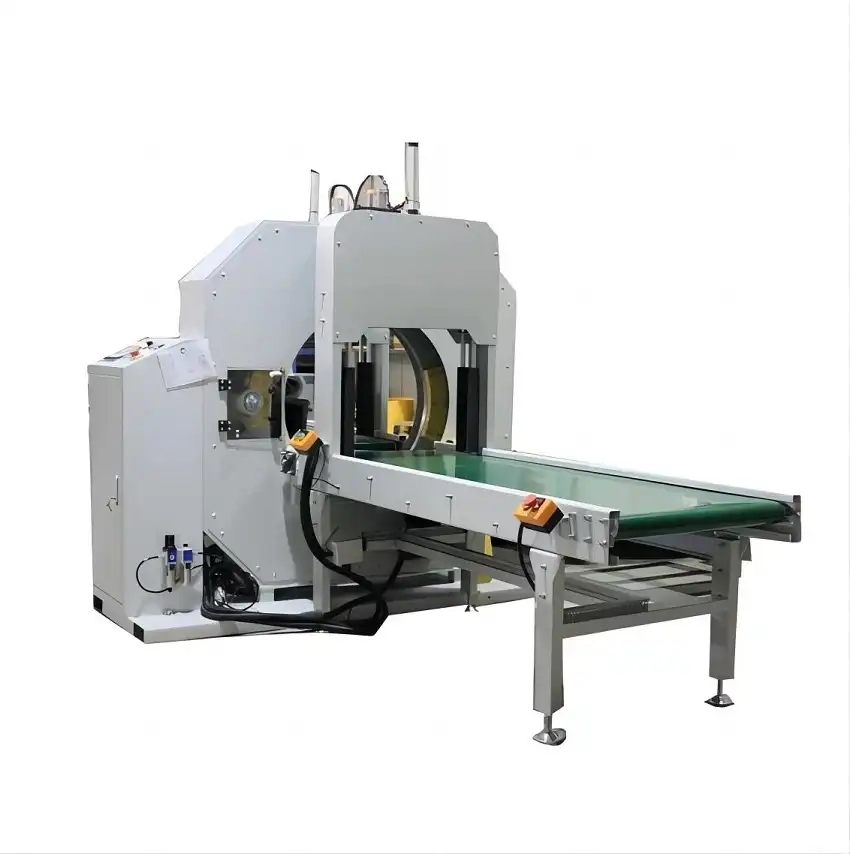
Beyond protecting against dust and moisture, orbital wrapping machines bring other significant benefits to factories in Egypt. They greatly increase packing speed and efficiency, which frees up labor for other tasks. They also improve workplace safety by reducing the need for manual handling of heavy items. This lowers labor costs, cuts down on product damage during internal transport, and ultimately boosts overall factory profitability and output.
I remember when my factory was growing, we always looked for ways to make things faster and safer. Manual packing was not just slow; it was dangerous for my team. That is why I believe in automation. Let me show you some of the other key benefits you can expect.
Operational Improvements and Cost Savings
Orbital wrapping machines transform your packing process. This leads to clearer benefits in how your factory runs and how much money you save.
Increased Efficiency and Throughput
- Faster Packing Cycles: Orbital wrappers work much faster than manual wrapping. They can wrap large volumes of gypsum boards or PVC panels quickly. This speeds up your whole production line.
- Consistent Quality: Machines wrap packages the same way every time. This means uniform protection and a professional look for all your products. Manual wrapping varies a lot, leading to inconsistent results.
- Reduced Labor Dependency: One machine can do the work of several people. This means you need fewer workers for packing. Those workers can then move to other important jobs in the factory. This makes your team more effective.
Enhanced Workplace Safety
- Minimized Manual Handling: Heavy and bulky items like gypsum boards can be hard and dangerous to move. Orbital wrappers reduce the need for workers to lift, turn, or carry these items manually. This lowers the risk of back injuries, strains, and other accidents.
- Stable Loads: The tight wrap makes packages more stable. This means less chance of products shifting or falling during transport inside the factory or during loading. This protects both workers and products.
- Better Working Environment: Reducing manual effort for repetitive tasks improves the overall safety culture. It shows your commitment to your employees’ well-being, which can reduce employee turnover.
Significant Cost Reductions
- Lower Labor Costs: With fewer workers needed for packing, your labor costs go down. This is a direct saving that impacts your bottom line every day.
- Decreased Product Damage: Less damage from dust, moisture, and rough handling means fewer rejected products. It also means fewer customer complaints and returns. This saves you money on replacement products and shipping.
- Optimized Film Usage: Orbital wrappers use stretch film very efficiently. They stretch the film to its maximum potential. This means you get more coverage from less film. It reduces your material costs over time.
- Insurance Savings: Fewer workplace injuries can lead to lower insurance premiums and fewer legal liabilities related to worker safety.
By bringing an orbital wrapping machine into your factory, you are not just buying a piece of equipment. You are investing in a comprehensive solution that improves your efficiency, safety, and profitability. For a factory manager like you, these are critical areas. You are looking for clear ROI, and these machines deliver just that. They help you meet production targets, keep your team safe, and boost your financial health.
How Can You Pick the Best Orbital Wrapping Machine for Your Needs?
You are convinced about the benefits of orbital wrapping machines. Now, the big question is: How do you choose the right one for your factory in Egypt? It is not a simple purchase. It is a strategic investment. I have seen many companies make mistakes by rushing this decision. From my own experience building a factory and helping many clients, I know what goes into making a smart choice.
To pick the best orbital wrapping machine for your needs, you must first assess your specific product dimensions and weight, required packing speed, and the level of automation desired. You need to consider the machine’s durability, local after-sales support, and the total cost of ownership, not just the initial price. Looking for a partner who understands your production challenges, like I do, is crucial for long-term success.

When I was first setting up my own packing machine factory, I had to choose every piece of equipment carefully. I learned that getting it right the first time saves a lot of trouble and money later. It is about finding a machine that truly fits your operations, not just any machine. Let me share my insights on how to approach this important decision.
My Expert Advice on Choosing Your Orbital Wrapper
Making the right choice for an orbital wrapping machine involves looking at several key areas. It is about finding a balance between your needs and the machine’s features.
Match Machine to Product Specifications
- Size and Weight: First, measure your gypsum boards and PVC panels. You need a machine with a wrapping ring big enough for your widest and tallest products. Also, check the weight capacity. My team has seen cases where a factory buys a machine only to find their largest product does not fit. This is a costly mistake.
- Throughput Requirements: How many boards or panels do you need to pack per hour? Machines come with different speeds. Match the machine’s speed to your production line’s speed. You do not want a bottleneck at the packing stage.
- Level of Automation: Do you need a fully automatic system that integrates into your existing line? Or is a semi-automatic machine, where an operator loads the product, enough? This depends on your budget and labor availability.
Focus on Machine Quality and Durability
- Build Materials: Factories in Egypt often have tough conditions. Look for machines made with strong materials. This means steel frames that can handle constant use. My own factory equipment has to be robust, and I expect the same for my customers.
- Reliable Components: Check the parts that move. Are they from reputable brands? Good quality motors, sensors, and electronic controls mean fewer breakdowns. Downtime is expensive.
- Maintenance Needs: Ask about the machine’s maintenance schedule. How easy is it to get spare parts? A machine that is hard to maintain will cost you more in the long run.
Consider Support and Partnership
- After-Sales Service: This is critical. You need to know that if something goes wrong, you can get help quickly. Is there local support in Egypt? Can the supplier send technicians? When I started, I found out the hard way that a good sales pitch means nothing without good support.
- Training: Will the supplier train your staff to operate and maintain the machine safely and efficiently? Proper training ensures you get the most out of your investment.
- Supplier Expertise: Does the supplier understand your industry? Can they offer insights beyond just selling a machine? As someone who built a factory from the ground up, I believe in being a partner, not just a seller. You need someone who understands your challenges with efficiency bottlenecks, safety concerns, and product damage.
When you are looking for an orbital wrapping machine, think of it as finding a trusted partner, not just a vendor. A good partner will help you select the right machine, support you after the purchase, and ensure your investment truly helps your business grow. This approach has helped many of my clients achieve great success, and I am confident it can help your factory in Egypt too.
Conclusion
Orbital wrapping machines offer a powerful solution for protecting gypsum boards and PVC panels in Egypt from dust and moisture. They boost efficiency, improve safety, and cut costs, making them a smart investment for any factory aiming for higher profitability and consistent product quality.








