
How Do Orbital Stretch Wrappers Reduce Shipping Damage in New Zealand’s Long-Distance Export Supply Chains?
Sending goods across oceans, especially from a place like New Zealand, brings big challenges. You work hard to make quality products, but then they travel thousands of miles. This long journey often means damage can happen. It leads to lost money, angry customers, and a hit to your brand. Many factory managers I talk to feel this pressure every day.
Orbital stretch wrappers drastically reduce shipping damage by creating a secure, watertight, and compact package that protects goods from impacts, moisture, and shifting during long transit times, a crucial benefit for New Zealand’s export-heavy industries like steel and timber.

I know what it feels like to worry about products once they leave the factory. That is why I built FHOPEPACK. I want to share how orbital stretch wrappers are not just machines. They are a core part of protecting your investment and reputation. Let us dive deeper into how this technology changes the game for your exports.
How Do Orbital Wrappers Ensure Products Arrive Safely in Far-Off Lands?
You make great products, but getting them to customers without damage is a constant battle. Long journeys mean rough handling, bumps, and exposure to all kinds of weather. This can ruin your hard work and lead to costly returns or angry clients. It is a problem that keeps many factory owners up at night.
Orbital stretch wrappers use a unique 360-degree wrapping method. They apply a strong film around the entire product. This creates a secure, tightly bound package. It protects goods from physical impact, dust, and moisture during long-distance shipping.
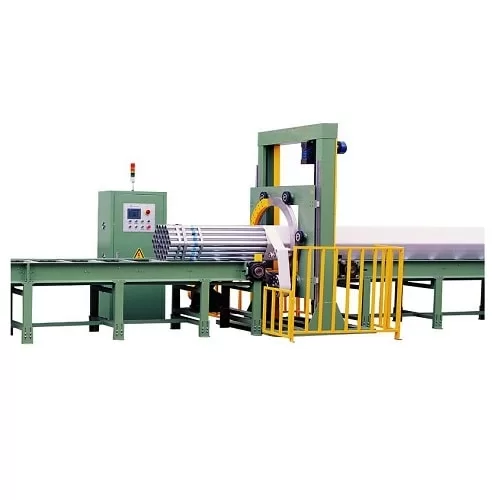
When I was first starting out in the packing machine industry, I saw many cases where a product was perfect at the factory. But it arrived damaged because of poor packaging. This really stuck with me. Orbital wrappers fix this issue head-on. They provide a protective layer that simple strapping or standard pallet wrapping cannot match. This is especially true for long, narrow, or oddly shaped items. Think about steel coils or timber beams leaving New Zealand. These items need maximum protection. The wrapper’s film creates a tight barrier. It holds the product together. This stops parts from moving or breaking. It also keeps out dirt and water. This is vital when goods travel through different climates and open seas.
Key Ways Orbital Wrappers Boost Product Safety in Transit
- Complete Enclosure: The machine wraps the product from all sides. This means no part is left exposed. It forms a kind of cocoon around the item. This is different from top-to-bottom stretch wrapping. That method leaves the sides or ends open. Complete enclosure is critical for sensitive goods or harsh shipping conditions. It gives a barrier against external threats.
- Load Stability: The tight wrap compresses the load. It makes it very stable. This stops items from shifting inside the package during bumps or sudden stops. When goods move on a ship, they can collide with each other or the container walls. This leads to dents, scratches, or worse. A stable load prevents this internal damage.
- Environmental Protection: Exported goods face varying temperatures and humidity. They might sit in damp warehouses or on open docks. The stretch film acts as a shield. It keeps out rain, moisture, and dust. This is very important for metal products like steel coils. Moisture can cause rust. Dust can contaminate surfaces. The film protects against these elements.
- Impact Resistance: While film cannot stop all impacts, the multi-layered wrap spreads out the force of small bumps. It reduces the direct damage to the product surface. It also holds broken pieces together if an item does shatter. This makes it easier to handle and can save some parts.
| Type of Shipping Damage | How Orbital Wrappers Mitigate It |
|---|---|
| Scratches/Abrasions | Multi-layer film protects outer surfaces from rubbing and scuffing against other freight or container walls. |
| Moisture/Rust | Watertight barrier prevents water ingress, protecting metal goods from corrosion during sea transit or humid storage. |
| Dust/Dirt | Full enclosure keeps out airborne particles, ensuring products arrive clean and ready for use. |
| Shifting/Breakage | Tightly wrapped, compressed load prevents internal movement and external impact from dislodging or breaking items. |
| UV Degradation | Certain films offer UV resistance. This protects goods from sun damage during outdoor storage or transit in open containers. |
Using an orbital wrapper means less worry about your products. It boosts customer satisfaction. It cuts down on expensive damage claims. This makes your export business stronger. It gives you peace of mind.
Can Automating with Orbital Wrappers Really Boost Your Factory’s Efficiency and Safety?
In factories like yours, manual labor for packing heavy items is a big problem. Workers struggle with bulky steel coils or long timber. This is slow and very dangerous. Accidents can happen. Injuries are common. This leads to high insurance costs. It causes delays in production. Many managers are looking for a way to speed things up and keep their teams safe.
Yes, orbital wrappers significantly boost efficiency by automating the packing process. They dramatically improve safety by eliminating the need for manual handling of heavy or awkward loads. This reduces worker injuries and speeds up production lines.
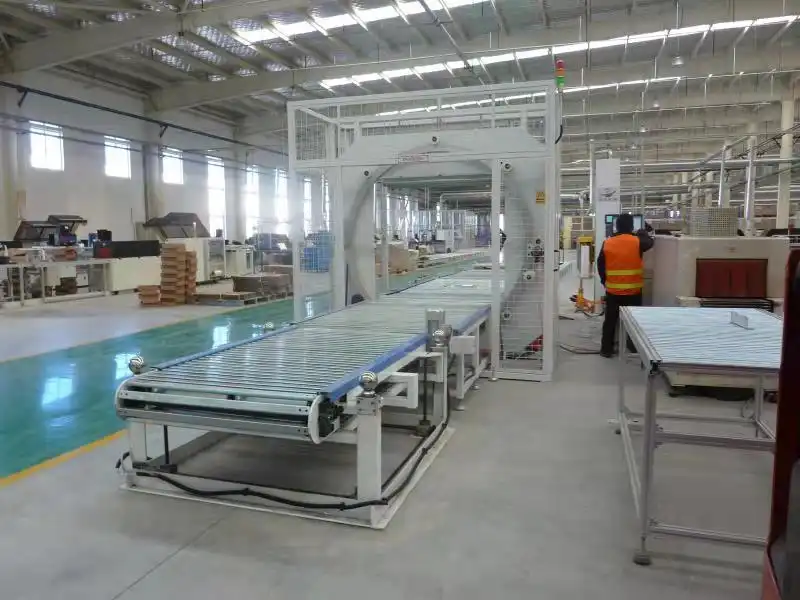
When I started FHOPEPACK, one of my main goals was to make factories safer and more productive. I had seen firsthand the risks workers faced. I also saw how much time was wasted on slow, manual packing. Orbital wrappers solve both these issues. They are a game-changer. Imagine replacing a team of workers struggling to wrap a large coil by hand. Now, one operator guides the coil onto a conveyor. The machine does the rest. This speeds up your packing line in a big way. It also frees up your workers for less risky, more valuable tasks. This is not just about speed. It is also about doing things consistently. A machine wraps the same way every time. This means reliable, high-quality packaging. Manual wrapping can be inconsistent. It depends on the worker’s skill and fatigue. Automation brings predictability. It improves output quality. This is vital for New Zealand’s export standards.
How Orbital Wrappers Transform Safety and Throughput
- Eliminating Manual Handling Risks: The biggest safety gain comes from removing human interaction with heavy, moving loads. Workers no longer need to lift, turn, or manually wrap large items. This prevents common injuries like back strains, crushed limbs, and cuts. These injuries are costly in terms of medical bills, lost workdays, and higher insurance premiums. Automation means a safer workplace.
- Increased Wrapping Speed: Orbital wrappers can wrap items much faster than a person can. They are designed for continuous operation. This means more packages are ready for shipment in less time. For factories that need to move high volumes, this is a huge advantage. It stops bottlenecks at the end of the production line. It ensures goods leave on schedule.
- Consistent Wrap Quality: Machines do not get tired or make mistakes. They apply the film with consistent tension and overlap. This ensures every package has the same level of protection. Manual wrapping can vary. Some wraps might be too loose. Others might be uneven. This leads to weak spots. Consistent quality reduces damage during transit. It boosts customer confidence.
- Reduced Labor Costs: While there is an upfront investment, orbital wrappers reduce the need for multiple laborers on the packing line. Over time, this saves significantly on wages, benefits, and training costs. The savings from fewer injuries also add up. This contributes to a healthier bottom line for your factory.
| Aspect of Operation | Manual Packing | Orbital Wrapper Automation |
|---|---|---|
| Worker Safety | High risk of strain, crushing, cuts; frequent injuries. | Minimal direct contact with heavy loads; significantly lower injury risk. |
| Packing Speed | Slow, inconsistent; depends on worker stamina. | Fast, continuous; high throughput capacity. |
| Wrap Quality | Variable tension, inconsistent coverage; prone to human error. | Uniform tension, consistent overlap; high-quality, reliable packaging. |
| Labor Cost | High ongoing labor expenses for multiple workers. | Reduced labor needs; lower long-term operational costs. |
| Production Bottlenecks | Common at end-of-line due to slow process. | Eliminates bottlenecks; smooth, continuous flow. |
Investing in an orbital wrapper is an investment in your people. It also boosts your factory’s overall capacity. It helps you meet demanding export schedules with confidence.
Why Are Orbital Wrappers Ideal for New Zealand’s Diverse and Heavy Export Goods?
New Zealand exports many unique products. These include large steel coils, long timber, and various manufactured goods. These items are often heavy and have awkward shapes. They need special care during transit. Traditional wrapping methods often fail to protect them adequately. This leads to damage. It causes worries for exporters shipping goods over long distances.
Orbital wrappers are ideal for New Zealand’s diverse and heavy export goods because their unique horizontal wrapping action secures challenging shapes like coils, pipes, and timber, providing superior stability and environmental protection for long-distance sea freight.
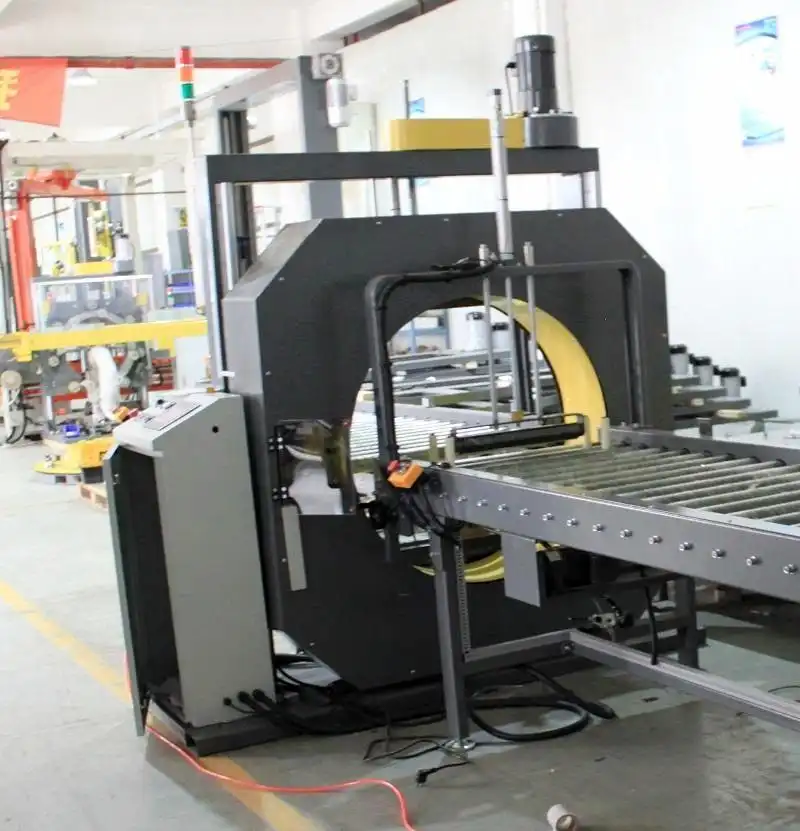
My experience with packing machines taught me that one size does not fit all. Especially when you are dealing with a country like New Zealand, with its specialized exports. Regular vertical pallet wrappers are great for standard boxes. But they do not work well for items that are long or have a hole in the middle. Think about a huge steel coil. Or long lengths of pipe. These need a wrap that goes around their entire length. This is where orbital wrappers shine. They wrap horizontally. This means the film covers all surfaces of a long item. It holds it tight. This prevents movement inside the package during the rough journey. For New Zealand exporters, this means their valuable goods arrive intact. This is true whether they are going to Europe, Asia, or America. The machine adapts to the product’s shape. It provides a secure, custom fit. This makes it perfect for the varied products that leave New Zealand’s ports.
Tailoring Protection for Specific New Zealand Exports
- Securing Irregular Shapes: Many of New Zealand’s exports, such as steel profiles, large diameter pipes, or bundles of timber, are not rectangular. Orbital wrappers excel at securing these irregular, elongated, or ring-shaped items. The rotating ring applies film evenly around the product’s entire perimeter. This makes a snug, protective barrier. It prevents parts from snagging or breaking off.
- Load Containment for Heavy Goods: Heavy items, like metal coils, need robust containment. Simple strapping can loosen. Standard stretch wrap might tear under stress. Orbital wrappers use a strong film and apply high tension. This creates a very stable load. This is critical for preventing shifting within sea containers. Such shifting can damage not only your product but also other cargo.
- Protection Against Marine Environments: Sea freight exposes goods to salt spray, extreme humidity, and temperature changes. These conditions can cause corrosion, mold, or material degradation. The tightly applied film from an orbital wrapper forms a strong barrier. It protects against these elements. Some films also offer UV protection. This is important for products stored outdoors before shipment.
- Optimizing Space and Handling: A well-wrapped package is often more compact and easier to handle. This can optimize space inside shipping containers. It makes loading and unloading more efficient. This is another small but important gain for long-distance logistics. A tighter package is also less likely to snag on equipment.
| Export Product Type in NZ | Typical Damage Risk in Transit | How Orbital Wrappers Help |
|---|---|---|
| Steel Coils/Wire Bundles | Edge damage, rust from moisture, unwinding. | 360-degree wrap protects edges; moisture barrier prevents rust; tight wrap prevents unwinding. |
| Timber Bundles/Profiles | Scratches, splintering, moisture absorption, shifting. | Secures bundles tightly, prevents abrasion; film acts as moisture shield; stable load prevents shifting. |
| Pipes/Rods | Bending, surface damage, breaking. | Custom fit wrap supports length; protects surfaces; prevents independent movement of individual pipes. |
| Manufactured Components | Scratches, dust, impact. | Full enclosure protects delicate surfaces; impact resistance for minor bumps; dust prevention. |
For New Zealand exporters, an orbital wrapper is not just a packing machine. It is a strategic tool. It helps ensure your valuable products reach global markets in perfect condition.
What Is the Real Return on Investment When You Choose an Orbital Wrapper?
Many factory managers are careful about new equipment. They see the upfront cost. They might wonder if it is worth it. They often face pressures to cut costs and boost profits. Investing in new machines must make financial sense. It needs a clear return on investment (ROI). Otherwise, it is just another expense.
Choosing an orbital wrapper offers a clear return on investment by significantly reducing labor costs, cutting down on product damage claims, minimizing material waste, and increasing overall production capacity, leading to higher profitability for exporters.

When I built my packing machine factory, every investment had to prove its worth. It had to show how it would help us grow. The same thinking applies to an orbital wrapper. This machine does not just improve packing. It directly impacts your bottom line. Think about how much you spend on labor for manual packing. Or how often you deal with product damage claims from customers. Each of these costs eats into your profits. An orbital wrapper cuts these costs dramatically. It reduces the need for multiple workers on the packing line. It ensures products are better protected. This means fewer claims. It also uses film efficiently. This reduces material waste. All these savings add up. They lead to a faster return on your investment. Then, they contribute to your ongoing profitability. This helps your business grow.
Key Factors Driving ROI for Orbital Wrapper Investment
- Labor Cost Reduction: This is often the biggest saving. An orbital wrapper can do the work of several people. This frees up your staff for other tasks. Or it allows you to reduce your packing team. The long-term savings on wages and benefits are substantial. This payback period can be surprisingly short.
- Reduced Product Damage: Fewer damaged goods mean fewer customer complaints. It means less money lost on returns, replacements, or discounted products. It also protects your brand’s reputation. Damaged goods are a silent killer of profits. Preventing this offers a huge return.
- Lower Insurance Claims and Premiums: With fewer damages, your claims history improves. This can lead to lower insurance premiums over time. It also means less administrative work dealing with claims. This saves time and money.
- Increased Throughput and Production Capacity: A faster packing process means you can move more products out the door. This allows you to fulfill larger orders. It helps you meet tight deadlines. This increased capacity directly translates to more sales and higher revenue potential for your export business.
- Optimized Material Usage: Modern orbital wrappers have precise controls. They apply film efficiently. They reduce unnecessary overlaps or waste. This saves on film costs. While each roll might seem small, these savings add up over thousands of packages.
| ROI Factor | Before Orbital Wrapper (Manual) | After Orbital Wrapper (Automated) | Potential Savings/Gain |
|---|---|---|---|
| Labor Cost | High (multiple workers, overtime) | Low (one operator, reduced hours) | 50-70% reduction in packing labor |
| Product Damage Rate | Moderate to high (manual errors, poor wrap) | Very low (consistent, protective wrap) | 80-95% reduction in damage claims |
| Material Waste | High (inconsistent application, re-wrapping) | Low (optimized film use, fewer re-wraps) | 10-25% reduction in film waste |
| Production Speed | Slow, bottlenecked | Fast, continuous flow | 200-500% increase in packing speed |
| Insurance Premiums | Potentially higher (due to claims) | Potentially lower (due to fewer claims) | Varies, but often noticeable |
The financial benefits of an orbital wrapper are clear. It is not just about automation. It is about smart business. It is about making your operations leaner. It is about making them more profitable.
My Insights: Why Partnering with the Right Expert Matters for Your Packing Automation Journey?
I have seen many factory managers make big investments in new equipment. Sometimes it works out great. Other times, they end up with a machine that does not solve their real problems. They might have dealt with sales teams who just want to sell, and then vanish when help is needed. This creates a real trust problem. You need a partner who understands your business, not just a vendor.
When I started FHOPEPACK, it was after many years working inside a packing machine factory. I saw all the challenges from an employee’s point of view. I learned how machines worked. I also learned what problems customers truly faced. Then, I decided to build my own factory. This journey taught me a lot. It showed me how to grow a business. It helped me achieve financial independence. I did this by truly understanding what my clients needed. I did not just sell them a machine. I offered solutions.
I helped many of my clients grow their own businesses. I worked with them to make their packing lines better. For example, I remember a client struggling with their steel wire packing. It was slow. It was dangerous. They tried a few different machines, but nothing quite fit. I spent time understanding their specific production line. I looked at their current challenges. I thought about their future goals. Then, I suggested a specific orbital wrapping solution. It was not just off-the-shelf. We tweaked it. We made it fit their unique needs. It dramatically cut their labor costs. It reduced product damage to almost zero. Their output went way up. They became more profitable. This kind of partnership is what I believe in.
I am grateful for the opportunities the packing machine industry has given me. Now, I want to give back. I share my expertise. I offer insights. My goal is to help other businesses succeed. I want to make sure you do not make the same mistakes I saw others make. When you look for a packing machine, you are not just buying steel and wires. You are buying a solution. You are buying expertise. You are buying a partner who understands your production bottlenecks. You want someone who knows about safety concerns. You need someone who can truly solve your efficiency problems. That is what FHOPEPACK is all about. We want to help you make smart choices. We want to help your business grow. We want to help you achieve your goals.
Conclusion
Orbital stretch wrappers are vital for New Zealand’s exports. They boost safety, cut damage, and increase efficiency. This leads to higher profits and a stronger reputation in global markets.








