
How Do Orbital Stretch Wrappers Compare in Speed and Film Usage for Brazilian Plants?
For many years, I have seen factories struggle with inefficient packing lines. It is a common problem. You work hard to produce goods, but then the final step slows everything down. This bottleneck impacts your whole operation. It increases costs and makes you miss important deadlines. It is a big issue for many businesses, especially those in heavy industries. You want to move your products fast and keep them safe. Manual packing often cannot keep up. It also wastes materials. This creates a real challenge for plant managers who want better performance.
Orbital stretch wrappers greatly improve packing speed and reduce film usage for Brazilian plants. They use automation to wrap products much faster than people can. They also use advanced film-stretching technology. This means you use less material for each package. This leads to big savings and a more efficient packing line. These machines are a smart investment for plants handling long or bulky items.
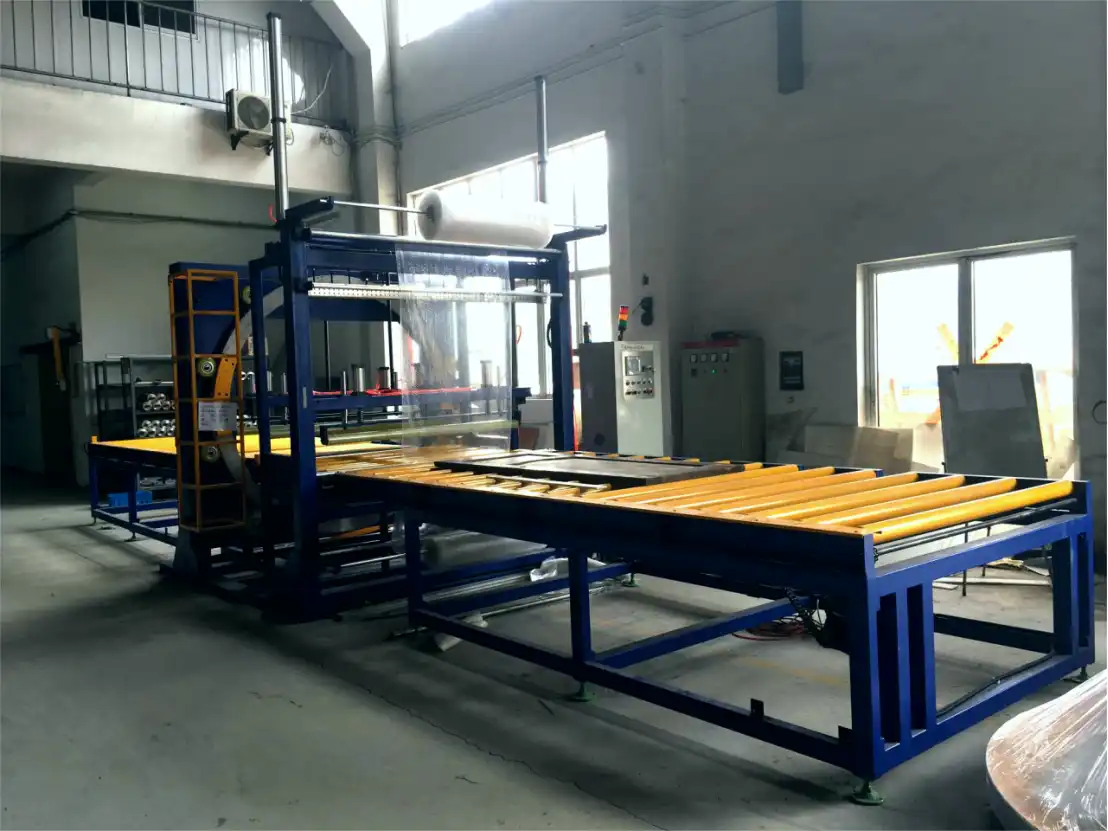
The questions about packing machine performance are always important. Many factory managers, like Michael from the metal processing plant, often ask about real-world benefits. They want to know if new equipment will truly solve their problems. This includes how fast a machine works and how much material it uses. Let us look closer at how orbital stretch wrappers deliver on these promises. We will see how they help plants grow.
How Do Orbital Wrappers Boost Speed for Brazilian Manufacturing?
Manual packing can slow down your entire production line. Workers must move heavy items. They wrap them slowly by hand. This creates a bottleneck at the end of the line. It means finished products wait to be shipped. This delay costs your plant money. It reduces your overall output. It also puts pressure on your team to work faster, which can lead to mistakes.
Orbital wrappers significantly increase packing speed for Brazilian manufacturing plants. They do this by automating the wrapping process. This removes the need for slow, manual work. The machines wrap products quickly and consistently. This reduces cycle times. It ensures a steady flow of packed goods. This helps plants keep up with high production demands.
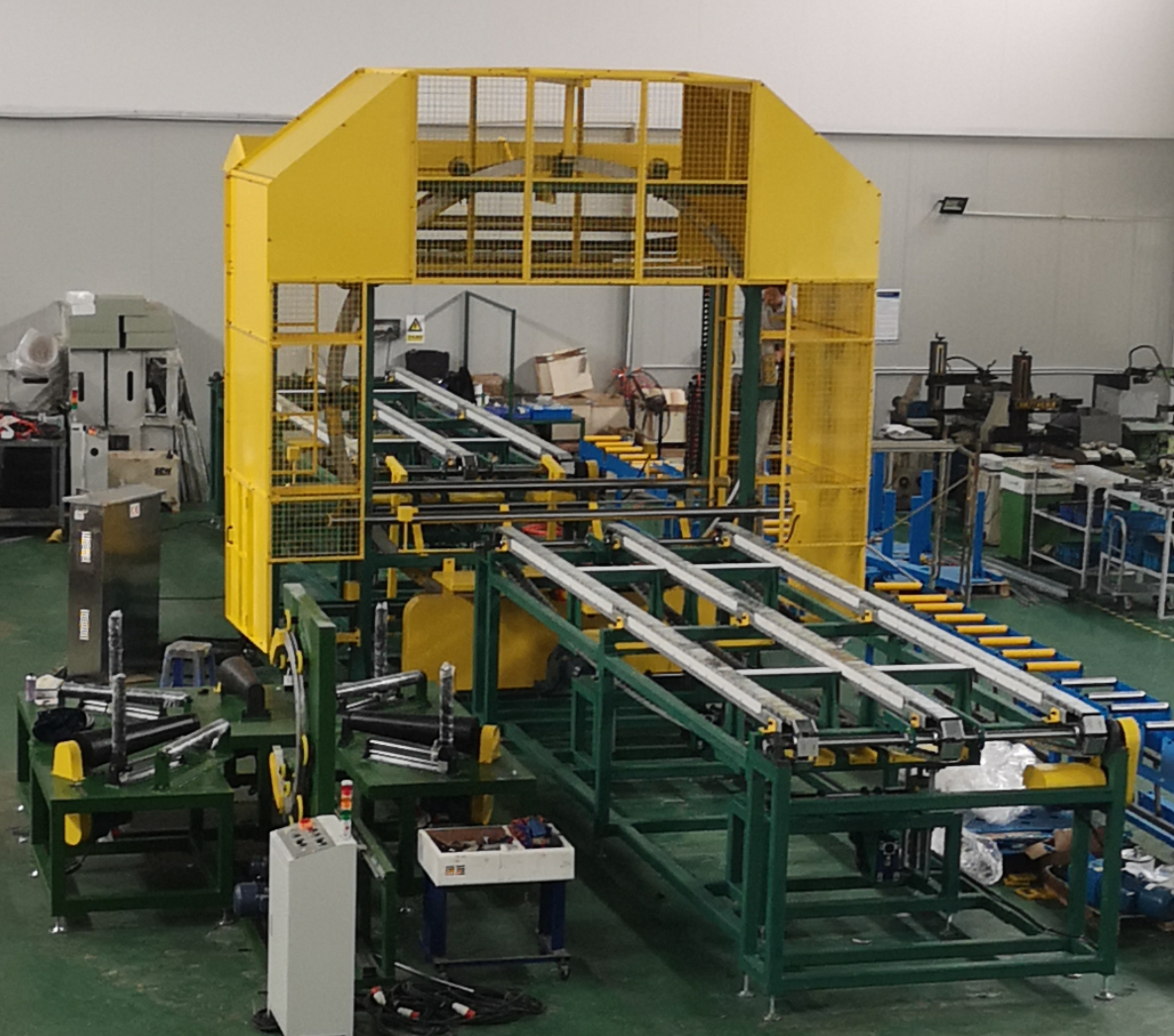
Factors Affecting Wrapping Speed and Plant Throughput
When you look at how fast an orbital wrapper works, many things come together. First, the machine’s design matters a lot. Modern orbital wrappers have fast rotating rings. These rings apply film quickly. They also have good conveyors that move products smoothly. This means less stopping and starting. The speed also depends on the product itself. Big, heavy coils or long steel bars take more wrapping. However, the machine handles them in a continuous flow. This is a big change from manual methods.
From my time running a packing machine factory, I saw how much time manual packing wasted. Workers had to move each coil. Then they had to walk around it many times to wrap it. This took a long time. It also tired them out. An orbital wrapper just takes the product. It wraps it. Then it pushes it out. This is much faster. Also, the machine works the same way every time. People get tired. They might slow down. They might make mistakes. Machines do not. This consistency means you get the same fast speed all day, every day.
Consider a typical Brazilian plant. Maybe they produce many steel coils. With manual wrapping, they can pack only a few coils per hour. This creates a backlog. Orders pile up. Customers get upset. With an orbital wrapper, they can pack many more coils per hour. This frees up space. It lets them ship products faster. This directly impacts their profits. It makes customers happier. For a manager like Michael, this speed means he can increase output. He can meet production targets more easily. This helps him relieve the pressure of high demand.
The integration of the wrapper into the production line is also key. A standalone wrapper is good. But a wrapper that works with existing conveyors and systems is even better. It creates a seamless flow. This reduces handling time. It gets products ready for shipping faster. This means less downtime. It means more productive hours.
| Feature | Manual Wrapping Speed | Orbital Wrapper Speed (Approx.) | Impact on Plant Output |
|---|---|---|---|
| Wrapping Cycles | 1-2 items per hour (heavy) | 20-60 items per hour | 10x to 30x increase in throughput |
| Consistency | Varies with worker fatigue | Consistent, high speed | Reliable output, predictable delivery |
| Product Flow | Stop-start, manual handling | Continuous, automated flow | Reduced bottlenecks, smoother operations |
| Labor Needed | Multiple workers | One operator (or none for full auto) | Labor costs reduced, workers reallocated |
This table shows the clear difference. A plant investing in an orbital wrapper sees a quick jump in speed. This helps them stay competitive. It makes them more able to handle big orders. It also improves their delivery times.
Can Orbital Wrappers Really Save Film in Brazilian Factories?
Film waste is a big concern for factories. Each roll of stretch film costs money. If you use too much, your costs go up. This directly affects your profit margins. Many manual wrapping methods use a lot of film. Workers might overwrap for security. Or they might not stretch the film efficiently. This leads to unnecessary material consumption. This also creates more plastic waste. Businesses want to be efficient and responsible.
Yes, orbital wrappers can significantly save film in Brazilian factories. They do this through advanced pre-stretch technology. This stretches the film before it even touches the product. This means one roll of film goes much further. They also have precise tension control. This applies the right amount of film every time. This reduces waste. It ensures a secure wrap using less material.

Technologies Behind Film Savings and Cost Reduction
The way an orbital wrapper saves film is quite smart. The main technology is called pre-stretch. This is a system inside the machine that stretches the film. It stretches the film before it reaches the product. For example, a 200% pre-stretch means that 1 foot of film becomes 3 feet of film. This is done mechanically. It is much more efficient than a person trying to stretch film by hand. When I was starting my factory, I realized how much material was wasted with basic wrapping. This pre-stretch technology changes everything. It makes every roll of film last much longer.
Another key feature is tension control. Modern orbital wrappers have systems that control how tight the film is wrapped. This means the machine applies the exact right amount of film. It is not too loose. It is not too tight. This reduces the risk of film breaking. It also makes sure you do not use more film than you need. With manual wrapping, people often just pull the film as hard as they can. Or they might not pull it enough. This leads to wasted film or a weak wrap. Machines are precise. They get it right every time.
Think about a factory like Michael’s. They deal with heavy steel coils. Each coil needs to be wrapped well to prevent damage. If they use too much film, it adds up. A small saving per coil becomes a huge saving over thousands of coils. This directly impacts their bottom line. It makes the investment in the machine pay for itself faster.
Choosing the right type of film also helps. Orbital wrappers work best with high-quality stretch film designed for pre-stretch machines. This film is strong. It can stretch a lot. This means you can get even more mileage from each roll. My experience showed me that investing in good film and a machine that uses it well always pays off. It is not just about saving film. It is about getting a better, stronger wrap with less material. This helps reduce overall operating costs for the plant.
| Feature | Manual Wrapping Film Usage | Orbital Wrapper Film Usage | Cost Savings & Impact |
|---|---|---|---|
| Pre-stretch | None or low | Up to 300% | Uses 2-4 times less film per package |
| Tension Control | Inconsistent | Precise & Automatic | Avoids film breaks, optimizes wrap strength |
| Film Waste | High (due to overwrapping) | Low (due to efficiency) | Reduces material costs, less environmental impact |
| Wrap Quality | Varies | Consistent & Secure | Better product protection, fewer customer complaints |
This structured approach to film usage shows that orbital wrappers are not just about speed. They are also about smart material management. This helps plants in Brazil save money. It also helps them be more sustainable.
What Operational Benefits Do Brazilian Plants Gain Beyond Speed and Film Savings?
Many factory managers focus on speed and cost. These are important. But good equipment offers more. Manual operations, especially with heavy goods, bring many risks. There are safety issues. Workers can get hurt. Products can get damaged during handling. This leads to more costs, like insurance and repairs. It also creates unhappy employees and customers.
Brazilian plants gain significant operational benefits from orbital wrappers beyond speed and film savings. They improve worker safety by reducing the need for manual handling of heavy items. They also reduce product damage during transit. This is because the wraps are consistent and secure. These machines also free up labor. This means workers can do other, more valuable jobs. This all leads to better overall plant performance and higher profits.
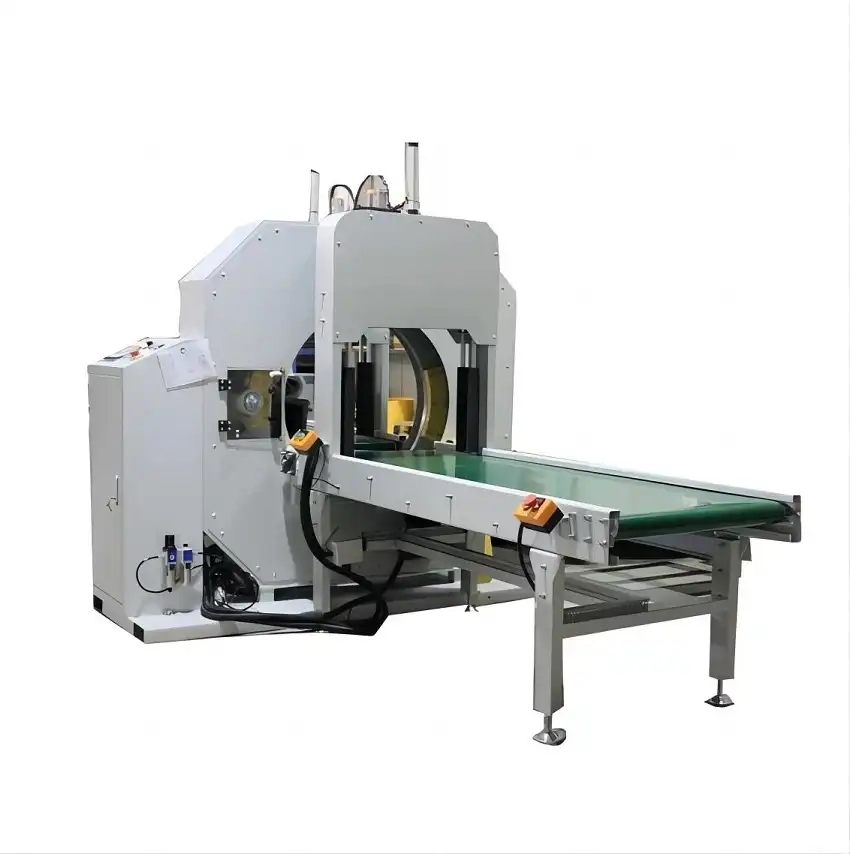
Improving Safety, Reducing Damage, and Optimizing Labor
The safety aspect is huge. I have spoken with many factory managers, like Michael. They tell me about the risks of moving heavy things. In a metal processing plant, coils and wires are very heavy. Workers lifting them or trying to wrap them by hand face a high risk of injury. This leads to lost workdays. It increases insurance costs. It can even make good workers leave. An orbital wrapper takes this risk away. The machine handles the heavy wrapping. It means fewer hands on dangerous tasks. This makes the workplace much safer for everyone. This is a big win for any plant.
Product damage is another big problem. When coils or wires are moved or wrapped by hand, they can get scratched. Their edges can get bent. This makes customers unhappy. They might send the product back. This causes delays and financial losses. Orbital wrappers apply a tight, consistent wrap. This protects the product well. The wrap keeps the product safe from dirt, moisture, and impact during transport. I have seen plants reduce their product damage claims by a lot after switching to automated wrapping. This means more perfect products reach the customer. This builds trust. It also saves money.
Labor optimization is also very important. When you have workers spending hours wrapping by hand, that is time they cannot spend on other things. An orbital wrapper can do the work of several people. This does not mean you have to fire workers. Instead, you can move these workers to more skilled tasks. They can work on quality control. They can work on maintenance. They can work on other areas that add more value to the plant. This makes your workforce more efficient. It helps the plant grow without hiring many more people.
For Michael’s plant, these benefits are central to his goals. He wants to improve safety. He wants to reduce damage. He wants to lower costs. An orbital wrapper directly helps with all these points. It is not just a machine. It is a tool that transforms the way a factory operates. It creates a more reliable and profitable system. This helps the plant be more competitive in the market.
| Operational Benefit | Manual Method Limitations | Orbital Wrapper Solution | Impact on Plant Performance |
|---|---|---|---|
| Safety | High risk of strains, back injuries from lifting/wrapping heavy items. | Automated wrapping reduces manual handling, lowering injury risk. | Safer workplace, fewer accidents, lower insurance costs. |
| Product Protection | Inconsistent wrap, risk of scratches or dents during manual handling. | Consistent, secure, and tight wrap protects products from damage. | Reduced customer complaints, less product waste, higher quality. |
| Labor Efficiency | Workers dedicated to slow, repetitive wrapping tasks. | Frees up labor for higher-value activities, reducing reliance on manual labor. | Lower labor costs, improved productivity, better use of skilled staff. |
| Consistency | Wrap quality varies by worker and fatigue. | Uniform wrap quality, consistent appearance for all products. | Professional image, reliable packaging, improved brand reputation. |
These benefits show that an orbital wrapper is a holistic solution. It helps solve many operational challenges at once. This makes it a smart investment for any heavy industry plant.
My Insights: How to Choose the Right Orbital Wrapper for Your Plant?
Choosing the right machine can feel hard. There are many options. You might worry about making the wrong decision. Some suppliers only want to sell a machine. They do not offer good support later. This can make factory managers, like Michael, very careful. They have had bad experiences before. They want a partner who truly understands their needs.
Choosing the right orbital wrapper for your plant requires careful thought. You must consider your product type, the volume you need to pack, and your budget. It is also vital to find a supplier who offers strong support and understands your long-term goals. Look for a partner who can provide expert guidance. This ensures your investment genuinely solves your challenges.

Key Considerations for a Smart Investment
When you look for an orbital wrapper, you must start with your product. What are you wrapping? Is it a steel coil, a long pipe, or something else? What are its dimensions? How much does it weigh? These details determine the size and strength of the wrapper you need. A machine made for light items will not work for heavy steel. You also need to think about how many items you pack each day. This is your throughput. If you have a very high volume, you might need a faster machine. You might even need one that runs fully automatically.
From my experience building and running a factory, I learned that a machine is only as good as its integration. Does the wrapper fit into your current production line? Can it connect with your conveyors? Will it make the flow of products smoother? Or will it create new bottlenecks? A good supplier helps you plan this. They look at your whole system. They do not just sell you a box. They provide a solution that fits your specific factory.
The supplier relationship is crucial. Michael’s concern about past suppliers who were “sales-focused” is something I hear often. You want a partner who knows the industry. You want someone who has solved problems like yours before. When I started FHOPEPACK, my goal was to share knowledge. It was to help others avoid the mistakes I saw or even made myself. I want to be a partner who gives insights. I want to help you pick the right machine. I also want to make sure it works well for years. This means good installation, training, and ongoing support.
Do not just look at the price tag. Look at the total value. What is the return on investment (ROI)? How much will you save in labor costs? How much less product damage will you have? How much more can you produce? These savings add up fast. They make the machine pay for itself. A good machine is an asset. It helps your business grow. It is not just an expense. This long-term thinking is what separates successful factories from those that struggle.
| Factor | Why It Matters | How to Evaluate | Randal’s Insight |
|---|---|---|---|
| Product Specifics | Ensures machine can handle your items (size, weight, shape). | Share detailed product specs with suppliers. | “Always start with your product. The machine must fit it perfectly.” |
| Production Volume | Determines required speed and automation level. | Calculate daily/hourly output needs. | “Match the machine’s capacity to your actual production flow.” |
| Integration | Smooth flow with existing lines, minimal disruption. | Ask about conveyor compatibility, line layout planning. | “A good machine fits your whole system, not just a part of it.” |
| Supplier Support | Critical for installation, training, and after-sales service. | Check references, ask about warranty and service plans. | “Choose a partner who cares about your success, not just the sale.” |
| Long-Term ROI | Justifies investment by showing cost savings and gains. | Request detailed ROI calculations from suppliers. | “Look beyond the initial price. The real value is in what it saves you over time.” |
Choosing the right orbital wrapper is a strategic decision. It is about finding a machine that solves your current problems and supports your future growth.
Conclusion
Orbital wrappers boost speed and cut film usage for Brazilian plants. They also improve safety and reduce product damage. This makes them a smart investment for efficient, profitable operations.








