
How Do Modular Mold Upenders Adapt to Colombia’s Varied Die Sizes?
Factories often face big problems. Handling heavy dies or molds is one of them. It is slow. It can be very dangerous. Workers get hurt. Production stops. This affects everything, from costs to delivery times. Companies lose money. They also lose trust from their customers.
Modular mold upenders offer a clear answer. They use flexible designs. They have interchangeable parts. This lets them handle many different die sizes. They can adjust quickly to new needs. This makes production safer. It also makes it more efficient. They are a smart choice for factories with diverse production lines.
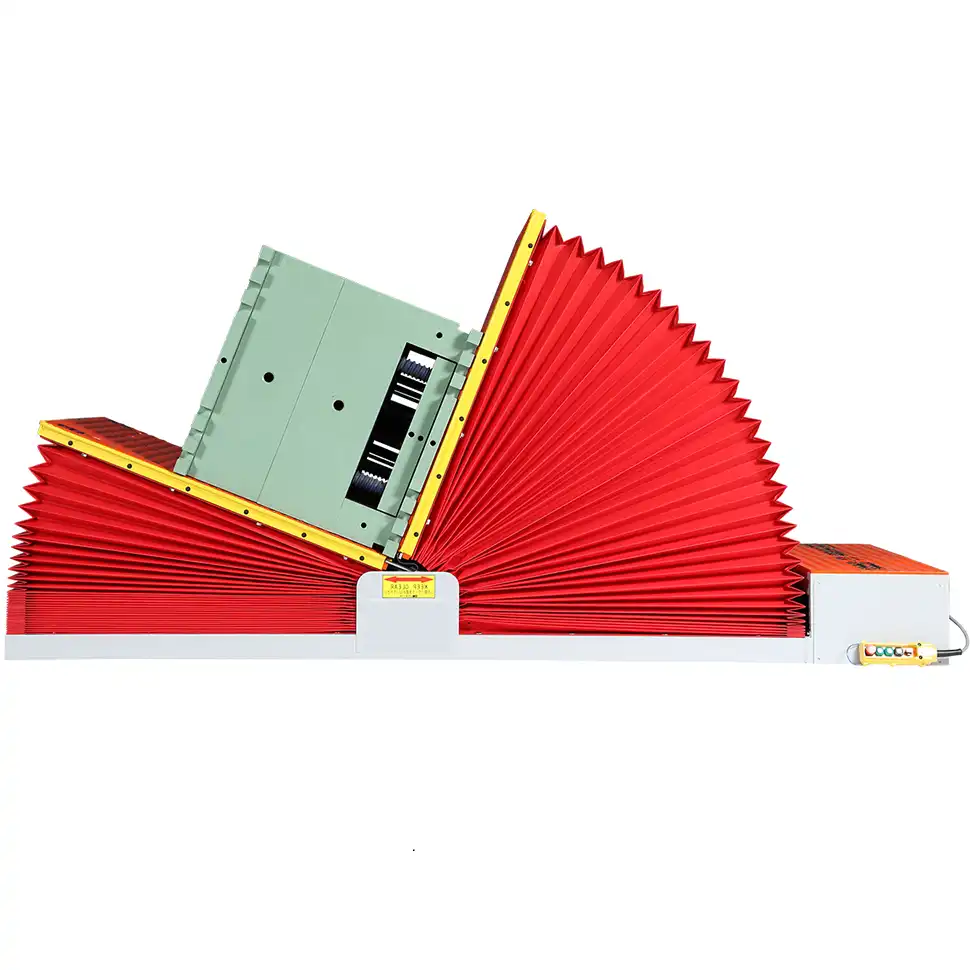
You might wonder how these machines really work in different factory settings. Especially in places like Colombia, where factories deal with many types of products. Let us look closer at how modular mold upenders provide the flexibility and safety needed for today’s busy production lines.
Why is Adaptability Key for Factories in Colombia?
Factories in Colombia deal with many different products. They might make parts for cars one day. The next day, they make items for mining. Or they could be processing heavy steel coils. Each product needs a specific mold or die. These molds come in many sizes and weights. Using fixed equipment for these varied tasks creates huge problems.
I have seen this firsthand in my years in the packing machine industry. When I was starting out, first as an employee, then building my own factory, I learned quickly. You cannot afford machines that only do one thing well. You need equipment that can change. It needs to keep up with different jobs. Without this flexibility, factories face big issues. They lose time changing setups. Workers might use risky manual methods. This leads to higher costs. It also causes more accidents. This is why adaptability is not just nice to have. It is a must-have for survival and growth.
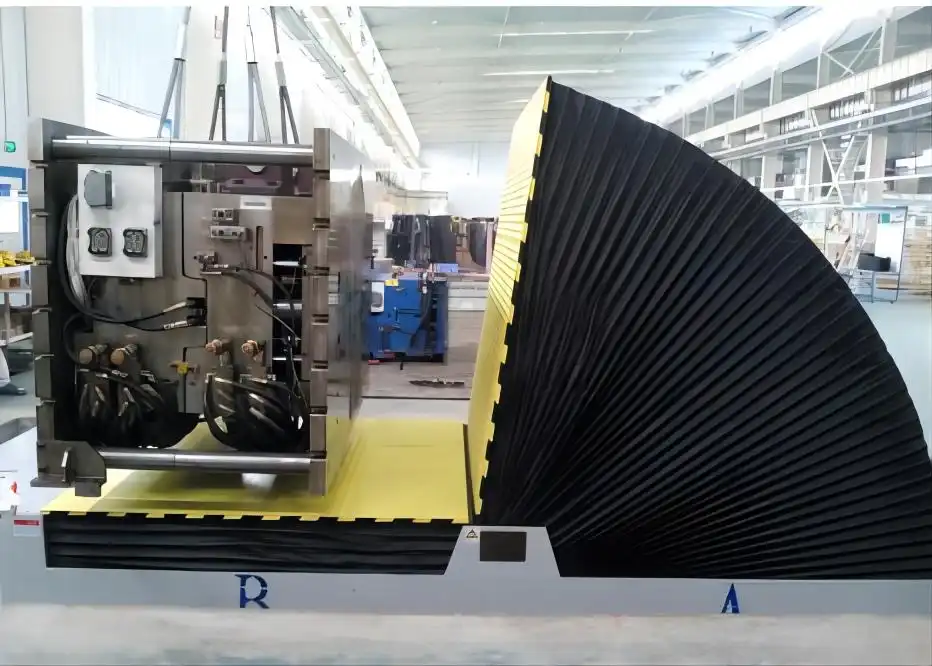
Adaptability is important for several reasons. Colombia’s industrial scene is very diverse. It includes mining, metalworking, and automotive industries. Each of these sectors uses different types and sizes of molds. A factory might produce various parts. They need machines that can switch quickly between jobs. This means less downtime. It also means more output.
Understanding the Need for Flexible Equipment
Many factories still use old methods. They rely on overhead cranes or manual labor to flip heavy molds. These methods are slow. They are also very dangerous. Imagine a heavy mold swinging from a crane. Or several workers trying to turn a huge die by hand. The risk of injury is very high. This can lead to serious accidents. It also drives up insurance costs. And it causes employees to leave. This is a big problem for a factory manager. They need to keep things moving. They need to keep people safe.
Modular mold upenders solve this issue. They are designed to be flexible. They can handle a wide range of sizes. They can also handle different weights. They do this by having parts that can be changed or adjusted. This means one machine can do the job of many. It removes the need for unsafe manual handling. It makes the workplace much safer. This also helps save money in the long run. There are fewer accidents. There are also lower insurance costs. The workers are happier and stay longer.
Consider the contrast between traditional fixed systems and modular ones:
| Feature | Traditional Fixed System | Modular Mold Upender System |
|---|---|---|
| Mold Size | Handles a narrow range of sizes | Handles a wide, varied range of sizes |
| Setup Time | Long setup times for different molds | Quick adjustments, minimal downtime |
| Safety | High risk with manual handling | Automated, greatly reduces human risk |
| Cost | Lower initial cost, higher operational | Higher initial cost, lower operational |
| Flexibility | Low flexibility, single-purpose | High flexibility, multi-purpose |
| Efficiency | Bottlenecks due to limited scope | Improves flow, reduces bottlenecks |
This table shows why modular systems are a better choice. They help factories stay agile. They can meet changing market demands. They also make the workplace much safer for everyone. This is a critical investment. It helps factories grow and stay competitive.
How Do Modular Designs Tackle Different Die Sizes Safely?
The biggest advantage of modular mold upenders is their design. They are not built for just one type of mold. They are built to adapt. Think of it like a set of building blocks. You can arrange them in different ways. This allows the machine to handle many different sizes of dies. This design makes the process much safer. It removes the need for people to touch heavy molds directly.
I learned the value of smart design when I was building my own factory. Every part of a machine needed to serve a purpose. It had to be strong. It had to be safe. And it had to be flexible. If a machine could not do many jobs, it was not worth the investment. Modular designs are built with this in mind. They protect workers from injuries. They also protect the products from damage. This is a win-win for any factory manager.
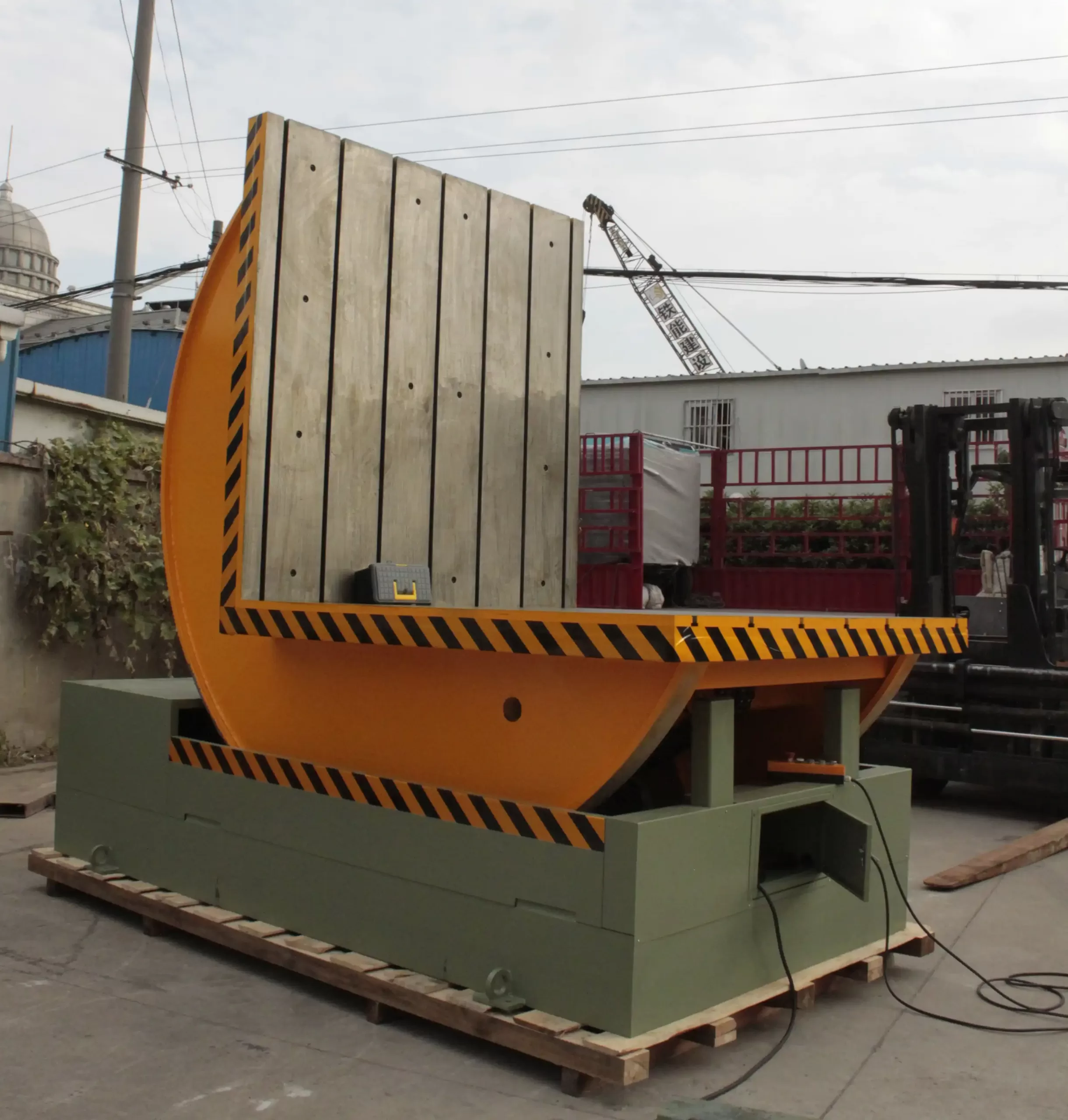
Modular mold upenders use smart features to handle different die sizes. They have adjustable platforms. These platforms can move up or down. They can also move sideways. This lets them fit molds of various heights and widths. Some models also have changeable clamping mechanisms. These parts can hold different mold shapes securely. This ensures the mold is stable during the flipping process. It stops any slips or damage. This makes the operation very precise. It also makes it very safe.
Key Components for Safe and Flexible Operation
A core part of their safety comes from automation. Workers do not need to stand near the heavy molds as they move. The machine does all the heavy lifting and turning. This takes away the risk of crushing injuries. It also prevents strains from manual handling. The machines often have safety sensors. These sensors stop the machine if something is wrong. They make sure everything runs smoothly. This gives peace of mind to factory owners and workers alike.
Consider the specific ways these modular components work together for safety and flexibility:
- Adjustable Support Platforms: These are like movable floors. They can change their height and width. This allows the upender to support molds of many different sizes. The operator can easily set the platform to match the specific mold. This ensures the mold is held securely. It prevents any wobbling or dropping. This is critical for worker safety. It also protects the mold itself from damage.
- Interchangeable Clamping Jaws: Some molds have unique shapes. Standard clamps might not hold them well. Modular upenders can have different clamping jaws. These jaws can be swapped out quickly. This lets the machine grip various mold designs tightly. This strong grip means the mold will not slip during the flip. This reduces the risk of accidents. It also keeps the mold from getting scratched or dented.
- Programmable Controls: Modern modular upenders use computer controls. Operators can program the machine for different mold types. They can save settings for common molds. This means faster changeovers. It also ensures consistent and safe operations every time. The machine performs the flip in a controlled way. This minimizes human error. It also enhances overall safety.
- Heavy-Duty Construction: Even though they are flexible, these machines are built strong. They use high-quality steel and powerful hydraulics. This lets them handle extremely heavy molds without breaking down. Their robust design adds another layer of safety. It ensures the machine will operate reliably for many years. This means fewer repairs. It also means less unexpected downtime.
By combining these features, modular mold upenders offer a powerful solution. They solve the problem of handling diverse, heavy molds. They do this while keeping safety as the top priority. This is the kind of solution that truly helps a factory grow. It protects its most valuable assets: its people and its products.
Can These Systems Really Improve Production Efficiency?
Yes, they can. Improving efficiency is a major goal for any factory manager. Michael Chen, for example, worries about slow processes. He knows that downtime costs a lot. Modular mold upenders directly address these concerns. They speed up the mold handling process. They also cut down on labor costs. This makes a big difference in the factory’s bottom line.
I have seen countless examples of this. When I was building my business, every bit of efficiency counted. We needed to move coils and wires fast. We needed to pack them right. If a machine could save us time and money, it was worth it. Mold upenders do the same for heavy dies. They remove bottlenecks. They make the whole production line run smoother. This is not just about moving molds. It is about making your entire operation more profitable.
Modular mold upenders boost efficiency in several key ways. First, they dramatically reduce the time it takes to flip a mold. What might take several workers with a crane an hour, the machine can do in minutes. This is a huge time saving. It means molds are ready for the next stage of production faster. This speeds up the whole line.
Second, they reduce labor needs. One operator can often manage the upender. This frees up other workers for different tasks. This means lower labor costs. It also means staff can be used more effectively in other parts of the factory. This leads to better overall resource use. It directly impacts the factory’s profitability.
Third, they reduce product damage. Manual handling and old methods often lead to molds or dies getting scratched, dented, or dropped. This causes rework. It also leads to wasted materials. Sometimes, damaged parts even go out to customers, causing complaints. Automated upenders handle molds gently and precisely. This protects the product. It reduces waste. This saves money and keeps customers happy.
The Clear Return on Investment
Investing in a modular mold upender offers a clear return on investment (ROI). The initial cost might seem high. But the savings quickly add up. Think about the costs of:
- Worker Injuries: Medical bills, insurance claims, lost workdays, and potential lawsuits. These costs are very high. A safer machine cuts these risks greatly.
- Downtime: Every minute the production line is stopped, the factory loses money. Faster mold handling means less downtime.
- Product Damage: Scrapped parts, rework time, and customer complaints all cost money. Less damage means more usable products and happier clients.
- Labor Costs: Reducing the number of people needed for a task means saving on wages and benefits.
When you add these savings together, the machine pays for itself. It usually does this quite fast. This is why it is not just an expense. It is an investment in the factory’s future. It helps the business grow stronger and more competitive. I always tell my clients, focus on the ROI. A good machine is one that earns its keep and then some.
What Makes a Supplier a True Partner in This Industry?
Finding the right equipment is one thing. Finding the right partner to supply it is another. Many suppliers only want to sell a machine. They do not care about what happens after. This leads to problems for factories. They might get a machine that does not quite fit. Or they might not get good after-sales service. Michael Chen knows this problem well. He has dealt with suppliers who only cared about the sale.
My journey in this industry taught me a big lesson. Success is not just about the machine. It is about the relationship. I started FHOPEPACK because I wanted to share knowledge. I wanted to help others succeed. My goal was to be a true partner. This means understanding a factory’s unique problems. It means offering solutions that truly work. It means being there for support long after the sale.
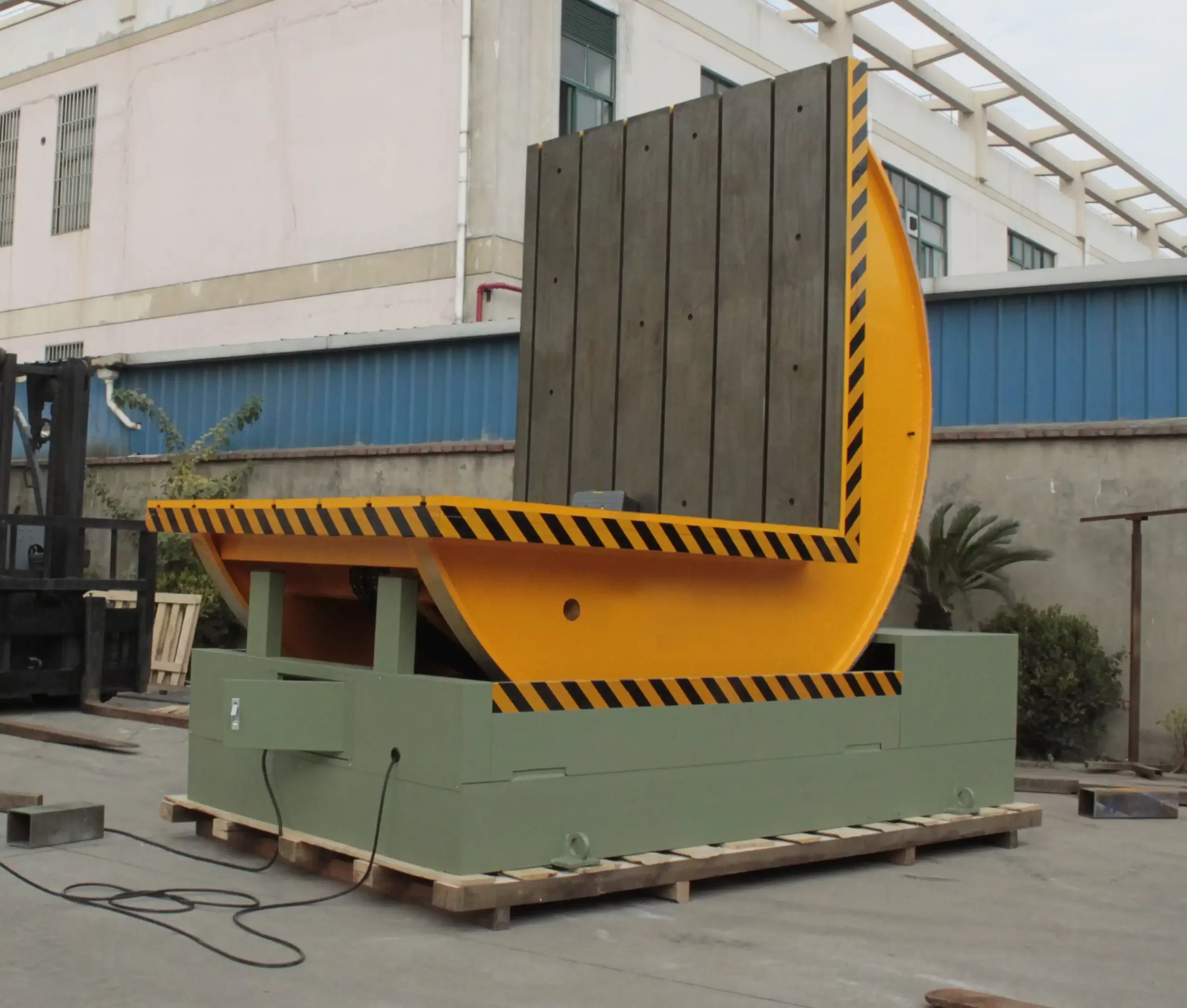
A true partner listens to your challenges. They ask about your production bottlenecks. They ask about your safety concerns. They offer insights based on real experience. They do not just push a product. They work with you to find the best fit. This might mean custom solutions. It might mean giving advice on how to integrate new equipment.
For example, when I helped clients grow their businesses, it was never just about giving them a machine. It was about understanding their entire production line. It was about seeing how our packing solutions fit into their bigger picture. This same thinking applies to mold upenders. A good supplier helps you analyze your current process. They help you identify where a modular upender will make the biggest difference.
They also provide strong after-sales support. This includes installation help. It includes training for your staff. It also includes maintenance and quick access to spare parts. Machines will need service. They will need parts. A partner ensures these needs are met fast. This keeps your production line running smoothly. It avoids long periods of downtime.
Ultimately, a true partner helps you achieve your goals. They help you boost automation. They help you improve safety. They help you lower costs and increase profits. They are not just selling a machine. They are investing in your success. This is the kind of partnership that builds trust. It also builds long-term growth for both sides. My experience showed me that this is the only way to do business.
Conclusion
Modular mold upenders are vital for diverse industrial needs in Colombia. They offer flexibility, boost safety, and greatly improve efficiency. This makes them a smart choice for factories aiming for growth and better operations.








