
How Do Different Orbital Stretch Wrapper Models Compare for New Zealand’s Harsh Coastal and Humid Environments?
Have you ever faced the frustration of seeing your valuable products, like steel coils or wire rolls, suffer damage during transit or storage, especially after being exposed to a tough environment? I know many factory managers, just like Michael, who constantly battle with product spoilage, slow processes, and safety risks. These problems are even worse in places like New Zealand, where the coastal air and high humidity can quickly turn a robust piece of equipment into a rusty liability. This reality hurts your bottom line, delays deliveries, and puts your workers at risk.
Choosing the right orbital stretch wrapper for New Zealand’s harsh coastal and humid environments means looking beyond just the basic function; it means evaluating models based on their construction materials, sealing capabilities, and specialized features designed to resist corrosion and moisture, ensuring your products are protected and your operations remain efficient despite the challenging conditions.
Selecting the ideal packing machine is not just about automating a process. It is about making a smart investment that solves critical problems. From my time building a packing machine factory, I learned that a truly effective solution makes your operations safer, boosts your output, and cuts down on long-term costs. Let us explore the key differences between various orbital stretch wrapper models and find out which ones truly stand up to New Zealand’s unique environmental demands. This understanding is key to protecting your assets and growing your business.
What Basic Types of Orbital Stretch Wrappers Suit Industrial Use in New Zealand?
Are you wondering if a standard wrapping machine can truly handle the relentless salt and dampness of a New Zealand coastal factory? Many people assume all packing machines are the same. They often buy a machine based on price alone, only to find it quickly breaks down or cannot protect products in challenging conditions. This leads to costly repairs, production delays, and damaged goods.
For industrial use in New Zealand, basic orbital stretch wrappers can be categorized into general-purpose, heavy-duty, and specialized corrosion-resistant models, with heavy-duty and specialized units being more suitable as they offer enhanced durability, stronger components, and better protection against the corrosive coastal air and high humidity.
From my experience, understanding the basic types of orbital wrappers is the first step. Each type serves different needs. I have seen clients try to use a light-duty machine for heavy industrial applications. It never ends well.
Understanding Different Wrapper Types
When we talk about orbital stretch wrappers, we mostly consider their capacity, construction, and special features. In New Zealand, the environment adds another layer of complexity.
-
General-Purpose Orbital Wrappers: These machines are designed for typical factory environments. They work well where humidity is controlled and salt exposure is minimal. Their parts are usually standard steel, painted for basic protection.
- Suitability for New Zealand: Low. These machines will likely show signs of corrosion quickly in coastal areas. Their electrical components might also suffer from high humidity. They are not built for constant exposure to salt spray or high moisture levels. This can lead to frequent breakdowns and high maintenance costs.
- Cost: Generally the lowest initial investment. However, total cost of ownership will be high due to rapid wear and tear.
-
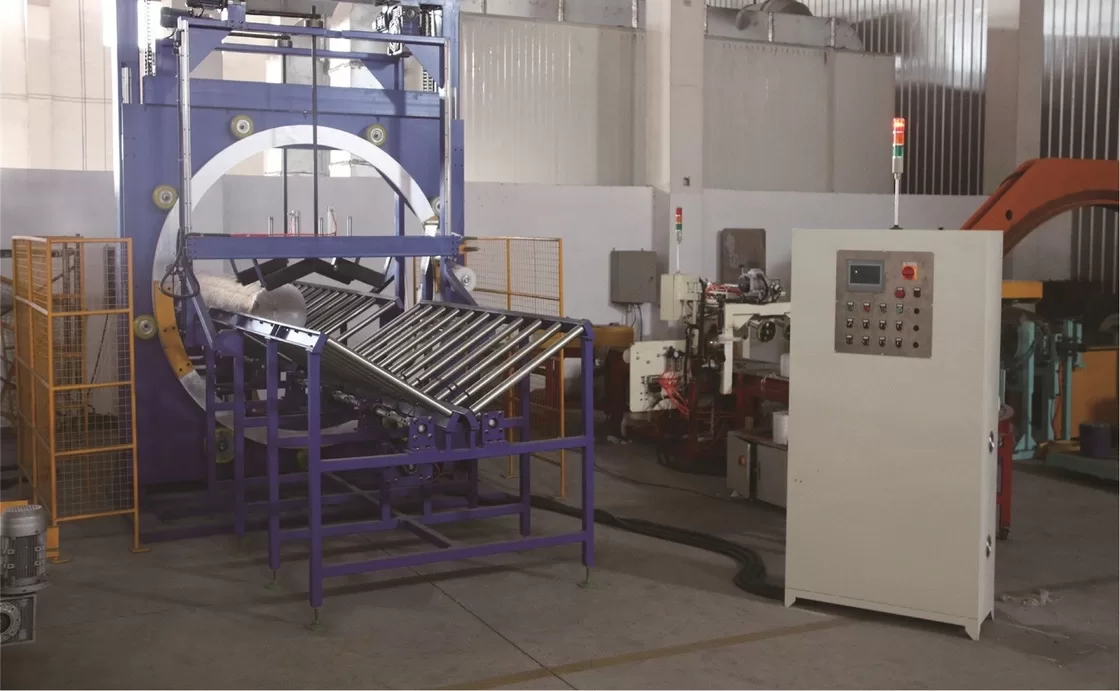
Heavy-Duty Orbital Wrappers: These wrappers are built with stronger frames and more robust components. They are meant for high-volume operations and heavy products like steel coils or large timber bundles. Their construction often includes thicker steel and more durable paint or coating.
- Suitability for New Zealand: Moderate to Good. While more robust, they may still need additional modifications or regular maintenance to fully withstand coastal environments. The basic construction is better, but specific anti-corrosion treatments might be lacking. They handle the weight and volume well, which is important for metal processing plants.
- Cost: Higher than general-purpose models, but they offer better longevity in demanding industrial settings.
-
Specialized Corrosion-Resistant Orbital Wrappers: These machines are purpose-built for harsh environments. They often feature stainless steel components, marine-grade coatings, sealed electrical enclosures, and special anti-corrosion treatments. They are designed to operate reliably in humid, salty, or dusty conditions.
- Suitability for New Zealand: High. These are the ideal choice for New Zealand’s coastal and humid areas. They are engineered to resist the very elements that break down other machines. They ensure maximum uptime and minimal product damage from environmental factors.
- Cost: The highest initial investment, but they provide the lowest total cost of ownership in the long run due to their durability and low maintenance needs in harsh conditions. When I was building my own factory, I always looked for equipment that would last, even if the upfront cost was higher. This approach always paid off.
Choosing the wrong type of wrapper means your investment could literally rust away. For a factory manager like Michael, who needs reliability and efficiency, opting for anything less than heavy-duty or specialized can be a costly mistake. It is about matching the machine’s capabilities to the environment it will work in.

Which Specific Features Counteract New Zealand’s Coastal Corrosion and High Humidity?
Are you tired of machine breakdowns caused by rust and moisture, especially in a humid coastal climate like New Zealand? Many factory managers overlook the fine details of machine construction. They then face constant maintenance headaches, reduced output, and unexpected costs because their equipment cannot handle the environment. This takes away valuable time and resources from their core business operations.
Key features that counteract coastal corrosion and high humidity in orbital stretch wrappers include stainless steel components, marine-grade paints and coatings, sealed electrical enclosures (IP ratings), specialized motor and bearing protection, and high-quality film pre-stretch systems that reduce moisture penetration, all crucial for longevity and performance in New Zealand’s challenging environment.
When I was building my own factory, I learned that the devil is in the details. It is not enough to just buy a heavy-duty machine. You need to look at how each part is protected. In a place like New Zealand, with its salty air and high humidity, specific features make all the difference between a machine that lasts for years and one that fails quickly.
Essential Features for Harsh Environments
Let us break down the critical features that make an orbital wrapper suitable for New Zealand’s unique conditions. These are the things that ensure your investment pays off.
-
Material Selection and Surface Treatment:
- Stainless Steel Construction: This is a top priority for parts exposed to the elements. Stainless steel resists rust and corrosion much better than standard carbon steel. Many high-quality machines use stainless steel for critical components like the wrapping ring, film carriage, and even fasteners.
- Marine-Grade Coatings and Paints: For parts that are not stainless steel, look for machines treated with marine-grade paints or powder coatings. These offer superior protection against salt spray and moisture compared to standard industrial paints. They create a strong barrier.
- Galvanization: Hot-dip galvanization provides a zinc coating that offers excellent corrosion protection for steel frames. This is a common and effective method for outdoor or high-humidity applications.
-
Electrical and Electronic Component Protection:
- Sealed Enclosures (IP Rating): Electrical panels and control units must have a high Ingress Protection (IP) rating, typically IP54 or higher. This means they are protected against dust and splashing water. For coastal environments, IP65 or IP66 is even better, offering protection against stronger water jets or even temporary immersion. This prevents moisture from damaging sensitive electronics.
- Corrosion-Resistant Wiring and Connectors: All internal wiring and connectors should be of high quality, perhaps even coated, to prevent corrosion within the electrical system.
- Heaters for Enclosures: In very humid environments, small heaters inside electrical enclosures can prevent condensation buildup, protecting sensitive circuit boards.
-
Mechanical Component Durability:
- Sealed Bearings and Lubrication: Bearings should be sealed (e.g., 2RS designation) to prevent moisture and contaminants from entering. Automatic lubrication systems can also ensure critical moving parts remain well-oiled and protected, reducing wear from friction and environmental exposure.
- Heavy-Duty Motors and Gearboxes: Motors should be industrial grade, often with higher IP ratings themselves. Gearboxes should be robust and sealed to prevent moisture ingress.
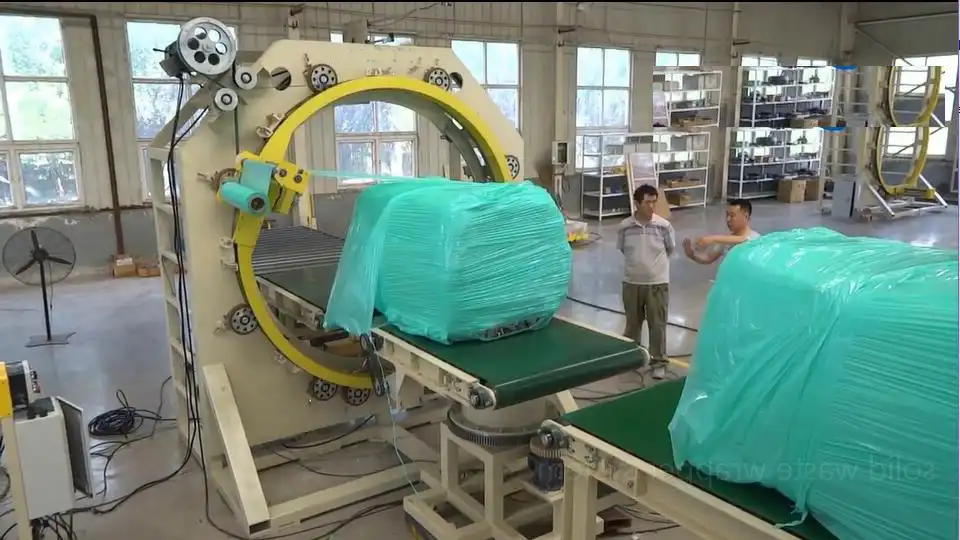
- Stronger Film Pre-Stretch Systems: A high-quality pre-stretch system not only saves on film but also ensures a tighter, more secure wrap. This tight wrap minimizes the ability of moisture to penetrate the packaging, especially for products like steel coils which are prone to rust if exposed to humidity.
-
Specialized Environmental Considerations:
- Drainage Systems: For outdoor or wash-down applications, features that allow water to drain away easily from the machine’s frame and critical areas are important.
- Air Filtration: In dusty environments (which can often accompany heavy industry), good air filtration systems protect internal components.
When I started my business, I learned the hard way that cutting corners on these features costs more in the long run. A machine that seems cheaper upfront will often require constant repairs, especially in challenging environments. For Michael, who faces immense pressure to keep his factory running smoothly, investing in these specific features means less downtime, lower maintenance costs, and better product integrity.
How Does Choosing the Right Wrapper Model Impact Long-Term ROI and Operational Safety?
Are you calculating the true cost of your packaging equipment, or just looking at the purchase price? Many factory owners focus only on the initial investment. They fail to consider how a machine’s reliability, safety features, and long-term operating costs significantly affect their return on investment (ROI) and the well-being of their workers. This short-sighted view leads to higher operational expenses, increased accident risks, and diminished overall profitability.
Choosing the right orbital stretch wrapper model directly impacts long-term ROI by reducing operational costs, minimizing product damage, and extending machine lifespan, while significantly enhancing operational safety by automating manual handling, thereby reducing the risk of injuries and associated costs, particularly in high-volume or heavy-product environments like those in New Zealand.
When I was running my own packing machine factory, I quickly realized that a machine’s true value is not its sticker price. It is about how much it saves you over its lifetime and how much safer it makes your workplace. For clients like Michael, who needs to balance efficiency, safety, and cost, this long-term perspective is crucial.
The Financial and Safety Payback of Smart Choices
Let us dive into how the right wrapper choice impacts your finances and your team’s safety.
-
Return on Investment (ROI):
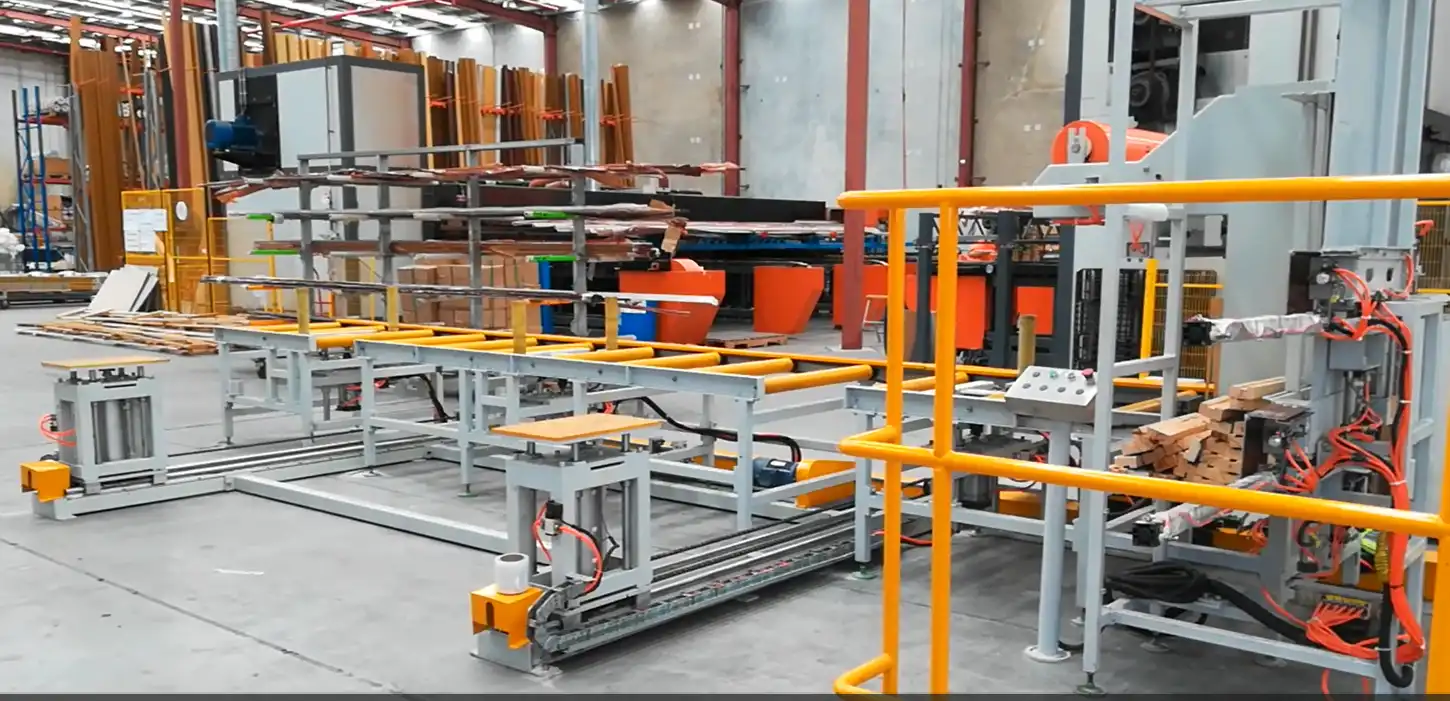
- Reduced Labor Costs: Automated orbital wrappers significantly cut down on the need for manual labor in packaging. For large items like steel coils or wire rolls, this can mean fewer workers dedicated to packing, freeing them up for other tasks. Over time, the savings in wages can easily justify the initial cost of the machine.
- Decreased Product Damage: Manual handling of heavy or awkward items, especially in a fast-paced environment, often leads to product damage. Edges of steel coils can get dinged, or wire bundles can come loose. An automated wrapper provides consistent, secure packaging, greatly reducing damage during internal transport, storage, and shipping. This means fewer customer complaints and less profit loss.
- Lower Insurance Premiums and Worker’s Compensation: Fewer workplace injuries directly translate to lower insurance costs and worker’s compensation claims. This is a significant, often overlooked, financial benefit.
- Extended Equipment Lifespan: Investing in a robust, environmentally suited machine means it will last longer. This reduces the frequency of needing to replace equipment, further improving your ROI. A machine that is properly protected from New Zealand’s environment will not corrode prematurely.
- Increased Production Throughput: Automation removes bottlenecks at the end of the production line. Faster, more consistent wrapping means your overall production rate can increase, leading to more output and higher sales.
-
Operational Safety:
- Eliminating Manual Handling of Heavy Loads: This is perhaps the most critical safety benefit. Michael mentioned workers manually handling heavy dies or flipping pallets. This is extremely dangerous. Orbital wrappers automate the wrapping process, meaning workers do not need to lift, carry, or maneuver heavy, awkward products. This drastically reduces the risk of back injuries, crushed limbs, and other severe accidents.
- Reduced Repetitive Strain Injuries (RSIs): Even lighter manual packaging tasks can lead to RSIs over time. Automation removes these repetitive motions from workers’ duties.
- Consistent Operation: Automated machines operate with predictable movements and safety interlocks. This minimizes human error, which is a common cause of accidents in manual operations.
- Clear Safety Standards: Reputable manufacturers build machines with strict safety standards, including emergency stops, safety guards, and controlled access points. These are designed to protect operators.
Consider a large metal processing plant in New Zealand. Manually wrapping steel coils is slow, dangerous, and often results in damaged goods. An orbital wrapper automates this, speeding up the process, making it safer, and ensuring products arrive in perfect condition. The initial investment might seem high, but when you factor in the money saved from reduced labor, fewer damaged goods, and no worker injuries, the ROI becomes very clear. This is not just about buying a machine; it is about investing in a safer, more profitable future for your factory.
My Insight: Why Partnership Matters More Than Just Purchasing Equipment?
Have you ever felt like you were just another transaction for an equipment supplier? Many factory managers, including Michael, have dealt with vendors who only care about making a sale. Once the machine is delivered, support disappears, leaving you alone to troubleshoot problems, find spare parts, and figure out how to integrate the equipment into your unique production line. This lack of partnership leads to frustration, extended downtime, and often, an underperforming investment.
From my perspective, a true partnership with an equipment supplier, like FHOPEPACK, goes far beyond the initial purchase; it means collaborating with experts who understand your specific challenges, offer tailored solutions, provide ongoing support, and act as a reliable resource for optimizing your operations, ensuring long-term success and peace of mind in challenging environments like New Zealand.
When I first started in the packing machine industry, I was an employee. Later, I built my own factory. This journey taught me one thing above all else: equipment is only as good as the support behind it. I achieved financial independence because I focused on helping my clients grow their businesses, not just selling them a machine. This is why I am so passionate about sharing knowledge now. For a factory manager in New Zealand, facing unique environmental and operational pressures, a vendor who acts as a partner is invaluable.
The Value of a True Equipment Partner
Let us look at why a partnership approach is essential, especially for complex machinery in demanding environments.
-
Understanding Your Unique Challenges:
- A good partner takes the time to understand your specific production bottlenecks, safety concerns, and environmental conditions. They do not offer a one-size-fits-all solution. For instance, in New Zealand, they would ask about your factory’s proximity to the coast, average humidity levels, and the exact type of products you are wrapping.
- They listen to your pain points, like Michael’s issues with manual handling safety or product damage, and propose solutions that directly address them. They are problem-solvers, not just order-takers.
- They can offer insights from similar factories or industries, giving you a competitive edge.
-
Tailored Solutions and Expertise:
- Based on their deep understanding, a partner can recommend or even custom-design equipment. This could mean specific anti-corrosion treatments, unique safety interlocks, or integration with existing production lines.
- They bring their expertise to the table, helping you optimize your wrapping process, choose the right film, and ensure the machine runs at peak efficiency. This knowledge is especially valuable when dealing with new automation technology.
- When I first built my factory, I wished I had more experienced partners who could guide me. This is what I strive to be for my clients now.
-
Long-Term Support and Reliability:
- A true partner provides robust after-sales service. This includes installation support, operator training, maintenance guidance, and quick access to spare parts. This is vital for minimizing downtime.
- They are responsive to issues and proactive in offering maintenance tips to prevent future problems. This builds trust, something Michael mentioned he lacked with previous suppliers.
- Knowing that an expert is just a call away gives you peace of mind, especially when operating expensive machinery in a challenging environment. This continuity of support is often more valuable than any upfront discount.
-
Shared Success:
- Ultimately, a partner invests in your success. If your operations run smoothly and you achieve your goals, they succeed too. This mutual benefit fosters a strong, long-lasting relationship.
- They are not just selling you a machine; they are providing a solution that helps you achieve higher output, safer operations, and greater profitability.
My journey in the packing machine industry, from an employee to a factory owner who achieved financial independence and helped many clients, taught me that building relationships and providing real value is the only way to do business. For Michael, or any factory manager in New Zealand, looking for a durable machine that will last in coastal conditions, seeking a partner like FHOPEPACK means you are not just buying equipment. You are gaining an ally who understands your challenges and is committed to your long-term success.

Conclusion
Choosing the right orbital stretch wrapper for New Zealand’s harsh coastal and humid environments means prioritizing features that resist corrosion and moisture. It is a long-term investment that ensures product integrity, enhances safety, and boosts your factory’s overall profitability.








