

How Do Coil Strapping Lines Improve Warehouse and Logistics Efficiency?
Have you ever faced the frustration of an inefficient packing line in your steel plant? The constant struggle with slow manual processes, inconsistent packaging quality, and the increasing demand for faster, safer logistics can be overwhelming. I have seen countless operations grappling with these very challenges, often leading to costly delays, damaged goods, and unhappy customers. (packing line frustration, manual packaging challenges, logistics delays)
Automated coil strapping lines fundamentally transform warehouse and logistics efficiency by significantly increasing throughput, enhancing packaging consistency, boosting workplace safety, and enabling seamless integration with existing production and shipping processes, thus optimizing the entire supply chain for steel products. These solutions help steel plants, like the one Ivan Petrov manages in Russia, meet strict delivery schedules and quality standards while reducing operational costs. (automated coil strapping, warehouse logistics efficiency, steel supply chain optimization)
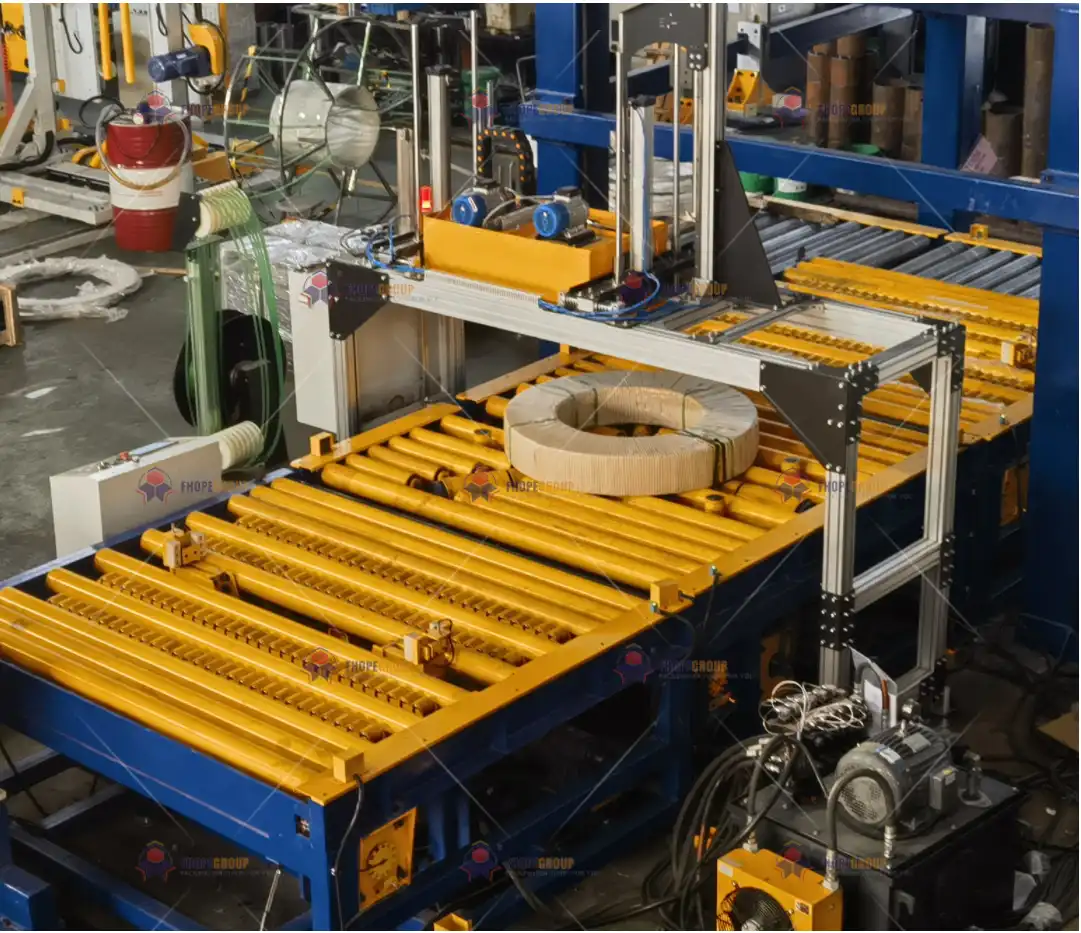

As someone who built a packing machine factory from the ground up, I understand the critical difference an optimized packaging process makes. It is not just about a machine. It is about a complete solution that drives your business forward. Let us dive deeper into how coil strapping lines can revolutionize your operations. (optimized packaging process, complete packaging solution, business growth)
What Makes Manual Coil Strapping So Problematic for Modern Steel Plants?
Are you still relying on manual methods for strapping your heavy steel coils? This approach might seem economical at first glance. However, it often hides significant operational costs and risks. I have personally witnessed the immense pressure and challenges that manual strapping brings to busy steel facilities, impacting everything from safety to customer satisfaction. (manual steel coil strapping, operational costs, steel plant challenges)
Manual coil strapping methods in modern steel plants are problematic because they lead to slow production rates, inconsistent packaging quality, increased risk of worker injuries, higher labor costs, and an inability to meet the stringent demands of modern logistics and export markets, which require precision and speed. These issues create bottlenecks in the production flow and hinder overall efficiency, especially when dealing with high volumes of varied steel products. (manual strapping problems, steel plant efficiency, logistics demands)


When I started in the packing machine industry, manual processes were common. But times have changed. Today’s steel production environments demand far more. The sheer volume and diversity of coils, from cold-rolled to galvanized, make manual handling a constant source of inefficiency and potential problems. (modern steel production, manual handling problems, coil diversity)
-
Slow and Inconsistent Production Output:
- Manual strapping requires significant physical effort and time for each coil. Workers must navigate around heavy coils, feed strapping material, tension it, and seal it. This process is inherently slow.
- The speed varies greatly depending on the worker’s experience and fatigue levels. This leads to inconsistent output and unpredictable delivery times. 📉
- When a steel plant processes hundreds of tons daily, like Ivan’s operation, these delays quickly accumulate. They create bottlenecks in the entire production line, impacting subsequent warehousing and logistics stages.
- This lack of consistency makes it difficult to plan effectively. It causes stress on the production schedule. (slow manual strapping, inconsistent output, production bottlenecks)
-
High Risk of Worker Injury and Safety Concerns:
- Handling heavy strapping materials and working close to large, unstable steel coils poses significant safety risks. Workers often suffer from cuts, strains, and back injuries. These can lead to lost workdays and increased insurance costs. 🤕
- The manual lifting and maneuvering of strapping tools in tight spaces also contribute to accidents. Moving heavy coils manually for positioning increases the risk of crush injuries.
- Steel plants, by nature, are high-risk environments. Adding strenuous, repetitive manual tasks only amplifies this danger. It compromises the safety of the workforce. (worker injury risks, manual handling dangers, steel plant safety)
-
Substandard and Unreliable Packaging Quality:
- Achieving consistent strapping tension and perfect material application manually is extremely difficult. Human error often leads to loose straps, uneven film wrapping, or improperly sealed bands. 👎
- This poor quality directly impacts product protection during transit. Coils can shift, leading to surface damage, scratching, or even unstrapping. This causes costly rework, customer complaints, and potential returns.
- For products requiring specific anti-rust or moisture-proof packaging, manual application often fails to provide the consistent, airtight seal needed. This compromises the integrity of the product. (packaging quality issues, inconsistent strapping tension, product damage during transit)
-
Mounting Labor Dependency and Costs:
- Manual strapping requires a dedicated team of workers. As industries face labor shortages, especially for physically demanding roles, finding and retaining skilled staff becomes challenging. 💰
- The direct labor costs, including wages, benefits, and overtime, for manual strapping are substantial. These costs only increase with higher production volumes.
- Relying heavily on manual labor means that any disruption, like worker illness or turnover, can severely impact production capacity. This creates vulnerability in the supply chain. (labor dependency, rising labor costs, production capacity impact)
-
Inability to Meet Modern Logistics and Export Demands:
- Today’s global supply chain demands quick turnaround times and precise packaging. Export clients, for example, often require specific certifications like CE or ISO. They need additional features like automatic barcode labeling. 🌐
- Manual processes struggle to keep up with these diverse requirements. They cannot consistently apply labels or comply with tight specifications needed for international shipping. This limits market reach.
- The lack of automation makes it hard to integrate packaging data with inventory management systems. This hinders real-time tracking and efficient logistics planning. (export packaging demands, global supply chain, packaging data integration)
How Do Automated Coil Strapping Lines Boost Throughput and Production Speed?
Are you constantly battling to keep up with your production targets? Do you find that your packaging department is the bottleneck in your steel mill’s output? I know that feeling of chasing efficiency. Automated coil strapping lines offer a powerful solution to these very real challenges, transforming your production flow. (production targets, packaging bottleneck, steel mill output)
Automated coil strapping lines significantly boost throughput and production speed by employing high-speed, continuous operation, ensuring consistent strapping cycles, and reducing the need for manual intervention, effectively eliminating bottlenecks in the packaging process and integrating seamlessly with upstream and downstream material handling systems in a steel plant environment. This means faster, more predictable packaging. (automated strapping, production speed, packaging bottlenecks)
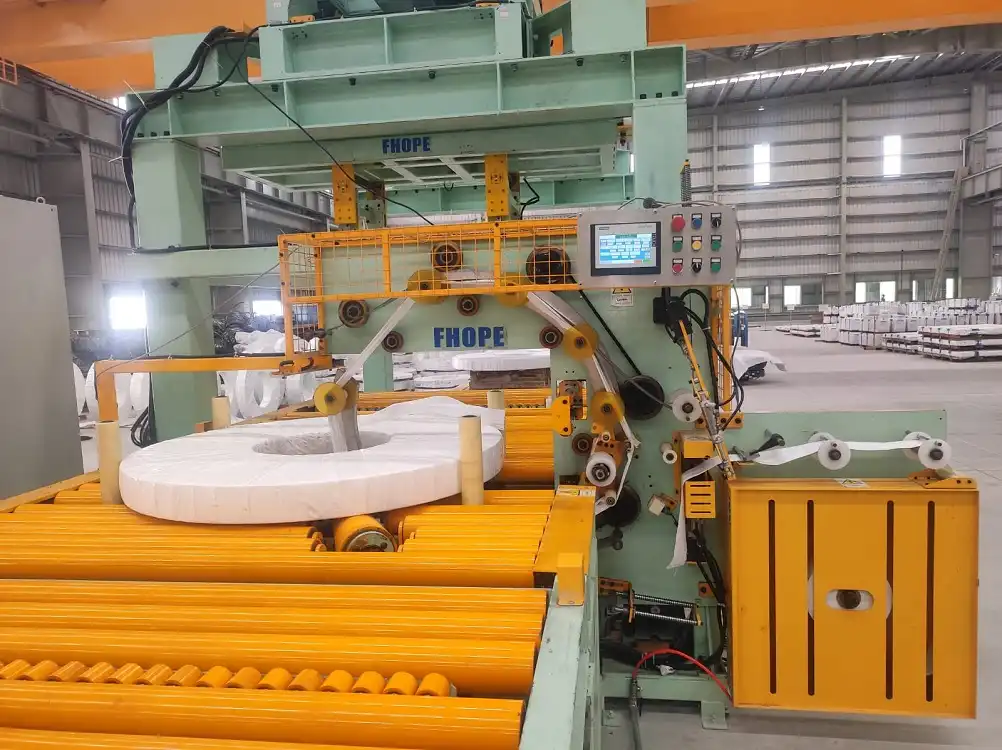

My journey in the packing machine industry taught me that speed without consistency is chaos. What you need is controlled, reliable speed. Automated systems deliver exactly that. They take the variability out of the process, ensuring each coil is strapped just as efficiently as the last, regardless of shift changes or worker fatigue. (controlled speed, automated packaging systems, consistent coil strapping)
-
Continuous Operation and High Cycle Times:
- Automated coil strapping lines are designed for 24/7 operation, supporting multiple shifts without needing breaks or experiencing fatigue. This drastically increases the total operating hours and output capacity. ⏰
- These machines perform strapping cycles much faster than human operators. They can complete a full strapping sequence in a fraction of the time. This accelerates the packaging process for each coil.
- For facilities like Ivan’s, running two shifts, this continuous, high-speed capability ensures maximum utilization of production time. It prevents slowdowns that often occur towards the end of a manual shift. (continuous operation, high cycle times, maximum production utilization)
-
Eliminating Bottlenecks in Production:
- Packaging is often the final step before storage or shipping. Any delay here can hold up the entire production line. Automated strapping systems process coils quickly. This ensures that coils move off the line smoothly. ➡️
- By consistently matching or exceeding the speed of upstream processes like slitting or rolling, these lines prevent backlogs. They maintain a steady flow of finished products.
- This smooth flow optimizes the overall production schedule. It allows the plant to meet tighter delivery deadlines and manage inventory more effectively. (production bottlenecks, smooth product flow, inventory management)
-
Seamless Integration with Existing Lines:
- Modern automated coil strapping lines are built to integrate directly into existing conveyor systems and material handling setups. They become a natural part of the overall production flow. 🔗
- Sensors and control systems allow the strapping machine to communicate with other equipment. This synchronizes operations and ensures coils arrive and depart efficiently.
- This integration reduces the need for manual transfers or repositioning. This further speeds up the process and minimizes potential damage from handling. (integrated packaging lines, conveyor systems, synchronized operations)
-
Adaptability to Varied Coil Specifications:
- One of Ivan’s key challenges is packaging diverse products with varying coil diameters and weights (1-3 tons). Automated systems can be programmed to adjust quickly for different specifications. ⚙️
- Sensors automatically detect coil dimensions. The machine then adjusts strapping tension, strap positions, and wrapping parameters. This ensures optimal packaging for each unique coil.
- This rapid adaptability eliminates the time-consuming manual reconfigurations required for different product types. It keeps the line running efficiently, even with a diverse product mix. (varied coil packaging, automatic adjustments, diverse product mix)
Can Coil Strapping Automation Truly Enhance Workplace Safety and Reduce Labor Costs?
Are concerns about worker safety and rising labor expenses keeping you up at night? The heavy industry environment of a steel plant brings unique challenges. I believe that safety and cost-effectiveness should go hand in hand. Automated coil strapping solutions are designed with both these critical aspects in mind. (worker safety concerns, rising labor costs, steel plant challenges)
Coil strapping automation significantly enhances workplace safety by minimizing direct human interaction with heavy coils and machinery, thereby reducing the risk of accidents and repetitive strain injuries, while simultaneously lowering overall labor costs through optimized staffing, reduced material waste, and improved operational continuity. This dual benefit makes automation a smart investment for any forward-thinking steel plant. (workplace safety automation, reduced labor costs, smart investment in steel industry)

From my experience, a safer workplace is a more productive workplace. When your team feels secure, they perform better. And when your processes are efficient, you naturally save money. It’s a win-win. Automated systems address the core dangers and inefficiencies of manual strapping, providing a clear path to both safety and savings. (safer workplace, productive environment, automated strapping benefits)
-
Minimizing Human-Machine Interaction:
- Automated coil strapping lines perform tasks like feeding, tensioning, sealing, and cutting straps without direct human intervention. This keeps workers away from moving parts and heavy coils. 🚧
- Workers can operate the machine from a safe distance, often via a control panel or remote interface. This dramatically reduces exposure to potential hazards.
- This reduced interaction directly lowers the chance of accidents such as pinch points, crush injuries, or entanglement. It creates a much safer working environment. (human-machine safety, remote operation, accident reduction)
-
Preventing Ergonomic Strain and Accidents:
- Manual strapping involves repetitive motions, heavy lifting of strapping materials, and awkward postures. These are common causes of musculoskeletal injuries over time. ⚕️
- Automated systems eliminate these strenuous physical demands. They remove the need for workers to bend, lift, or pull heavy tools and materials.
- By preventing chronic ergonomic strain, automation leads to a healthier workforce. This reduces sick leave, worker compensation claims, and the high cost of employee turnover. (ergonomic strain prevention, healthier workforce, reduced worker compensation)
-
Optimizing Labor Allocation:
- Instead of multiple workers manually strapping coils, an automated line often requires just one or two operators to monitor the system. This frees up staff for other, more skilled tasks within the plant. 🧑💻
- This optimization means fewer personnel are needed for the packaging stage. It directly translates into lower labor costs per coil.
- Workers can be redeployed to areas where their expertise is more valuable. This improves overall plant productivity and job satisfaction. (optimized labor allocation, skilled task redeployment, plant productivity improvement)
-
Reducing Material Waste and Rework Costs:
- Manual strapping often leads to inconsistent tension. This results in loose or over-tensioned straps that can break or damage the coil. It causes material waste and the need for rework. ♻️
- Automated systems apply consistent, precise tension. They use the optimal amount of strapping material for each coil. This minimizes waste and ensures secure packaging on the first attempt.
- Fewer damaged products and less rework mean significant savings on both materials and labor hours. This directly contributes to lower operational costs and a better return on investment. (material waste reduction, precise strapping tension, operational cost savings)
What Role Do Coil Strapping Lines Play in Ensuring Superior Packaging Quality and Product Protection?
Are your customers increasingly demanding higher packaging standards? Do you worry about your valuable steel coils getting damaged during transit or storage? My firsthand experience tells me that packaging quality is not just a detail. It is a fundamental part of your product’s value proposition and your brand’s reputation. (customer packaging standards, steel coil damage, brand reputation)
Coil strapping lines play a crucial role in ensuring superior packaging quality and product protection by applying consistent, precise strapping tension, integrating advanced protective materials like stretch film or VCI paper, and allowing for specific anti-rust, anti-scratch, and weather-proof solutions tailored to each coil type and shipping requirement, thereby safeguarding valuable steel products. This results in secure, compliant, and pristine deliveries. (superior packaging quality, product protection, tailored packaging solutions)
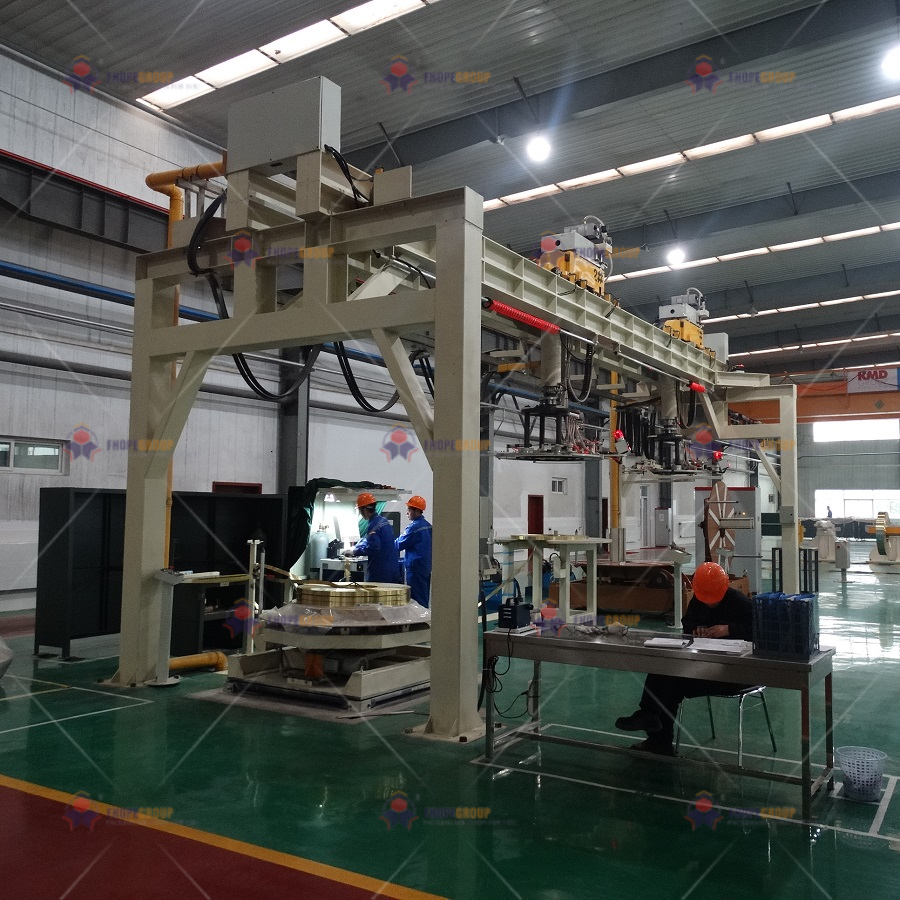

When I founded FHOPEPACK, my goal was always to provide solutions that truly protect the product and the customer’s investment. For steel coils, where even a small scratch can lead to rejection, impeccable packaging is non-negotiable. Automated systems are the key to achieving this level of protection consistently. (FHOPEPACK solutions, product protection, impeccable steel coil packaging)
-
Consistent and Reliable Strapping Tension:
- Automated strapping machines use advanced tensioning systems to apply uniform force across all straps. This ensures that coils are securely held together. 💪
- Unlike manual methods where tension varies, machines provide consistent tightness. This prevents straps from loosening during handling, transport, or storage.
- This consistent tension is vital for maintaining the structural integrity of the coil package. It prevents telescoping or shifting, even under harsh logistics conditions. (consistent strapping tension, uniform force application, coil package integrity)
-
Comprehensive Protection Against Damage:
- Beyond strapping, integrated coil packing lines can include wrapping machines that apply stretch film, shrink film, or specialized anti-corrosion (VCI) films. These layers offer protection against moisture, dust, and physical abrasions. 🛡️
- The tight, consistent wrapping provided by automated systems creates a formidable barrier. This prevents rust, scratches, and other surface damage to the valuable steel.
- This comprehensive protection ensures that coils arrive at the customer’s site in pristine condition. It meets the high expectations for quality, especially for sensitive products like galvanized or color-coated coils. (integrated coil packing, anti-corrosion film, pristine product delivery)
-
Meeting International Packaging Standards and Certifications:
- Many export markets and specific industries require packaging to meet strict standards like CE or ISO certifications. Automated lines can consistently produce packaging that complies with these regulations. ✅
- The precision and repeatability of automated systems ensure that packaging dimensions, material application, and strapping patterns are always within specified tolerances.
- This compliance is crucial for avoiding customs delays, potential fines, and customer rejections. It opens up new opportunities in global markets for steel manufacturers. (international packaging standards, CE/ISO certification, global market opportunities)
-
Supporting Product Identification and Tracking:
- Automated strapping lines can integrate automatic labeling and barcode printing systems. These systems apply precise, durable labels to each packaged coil. 🏷️
- These labels contain crucial information for inventory management, logistics tracking, and customer identification. They enable seamless integration with modern supply chain software.
- Accurate and automated labeling reduces human error in data entry. This improves the efficiency of warehousing, dispatch, and final delivery processes. (automated labeling systems, barcode printing, efficient logistics tracking)
How Can an Integrated Coil Strapping Solution Streamline Your Entire Warehouse-to-Logistics Flow?
Is your steel plant struggling to bridge the gap between finished production and efficient dispatch? Do you envision a packaging process that moves your coils seamlessly from the line to the customer’s door? My experience with FHOPEPACK has shown me that true efficiency comes from a fully integrated approach, connecting every step of your operation. (steel plant dispatch, seamless packaging process, integrated logistics flow)
An integrated coil strapping solution streamlines your entire warehouse-to-logistics flow by creating a continuous, automated system that handles coils from the production line through strapping, weighing, labeling, and transfer to storage or loading docks, ensuring optimal sequencing, minimizing manual intervention, and providing real-time data for inventory and shipping management. This holistic approach significantly enhances overall operational efficiency and supply chain visibility. (integrated strapping solution, automated coil handling, supply chain visibility)
My vision for FHOPEPACK has always been about offering more than just standalone machines. I aim to provide turnkey engineering solutions that unify your processes. This comprehensive approach is what truly unlocks efficiency, allowing your steel products to move smoothly and safely through every stage, right until they reach your clients. (FHOPEPACK turnkey solutions, unified processes, efficient steel product movement)
-
Creating a Continuous, Automated Material Flow:
- An integrated coil strapping solution combines several key processes: coil up-ending, weighing, strapping, wrapping, and conveying. This forms a single, uninterrupted flow. 🔄
- Coils move automatically from the production line to the packaging station, then to outbound logistics without manual handling. This eliminates delays and potential damage points.
- This continuity ensures that high production volumes are matched by equally high packaging and dispatch rates. It prevents bottlenecks at critical transfer points. (automated material flow, uninterrupted packaging, high dispatch rates)
-
Seamless Integration with Warehouse Management Systems (WMS):
- Modern integrated strapping lines are equipped with sensors and control systems that can communicate directly with your plant’s Warehouse Management System. 📊
- Real-time data on packaged coils (weight, dimensions, product type, strapping details, destination) can be automatically uploaded. This ensures accurate inventory tracking and reduces manual data entry errors.
- This integration allows for smarter storage planning and quicker retrieval of specific coils. It optimizes warehouse space and accelerates order fulfillment. (WMS integration, real-time data, accurate inventory tracking)
-
Optimizing Loading and Shipping Preparations:
- Integrated solutions can include automatic stacking or staging areas for strapped coils. This prepares them efficiently for truck or rail loading. 🚚
- By ensuring coils are uniformly packaged and presented, loading crews can work faster and more safely. This reduces vehicle turnaround times.
- The consistent quality and data accuracy provided by the integrated system also simplify shipping documentation. This minimizes errors and streamlines customs procedures for international shipments. (loading optimization, reduced turnaround times, streamlined customs procedures)
-
Enhanced Traceability and Quality Assurance:
- Each coil passing through an integrated line can be tagged and tracked electronically from packaging to delivery. This provides complete traceability throughout the supply chain. 🗺️
- In case of any quality concerns, the precise packaging parameters and material data for each coil are recorded. This allows for quick problem identification and resolution.
- This level of traceability is invaluable for quality assurance and compliance, especially for high-value steel products. It builds customer confidence and trust. (enhanced traceability, quality assurance, customer confidence)

Conclusion
Automated coil strapping lines are essential for modern steel plants aiming to boost efficiency, enhance safety, and ensure top-tier product quality from warehouse to logistics. By eliminating manual bottlenecks and integrating seamlessly, these solutions deliver continuous throughput and significant cost savings. If you are looking to elevate your operations, explore FHOPEPACK’s advanced coil packing line options. (automated coil strapping, warehouse logistics, product quality)












