
How Do Coil Packing Lines Enable Unmanned Operations in Azerbaijan?
Imagine a factory floor. Noise fills the air. Workers are busy, but some tasks are hard and dangerous. You see large steel coils moving, needing careful handling. Maybe you worry about efficiency or worker safety. This picture is common in many places, including Azerbaijan. Many plant managers there face pressure. They need to meet rising demands while keeping costs down. They also need to keep their people safe.
Modern coil packing lines can change this picture completely. They bring unmanned operations to factories in Azerbaijan. These lines use advanced automation to handle, wrap, and strap coils without constant human input. This means higher safety, better quality, and much faster production for local industries.

This shift is more than just buying new machines. It is about a new way of thinking. It changes how factories work. It affects their ability to compete globally. As someone who started from the factory floor and built a successful packing machine business, I have seen this change firsthand. I understand the real challenges and the huge benefits. Let us explore how coil packing lines make unmanned operations a reality in Azerbaijan.
What Drives the Need for Unmanned Coil Packing in Azerbaijan?
Are you feeling the pressure to do more with less? Many factory owners and managers in Azerbaijan are. The global market demands high-quality products. It also wants them delivered fast. This puts a lot of stress on production lines. Manual packing often causes bottlenecks. It slows everything down. This is why unmanned packing is becoming a big topic.
The push for unmanned coil packing in Azerbaijan comes from several key areas. These include labor shortages, the need for consistent product quality, and a focus on worker safety. Economic growth in the region also plays a role. It drives a demand for more efficient and reliable production methods. Factories want to reduce operating costs and increase their output.
As an engineer, I remember working long hours. We often struggled with manual tasks. I saw how hard it was to keep things consistent. My experience showed me that human error is part of manual work. It leads to mistakes. These mistakes cost money. They also hurt a company’s reputation. In Azerbaijan, steel producers often handle many types of coils. Each coil needs specific packaging. Manual switching between these needs is slow. It also causes errors. This means production can suffer. Factories need a system that works tirelessly. They need a system that performs perfectly every time. This is where unmanned operations make a big difference. It is not just about making things faster. It is about making them right. This also helps reduce the risk of accidents.

-
Addressing Labor Challenges and Safety Concerns: Factories in Azerbaijan, like many places, face a shortage of skilled workers. Manual coil packing is tough. It involves lifting heavy items. It means repetitive motions. This type of work can lead to injuries. It also makes it hard to keep young workers. When I started my factory, I saw how important it was to protect my team. Unmanned coil packing lines remove people from dangerous areas. They take over the heavy lifting and the risky strapping. This dramatically reduces the chance of workplace accidents. It also frees up existing staff. They can focus on more complex tasks. This is a smart move for any business. It protects your people. It also makes your operations more sustainable. Less reliance on manual labor means fewer issues with staff turnover. It means less training is needed for dangerous jobs. This helps factories maintain consistent output. It keeps production flowing smoothly even when staff numbers change. It also creates a safer working environment. This is good for everyone. It makes the factory a better place to work. It shows the company cares about its employees.
-
Meeting High-Quality Standards and Export Demands: Azerbaijan’s industries aim for global markets. Exporting goods means meeting strict quality rules. Customers expect perfect packaging. They want coils free from rust, scratches, and damage. Manual packing often leads to inconsistent results. Film tension might be uneven. Straps might not be tight enough. This means coils can move during transport. They can get damaged. I remember clients telling me about damaged goods. It always came back to inconsistent packing. Modern automated lines ensure every coil gets the same high-quality wrap. They use precise sensors and controls. This ensures exact film tension. It makes sure every strap is perfectly tight. For exports, things like CE/ISO certifications are needed. Barcodes must be applied accurately. Unmanned systems do all this with great precision. They do it every time. This reduces complaints. It also prevents returns. It builds a strong reputation for quality. It helps factories in Azerbaijan compete globally. It gives them an edge in a crowded market. This is key for long-term business success.
How Do Automated Coil Packing Lines Achieve Unmanned Operation?
It might seem like magic, but it is pure engineering. How do these machines work without people? How do they handle heavy coils and complex wrapping needs all by themselves? The answer lies in smart design and integrated systems. I have spent years designing and building these solutions. I know the intricate details that make them run.
Automated coil packing lines achieve unmanned operation through a combination of sophisticated robotics, sensor technology, and precise control systems. These systems work together to perform tasks like conveying, weighing, turning, wrapping, strapping, and labeling coils. They do this without direct human intervention. Software coordinates every step, ensuring a smooth and continuous flow from production to dispatch.
When I first started designing automated systems, the goal was always consistency. I wanted machines that could do the job better than humans. I wanted them to do it tirelessly. It meant thinking about every single movement. It meant focusing on every detail of the packing process. Modern lines integrate various stages seamlessly. They use powerful PLCs (Programmable Logic Controllers) to manage everything. These controllers are the brain of the operation. They communicate with all parts of the line. This allows the line to adapt to different coil sizes and packing needs. They also detect problems fast. This prevents breakdowns and keeps the line running. This level of integration is what truly defines unmanned operations.
-
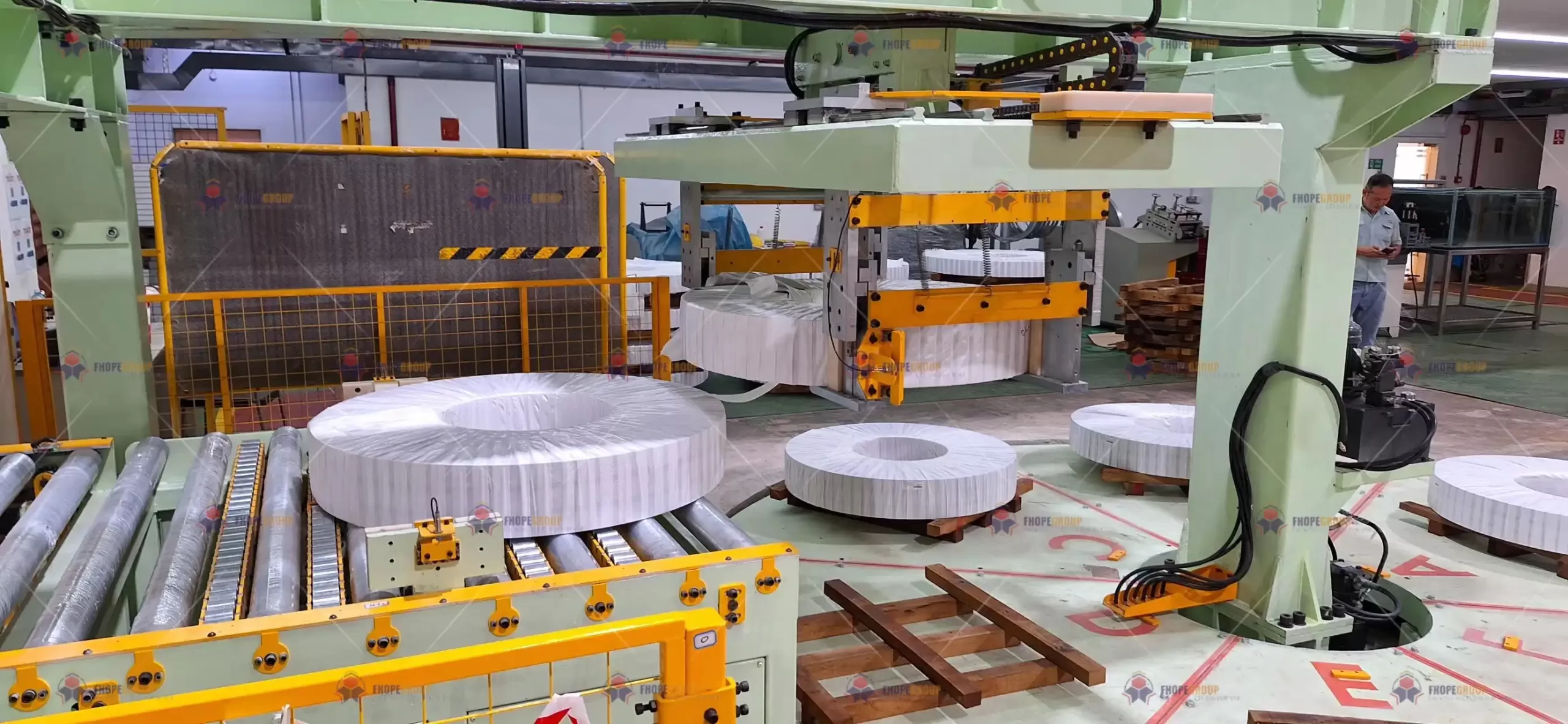
Integrated Conveying and Handling Systems: The journey of a coil through an unmanned line starts with its movement. Coils often weigh several tons. Moving them safely is a big challenge. Automated lines use robust conveyors. They use precise coil cars. These systems take the coil from the production line. They move it to the packing stations. They do this without any human touch. For example, a coil car might use sensors. It finds the exact position of the coil. Then, it carefully picks it up. It places it onto a rotating platform. This platform is ready for wrapping. Some lines even include automatic coil tilting devices. These devices can flip a coil from horizontal to vertical. They do it as needed for specific packing. All these movements are controlled by the central system. This makes sure there are no collisions. It also makes sure there is no damage. This whole process is very smooth. It is also very efficient. It is a critical part of making the operation truly unmanned. This prevents manual handling injuries. It also speeds up the entire workflow.
-
Advanced Wrapping and Strapping Technologies: The core of unmanned packing is the wrapping and strapping. These machines perform tasks that once needed multiple workers. Ring wrappers apply protective films. They do it at high speed. They maintain perfect tension. This prevents moisture and dust. They can apply stretch film, VCI film, or rust-proof paper. They choose based on the coil type. Strapping machines use PET or steel straps. They secure the coil tightly. They do this with consistent force. They often use automatic strap feeders and sealers. These ensure a strong, reliable package. I have worked on designs that can automatically detect coil width and diameter. The machine then adjusts its wrapping path. It changes the strapping positions. This happens in real-time. This adaptability is key for factories. They often produce many different products. These products have varied packing needs. It removes the need for human operators to manually reconfigure the machines. It ensures consistent, high-quality protection for every single coil.
-
Smart Control and Monitoring Systems: The brain behind these unmanned lines is the control system. It uses PLCs and HMI (Human Machine Interface) screens. These allow operators to monitor the entire process from a safe distance. The system can self-diagnose problems. It can alert technicians. It can even make small adjustments to optimize performance. For instance, if a film roll runs low, the system can send an alert. Some advanced systems can automatically switch to a new roll. This minimizes downtime. They use sensors to detect coil presence. They check for proper wrapping. They verify strap tension. Data collection is also a big part. The system records packing parameters for each coil. This data is useful for quality control. It is also useful for traceability. This means factories can track every packed coil. They know its packing details. This offers peace of mind. It ensures compliance with strict industry standards. This smart monitoring allows the line to run continuously. It does this with minimal human oversight. It keeps production moving.
What Benefits Do Unmanned Coil Packing Lines Bring to Azerbaijani Factories?
It is one thing to know how something works. It is another to understand what real difference it makes. For factories in Azerbaijan, the benefits of unmanned coil packing lines are very practical. They directly impact the bottom line and overall operations. These are not just theoretical advantages. These are real-world gains I have seen clients achieve.
Unmanned coil packing lines bring significant benefits to Azerbaijani factories. These include a major boost in production efficiency and a dramatic reduction in operational costs. They also lead to consistently higher packing quality and a safer working environment. These improvements help factories meet international standards. They also make them more competitive in the global market. They provide a clear path to sustainable growth and operational excellence.
My journey in the packing machine industry has shown me a clear truth. When you invest in smart automation, you invest in your future. I once worked with a client who struggled with high labor costs. Their manual packing process was slow. It often delayed shipments. We helped them implement an automated solution. The change was remarkable. Their output doubled. Their error rate dropped to almost zero. They quickly started exporting to new markets. This is the kind of transformation I want for businesses in Azerbaijan. It is about more than just machines. It is about unlocking new potential. It helps factories become lean, agile, and robust. It allows them to handle larger orders with ease. It makes them more responsive to market changes.
-
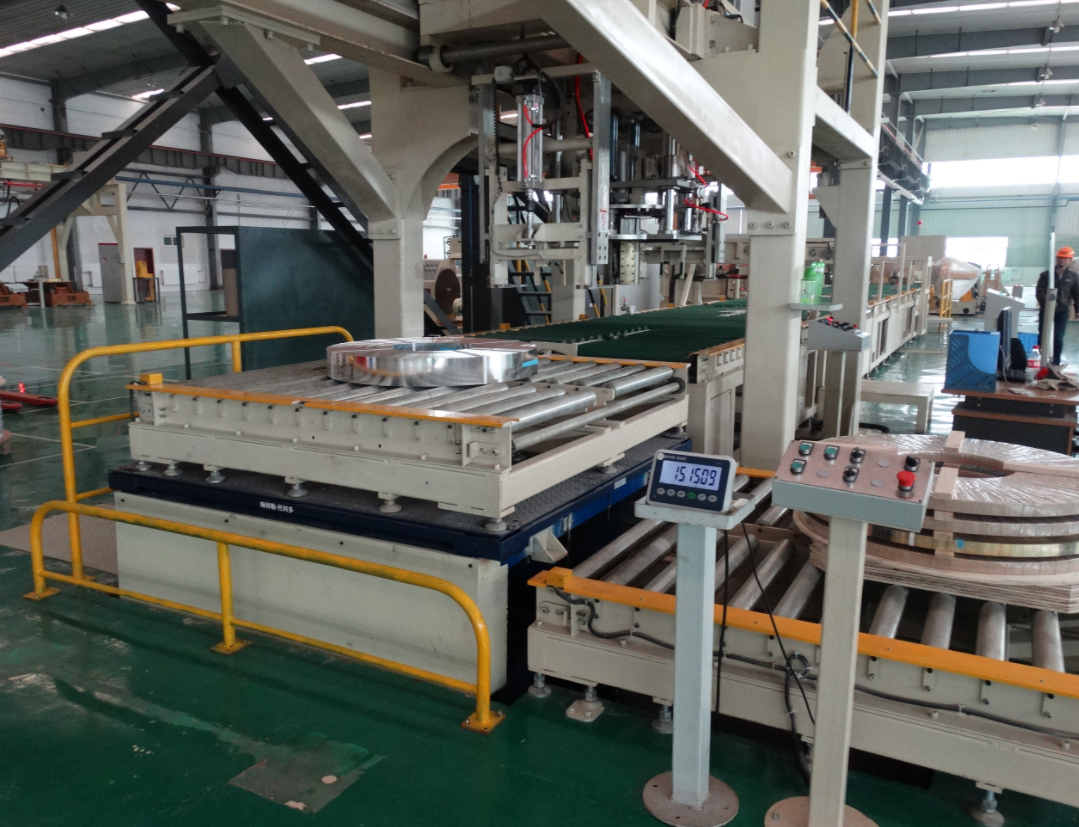
Increased Efficiency and Throughput: Unmanned coil packing lines operate continuously. They do not get tired. They do not need breaks. This means they can process coils at a much faster rate than human workers. For a factory handling hundreds of tons of steel daily, this is huge. It ensures a steady flow of finished products. There are no bottlenecks at the packing stage. This helps the entire production line run more smoothly. My own factory once saw a 30% increase in output after automating a key packing process. This was a game-changer for our business. For Azerbaijani factories, higher throughput means they can take on more orders. They can meet tighter deadlines. This leads to increased revenue. It makes the business more scalable. This efficiency also extends to material usage. Automated systems optimize film and strap consumption. They reduce waste. This adds to cost savings. It improves overall resource management within the factory.
-
Significant Cost Reduction: Labor costs are a major expense for any manufacturing plant. Unmanned packing lines dramatically reduce the need for manual labor. This directly cuts down on wages, benefits, and training expenses. Less manual handling also means fewer material damages. This reduces material loss. It cuts down on rework. Energy consumption can also be optimized. Modern machines are designed to be energy-efficient. Over time, these savings add up. They lead to a much lower overall operating cost. When I established my factory, controlling costs was always a top priority. Automation was key to achieving that. It freed up capital that we could then reinvest in other areas. For businesses in Azerbaijan, these cost savings can be vital. They can improve profitability. They can help free up resources for innovation. This helps a company stay competitive. It allows them to grow faster.
-
Enhanced Safety and Consistent Quality: Safety is always first. Manual coil packing carries risks. These include back injuries from lifting. They include crush injuries from moving coils. Unmanned lines remove workers from these dangerous areas. This drastically improves workplace safety. It leads to fewer accidents. This reduces insurance costs. It also boosts worker morale. At the same time, automated systems deliver perfect packing every time. They apply consistent tension. They use precise strapping. This protects coils from damage during storage and transport. This consistent quality is especially important for export markets. My clients often tell me how much they value this reliability. It builds trust with their customers. For Azerbaijani manufacturers, better safety and consistent quality are powerful advantages. They protect people. They also protect the product. This builds a strong reputation. It ensures long-term customer satisfaction.
How Can Factories in Azerbaijan Successfully Implement Unmanned Packing Solutions?
Adopting unmanned operations sounds great. But how do you actually do it? It is not just about buying a machine. It is about a complete process. This includes planning, choosing the right partner, and ensuring smooth integration. I have helped many clients through this exact process. I know the common pitfalls and how to avoid them.
For factories in Azerbaijan to successfully implement unmanned packing solutions, they must take a strategic approach. This involves a clear assessment of their current needs and future goals. They need to choose a reliable supplier who offers customized solutions, complete installation, and ongoing support. Proper planning, staff training, and a focus on long-term partnership are also essential for success.
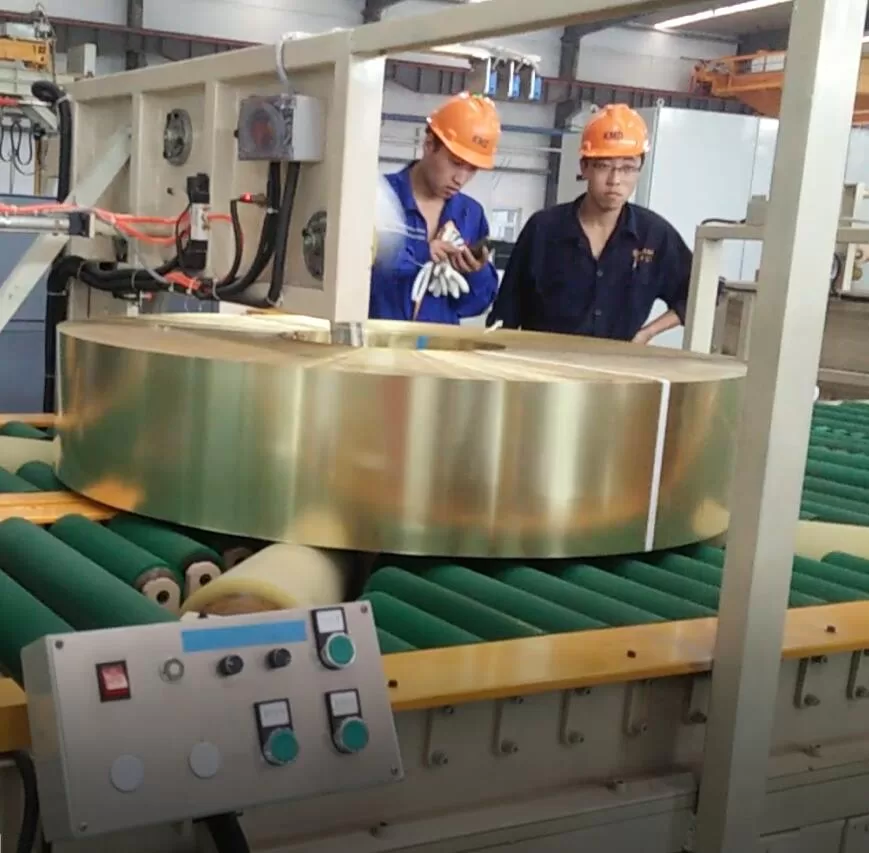
When I advise clients, I always emphasize customization. Every factory is unique. Your production line has specific needs. A “one-size-fits-all” solution rarely works well. When I started FHOPEPACK, my mission was to provide the best customized packing solution. This means listening to the client. It means understanding their challenges. It means designing a system that fits perfectly. For factories in Azerbaijan, this personalized approach is crucial. It ensures the new system integrates smoothly. It delivers the expected benefits. It avoids costly mistakes. You need a partner who understands your industry. You need a partner who can provide a full “turnkey” solution. They should handle everything from design to setup. They should also offer after-sales service.
-
Detailed Needs Assessment and Planning: Before buying any equipment, you need to understand your exact needs. What types of coils do you produce? What are their sizes and weights? What are your target daily packing volumes? What specific packaging materials do you use? Think about your existing production line. How will the new packing system connect to it? Will it need special conveyors? Will it need data integration? I always tell clients to map out their entire process. Identify bottlenecks. Define clear goals for the new system. Do you want to reduce labor by 50%? Do you want to increase throughput by 25%? Having clear goals helps you choose the right system. It also helps measure success. This detailed planning is the first step toward a successful unmanned operation. It lays the groundwork for all future decisions. It ensures the solution is tailored to your specific operational environment.
-
Choosing the Right Technology Partner: Selecting a supplier is critical. You need more than just a machine seller. You need a long-term partner. Look for a company with a proven track record. They should specialize in coil packing solutions. They should understand your industry. Ask about their engineering capabilities. Can they offer customized designs? Can they integrate with your existing systems? What kind of after-sales support do they provide? This includes spare parts and technical assistance. I pride myself on FHOPEPACK’s ability to offer comprehensive solutions. My team and I understand the value of reliable support. It ensures your investment keeps paying off for years. For factories in Azerbaijan, this partnership approach is key. It minimizes risks. It maximizes the return on your investment. It gives you peace of mind knowing you have expert help whenever you need it.
-
Seamless Integration and Ongoing Support: Installation is just the beginning. The new unmanned packing line must integrate smoothly with your current production flow. This requires expert installation. It requires careful commissioning. Your team will also need training. They need to learn how to operate the system. They need to learn how to troubleshoot minor issues. A good partner provides thorough training programs. They also offer ongoing technical support. Things like remote diagnostics can be very helpful. They allow quick problem-solving. This keeps downtime to a minimum. My experience taught me that continuous support is vital. It keeps the line running efficiently. It ensures the factory gets the full benefit of its investment. For Azerbaijani factories, this means they can rely on their automated system. They know they have backing from their supplier. This commitment from a partner helps in adapting to new challenges and ensuring peak performance over time.
Conclusion
Unmanned coil packing lines offer a powerful solution for factories in Azerbaijan. They tackle challenges like labor shortages and quality demands. They boost efficiency, cut costs, and improve safety. By choosing the right partner and planning carefully, businesses can transform their operations. This makes them more competitive globally through advanced coil packing line solutions.








