
How Coil Wrapping Machines Support Mexican Factories to Meet Global Export Standards?
Mexican factories face big pressure to compete in the global market. Many still use old packing methods. These methods hold them back. They create slow production, safety risks, and product damage. These are not just small problems. They are big blocks to export success and customer trust. Modern coil wrapping machines offer a real solution. They can change how your factory operates.
Coil wrapping machines help Mexican factories meet global export standards by automating key end-of-line processes. They make packing much faster. They ensure steady product protection against damage. They also greatly improve workplace safety. This automation directly leads to higher efficiency. It cuts costs. It also makes sure shipments are compliant and high-quality. This makes factories more competitive in the international market.
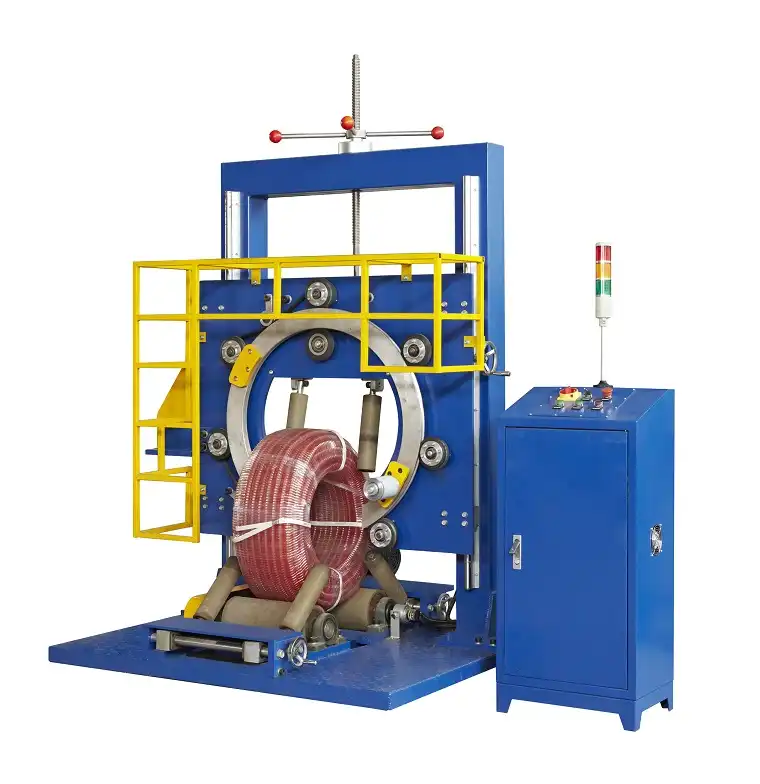
If you are a factory manager, like Michael, these challenges are very real. I started FHOPEPACK because I have been in your shoes. I know the pressures of running a factory. Let’s look closer at how these machines are not just equipment. They are strategic partners for your journey to export success.
1. Why Is Manual Coil Packing a Bottleneck for Mexican Exports?
Manual packing is slow. It is also dangerous and costs a lot. Many factories still rely on it. This creates real problems. They miss export deadlines. Workers get hurt. This manual way of doing things is just not good enough for factories with global ambitions.
Manual coil packing creates big bottlenecks for Mexican exports. It is inherently slow. It needs many workers. It also carries a high risk of worker injury when handling heavy, difficult materials. This method directly slows down overall production. It increases operating costs. It also fails to meet the speed and consistency needed for international shipping and safety rules.
Let me tell you about the hidden costs that come with manual labor. These costs go beyond just wages. There are expenses for training new staff. Employee turnover can be high when work is hard and dangerous. More importantly, there are high costs from injuries. This includes medical bills, lost work time, and higher insurance premiums. A manager like Michael, in a metal processing plant, knows this well. High injury rates mean high insurance costs. They also mean workers leave often. This constant cycle of hiring and training wastes money and time. It also slows down production. It is a big drain on resources that could be used for growth.
Beyond labor costs, manual packing often leads to inconsistent quality. Human error can affect how coils are wrapped. The tension might not be right. Some parts might be exposed. This makes products vulnerable to damage during shipping. If a steel coil arrives at its destination with scratches or bent edges, it can lead to customer complaints. This means returns, rejections, and profit loss. I have seen how poor packing can hurt a company’s reputation. It can make future orders harder to get. When I started my packing machine factory, I saw these issues firsthand. We realized manual methods were unsustainable for any serious export ambition. Factories that want to export need their products to arrive in perfect condition, every time. Manual packing simply cannot guarantee this level of consistency. It is a major reason why some Mexican factories struggle to meet the strict quality standards of global buyers.
| Factor | Manual Coil Packing | Automated Coil Packing |
|---|---|---|
| Speed | Slow, limited by human pace | Fast, consistent, high throughput |
| Labor Cost | High, requires multiple operators | Low, often needs only one monitor |
| Safety Risk | Very High (injuries, strain) | Very Low (operators are removed) |
| Consistency | Variable, prone to human error | High, uniform, repeatable |
| Product Damage | Higher risk due to handling | Lower risk, secure wrapping |
| Export Readiness | Hindered by quality/speed issues | Boosted by reliability/efficiency |
2. How Do Coil Wrapping Machines Ensure Product Quality for Global Markets?
Product damage can secretly kill profits and ruin a company’s name. Scratched steel coils mean lost sales. They also create angry customers. This is a big problem. A modern solution is needed. Consistent and protective machine wrapping offers that solution.
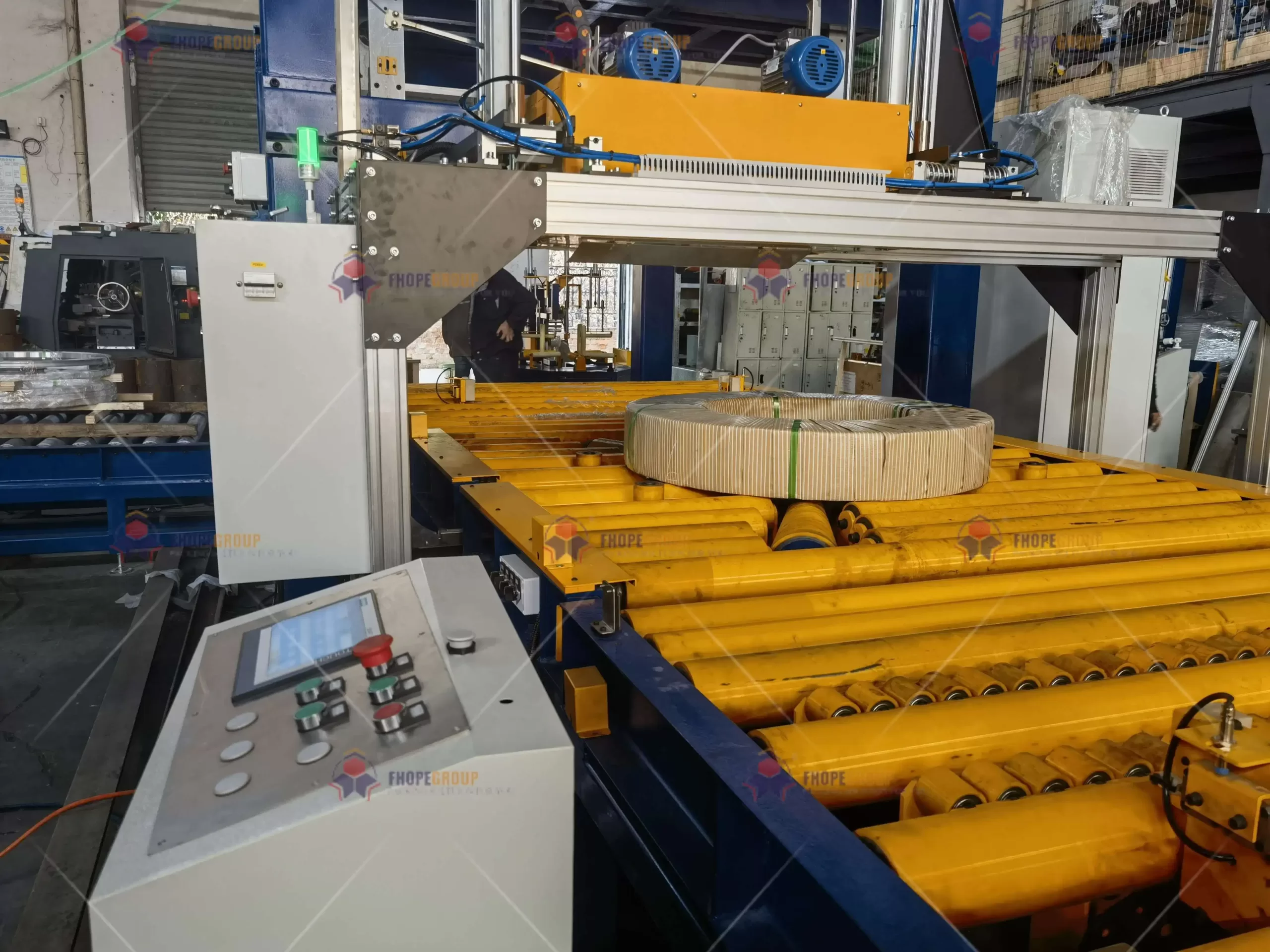
Coil wrapping machines ensure product quality for global markets. They apply steady, even protective layers around coils and wire. This guards against surface scratches, rust, and impact damage during shipping and storage. Their exact tension control and options for different materials stop products from moving or rubbing. This ensures products arrive in perfect shape. They meet the high expectations of international customers.
Precision and consistency are key benefits of coil wrapping machines. These machines apply wrap material with uniform tension every time. This prevents loose wraps or parts of the coil being exposed. This is very important. Exposed areas are more likely to get damaged. Machines can also use different types of materials. For example, stretch film provides strong containment. VCI (Volatile Corrosion Inhibitor) paper protects against rust. Woven fabric adds extra strength and tear resistance. You can choose the right materials for the specific product and its destination. This tailored protection is something manual wrapping cannot consistently offer. It means your coils get the exact protection they need. They are ready for long journeys and varied climates.
Damage prevention during transit is crucial for export. Coil wrapping machines secure the coil tightly. This stops it from shifting inside its package or during transport. Movement can lead to abrasion and impact damage. The wrap also forms a barrier against external elements. It protects against moisture, dust, and dirt. For metal products, keeping them dry is vital to prevent rust. For example, if a coil is shipped from Mexico to a humid country, it needs excellent protection. My experience has shown me that proper packing is not just about looks. It is about functionality. It protects the product’s integrity. This ensures it arrives in the same condition it left the factory. This gives peace of mind to both the factory and the customer.
| Common Damage Type | Manual Packing Outcome | Coil Wrapping Machine Solution |
|---|---|---|
| Surface Scratches | Uneven wrap, rough handling | Consistent, smooth wrap; automated handling; precise material. |
| Rust/Corrosion | Incomplete sealing, moisture | Air-tight seal; VCI film option; full coverage. |
| Edge Damage | Loose wrap, impact during move | Tight, secure wrap; stable palletizing; consistent tension. |
| Dust/Dirt | Exposed areas, poor sealing | Full encapsulation; multi-layer wrapping; barrier films. |
| Shifting/Abrasio | Insufficient tension, movement | High, consistent tension; strong film; product secured to pallet. |
3. Can Automation Truly Boost My Factory’s ROI and Safety Standards?
Investing in new equipment can feel like a big risk. You might doubt if the cost will bring enough benefits. You might worry that safety problems will still happen. This is a common concern. However, there are clear ways that automation can give you a strong return on your investment (ROI). It can also make your workplace much safer.
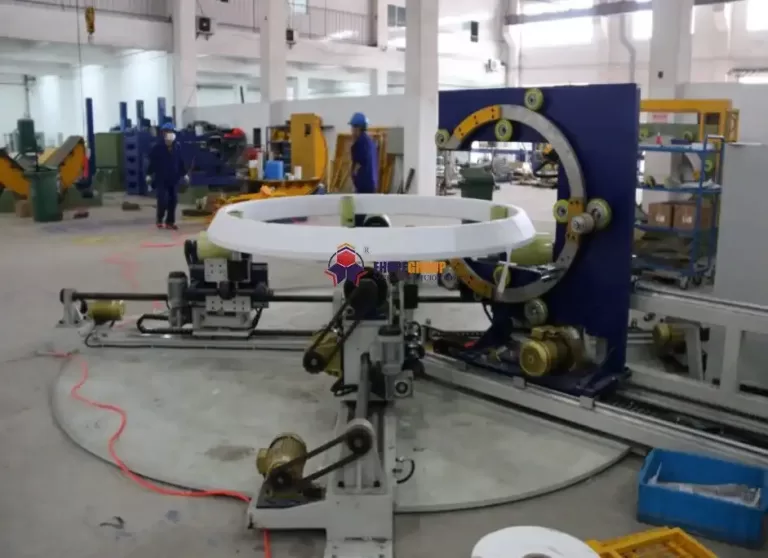
Automation, especially through coil wrapping machines, greatly boosts a factory’s ROI. It does this by cutting labor costs. It also minimizes product damage. It increases how much product can be made. This all leads to higher profits. At the same time, these machines greatly improve safety. They remove the need for people to manually handle heavy coils. This reduces accidents, injury costs, and staff leaving the company.
Let’s look at how to calculate your Return on Investment (ROI). First, think about labor cost savings. If a factory like Michael’s can reduce the number of staff needed for packing from three to one, that is a huge saving. These two workers can be moved to other valuable tasks, or their wages can be saved. Second, consider the reduction in product damage. If Michael’s factory currently loses 2% of product value due to damage during packing or transit, and a machine cuts that to 0.5%, the savings are significant. Fewer rejections mean happier customers and no claims to process. Third, think about increased output capacity. Automated packing is faster and more reliable. This means the end of the production line is not a bottleneck. More coils can be packed and shipped each day. This directly leads to more sales and profits. These factors together show a clear financial benefit.
A safer workplace also leads to a stronger business. Manual handling of heavy coils is dangerous. It can cause strain injuries, crushed limbs, or worse. Coil wrapping machines remove this risk. They handle the heavy lifting. Workers oversee the process from a safe distance. This change is not just good for employee well-being. It also has financial benefits. Fewer accidents mean lower medical costs. It means fewer days lost to injury. It also means lower insurance premiums for the factory. Michael’s factory struggles with high injury risk and high insurance costs. Automation directly addresses these problems. Employees also feel safer and more valued. This can reduce employee turnover. A stable workforce is more productive and experienced. It helps the business grow steadily.
Comparison: Labor Cost and Safety Incidents
Labor Cost per Coil (Example)
 This chart is illustrative. Actual savings vary.
Safety Incidents per Year (Example)
Automated systems drastically reduce incidents by removing manual heavy lifting.
- Manual System: High frequency of strains, cuts, crushing injuries.
- Automated System: Near-zero direct handling injuries, focus shifts to supervision safety.
4. How Do I Choose a Reliable Partner for Long-Term Export Success?
You may have had bad experiences with equipment suppliers before. They made promises. But their support disappeared. This is a common problem. It makes finding a new partner hard. You need a partner who truly understands your challenges. You need one who delivers lasting value.
Choosing a reliable partner for long-term export success means selecting a supplier with deep industry knowledge. They must have proven equipment that works well. They also need strong after-sales support. Do not just focus on the first sale. This partner should understand your factory’s specific problems. They should offer solutions made for you. They should give ongoing technical help and spare parts. This ensures your coil wrapping machines always work at their best. It supports constant global trade.
It is about more than just the machine itself; it is about the expertise and understanding behind it. My own journey started as an employee in a packing machine factory. Then I built my own successful factory. This path taught me many things. I understand Michael’s perspective very well. I know the production bottlenecks. I know the safety issues. I know the need for efficiency. FHOPEPACK’s mission is to share this knowledge. A good partner asks the right questions. They analyze your problems. They do not just try to sell you a product. They work with you to find the best solution for your unique factory needs. They consider your goals, like Michael’s goal to automate and improve safety.
The role of after-sales support is also very important. This means getting help with installation and training for your staff. It means maintenance services and having spare parts readily available. When a machine breaks down, you need a quick response. Any downtime costs you money. Michael has faced suppliers who focus only on sales and offer poor after-sales service. This experience makes him careful. A truly reliable partner offers full support. They make sure your machines keep running smoothly. This continuous support prevents unexpected delays. It keeps your production line moving.
Building trust is key for long-term business growth. It is not about a single sale. It is about building a lasting relationship. When equipment is reliable, it helps you meet your export commitments. It helps you keep customers happy. I have seen factories grow strong because they picked the right partners. I have also seen others struggle because of bad choices. That is why I am so focused on sharing insights and building trust. FHOPEPACK wants to be that trusted partner for you. We want to help your factory achieve its global export goals.
Conclusion
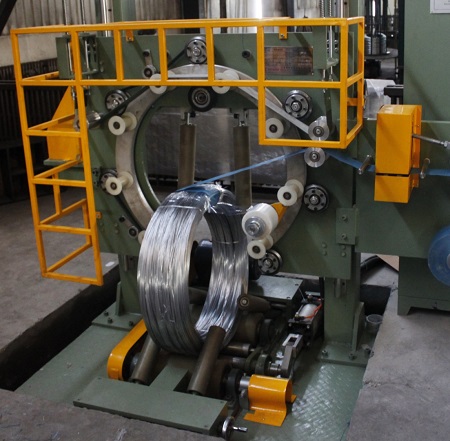
Automated coil wrapping helps Mexican factories become efficient, safe, and produce quality goods. This is key for global export standards. Partnering with experts like FHOPEPACK ensures this journey is successful.








