
How coil wrapping machine in USA supports factories meeting global safety standards?
Running a factory today means more than just hitting production targets. It means keeping your people safe, your products sound, and your operations efficient. Many factory managers I talk to feel this pressure. They worry about the dangers of manual heavy lifting. They also think about the cost of accidents and lost time. They wonder if there is a better way to do things, especially with packing heavy coils and wire.
Coil wrapping machines help USA factories meet global safety standards by greatly reducing manual handling of heavy materials. They cut down on workplace injuries, protect products from damage, and boost overall operational efficiency, setting a new benchmark for worker safety in manufacturing.
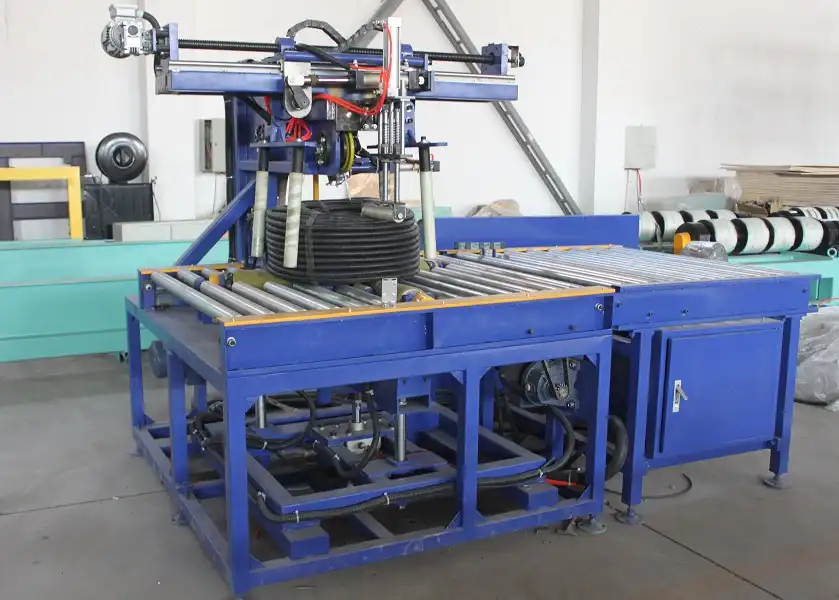
You know that safety is not just a buzzword. It affects your bottom line and your team’s well-being. If you are looking for real solutions to these challenges, keep reading. We will explore how modern packing technology can change your factory for the better.
1. Why is worker safety a growing concern for USA factories?
Are you feeling the pressure to improve safety in your factory? Many managers in the USA are. They deal with strict rules, rising costs, and a need to keep good employees. Factory work can be dangerous. People lift heavy things, move around machines, and do repetitive tasks. This leads to injuries. These injuries cost money and hurt morale.
Worker safety is a big concern for USA factories because of rising regulatory demands, high insurance costs, and the need to keep skilled workers. Workplace accidents lead to lost time, legal issues, and a damaged company image. This makes safety a top priority for factory leaders.

I have seen this firsthand in my years in the packing machine industry. When I worked on the factory floor, and later when I built my own factory, safety was always on my mind. It affects everything. An injury does not just hurt one person. It stops production. It costs money for medical care and lost workdays. It also affects the trust your team has in you. Modern factories, especially those in the heavy manufacturing sector like steel or metal processing, handle very large and heavy products. Think about steel coils or wire bundles. Moving these items by hand is dangerous. It puts workers at risk for crushing injuries, strains, and falls.
Key Reasons for Increased Safety Focus in USA Factories
USA factories face many challenges. These push safety to the front. It is not just about following rules. It is about smart business.
| Factor | Impact on Factories | Randal’s Insight |
|---|---|---|
| Strict Regulations | OSHA (Occupational Safety and Health Administration) sets tough rules. Not following them means big fines. Factories must invest more in safety measures. This also includes proper training and equipment checks. | “I learned early on that skipping safety checks is like asking for trouble. It costs far more in fines and downtime than doing things right the first time.” |
| High Insurance Costs | Workplace injuries make insurance premiums go up. Many small accidents add up. Big accidents can cause a factory’s rates to skyrocket. This directly hits the budget. | “When I ran my factory, I saw how one serious injury could affect our insurance for years. It showed me that preventing accidents is cheaper than reacting to them.” |
| Labor Shortages | Finding and keeping skilled workers is hard. A factory with a bad safety record struggles to attract talent. Workers want a safe place to work. High injury rates lead to more employee turnover. | “Good workers look for good, safe jobs. If your factory is known for accidents, they will go work somewhere else. Keeping your team safe helps you keep them.” |
| Product Damage | Manual handling of heavy goods often results in product damage. This leads to customer complaints and financial losses. It can also create unsafe situations if products fall or shift. | “In coil packing, even a small scratch on a steel coil can mean rejection. Manual handling increases this risk. This is not just a quality problem, it is a safety risk too.” |
| Global Standards | Many American factories sell products globally. They must meet international safety standards. This ensures their products are made safely and workers are protected. These standards often go beyond local laws. | “Meeting global standards is not just good for business. It is a sign you care about quality and safety. Our partners overseas expect it.” |
These points show why safety is not just a “nice-to-have.” It is a core part of running a successful factory. Ignoring it can lead to big problems. Investing in safety makes your factory stronger, more reliable, and more competitive. It also shows your employees you value them. This builds a strong, loyal team.
2. How do manual coil packing methods increase risks in your factory?
Do your workers still manually handle heavy coils and wires? If so, you are likely putting them at high risk every single day. The old ways of packing heavy industrial products, like steel coils or wire bundles, often rely on human strength. This method seems cheap at first. But it brings serious dangers and high costs.
Manual coil packing methods greatly increase risks in factories because workers must directly lift, move, and secure very heavy and often awkward items. This leads to severe injuries such as crushing, strains, and falls. It also causes product damage and slows down operations, creating many hidden costs.

I remember when I first started in the packing machine industry. I saw workers straining to flip large coils. They pushed heavy carts. It looked hard. Sometimes, things went wrong. A coil could shift. A strap could break. These moments always made me think about how we could do things better and safer. The risks are not just about muscle strain. They are about life-changing injuries. A falling steel coil can crush a limb. A slip while handling a greasy wire bundle can lead to a serious fall. These are not minor incidents. They are major disruptions that cost factories a lot.
Manual Packing: High Risks and Hidden Costs
Manual packing might seem like a simple way to get the job done, but the list of risks is long. These risks translate into real costs that erode your factory’s profitability.
-
Direct Worker Injuries:
- Crushing Injuries: Heavy coils can easily roll or fall onto workers. This causes severe, often fatal, injuries. I have heard too many stories about this in the industry.
- Musculoskeletal Disorders (MSDs): Repeated lifting, bending, and twisting to wrap or strap coils lead to chronic back pain, shoulder injuries, and carpal tunnel syndrome. This is a common problem for factory workers.
- Cuts and Lacerations: Handling sharp coil edges or metal straps by hand often results in cuts. Even small cuts can become infected or lead to more serious issues.
- Slips, Trips, and Falls: Uneven loads, spills, or obstacles in manual packing areas create fall hazards. These are especially dangerous when workers are trying to stabilize heavy, moving objects.
-
Product Damage and Loss:
- Edge Damage: When workers use manual tools or move coils without proper support, the edges of steel coils get bent or scratched. This leads to product rejection by customers.
- Surface Scratches: Manual handling, especially during placement or strapping, can scratch the finished surface of coils. This also means lost value.
- Improper Wrapping: Human error in wrapping leads to loose or uneven packaging. This can cause damage during transport or storage.
-
Operational Inefficiencies:
- Slow Production: Manual processes are slow. Each coil takes a lot of time and effort. This creates bottlenecks at the end of the production line. Michael Chen, a factory manager, told me his current manual process is “slow and inefficient.” This is a common problem.
- Inconsistent Quality: The quality of manual packing changes from person to person. It depends on skill and fatigue. This leads to inconsistent package integrity.
- High Labor Costs: While it seems cheap to use human labor, the total cost is high. This includes wages, benefits, overtime, and the costs associated with injuries and turnover.
-
Hidden Costs and Liabilities:
- Insurance Premiums: As mentioned, injuries drive up insurance costs.
- Legal Fees: Accidents can lead to lawsuits and legal expenses.
- Lost Production Time: When an injury happens, the production line often stops. This means lost output and missed deadlines.
- Low Morale: A dangerous workplace makes workers anxious. It lowers morale and increases employee turnover.
By understanding these risks, factory managers can see the true cost of manual packing. It is not just about the immediate effort. It is about the long-term impact on safety, product quality, and the company’s financial health. Switching to automated solutions becomes a clear step towards a safer and more profitable future.
3. What specific safety benefits do automated coil wrapping machines offer?
Are you tired of the constant worry about worker injuries and product damage in your packing area? Automated coil wrapping machines are changing this. They offer real, measurable safety benefits that manual methods simply cannot match. Investing in automation is not just about speed. It is mainly about making your workplace safer.
Automated coil wrapping machines offer crucial safety benefits by removing human contact with heavy coils. This eliminates crushing, strain, and fall risks. They also ensure consistent, secure packaging, reducing product damage and making the entire packing process much safer and more predictable for factory workers.
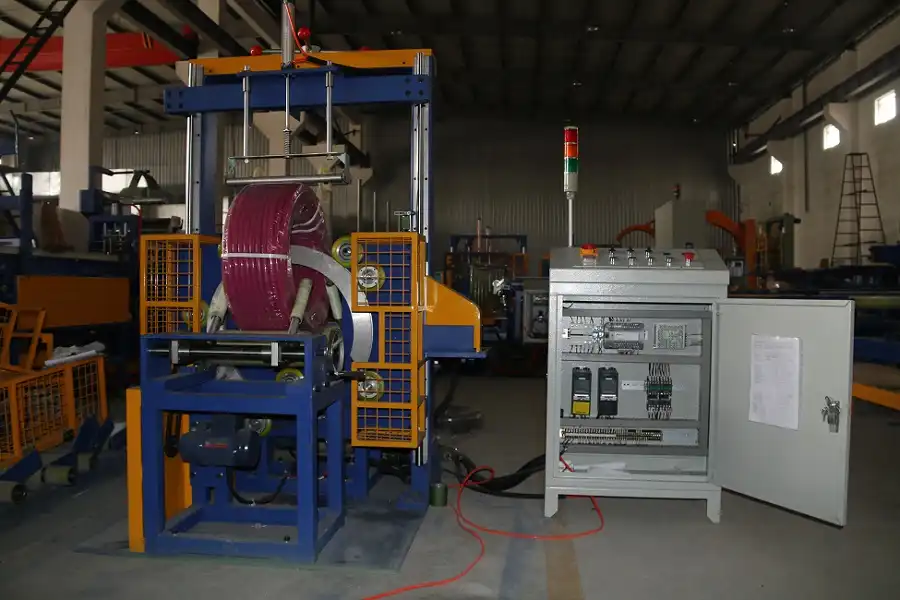
When I started FHOPEPACK, my goal was always to solve real problems for factories. Safety was a huge part of that. I saw how automation could transform a dangerous process into a safe and efficient one. It is not just about wrapping a coil. It is about protecting the hands that make your business run. These machines are designed with safety as a core feature. They minimize human interaction with heavy, moving parts. This is the biggest safety gain. Workers no longer need to lift, push, or strain against tons of metal. The machine does the heavy work, consistently and reliably.
How Automated Coil Wrapping Machines Boost Safety
Automated coil wrapping machines bring many safety benefits. They change the whole packing area. Here are some key ways they make factories safer:
1. Eliminating Direct Contact with Heavy Loads:
- No Manual Lifting: Workers do not need to physically lift or maneuver heavy coils. The machine’s conveyors and manipulators handle the weight. This prevents back injuries and strains.
- Reduced Crushing Hazards: Automated systems often use sensors and safety interlocks. These stop the machine if a worker is too close. This greatly reduces the risk of crushing accidents, which are common in manual handling of large coils.
- Stable Handling: Coils are moved and wrapped on stable platforms. They do not swing or fall, unlike when moved by hand or with simple overhead cranes. This keeps the load secure at all times.
2. Standardized and Predictable Operations:
- Consistent Wrapping: The machine applies packaging materials consistently. It ensures every coil is wrapped securely. This prevents loose packaging that could lead to product damage or collapse during transport.
- Controlled Movements: All machine movements are programmed and controlled. There are no sudden jerks or unpredictable shifts that can happen with manual operations. This makes the work environment safer for everyone nearby.
- Reduced Repetitive Strain Injuries: Automation takes over repetitive tasks like applying film or strapping. This frees human workers from tasks that cause muscle fatigue and long-term joint problems.
3. Integration of Advanced Safety Features:
- Emergency Stop Buttons: Every machine comes with easily accessible emergency stop buttons. These can halt all operations instantly if there is an issue.
- Safety Guards and Enclosures: Moving parts of the machine are usually enclosed. This prevents accidental contact. Light curtains and safety mats detect when someone enters a danger zone.
- Alarm Systems: Machines have visual and audible alarms. These warn workers of potential hazards or machine malfunctions.
- Automatic Fault Detection: Modern machines can detect issues like misaligned coils or low material levels. They stop before problems become safety risks.
4. Improved Workspace Ergonomics and Environment:
- Cleaner Work Area: Automated systems often keep the packing area cleaner. There is less packaging waste lying around. This reduces trip hazards.
- Less Noise and Vibration: While machines make some noise, they often reduce the overall chaos and manual effort. This can improve the work environment.
- Focus on Monitoring, Not Manual Labor: Workers can shift their focus. They monitor the machine, manage materials, and perform quality checks. This is less physically demanding work. It also uses their brains more.
These benefits directly address the biggest safety challenges in heavy manufacturing. By letting machines do the heavy, dangerous, and repetitive tasks, factories can create a much safer place for their employees. This also improves efficiency and reduces costly product damage. It is a win-win for everyone involved.
4. How can FHOPEPACK’s expertise guide your factory to safer operations?
Are you looking for a partner who truly understands your factory’s needs, especially when it comes to safety and efficiency? Many equipment suppliers just want to sell you a machine. They do not really get what you face every day. I know that feeling. I have been there. From working on the factory floor to building my own successful packing machine factory, I have seen every challenge.
FHOPEPACK, with my unique background as a packing machine engineer and factory owner, offers unmatched expertise to guide your factory to safer operations. We do more than just sell machines. We understand your production bottlenecks, safety risks, and efficiency goals. We provide customized, reliable solutions that genuinely improve worker safety and boost your factory’s profitability.
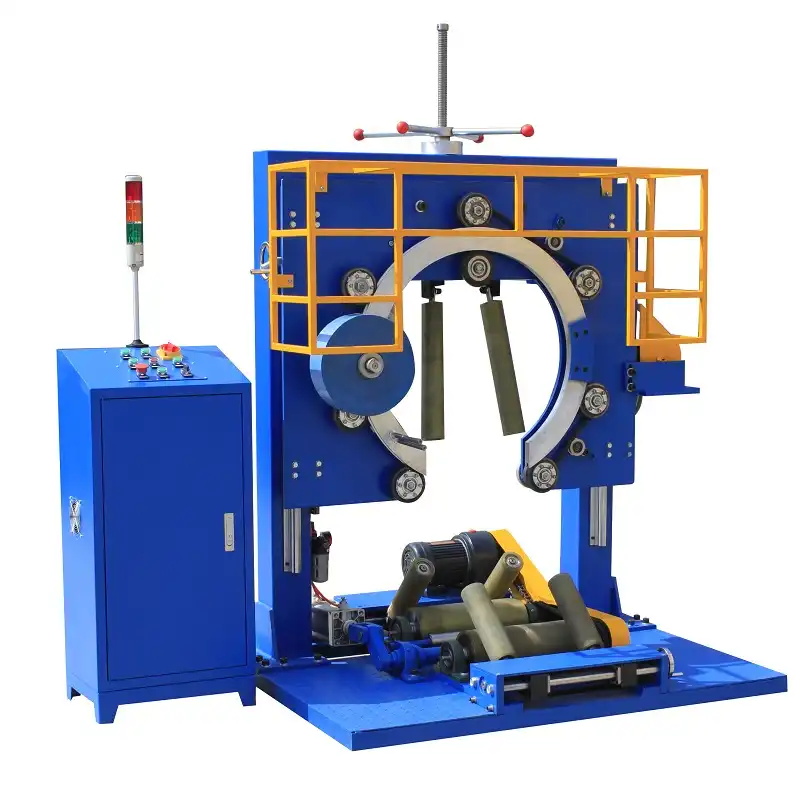
My journey in the packing machine industry taught me a lot. I started as an employee, just like many of your workers. I saw the dangers. I felt the pressure to produce more. Later, I built my own factory. I had to solve problems of efficiency, quality, and worker safety myself. This personal experience means I do not just offer equipment. I offer solutions born from real-world understanding. I know what it takes to integrate new equipment into an existing line. I know how important reliable after-sales service is. Many suppliers fail here. This is why FHOPEPACK is different. We focus on building trust and long-term partnerships. We help you find the right machine that solves your specific problems, like reducing manual handling of heavy coils and cutting down on injuries.
FHOPEPACK’s Approach: Partnership for Safety and Success
At FHOPEPACK, we believe in a partnership approach. We bring our deep industry knowledge to your factory floor. We help you choose and implement the best solutions for a safer, more efficient operation.
-
Real-World Experience from a Factory Owner:
- Understanding Your Challenges: I have faced the same challenges you do. I know about production bottlenecks, cost pressures, and the need for reliable equipment. This lets us speak your language. We understand your pain points, like Michael Chen’s need to “reduce manual handling” and “improve safety.”
- Proven Solutions: My experience in building and running a factory taught me what works. I do not just recommend machines. I recommend solutions that have proven their value in real production settings.
- Focus on ROI: I understand that every investment must show a clear return. We help you see how automated packing machines reduce labor costs, cut injury expenses, and reduce product damage. This all adds to your profit.
-
Customized Solutions, Not Just Products:
- Tailored Assessments: We do not offer one-size-fits-all solutions. We carefully assess your current packing process, your factory layout, and your specific safety concerns. Then we recommend the best coil wrapping or strapping machine for you.
- Integration Expertise: We look at your whole production line. We help integrate new packing machines smoothly. This ensures they fit perfectly with your existing operations. We help you avoid new bottlenecks.
- Beyond the Machine: Our support goes beyond the equipment itself. We offer advice on workflow optimization, material handling best practices, and overall safety improvements.
-
Building Trust and Long-Term Partnership:
- Reliable After-Sales Support: I know how frustrating it is when a supplier disappears after the sale. At FHOPEPACK, we stand by our equipment. We offer strong after-sales service, spare parts, and technical assistance. This ensures your machines run well for years.
- Knowledge Sharing: FHOPEPACK is a knowledge-sharing platform. We believe in empowering our clients. We provide insights and expertise to help your team understand and operate the new equipment safely and efficiently.
- Growth Mindset: Just as the coil packing industry helped me achieve financial independence and grow my business, I am dedicated to helping others succeed. Your growth is our goal. We want to be a partner in your long-term success.
By working with FHOPEPACK, you gain more than just a machine. You gain a partner with deep industry experience. You get solutions that protect your workers, improve your product quality, and boost your factory’s bottom line. We help you move towards a safer, more automated future with confidence.
Conclusion
Automated coil wrapping machines are key for USA factories. They boost worker safety, cut costs, and meet global standards. Partnering with FHOPEPACK means gaining expertise for a safer, more efficient operation.








