
How Coil Wrapping Machine in USA Helps Reduce Dust and Moisture on Copper Coils?
Imagine this: You have a batch of perfectly manufactured copper coils ready for shipment. But then, as they sit, or move, dust settles. Moisture from the air or an unexpected spill touches them. Suddenly, those pristine coils are at risk. This is a common problem I saw many times in my early days in the packing machine industry. It is a quiet enemy that degrades product quality and upsets customers.
A coil wrapping machine truly helps reduce dust and moisture on copper coils by creating a strong, protective barrier around each coil. It uses stretch film or other robust wrapping materials to tightly encase the copper. This seal stops environmental elements like dust particles and water droplets from reaching the sensitive metal surface, keeping the coils clean and dry from the factory floor to the customer’s dock.
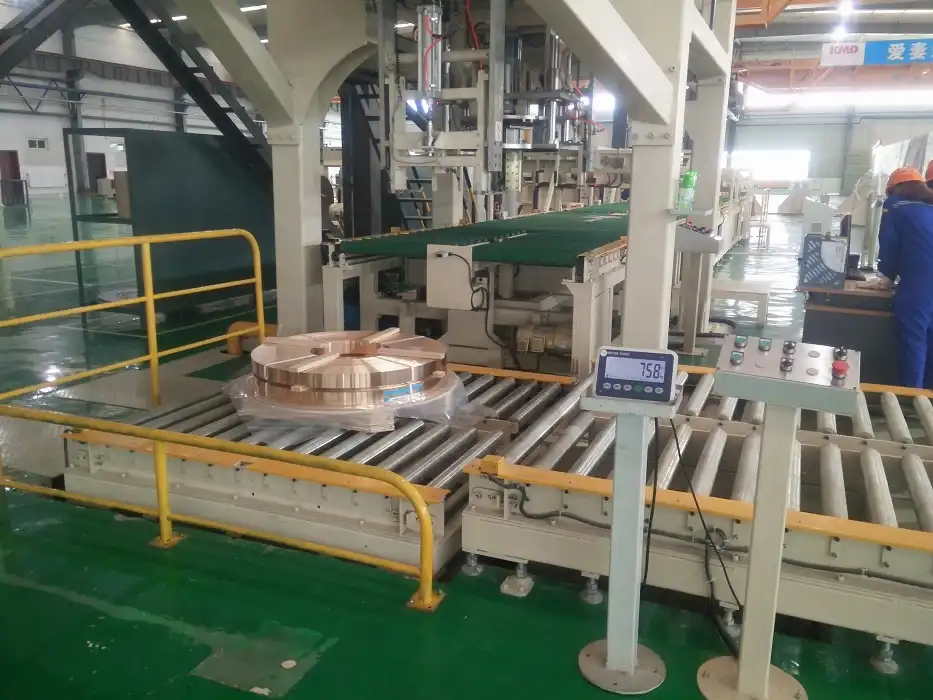
Understanding how these machines work is just the start. Many factory managers, like you, want to know the “how” and the “why.” They want to see the real impact on their operations. Let us look deeper into what makes copper coils so vulnerable, and how the right machine makes a big difference.
1. Why Are Copper Coils So Susceptible to Damage from Dust and Moisture?
Think about the material itself. Copper is a valuable metal. It has many uses. But it is also very sensitive to its surroundings. If you are a factory manager, you know that keeping your product in top condition is key. When copper coils get dusty or wet, it can cause big problems down the line. This is a challenge I have helped many clients overcome.
Copper coils are highly susceptible to dust and moisture because copper is reactive and its surface can easily oxidize or corrode when exposed to these elements. Dust can scratch the surface, trap moisture, and lead to quality issues. Moisture, especially in humid environments like those in parts of the USA, causes oxidation, which changes the copper’s electrical and aesthetic properties, often making it unusable or less valuable.

When I first started in the packing machine factory, I saw how much effort went into making perfect copper coils. Then, after production, they would sometimes sit unprotected. This exposure made the hard work seem wasted. Dust from the air, condensation from temperature changes, or even just high humidity could affect them. This is not just about looks. It is about how the copper performs. Oxidized copper has higher electrical resistance. This means it might not work as well in electronic parts or cables. Water spots can also ruin the finish. This is a big problem for industries that value appearance, like decorative arts or high-end electronics. My experience taught me that preventing this damage is not just good practice. It is essential for business success. It helps save money and keeps customers happy.
The Specific Vulnerabilities of Copper Coils
Copper coils face several threats from dust and moisture. Each threat can impact the quality and value of the product. Understanding these risks helps you see why good packing is so important.
- Oxidation and Corrosion: Copper reacts with oxygen and water. This forms copper oxides or hydroxides. These compounds change the color of the copper. They can also affect its electrical properties. In humid areas, like many coastal regions in the USA, this process speeds up.
- Surface Contamination: Dust particles are not just dirt. They can contain chemicals. These chemicals might react with the copper. Dust also traps moisture. This creates small, damp spots that cause corrosion to start.
- Aesthetic Degradation: For many uses, copper’s bright, clean look is important. Stains, spots, or discoloration from dust and moisture make coils look old or damaged. This can lead to rejections from customers.
- Increased Rejection Rates: When coils show signs of dust or moisture damage, customers often reject them. This means lost sales. It also means extra costs for rework or scrap. It hurts your reputation too.
- Reduced Shelf Life: Unprotected coils degrade faster. This shortens their usable life. You might need to sell them at a lower price. Or you might have to scrap them. This impacts your profit.
Here is a table showing the problems and their impact:
| Problem Source | Direct Impact on Copper Coil | Long-Term Business Consequence |
|---|---|---|
| Dust Particles | Scratches, surface buildup | Reduced aesthetic appeal, potential electrical faults, customer complaints |
| Atmospheric Moisture | Oxidation, tarnish, water spots | Reduced conductivity, material degradation, higher rejection rates, diminished brand reputation |
| Chemical Residues (in dust) | Corrosion, localized damage | Compromised structural integrity, failure in sensitive applications, costly recalls |
| High Humidity | Accelerated tarnishing, widespread oxidation | Shorter shelf life, increased scrap material, lost revenue, operational inefficiencies |
2. How Do Coil Wrapping Machines Form a True Barrier Against Environmental Threats?
Knowing the risks is one thing. Finding a real solution is another. This is where a coil wrapping machine truly shines. It is not just about putting something around the coil. It is about creating a protective shield. I have seen these machines transform factories. They turn a vulnerable product into a well-protected asset.
Coil wrapping machines form a true barrier against environmental threats by applying multiple layers of strong, stretchable film around the entire surface of the copper coil. This process tightly seals the coil. It leaves no gaps for dust or moisture to enter. The film acts as a physical shield. It blocks airborne particles and liquid droplets. It keeps the copper safe and clean from the inside of the factory to its final destination.
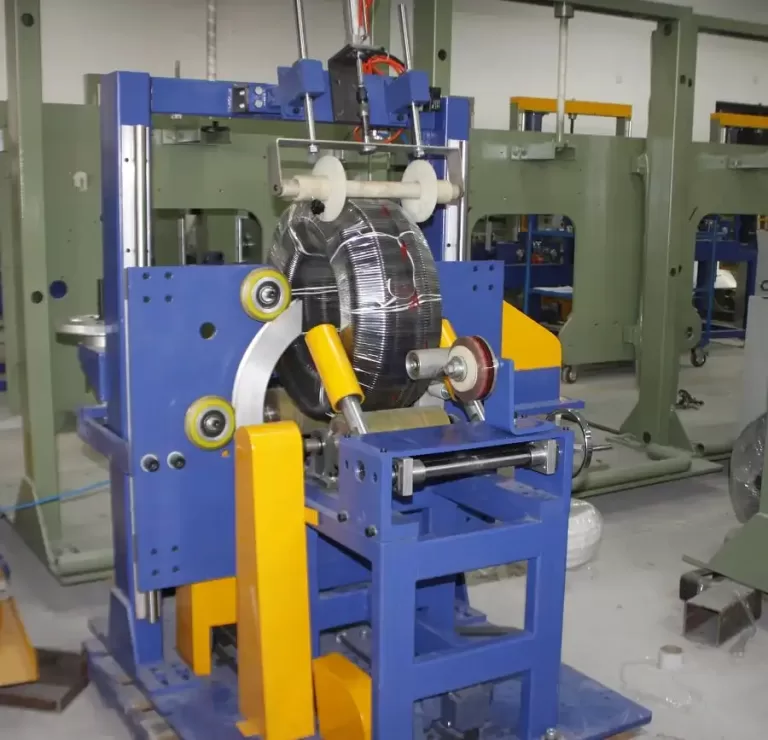
When I was running my own factory, the quality of our packing was as important as the quality of the product inside. A machine is a system. It is designed to do one job very well: protect. These machines use special films. They wrap the coil evenly and tightly. The film creates an air-tight or nearly air-tight seal. This seal is the key. It means dust cannot land on the copper. It means moisture cannot get to the surface. It stops oxidation. It stops corrosion. This protection is consistent, unlike manual wrapping. Human errors happen. Machines do not make those same mistakes when set up right. This reliability is what factory managers in the USA need to keep their production lines moving smoothly and their products pristine.
The Multi-Layered Protection System
A coil wrapping machine works through a series of steps. Each step adds to the overall protection of the copper coil. It is a carefully engineered process.
- Secure Positioning: First, the copper coil is placed on a rotating platform or within a wrapping ring. This ensures stable handling. It also allows for even wrapping.
- Film Dispensing: The machine uses a roll of specialized packing film. This film can be stretch film, VCI (Volatile Corrosion Inhibitor) film, or other protective materials. The machine pulls the film from the roll.
- Rotational Wrapping: As the coil rotates, or as the wrapping arm moves around the coil, the film is stretched and applied. It overlaps with each pass. This creates multiple layers. These layers build up strength and form a tight seal.
- Tension Control: The machine maintains consistent tension on the film. This is very important. Good tension ensures a tight wrap. It eliminates loose areas where dust or moisture could get in. It also makes the package strong.
- Heat Sealing or Cutting: After wrapping, the machine cuts the film. In some advanced systems, it then heat-seals the ends. This locks the film in place. It makes a complete, protective envelope around the coil.
This method gives comprehensive protection. It covers all surfaces. It prevents environmental contact. This is how these machines deliver real value to factories. They ensure product integrity. They reduce losses.
How Different Films Enhance Protection
The type of film used also plays a big role in protection. Machines can handle various film types.
- Standard Stretch Film: This film is strong and elastic. It provides a good physical barrier against dust, dirt, and water splashes. It is cost-effective for general protection.
- UV Resistant Film: For coils stored outdoors, UV-resistant film is important. It protects against sun damage. UV rays can degrade both the copper and the film itself. This film extends outdoor storage time.
- VCI Film (Volatile Corrosion Inhibitor): This film releases special chemicals. These chemicals create a protective atmosphere inside the package. This atmosphere prevents corrosion on the metal surface. It is very effective for long-term storage or shipment in humid conditions.
- Rust Inhibiting Film: Similar to VCI, these films are designed to actively stop rust formation. They are crucial for metals that are highly prone to rust, even if copper is less so than steel, some alloys might benefit.
Using the right film with a well-tuned wrapping machine makes sure your copper coils stay perfect. It is about understanding the specific needs of your product and environment. Then, you match those needs with the best solution. This is a lesson I learned early on: the right tools and materials make all the difference.
3. Beyond Protection: How Do These Machines Transform Operations in US Copper Plants?
Protecting coils from dust and moisture is a huge benefit. But coil wrapping machines do much more. They change how a factory works. They make things faster, safer, and more cost-effective. For a factory manager in the USA, these are all critical points. I know this because I built a successful factory from the ground up. I saw firsthand how the right equipment can boost an entire operation.
Beyond simply protecting coils from dust and moisture, coil wrapping machines transform operations in US copper plants by significantly boosting efficiency, enhancing worker safety, and cutting down on operational costs. They automate a labor-intensive process, free up manual labor for other tasks, minimize product damage during handling, and ensure consistent package quality, which all lead to higher output and better profits.
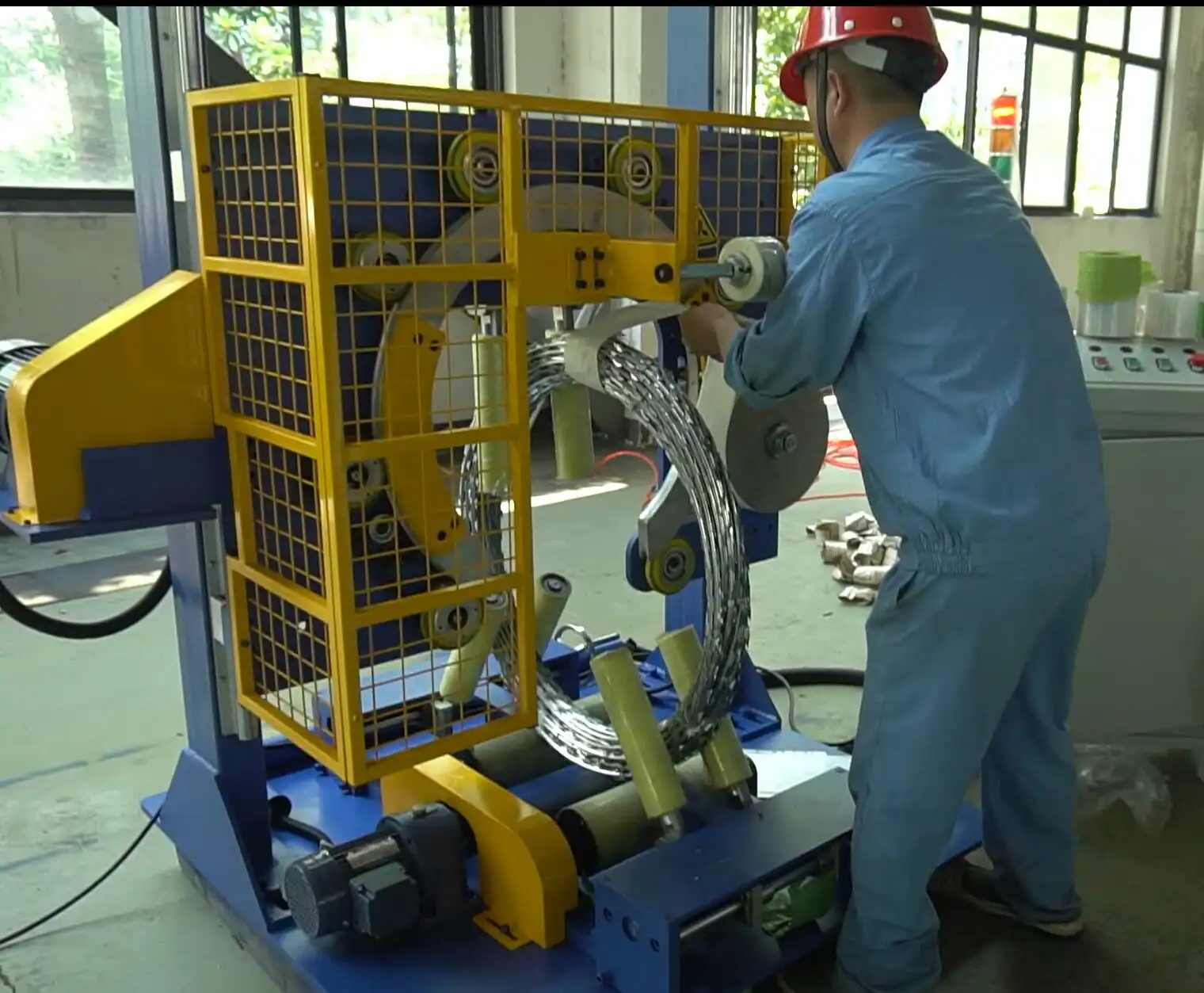
When I started my journey, I learned that every minute and every dollar counts. Manual packing of heavy coils is slow. It takes many people. It also has a high risk of injury. My clients often came to me with these exact problems. They wanted solutions that did more than just wrap. They wanted solutions that solved their big operational bottlenecks. Coil wrapping machines do this. They replace slow, risky manual work with fast, safe automation. This means fewer accidents. It means less money spent on wages for packing. It means less product gets damaged. For a factory manager looking at the bottom line, these are huge wins. The investment pays for itself quickly, which is something I always emphasize. It is about smart growth.
Operational Advantages for US Copper Plants
Introducing a coil wrapping machine brings many benefits that go beyond just protecting the product. These benefits impact the entire factory floor.
- Increased Throughput: Manual wrapping is slow. A machine works much faster. This means more coils get packed in less time. Your production line can move at its optimal speed. This boosts overall factory output.
- Improved Worker Safety: Heavy coils are hard to handle. Manual wrapping often involves lifting, bending, and reaching. This causes injuries. A machine reduces the need for human interaction with heavy loads during packing. It makes the workplace safer. This cuts down on injury claims and lost workdays.
- Reduced Labor Costs: One machine can do the work of several people. This lets you reassign workers to other important tasks. Or it can reduce your overall labor needs. This directly saves money on wages and benefits.
- Consistent Package Quality: Machines apply film with uniform tension and overlap. This means every coil gets the same high level of protection. Manual wrapping is inconsistent. This consistency reduces product damage and customer complaints.
- Better Use of Space: Some automated systems can be more compact than large manual packing areas. This frees up valuable factory floor space. You can use it for other parts of production or storage.
Here is a comparison of manual versus automated packing:
| Feature | Manual Coil Packing | Automated Coil Wrapping Machine |
|---|---|---|
| Speed/Efficiency | Slow, variable, bottleneck creator | Fast, consistent, eliminates bottlenecks |
| Worker Safety | High risk of injuries (strains, crushing) | Very low risk, workers removed from heavy handling |
| Labor Costs | High, requires multiple skilled workers | Lower, one operator can manage multiple machines |
| Product Damage | Higher risk during handling, inconsistent wrap | Low risk, secure and uniform wrapping |
| Package Quality | Inconsistent, prone to human error | High and consistent, optimal protection |
| Cost Savings | Indirect costs from injuries and rework | Direct savings from labor, less waste, higher output |
Automating the packing process is not just about a machine. It is about a strategic business decision. It leads to a more efficient, safer, and more profitable operation. This is the kind of change I always push for with my clients. It creates real growth.
4. What Should US Factory Managers Look for in a Reliable Coil Wrapping Partner?
So, you know these machines can help. Now, the next big question is: How do you choose the right one? More importantly, how do you find the right partner? This is crucial. I have seen many factory managers struggle with unreliable suppliers. They sell a machine and then disappear. That leads to more problems. My personal mission is to share knowledge and help others succeed. This includes guiding you to make smart choices for your factory in the USA.
US factory managers should look for a reliable coil wrapping partner who offers proven machine reliability, comprehensive after-sales support, deep industry expertise, and a commitment to understanding your specific operational challenges. A good partner does not just sell equipment; they provide solutions, offer expert installation, training, and readily available spare parts to ensure long-term, trouble-free operation of your coil wrapping machine.
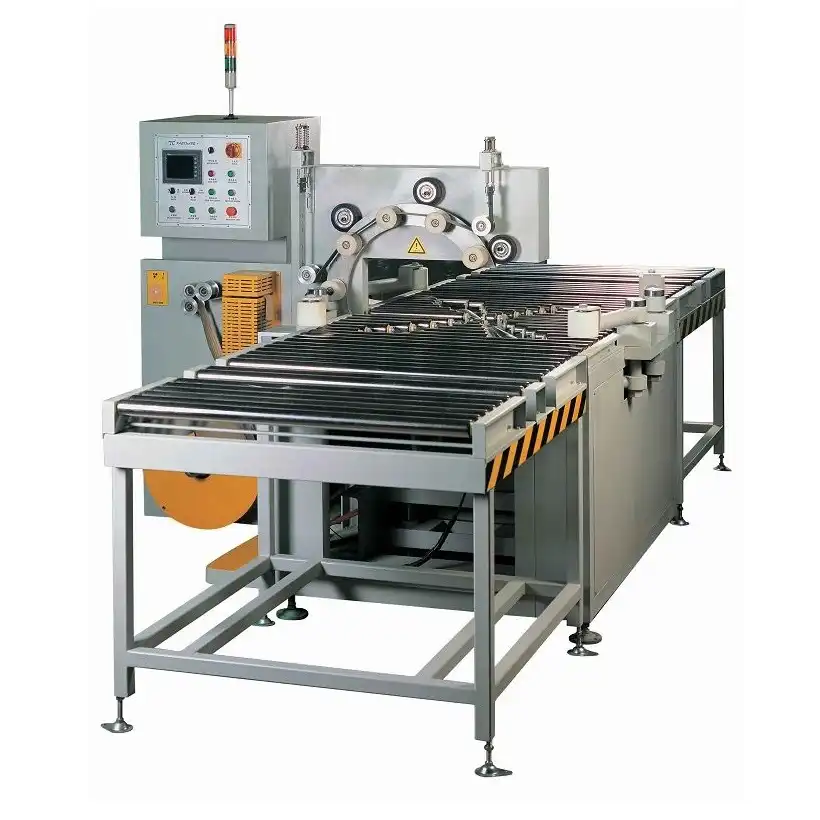
When I established my own factory, I understood the value of a trusted partner. It is not just about the price tag. It is about peace of mind. You need a supplier who stands by their product. You need someone who knows the packing machine industry inside and out. My own journey from an employee to a factory owner taught me that true value comes from reliability and support. If a machine breaks down, you need help fast. If you have questions, you need answers. This is especially true for factories in the USA. Downtime means lost money. A partner who understands your production needs and offers strong support is an asset. They help you avoid costly delays and ensure your investment truly pays off.
Key Qualities of a Top Packing Machine Partner
Choosing a partner is a big decision. Here are the things I tell factory managers to look for:
- Proven Reliability and Durability: The machine must be built to last. It should withstand the tough conditions of a factory. Ask about the materials used. Ask about the machine’s lifespan. Look for testimonials or case studies. A reliable machine means less downtime for you. This directly impacts your production schedule and profits.
- Comprehensive After-Sales Service: This is critical. What happens if the machine needs repair? Do they offer quick technical support? Are spare parts easy to get? Good service means fast fixes. It means minimal disruption to your work. A strong service team gives you confidence in your investment.
- Deep Industry Expertise: Does the supplier truly understand your industry? Do they know about copper coils? Do they understand your specific packing challenges? A partner with expertise can offer tailored solutions. They can recommend the best machine and film for your needs. They can also provide valuable advice on optimizing your packing line. My team at FHOPEPACK, for example, shares this deep expertise, which comes from years of experience in the field.
- Customization Options: Every factory is a little different. Your production line might have unique needs. Can the supplier customize the machine? Can they adjust it to fit your space or your specific coil sizes? Flexibility is a big plus. It means the machine will integrate perfectly into your current setup.
- Training and Support: When you get a new machine, your team needs to know how to use it. Does the supplier offer training? Do they provide clear manuals? Good training ensures your staff can operate the machine efficiently and safely. It helps you get the most out of your new equipment from day one.
- Transparent Pricing and ROI: A good partner is clear about costs. They help you understand the return on investment (ROI). They show you how the machine will save you money over time. This helps you make a financially sound decision. It aligns with your goal of lowering costs and increasing profits.
Looking for these qualities helps you find a partner you can trust. It helps you make an investment that truly supports your factory’s growth and success for years to come. This is the exact guidance I share with all my clients.
Conclusion
A coil wrapping machine in the USA truly safeguards copper coils from dust and moisture. It also boosts efficiency, improves safety, and cuts costs. Choose a reliable partner who understands your needs for lasting success.








