

How Coil Wrapping Machines Improve Steel Coil Protection in Australia?
Are you running a steel processing plant in Australia? Do you face constant pressure to boost output, cut costs, and keep your team safe? If so, you know the daily grind. Manual packing processes, damaged goods, and the ever-present risk of workplace injuries are not just headaches. They eat into your profits and slow down your entire operation.
Coil wrapping machines greatly improve steel coil protection in Australia by automating the packing process, which reduces product damage, enhances worker safety, and boosts overall efficiency. These machines apply secure, consistent wrapping, shielding coils from moisture, dust, and handling abrasions during storage and transport across the country’s diverse environments.


As someone who built a packing machine factory from the ground up, I understand these challenges deeply. I know what it takes to move from struggling with inefficiencies to running a smooth, profitable operation. Let us look at how smart investment in coil wrapping technology can transform your Australian business.
1. How Do Manual Steel Coil Packing Methods Impact Australian Factory Output?
Do your current packing methods feel like a bottleneck? Are you pouring valuable labor into slow, inconsistent processes that hold back your entire production line? This common problem causes more than just frustration. It directly affects your ability to meet deadlines and scale your business in the competitive Australian market.
Manual steel coil packing methods severely impact Australian factory output by creating significant efficiency bottlenecks. They require more time, increase labor costs, introduce inconsistencies, and often lead to slower overall production and delivery speeds compared to automated solutions.


When I started my journey in the packing machine industry, I saw many factories struggling with manual processes. They used many workers to wrap heavy coils by hand. This was not only slow but also inconsistent. Each coil might look different, and the packing quality could vary a lot. In Australia, where businesses aim for high standards and quick deliveries, this approach is simply not sustainable. My experience taught me that automation is not just about speed. It is about creating a reliable, repeatable process that allows a factory to grow. I have seen businesses free up their teams to focus on more complex tasks once they automate basic packing. This change can have a big impact on a company’s overall output and bottom line. It allows them to take on bigger orders and serve more clients.
⚡ The Hidden Costs of Manual Coil Packing
Many factory managers in Australia might think manual packing saves money on equipment. But this view often misses the bigger picture. The true costs of manual methods go beyond just wages. They affect every part of your operation.
-
Slower Production Cycle:
- Manual wrapping is inherently slow. Each coil takes a specific amount of time. This creates a bottleneck at the end of the line.
- Overall factory output drops. This means fewer coils can leave the plant each day.
- Delays in delivery happen. This can upset customers and damage your reputation.
- Example: A factory could pack 20 coils manually per shift. With automation, they might pack 60 coils in the same time. This triples their output capacity without increasing labor.
-
High Labor Dependency and Costs:
- You need many workers for manual packing. This adds to your payroll expenses.
- Training new staff for these physically demanding roles is constant. This is an ongoing cost.
- High turnover rates are common in strenuous jobs. This increases recruitment costs.
- Consider a typical Australian factory: If manual packing needs 5 workers per shift, automating this could reduce it to 1-2 supervisors. The savings are substantial over time.
-
Inconsistent Packing Quality:
- Human error leads to varied wrapping quality. Some coils might be too loose, others too tight.
- This inconsistency affects protection. Some coils will be more vulnerable to damage during transit.
- Brand image can suffer. Customers expect a consistent, high-quality product every time.
- Automated machines ensure uniform tension and overlap. This means every coil gets the same level of protection. This consistency builds trust with clients.
-
Limited Scalability:
- Growing your business means packing more coils. Manual methods make this difficult.
- Adding more workers is not always efficient or cost-effective. You run out of space or skilled labor.
- Automated systems can easily handle higher volumes. They scale with your growth.
- My own factory journey showed me this clearly. When demand grew, manual steps became big roadblocks. Automating them allowed us to take on much larger projects.
These points highlight why looking past the initial cost of a machine is vital. The long-term benefits of automation in an Australian steel plant far outweigh the initial investment.
2. Can Automated Coil Wrapping Truly Reduce Workplace Injuries in Australian Steel Plants?
Are your workers constantly lifting and moving heavy steel coils? Do you worry about the next accident, the next injury claim, or the rising cost of insurance? These concerns are very real. Manual handling of heavy industrial products like steel coils is one of the biggest safety risks in any factory, including those in Australia.
Automated coil wrapping significantly reduces workplace injuries in Australian steel plants by minimizing the need for manual handling of heavy steel coils. It removes workers from hazardous tasks like lifting, turning, and securing coils, which are common causes of strains, sprains, and more severe accidents, creating a much safer work environment.
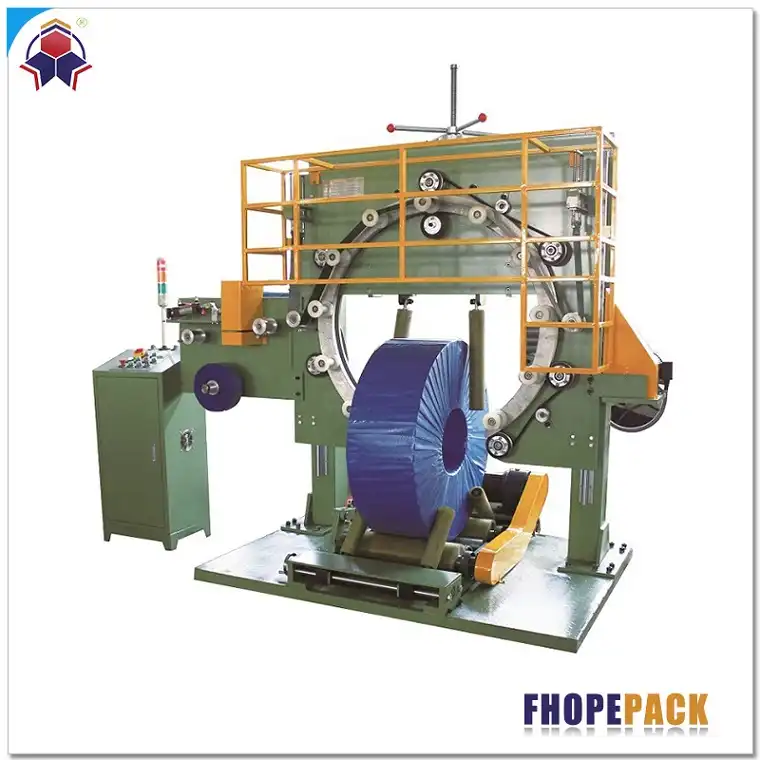

Safety was always a top priority for me when I ran my own factory. I saw firsthand the dangers of heavy lifting and repetitive tasks. Workers faced back injuries, crushed fingers, and other serious accidents. Beyond the human cost, these incidents also lead to high insurance premiums and loss of skilled staff. I learned that investing in automation is not just about making things faster. It is also about protecting your most valuable asset: your people. A safe workplace is a productive workplace. When workers feel safe, they are more focused and motivated. This leads to better quality work and fewer mistakes. Implementing automated solutions means workers can shift from dangerous tasks to supervising machines, which is a much safer role.
🛡️ Creating a Safer Environment with Automation
Automated coil wrapping machines transform the factory floor. They remove workers from direct contact with heavy, moving steel. This change makes the environment much safer.
-
Eliminating Manual Handling Risks:
- Workers no longer lift or manually turn heavy coils. This removes the risk of back injuries, strains, and sprains.
- Heavy machinery performs all the dangerous lifting. This keeps human hands safe.
- Example: A typical steel coil can weigh several tons. Trying to manually adjust or move this creates huge injury risks. Machines do this effortlessly.
-
Reducing Repetitive Strain Injuries (RSIs):
- Manual wrapping involves repetitive motions. This can lead to injuries over time.
- Automated machines take over these tasks. Workers are free from constant, straining movements.
- RSIs can be debilitating. They affect worker health and lead to long-term absence.
- Automating means fewer workers do repetitive tasks. This protects their long-term health.
-
Minimizing Impact from Falling Objects:
- In a manual setting, coils can shift or fall if not secured correctly. This is a major hazard.
- Automated systems hold coils securely during wrapping. They prevent accidental drops.
- The controlled environment of a machine reduces unpredictability. This lowers the chance of unforeseen accidents.
- Safety sensors and emergency stops are standard features. These add layers of protection.
-
Lowering Insurance Costs and Turnover:
- Fewer workplace accidents mean fewer injury claims. This directly reduces your insurance premiums.
- A safer workplace boosts employee morale. This leads to higher job satisfaction.
- Lower turnover rates result. You keep experienced staff, avoiding recruitment and training costs.
- From my experience, a factory with a strong safety record attracts better talent. This is a big advantage in a competitive labor market like Australia.
By embracing automated coil wrapping, Australian steel plants can move towards a future where worker safety is paramount. This protects both employees and the company’s financial health.
3. What Role Do Coil Wrapping Machines Play in Minimizing Product Damage for Australian Manufacturers?
Are you tired of seeing your carefully produced steel coils get damaged during internal transfers or before they even leave the factory? Product damage is not just a nuisance. It means lost profit, unhappy customers, and a dent in your brand’s reputation. This is a critical issue for Australian manufacturers who pride themselves on quality.
Coil wrapping machines play a crucial role in minimizing product damage for Australian manufacturers by providing a consistent, tight, and protective wrap around steel coils. This shields them from scratches, abrasions, moisture, and dust during handling, storage, and transit, ensuring products arrive at their destination in pristine condition.
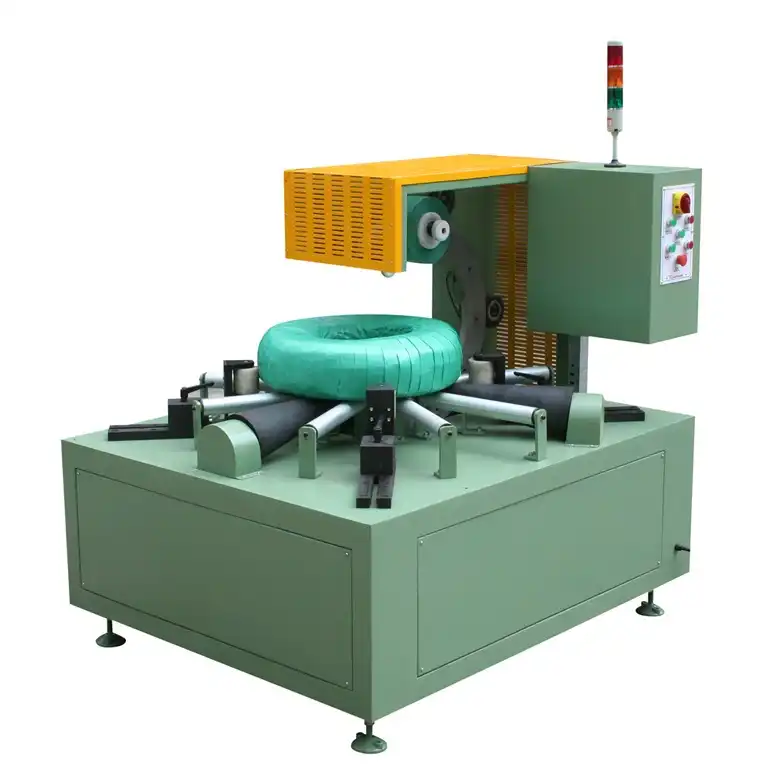

I remember talking with clients whose biggest complaint was product damage. They worked hard to produce high-quality steel coils, only to have them scratched or dented during the final packing stage. This was frustrating for them and for their customers. When I started FHOPEPACK, my goal was always to help businesses solve these real-world problems. A good packing solution does more than just hold things together. It actively protects the product. I have seen how a proper wrap can save tons of money that would otherwise be lost to rejects or customer returns. For Australian businesses shipping across vast distances or storing products in diverse climates, robust protection is not just an option; it is a necessity.
✨ Advanced Protection for Your Valuable Products
Coil wrapping machines offer a level of protection that manual methods simply cannot match. This is vital for maintaining product quality and customer satisfaction.
-
Consistent and Secure Wrapping:
- Machines apply wrapping material with uniform tension and overlap. This creates a strong, consistent barrier.
- Manual wrapping can be loose in places, leaving gaps for damage. Machines eliminate this.
- The secure wrap holds the coil tightly. This prevents layers from shifting and rubbing during movement.
- Ensures that every coil, regardless of size, receives the same high standard of protection.
-
Protection Against Environmental Factors:
- The tight wrap seals the coil from dust, dirt, and moisture. These are common causes of corrosion and surface damage.
- This is especially important in Australia’s varied climate. Coils might go from dry inland areas to humid coastal zones.
- Specialized wrapping materials can be used. These include rust-inhibiting films or UV-resistant wraps.
- This keeps the steel pristine. It preserves its value from the moment it leaves the factory to its final use.
-
Guarding Against Handling Damage:
- During loading, unloading, and internal transport, coils can bump into things. Edges can get scratched or dented.
- The robust outer layer from machine wrapping acts as a buffer. It absorbs impacts.
- This reduces the chance of superficial damage that can still lead to customer rejection.
- Think of it like a protective skin. It shields the delicate surface of the steel from external forces.
-
Reducing Customer Complaints and Returns:
- Fewer damaged products mean fewer complaints from customers. This improves your business reputation.
- Fewer returns save you money on shipping and reprocessing. This boosts your bottom line.
- High-quality packaging shows you care about your product. This builds trust with buyers.
- In my time, I have seen that a small investment in better packing can lead to a huge payoff in customer loyalty. Australian businesses need to deliver on quality consistently, and protective wrapping is a key part of that.
By implementing coil wrapping machines, Australian manufacturers can ensure their steel coils arrive in perfect condition. This protects both the product and the company’s standing in the market.
4. How Can Australian Businesses Ensure a Smart Investment and Choose a Reliable Coil Wrapping Partner?
Have you been burned by equipment suppliers who promise much but deliver little in terms of after-sales support? Investing in new machinery is a big decision. You want to make sure your money goes towards a solution that truly solves your problems and helps your business grow, not just a purchase that creates new headaches. This is a common concern for Australian businesses looking for long-term partners.
Australian businesses can ensure a smart investment in coil wrapping machines and choose a reliable partner by prioritizing suppliers with deep industry expertise, a proven track record of successful installations, strong after-sales support, and a commitment to understanding their specific operational challenges, ensuring clear ROI.
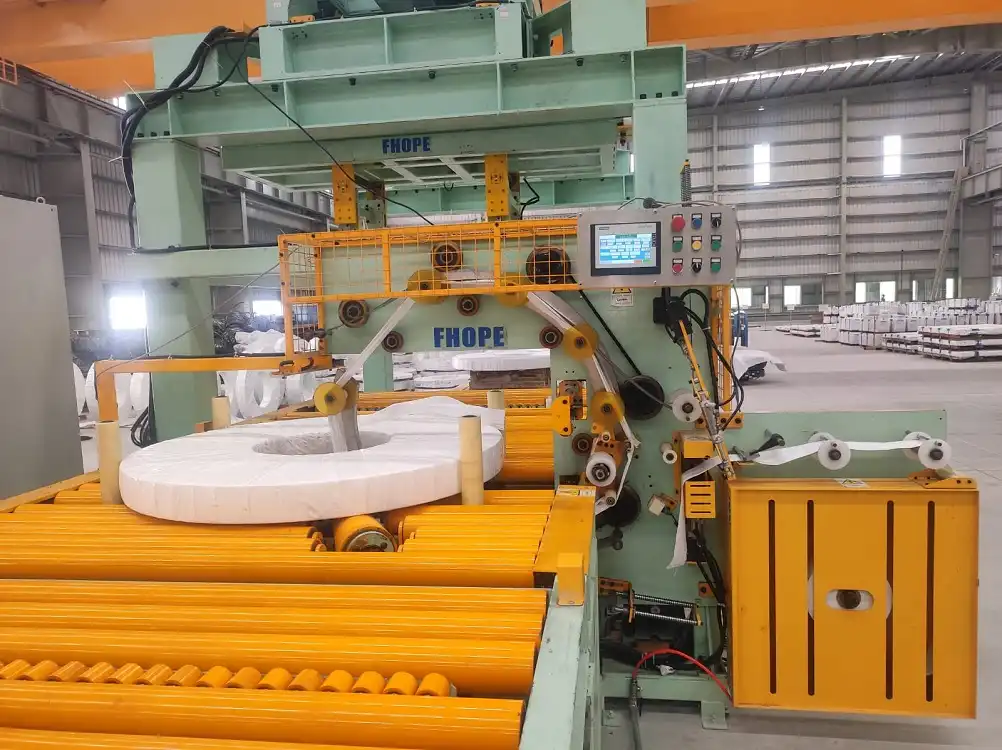

My journey in the packing machine industry started as an employee, and then I built my own factory. This gave me a unique perspective. I have been on both sides: the one buying the machines and the one selling them. I understand the frustration of dealing with a supplier who only cares about the sale. I also know the relief of finding a partner who genuinely understands your factory’s production bottlenecks, safety concerns, and efficiency goals. For me, success was not just about selling machines. It was about helping my clients grow their businesses. I believe a true partner offers expert insights, reliable solutions, and stands by you long after the installation. This is especially vital for Australian businesses, where geographical distance can make good support even more critical.
🤝 Finding the Right Partner for Long-Term Success
Choosing a coil wrapping machine is more than buying metal and motors. It is about forging a partnership that supports your factory’s future.
-
Look for Deep Industry Expertise:
- Does the supplier truly understand steel production and your specific challenges?
- Can they offer insights based on real-world factory experience, not just sales pitches?
- A partner like FHOPEPACK, founded by someone who built a factory, offers this depth. We know what it takes to run operations efficiently.
- “I started in this industry from the ground up. I know the pressures you face every day on the factory floor.”
- Look for case studies or testimonials from similar Australian businesses.
-
Evaluate After-Sales Support and Service:
- What happens if the machine breaks down? How quickly can you get spare parts or technical help?
- A reliable partner offers prompt, effective support. This minimizes costly downtime.
- Ask about service contracts, warranty details, and local support options in Australia.
- “My own factory always struggled when machines failed. That’s why I prioritize robust support for my clients.”
-
Demand Clear Return on Investment (ROI):
- Can the supplier clearly show how their machine will save you money and boost profits?
- Ask for concrete calculations on labor savings, reduced damage, and increased output.
- A good investment provides a clear path to financial benefit within a reasonable timeframe.
- Use this table to assess potential ROI:
| Factor | Manual Packing | Automated Coil Wrapping | Potential Savings/Gain (Example) |
|---|---|---|---|
| Labor Cost | High (multiple workers) | Low (fewer supervisors) | 70% reduction in labor for packing |
| Product Damage | Moderate to High (inconsistent protection) | Very Low (consistent, robust wrap) | 90% reduction in damage claims |
| Throughput | Low (slow, bottleneck) | High (fast, consistent) | 200% increase in packing speed |
| Safety Incidents | High (manual handling risks) | Very Low (automated process) | 95% reduction in injury risks |
| Insurance Premiums | Higher (due to higher risk profile) | Lower (due to improved safety) | 10-20% decrease |
| Consistency | Variable | High | Improved customer satisfaction |
- Seek a Problem-Solving Approach:
- Does the supplier listen to your specific challenges? Do they offer tailored solutions?
- Avoid those who just push a standard product. Your factory is unique.
- A true partner offers insights into your production bottlenecks and helps you find the right fit.
- My advice: “Do not just buy a machine. Buy a solution to your deepest problems.” This means working with experts who care about your success.












