
How Canadian Plants Are Doubling Output with Horizontal Stretch Wrappers?
For many Canadian manufacturers, the packing line often feels like the last real bottleneck. Are you struggling with slow, manual processes that eat away at your production speed? Are your workers facing daily risks handling heavy, awkward products, leading to injuries and high costs? The frustration of damaged goods reaching customers, costing you time and money, is also a very real problem. It is a cycle I have seen many times.
Many Canadian plants are doubling their output by replacing old, manual packing methods with advanced horizontal stretch wrappers. These machines automate the final stage of production, wrapping long or coiled products quickly and securely. This boosts throughput, dramatically reduces labor needs, and greatly improves workplace safety by removing manual lifting tasks. It also protects products better, cutting down on damage and customer complaints.
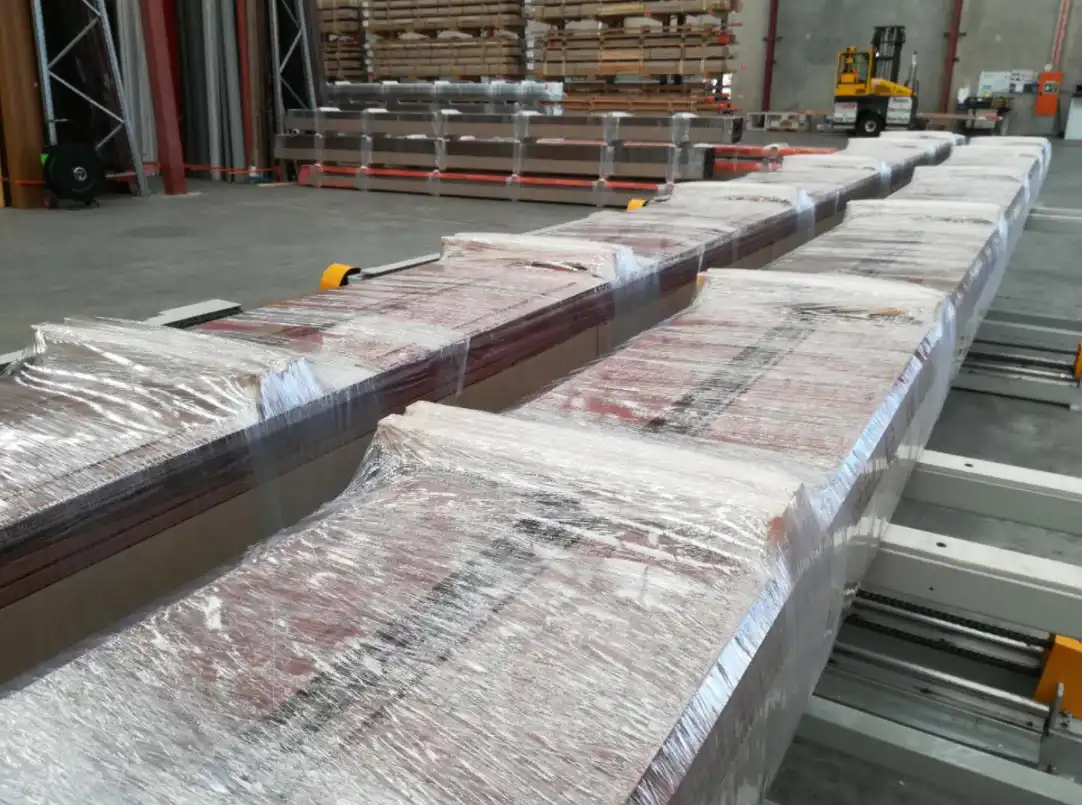
If you are a factory manager like Michael, facing these very same pressures, you know that keeping production moving and people safe is key. It means looking at every part of your operation. Let me explain how horizontal stretch wrappers are changing the game for Canadian factories, helping them grow.
Are Your Manual Packing Methods Holding You Back?
Think about your current packing process. Are you relying on a team of workers to manually wrap steel coils, bundles of pipes, or stacks of timber? This might seem like the cheapest option at first glance. However, the reality is often very different. Manual packing is slow, inconsistent, and drains valuable time and money from your operation.
Manual packing methods create significant bottlenecks in your production line, slowing down overall output. They also lead to higher labor costs and increased risk of product damage. Replacing these methods with automated horizontal stretch wrappers solves these issues. These machines wrap products quickly and consistently, removing the human element of wrapping. This means faster cycle times and a steady flow of products ready for shipment.
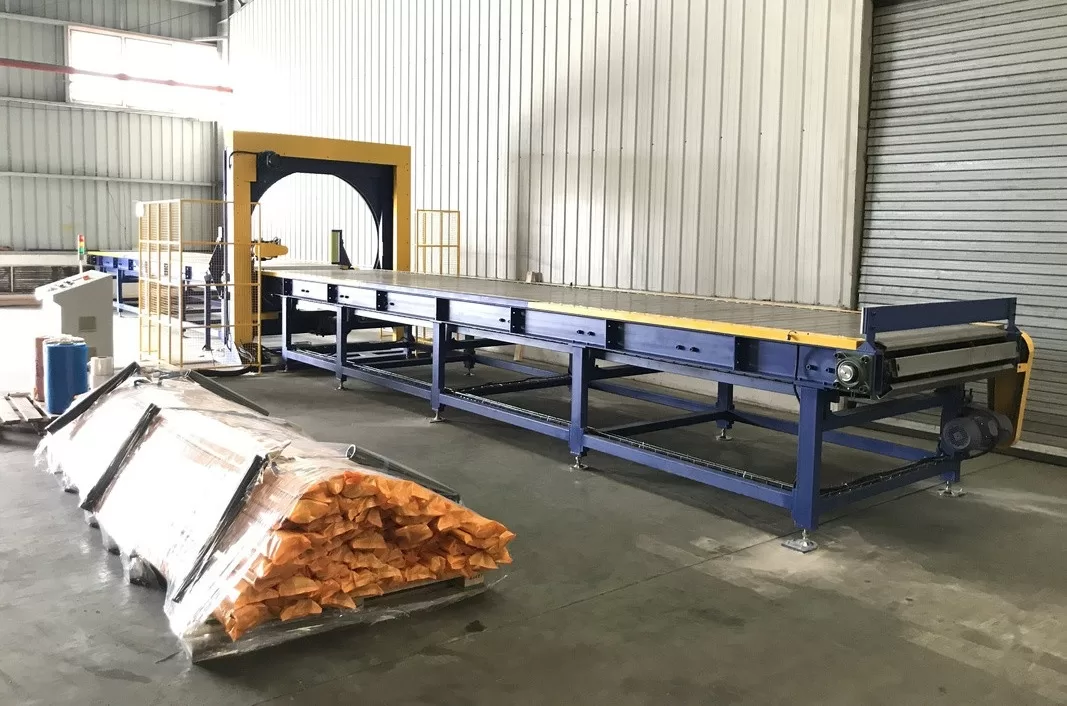
From my own years in the packing machine industry, I have seen first-hand how manual processes can stifle growth. When I first started working in a packing machine factory, I saw how much time was lost to hand-wrapping. Later, when I built my own factory, one of my main goals was to automate wherever possible. This was not just about speed. It was about creating a more reliable and predictable operation. Manual wrapping often results in uneven tension, loose wraps, or wasted material. This directly affects the quality of the package and how well it protects your product. Think about a busy Canadian lumber mill. They need to get timber bundles out the door fast and securely. Hand-wrapping simply cannot keep up with demand or guarantee consistent protection against moisture or damage during transit. The same applies to steel mills producing coils or pipes. Every minute a product sits waiting to be wrapped is a minute of lost production. This delay has a domino effect across the entire factory. It means storage areas fill up faster, workers are idle, and delivery times can be missed. Moving to an automated horizontal wrapper means you can integrate the packing process directly into the end of your production line. This creates a smooth, continuous flow. It removes the stops and starts that plague manual operations.
Understanding the Bottlenecks
| Factor | Manual Packing Impact | Automated Wrapping Impact |
|---|---|---|
| Speed | Very slow, limited by human capacity | High speed, consistent cycle times |
| Consistency | Varies widely, depends on worker skill | High consistency, uniform tension and overlap |
| Labor Cost | High, requires multiple workers | Low, requires minimal supervision |
| Material Usage | Often wasteful, inconsistent stretch | Optimized, precise stretch, less waste |
| Throughput | Low, creates production bottlenecks | High, keeps up with production demands |
Manual packing is also a hidden cost center. You are paying for labor, but you are not getting the maximum efficiency. Workers spend time stretching film, cutting it, and securing it. This is time they could spend on higher-value tasks. For a Canadian factory dealing with high labor costs, this inefficiency hits the bottom line hard. Investing in a horizontal stretch wrapper means fewer workers are needed for the packing line. These workers can then move to other areas where their skills are better used. This kind of strategic investment is what helped me achieve financial independence and what I now share with my clients. It is about working smarter, not just harder.
Can Horizontal Stretch Wrappers Really Boost Safety?
Safety in any factory environment is paramount. Especially in industries handling heavy, bulky, or awkward items, like steel, wire, or lumber, the risks are significant. Are your workers routinely struggling to lift, maneuver, or secure heavy items for wrapping? This is not just inefficient; it is a major safety hazard. Sprains, strains, crushed limbs, and back injuries are common. These injuries lead to lost workdays, rising insurance premiums, and a high turnover rate among your employees.
Horizontal stretch wrappers significantly boost workplace safety by automating the handling and wrapping of heavy or awkward products. These machines eliminate the need for manual lifting, twisting, or bending by workers during the packing process. This drastically reduces the risk of musculoskeletal injuries, falls, and accidents. Less human interaction with moving parts and heavy loads creates a much safer working environment.

I have seen countless factories where safety was an afterthought, and the consequences were dire. When I started FHOPEPACK, one of our core values was always about not just efficiency, but also safety. I remembered times in the factory where manual tasks were just plain dangerous. Workers often had to use their own strength to position heavy steel coils or to manually rotate items on a pallet to wrap them. This kind of work is not sustainable. It leads to chronic pain and shortens careers. For a factory manager like Michael, who is under pressure to meet safety regulations and keep insurance costs down, this is a critical area. A horizontal stretch wrapper solves this fundamental problem. The machine does the heavy lifting and the rotating. Products are fed into the machine, wrapped automatically, and then moved out. Workers simply monitor the process or handle lighter, safer tasks. This takes the human body out of harm’s way.
Eliminating Manual Handling Hazards
| Hazard Type | Manual Handling Risk | Automated Wrapping Solution |
|---|---|---|
| Musculoskeletal Injuries | High risk of sprains, strains, back injuries | Machine handles all lifting and movement |
| Crushing Injuries | Risk from dropped loads, improper handling | Products secured on conveyors, no manual contact |
| Falls | Risk when reaching, balancing, or climbing | All operations at ground level, no elevated work |
| Repetitive Strain | Constant bending, twisting, stretching | Machine performs repetitive wrapping actions |
| Fatigue-Related Accidents | Increased risk due to physical exertion | Workers less fatigued, more alert for other tasks |
Think about the financial impact of a single serious injury. It is not just the medical bills. It is also lost productivity, potential fines, and a drop in team morale. High rates of injury can also make it hard to retain skilled workers. In a competitive labor market like Canada’s, losing good employees because of unsafe working conditions is a serious issue. By implementing horizontal stretch wrappers, factories show a real commitment to their workers’ well-being. This not only keeps people safe but also builds a more positive and productive work environment. My journey in the industry taught me that true financial independence comes not just from making money, but from running an ethical and responsible business. Providing safe working conditions is a core part of that responsibility. It is an investment that pays for itself many times over, not just in avoided costs, but in a healthier, happier workforce.
What About Protecting Your Products and Profits?
Product damage during internal transfer or transit is a silent killer of profits. Are your valuable products, like precision-engineered steel coils or delicate wire, arriving at your customers’ sites with scuffed edges, dents, or signs of moisture damage? Each damaged product is not just a loss of material and production time. It leads to customer complaints, returns, and a damaged reputation. This erodes trust and impacts your long-term profitability. You spend so much effort creating a quality product. It only makes sense to protect it until it reaches its final destination.
Horizontal stretch wrappers provide superior product protection, greatly reducing damage during handling, storage, and transit. Their consistent, tight, and multi-layered wrapping ensures products are shielded from dust, moisture, and impact. This minimizes customer complaints and product returns, directly safeguarding your profits and brand reputation. It is a critical step for maintaining product integrity from your factory floor to the client’s door.
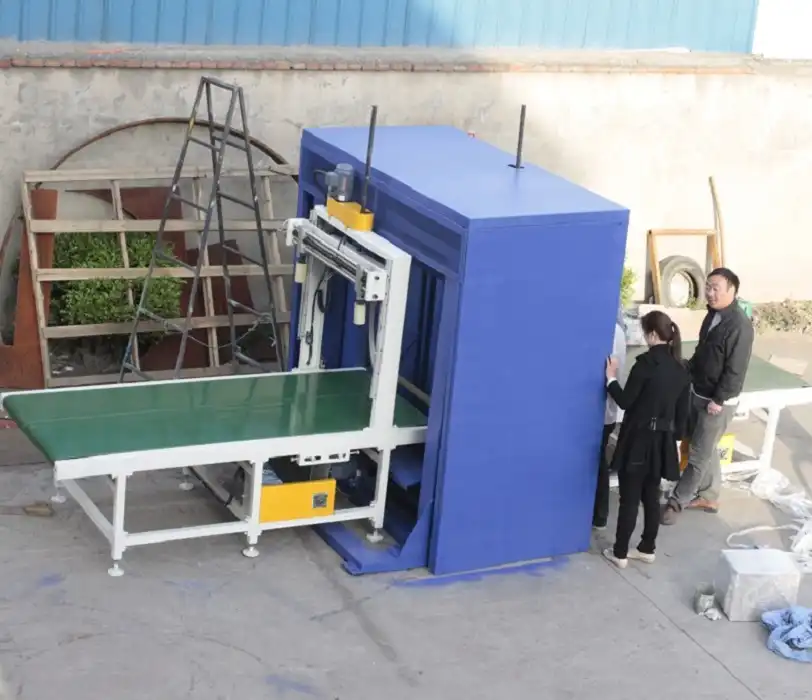
When I was building my factory, I learned that reputation is everything. One bad shipment can undo months of hard work. I recall one instance where a batch of coil packing I helped a client with was damaged in transit because of poor wrapping. It caused a huge headache. The client was upset, and it took a lot of effort to make things right. That experience solidified my belief in the importance of robust packaging. Horizontal stretch wrappers use a continuous film application process. This means there are no gaps or weak points in the wrap. The film is stretched tightly around the product, creating a strong, protective barrier. This barrier is resistant to punctures and tears, protecting against physical damage. It also provides excellent protection against environmental factors like dust, dirt, and moisture. For Canadian businesses operating in diverse climates, this moisture protection is especially vital. Think about steel products that can rust if exposed to humidity, or wood products that can warp. A proper wrap keeps them safe.
Safeguarding Products and ROI
| Area of Protection | Manual Wrapping Performance | Automated Wrapping Performance |
|---|---|---|
| Physical Damage | Inconsistent protection, prone to scuffs, dents | Uniform, tight wrap, high impact resistance |
| Moisture/Dust | Gaps, uneven coverage, vulnerable to elements | Fully enclosed, water and dust resistant |
| Package Integrity | Can unravel, shift during transit, less secure | Stable, compact, secure, prevents shifting |
| Customer Satisfaction | Risk of complaints, returns, reputational damage | High satisfaction, products arrive intact |
| Return on Investment | High ongoing losses from damage, rework | Reduced losses, improved profitability |
Reducing product loss directly impacts your factory’s profitability. Every item that gets damaged is a direct hit to your bottom line. It means materials wasted, labor spent on re-production, and sometimes even shipping costs for returns. This is why the investment in a horizontal stretch wrapper offers a clear return on investment (ROI). You save money on fewer damaged goods, less rework, and lower customer service costs related to damage. My goal with FHOPEPACK is to help businesses understand these connections. It is not just about buying a machine. It is about investing in a solution that solves deep-rooted problems and helps your business grow. This type of smart investment is what helped my clients expand their businesses and what I share openly today. It ensures your products, and your profits, are well protected.
How Do You Choose the Right Partner for This Investment?
Making a significant capital investment in new equipment, like a horizontal stretch wrapper, can feel daunting. Have you ever dealt with equipment suppliers who were great at making the sale but vanished when you needed support or service? This lack of follow-through can turn a promising investment into a long-term headache. Many factory managers, like Michael, have faced this supplier trust crisis. They need a partner who understands their unique operational challenges and offers more than just a machine. They need someone who offers real expertise and reliable solutions.
Choosing the right partner for your horizontal stretch wrapper investment means looking for a supplier with deep industry knowledge and a proven track record of support. This ensures you get equipment that truly solves your production bottlenecks and safety concerns. A knowledgeable partner, like FHOPEPACK, understands your operational pressures and provides professional insights, reliable after-sales service, and a clear path to return on investment. This helps build the long-term trust needed for successful partnerships.

My personal journey in the packing machine industry taught me the true value of a reliable partner. I started as an employee, learning the ins and outs of the factory floor. Then, I built my own successful packing machine factory. This hands-on experience, from the ground up, gives me a unique perspective. I know what it means to face production bottlenecks, to worry about safety, and to push for efficiency. I also know what it takes to make a factory run smoothly and profitably. Many suppliers only see a transaction. They sell you a machine, take your money, and move on. This is where the trust crisis comes from. For me, it is about building long-term relationships. It is about understanding your factory, your products, and your specific challenges. For example, if you are a Canadian plant needing to pack large, heavy steel coils, I can draw on my own experience with coil packing to suggest the right machine model. I can also advise on integrating it seamlessly into your existing line. This level of insight comes from real-world experience, not just a sales brochure.
What to Look for in a Packaging Partner
| Aspect of Partnership | Less Reliable Supplier | FHOPEPACK’s Approach |
|---|---|---|
| Industry Knowledge | Limited to product specs, generic solutions | Deep understanding of production processes, pain points |
| Problem Solving | Focus on selling, less on root cause analysis | Critical thinking, specific solutions for bottlenecks |
| After-Sales Support | Hard to reach, slow response, limited parts | Proactive support, readily available expertise, parts |
| Trust & Reliability | Transactional, short-term focus, inconsistent | Relationship-based, long-term commitment, transparent |
| ROI Guidance | Abstract claims, no clear path to savings | Clear ROI calculations, focus on efficiency, safety, cost savings |
A true partner will ask about your current challenges. They will want to understand your exact product dimensions, your desired throughput, and your specific safety concerns. They should offer solutions tailored to your needs, not just a standard catalog item. This involves site visits, detailed consultations, and a commitment to helping you integrate the new equipment. When I talk about giving back to the industry, it means sharing this expertise. It means helping factory managers like Michael make informed decisions that genuinely improve their operations. It is about providing the guidance that I wished I had when I was starting out. This partnership approach ensures that your investment in a horizontal stretch wrapper is not just a purchase. It is a strategic move that drives real growth, boosts efficiency, and ensures long-term success for your Canadian plant.
Conclusion
Canadian plants can double output with horizontal stretch wrappers. They solve bottlenecks, boost safety, and protect products, ensuring clear ROI.








