
How Canada Steel Mills Are Using Coil Wrapping Machines to Secure Heavy Steel Coils?
The steel industry is tough. Factories often operate at full speed. You know the feeling. The pressure to produce more, faster, and cheaper is always there. But what happens when heavy steel coils need to be moved and shipped? Many factories still use old ways. These ways are slow, dangerous, and can damage products. This costs money and time. It also puts your team at risk every day.
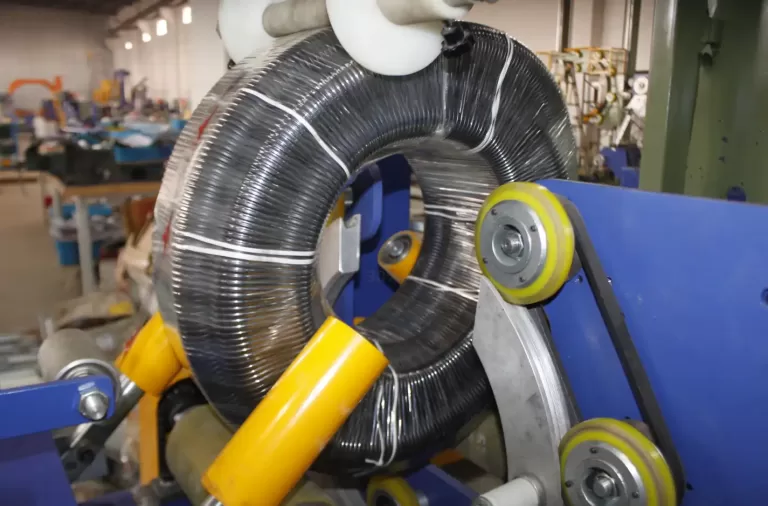
Canadian steel mills face these challenges too. They need to keep their operations efficient and safe. This is why many are turning to advanced coil wrapping machines. These machines secure heavy steel coils for transport and storage. They use specialized film to tightly wrap the coils. This protects them from damage and makes them stable. This helps solve major production and safety problems.
Solving these problems is important. It is not just about one machine. It is about making your whole operation better. We will look at how these machines change things. We will see how they improve safety and save costs. Keep reading to learn more.
1. Why Do Canadian Steel Mills Need Better Coil Security Methods?
The steel industry works with heavy, large products. Think about those big steel coils. Moving and storing them is a challenge. Many mills still use manual methods. This is a problem. It leads to many issues that cost money and time. It also puts people in danger.
Canadian steel mills, like others globally, need better ways to secure coils. This is because traditional methods are slow and risky. They rely on people to handle very heavy loads. This can cause injuries. It can also lead to coils shifting or getting damaged during transport. Better security means faster work, safer conditions, and fewer damaged products.
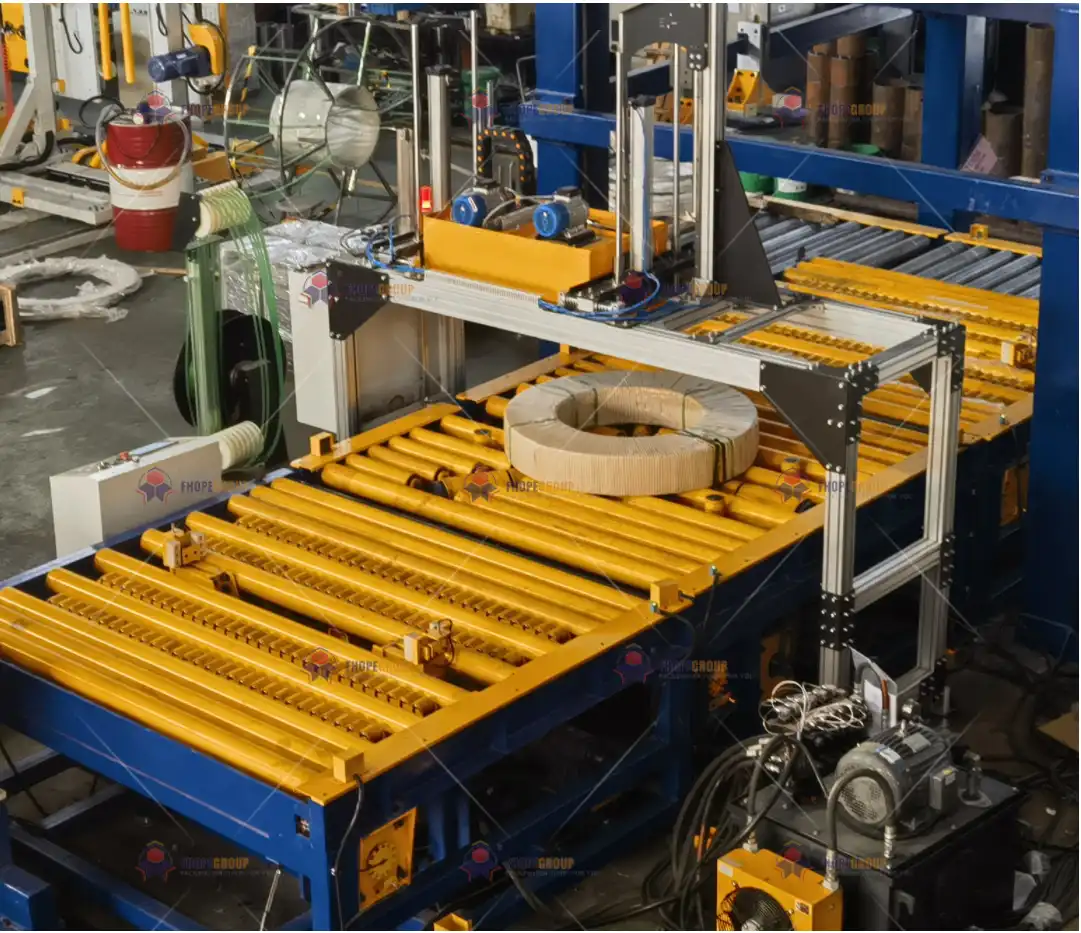
The demands on steel mills are always growing. They need to deliver products quickly. They also need to keep quality high. Any delay or damage costs money. It also harms their reputation. So, mills look for ways to make things better. They want to avoid problems with efficiency, safety, and product quality. Let’s look closer at these points.
The Problem with Manual Handling and Old Methods
Manual handling of steel coils is very risky. Workers use chains, straps, or simple wraps. This takes a lot of effort. It also means workers are close to heavy, moving loads. This can cause serious injuries.
- High Risk of Injury: When people lift or move heavy coils, accidents can happen. Coils can fall. Workers can get crushed. This leads to medical costs and lost workdays. It also affects employee morale. My own journey started on the factory floor. I saw first-hand how dangerous manual handling can be. This pushed me to find safer ways.
- Slow Production Speed: Manual packing is slow. Each coil takes a lot of time. This creates a bottleneck. It slows down the whole production line. Mills cannot meet delivery deadlines. They lose business.
- Product Damage: Coils can get scratched or dented during manual handling. They can also shift during transport. This damages the edges or surfaces. Customers get damaged products. This means complaints and returns. It hurts the mill’s profits and good name.
Market Demands and Logistics Challenges
Today’s market expects fast delivery. Customers want their steel coils on time. They also want them in perfect condition. This puts more pressure on mills.
- Just-in-Time Deliveries: Many industries use “just-in-time” systems. They need steel coils right when they need them. Delays in packing or shipping cause big problems for them.
- Global Shipping: Canadian steel mills often ship coils long distances. This means coils go through many transfers. They face different weather conditions. They need strong, reliable packaging to survive this journey. Weak packaging can lead to major damage. This costs a lot to fix. It also harms customer trust.
- Cost Control: Mills always look for ways to cut costs. Manual labor is expensive. Product damage is expensive. High insurance rates due to workplace injuries are also expensive. Better packing helps reduce these costs. It makes the mill more competitive.
| Challenge | Impact on Steel Mills | Solution Focus |
|---|---|---|
| Safety Hazards | Worker injuries, high insurance, employee turnover | Minimize manual contact |
| Efficiency Loss | Production bottlenecks, missed deadlines, high labor costs | Automate packing processes |
| Product Damage | Customer complaints, returns, profit loss | Secure, consistent wrapping |
| Market Pressure | Need for speed, quality, global shipping resilience | Reliable, durable packaging |
These challenges show a clear need. Canadian steel mills need to update their packing methods. They need solutions that are fast, safe, and protect their products. This is where coil wrapping machines come in.
2. What Exactly Is a Coil Wrapping Machine and How Does It Work for Steel Coils?
You might hear “coil wrapping machine” and wonder, “What is that?” It is a vital piece of equipment for any factory handling heavy products. These machines are not just for show. They do a very important job. They wrap coils tightly and securely. This protects them from harm.
A coil wrapping machine is an automated system. It uses a stretch film or other material to wrap around large, heavy coils. For steel coils, these machines are usually orbital. This means a wrapping ring moves around the coil as it passes through. This creates a tight, protective layer. It keeps the coil stable and safe. It guards against rust, dust, and physical damage during storage or transit.

Understanding how these machines work is key. It helps you see their value. When I first started in the packing machine industry, I saw many factories struggling. They used old, slow methods. I knew there had to be a better way. These machines are that better way. They bring a lot of change. Let’s dive deeper into their types and processes.
Types of Coil Wrapping Machines for Steel
There are different types of coil wrapping machines. Each type is good for different needs. For steel coils, the orbital wrapper is most common.
- Orbital Wrappers: This is the most popular type for steel coils. The machine has a ring that rotates. The coil passes through this ring. The ring wraps film around the coil’s circumference. This makes a tight, protective “eye-to-sky” or “eye-to-wall” wrap. It secures the entire surface.
- Horizontal Orbital Wrappers: These are for coils lying flat. The wrapping ring spins horizontally around the coil.
- Vertical Orbital Wrappers: Less common for steel, but they wrap coils standing upright.
- Stretch Wrappers (Turntable/Rotary Arm): These are more for palletized goods. They wrap film around a product on a pallet. For steel coils, this might be used if coils are first put on a pallet. But orbital wrappers are better for the coil itself.








