
How Can Your Technical Team Quickly Troubleshoot Common Coil Upender Issues?
Your factory needs to run smoothly. Any time an important machine like a coil upender stops, it costs you money. It also creates a safety risk if your team tries to fix things quickly without knowing the proper steps. I know this pressure well. I started on the factory floor myself. I saw how problems with equipment could halt everything. This made me learn how to keep machines running.
Your team can learn to quickly fix many common upender problems. This involves understanding the basic parts of the machine. They need to know how to check power, hydraulic levels, and sensor readings. A good team also follows a clear troubleshooting guide. This helps them find and fix issues fast. They can get your upender back to work without long delays.
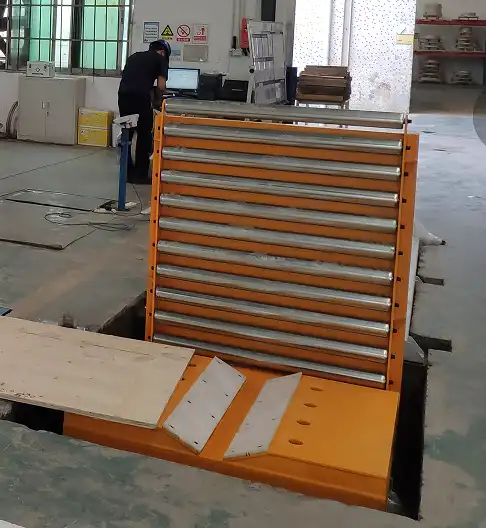
You want to avoid lost production time. You also want to keep your workers safe. This means you need reliable machines and a team that knows how to handle them. Let me share what I learned from years in the packing machine industry. We will look at how your team can solve upender issues effectively.
How Do You Spot Electrical Problems Before They Stop Production?
Unexpected power failures can bring your production line to a halt. You might see the upender just stop working. Or maybe it starts acting strangely. This causes stress and lost time. Are you worried about surprise electrical issues? Do your workers struggle to find the source of these problems? Learning about common electrical faults is a game-changer.
Spotting electrical problems early prevents bigger issues. Your team should check power connections first. They need to look for loose wires or tripped circuit breakers. They also need to check emergency stop buttons. Sometimes, a simple reset can fix the problem. They must also learn how to use a multimeter. This tool helps check voltage and current.
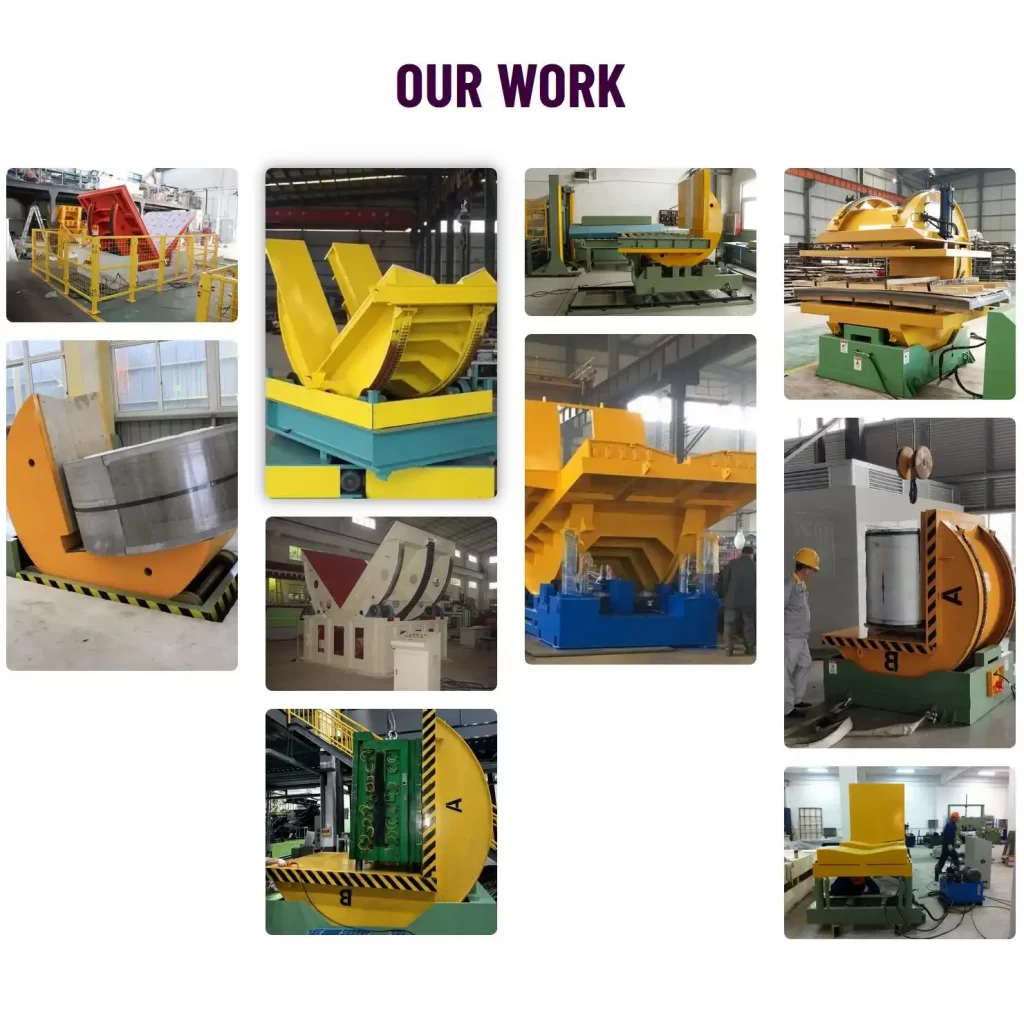
Understanding the electrical system of your upender is important. This helps your team quickly find what is wrong. It reduces downtime significantly. Electrical problems can range from simple to complex. Your team needs to know the difference. They also need to understand safety rules when working with electricity. This protects them from harm. My time building and running factories taught me this. You must invest in training. A well-trained team is a safe team. It is also an efficient team.
Common Electrical Faults and Checks
| Problem | Possible Cause | Quick Check | What to Do |
|---|---|---|---|
| Upender does not turn on | No power supply | Check main breaker, power cord | Restore power, check connections |
| Motor not running | Overload, faulty wiring, bad motor | Check motor thermal overload, wiring diagrams | Reset overload, inspect wires, call electrician |
| Control panel no response | Blown fuse, loose connection, PLC issue | Check fuses, inspect wiring, check PLC status | Replace fuse, tighten connections, restart PLC |
| Intermittent operation | Loose connections, faulty sensor | Inspect all wiring, check sensor connections | Secure connections, test sensors |
Your team should start with the basics. They must check the main power switch. Is it on? Are circuit breakers tripped? These are often the easiest fixes. Sometimes, an emergency stop button is pressed by accident. This can stop the machine. Releasing it can restart the upender. After these basic checks, they should look at the wiring. Loose wires can cause many problems. They can lead to power loss. They can also cause components to fail. My experience shows that many electrical issues come from bad connections.
Next, consider the motor. If the motor does not run, it could be an overload. Upenders handle heavy coils. They sometimes get stressed. This can trip the motor’s overload protection. Your team should know how to reset it safely. If the motor still does not work, it might need an electrician. Never let untrained staff try to fix complex motor issues. This can be dangerous. It can also damage the machine more.
The control panel is the brain of the upender. If it does not respond, look for blown fuses. Fuses protect circuits. They burn out to prevent damage. Replacing a fuse is a simple fix. But your team must use the correct type of fuse. They also need to check all connections inside the panel. Modern upenders use Programmable Logic Controllers (PLCs). These control the machine’s functions. If the PLC has a fault, it might need to be reset. Sometimes, a simple restart fixes minor PLC glitches. If the problem continues, it points to a deeper electrical issue. You might need a specialist. It is important to have spare parts for common items like fuses. This avoids waiting for parts during a breakdown. This also saves money.
What Are the Hydraulic System Warning Signs You Should Never Ignore?
A coil upender uses hydraulic power to move heavy loads. When the hydraulic system has issues, the upender will slow down or stop completely. This can cause major production delays. It also creates a safety risk if the machine cannot hold its position. Are you seeing your upender move slowly? Does it struggle to lift coils? These are warning signs you cannot ignore. Ignoring them can lead to costly repairs and even accidents.
You should pay close attention to the hydraulic system. Low fluid levels are a common cause of problems. Leaks also cause issues. Your team needs to check the hydraulic fluid reservoir regularly. They should look for visible leaks around hoses and fittings. Strange noises from the pump or cylinders are also big warning signs. These often mean something is wrong inside the system.

Hydraulic problems can be dangerous. They can also be expensive to fix if not caught early. A healthy hydraulic system means a reliable upender. My own factories always emphasized strict checks on hydraulic systems. It saves a lot of headaches later. Your team needs to know what healthy hydraulic fluid looks like. They also need to know how it smells. Burnt fluid or dirty fluid indicates a problem. Clear, clean fluid is what you want to see. This also affects the life of the pump and cylinders. Dirty fluid wears down parts quickly. This leads to early failures. It means you spend more money on replacements.
Common Hydraulic Faults and Checks
| Problem | Possible Cause | Quick Check | What to Do |
|---|---|---|---|
| Slow or weak movement | Low fluid level, dirty filter, air in system | Check reservoir, inspect filter, listen for pump noise | Top up fluid, replace filter, bleed air |
| Leaks | Worn seals, loose fittings, damaged hose | Visually inspect all connections and hoses | Tighten fittings, replace seals/hoses |
| Overheating | Low fluid, dirty fluid, pump issue | Check fluid level, feel pump for heat | Top up fluid, change fluid, check cooler |
| No movement | No pressure, stuck valve, pump failure | Check pressure gauge, listen to pump | Check relief valve, inspect pump, call specialist |
First, check the hydraulic fluid level. This is often the simplest fix. If the level is low, add the correct type of fluid. Using the wrong fluid can damage the system. Then, look for leaks. Even small drips can lead to low fluid over time. Check all hoses, fittings, and cylinders for oil. Tighten any loose connections. If a hose or seal is broken, it needs replacement. This is a job for someone who knows how to work with hydraulics.
Listen to the hydraulic pump. Unusual noises, like whining or grinding, can mean trouble. It could be air in the system. Or it could be a worn-out pump. Air in the system can make the upender move unevenly. It can also cause noise. Bleeding air from the system might be needed. This is a specific procedure. Your team needs training for this.
Another important check is the hydraulic filter. This filter cleans the oil. A dirty filter restricts oil flow. This makes the pump work harder. It also makes the upender move slowly. Replacing the hydraulic filter at regular intervals is important. This extends the life of the whole system. Also, feel the pump and hoses for excessive heat. Overheating indicates problems. It could be low fluid. It could also be a problem with the pump itself. Or the cooler might be blocked. Heat damages hydraulic components fast. Addressing it quickly saves you from a major breakdown. Regular maintenance is key for hydraulics. This means checking fluid quality, filters, and pressure. These small steps make a big difference in the long run.
How Can You Prevent Mechanical Failures and Unnecessary Wear?
Your upender moves very heavy items. This puts a lot of stress on its mechanical parts. If these parts wear out or break, your upender will stop working. This causes unexpected downtime. It also leads to expensive repairs. Are you tired of sudden mechanical breakdowns? Do you struggle with high maintenance costs? Focusing on prevention is smarter than waiting for a problem to happen.
Preventing mechanical failures involves regular inspection and lubrication. Your team should check all moving parts for wear. They need to look at bearings, gears, and pins. They must also ensure all bolts and fasteners are tight. Proper lubrication is also very important. It reduces friction and prevents wear. This helps the upender last longer and run more smoothly.

Mechanical problems often show signs before a full breakdown. Noise is a big indicator. Squeaking, grinding, or clunking sounds mean something is wrong. Vibrations are another sign. If the upender shakes or rattles, it needs attention. My experience taught me that early detection saves massive costs. Waiting until a part breaks means a longer stop. It also means more damage to other parts. A simple check today can prevent a major repair tomorrow. Your team needs a checklist for these inspections. This ensures they do not miss anything. They also need the right tools for tightening and lubrication.
Common Mechanical Faults and Checks
| Problem | Possible Cause | Quick Check | What to Do |
|---|---|---|---|
| Excessive noise | Lack of lubrication, worn bearings, loose parts | Listen for sounds, check lubrication points | Apply grease/oil, replace bearings, tighten bolts |
| Uneven movement/jamming | Bent frame, misaligned parts, debris | Visually inspect, check for obstructions | Clear debris, realign parts, straighten frame |
| Looseness/play in parts | Worn pins, loose bolts, failing mounts | Wiggle parts, check fasteners tightness | Replace worn pins, tighten bolts |
| Overheating of parts | Lack of lubrication, excessive friction | Feel for heat on bearings, gears | Lubricate, check alignment, reduce load |
First, focus on lubrication. Every upender has lubrication points. These need regular grease or oil. Your maintenance manual will show these points. It will also say what type of lubricant to use. Lack of lubrication causes parts to rub together. This creates friction and heat. It wears down parts very quickly. This leads to noise and eventual failure. A simple grease gun and the right lubricant can prevent a lot of problems.
Next, check for loose bolts and fasteners. The constant movement and vibration can loosen them. A loose bolt can cause parts to misalign. It can also cause parts to fall off. This is a safety risk. It can also lead to more damage. Your team should use wrenches to check tightness. This should be part of a regular maintenance routine. Pay special attention to the bolts holding the main frame and pivot points. These carry the most stress.
Look for signs of wear on bearings and gears. Bearings help parts spin smoothly. Gears transmit power. If they are worn, they will make noise. They will also cause jerky movement. Sometimes, you can see visible damage. If a bearing or gear looks bad, it needs replacement. This is a more complex job. It might require special tools. Planning these replacements during scheduled downtime is better. It avoids unexpected stops. Also, check for any foreign objects or debris. Small pieces of metal or other materials can get into moving parts. They can cause jams or damage. Keeping the area around the upender clean helps prevent this. Regular cleaning is a simple but effective way to protect your machine.
Why Is Sensor Calibration Critical for Smooth Upender Operation?
Upenders rely on sensors to know their position and to operate safely. If these sensors are not working right, the machine can act erratically. It might not stop at the correct position. Or it might not start when it should. This can lead to production errors. It also creates a safety hazard. Are your upenders not stopping precisely? Do they sometimes seem confused? Sensor issues might be the cause.
Calibrating sensors ensures accurate operation. Your team needs to check limit switches. These tell the upender when it has reached a certain point. They also need to check proximity sensors. These detect if a coil is in place. Dirty or misaligned sensors can give wrong readings. Cleaning and adjusting them helps the upender work correctly.
Sensors are the eyes and ears of your upender. If they are faulty, the machine is blind. This leads to inefficient operation. It also leads to safety risks, as I mentioned. Imagine an upender that does not know if a coil is loaded. It might try to rotate anyway. This can cause the coil to fall. This is why sensor accuracy is not just about efficiency. It is about worker safety and preventing product damage. From my factory days, I learned that a minor sensor issue can cause a major accident. Your team needs training to recognize and fix these small problems. They also need to know how to clean sensors. Dust, oil, or metal chips can block a sensor’s view. This makes it give bad readings.
Common Sensor Faults and Checks
| Problem | Possible Cause | Quick Check | What to Do |
|---|---|---|---|
| Incorrect positioning | Misaligned limit switch, faulty encoder | Check switch position, test encoder output | Adjust switch, replace encoder, recalibrate |
| Machine does not start/stop | Dirty proximity sensor, wiring issue | Clean sensor lens, check wiring for damage | Clean sensor, fix wiring, replace sensor |
| Erratic operation | Intermittent sensor signal, electrical noise | Check sensor connections, look for interference | Secure connections, shield cables, replace sensor |
| Error codes related to sensors | Faulty sensor, connection issue | Consult manual for code meaning, check sensor | Test and replace faulty sensor, check wiring |
First, inspect limit switches. These are mechanical devices. They activate when pressed. Check if they are physically bent or broken. Also, ensure they are positioned correctly. They must activate at the right point in the upender’s movement. If a limit switch is too far or too close, the upender will stop in the wrong place. Adjusting their position can fix many problems.
Next, look at proximity sensors. These sensors do not need to be touched. They use light or magnetism to detect objects. Make sure their sensing face is clean. Dust, grease, or metal shavings can cover them. This prevents them from seeing the coil. Use a soft cloth to clean the sensor lens. Also, check the distance between the sensor and the object it is supposed to detect. If it is too far, it might not work.
Wiring problems are also common. Sensors connect to the main control system with wires. These wires can become loose or damaged. Check all sensor cables for cuts or frays. Ensure all connectors are tight. A loose wire can cause an intermittent signal. This means the sensor works sometimes and not others. This can make the upender act unpredictably. If a sensor is giving constant bad readings, it might be faulty. In this case, it needs replacement. Keeping spare sensors on hand can speed up repairs. Your machine manual will tell you which types of sensors your upender uses. This helps you order the correct replacements. Always refer to the manual for calibration steps. Each sensor might have a specific way to be set up.
My Insights: What Else Do I Recommend for Upender Longevity?
You have learned about electrical, hydraulic, mechanical, and sensor issues. But keeping your upender running for years needs more than just fixing problems when they happen. It needs a plan. You want to make smart investments. You also want to avoid constant breakdowns. What else can you do to ensure your upender lasts a long time? What really makes a difference in the long run?
My deep experience in the packing machine industry has taught me that prevention is always cheaper than repair. This is especially true for heavy-duty equipment like upenders. I recommend three key areas beyond basic troubleshooting: a strong preventive maintenance program, investing in original spare parts, and continuous training for your team. These steps protect your investment. They also boost your factory’s overall efficiency and safety.
When I built my packing machine factory, I learned that a machine is only as good as its maintenance. You can buy the best upender, but if you do not take care of it, it will fail. I saw many factories struggle because they only fixed things when they broke. This “break-fix” approach is expensive. It also creates unpredictable downtime. My philosophy is different. It is about being proactive. It is about understanding the machine’s needs before it shows problems. This is how I helped my clients grow their businesses. They trusted me because I did not just sell machines. I helped them keep their operations running smoothly.
Key Recommendations for Upender Longevity
| Recommendation | Why it Matters | How to Implement | Benefits |
|---|---|---|---|
| Preventive Maintenance Program | Reduces unexpected breakdowns, extends machine life | Create a schedule for regular checks and service | Higher uptime, lower repair costs, increased safety |
| Original Spare Parts | Ensures compatibility, reliability, and performance | Keep critical spare parts in stock, buy from trusted suppliers | Faster repairs, better machine performance, avoids secondary damage |
| Continuous Team Training | Empowers staff, improves troubleshooting skills, boosts safety | Provide regular training sessions, use machine manuals | Confident technicians, fewer errors, safer workplace |
A strong preventive maintenance (PM) program is vital. This means you do not wait for the upender to break down. Instead, you check and service it at regular times. This schedule should be based on the machine’s manual. It should also consider how much you use the upender. For example, you might change hydraulic fluid every year or after a certain number of hours. You might inspect bearings every six months. A PM program includes: visual inspections, cleaning, lubrication, and checking for wear. It also involves testing safety features. Keeping good records of all maintenance work is also important. This helps you track what has been done. It helps you see patterns in problems. This way, you can fix small issues before they become big ones. It saves a lot of money in the long run. It also gives you peace of mind. Your production line will be more reliable.
Using original spare parts is another key recommendation. Some factory managers buy cheaper, non-original parts. They think they are saving money. But this is often a false economy. Non-original parts might not fit perfectly. They might not be made to the same quality standards. This can cause new problems. It can damage other parts of the upender. It can also void your warranty. Always buy spare parts from the upender manufacturer or a trusted supplier. These parts are designed for your machine. They ensure the best performance and safety. Keeping a stock of critical spare parts is also smart. These include common wear items like filters, seals, and fuses. This way, you do not have to wait for delivery when a part fails. You can replace it immediately. This greatly reduces downtime.
Finally, invest in continuous training for your technical team. The best upender in the world is useless without skilled people to operate and maintain it. Training should cover safe operation, troubleshooting steps, and preventive maintenance tasks. It should include how to read electrical diagrams and hydraulic schematics. It should teach them how to use diagnostic tools. Regular refresher courses are also good. Technology changes. Machines get updates. Your team needs to keep learning. A well-trained team is more confident. They make fewer mistakes. They can identify problems faster. They can fix them more safely. This investment in your people pays off hugely. It improves efficiency. It reduces accidents. It builds a stronger, more reliable factory operation for you.
Conclusion
Empowering your team with knowledge is the best way to keep your coil upender running strong. Focus on prevention, smart maintenance, and continuous training. This ensures safety, saves money, and keeps your production line moving.








