
How Can Seamless MES Integration Improve Upender Workflow in Spain?
Do you run a busy factory in Spain? Are you tired of slow, manual processes for handling heavy coils and molds? Many factory managers I talk to feel this same pressure. They deal with bottlenecks and safety risks. These problems cost your business a lot of money and time. Imagine if you could make your entire production line smoother. This is where modern solutions come in.
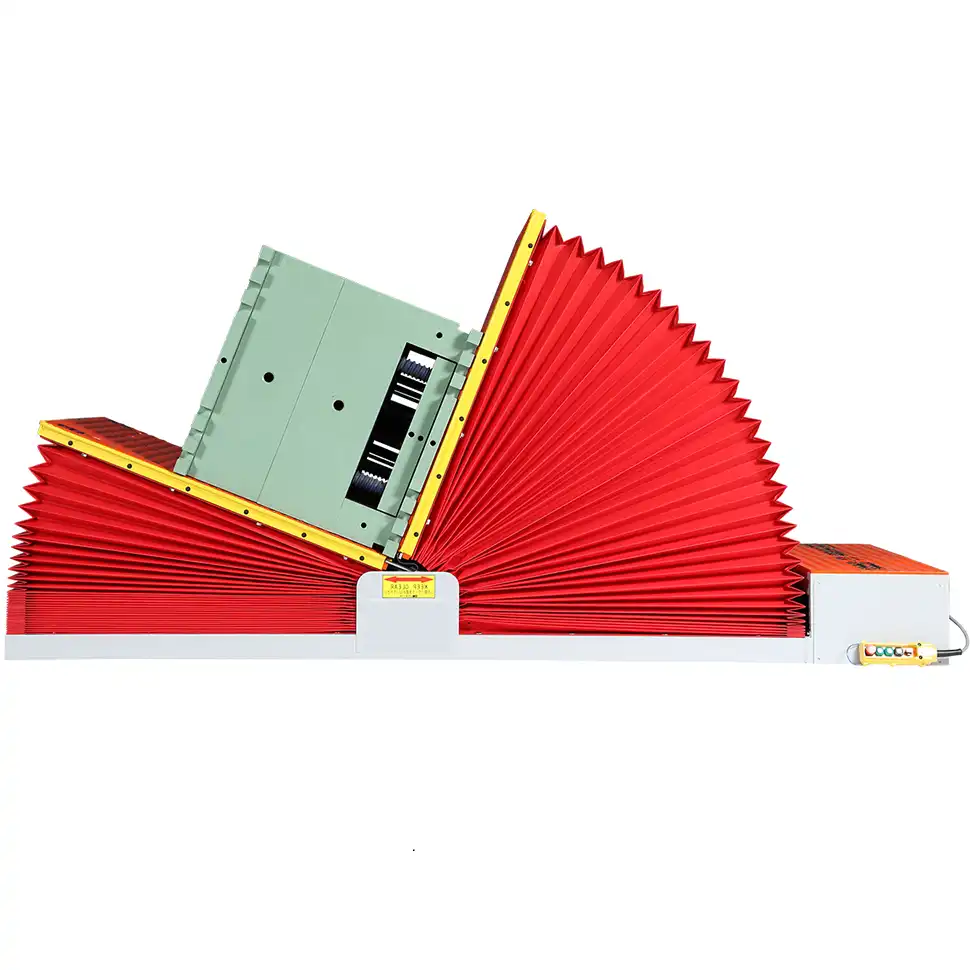
Seamless Manufacturing Execution System (MES) integration can change your upender workflow. It connects your machines, like upenders, to a smart system. This system gives you real-time data. It helps automate tasks. It reduces human error and boosts safety. This way, your factory works faster and better.
I have spent many years in the packing machine industry. I started on the factory floor. Then I built my own successful factory. I know the challenges you face. I understand the pressure to increase output and control costs. My journey taught me how critical reliable and efficient equipment is. I am here to share what I learned. Let us look deeper into how MES can transform your upender operations.
How Can Real-Time MES Data Improve Upender Precision and Safety?
Is your upender operation relying on old methods? Do workers manually check weights or positions? This can lead to mistakes. It also puts your team at risk. Manual tasks are slow. They can cause accidents. This is a big problem for factories handling heavy goods.
Real-time MES data can make upender operations much safer and more precise. It connects directly to your upender machines. It collects data as things happen. This data helps workers make better decisions. It also allows machines to adjust without human input. This reduces errors and improves safety.
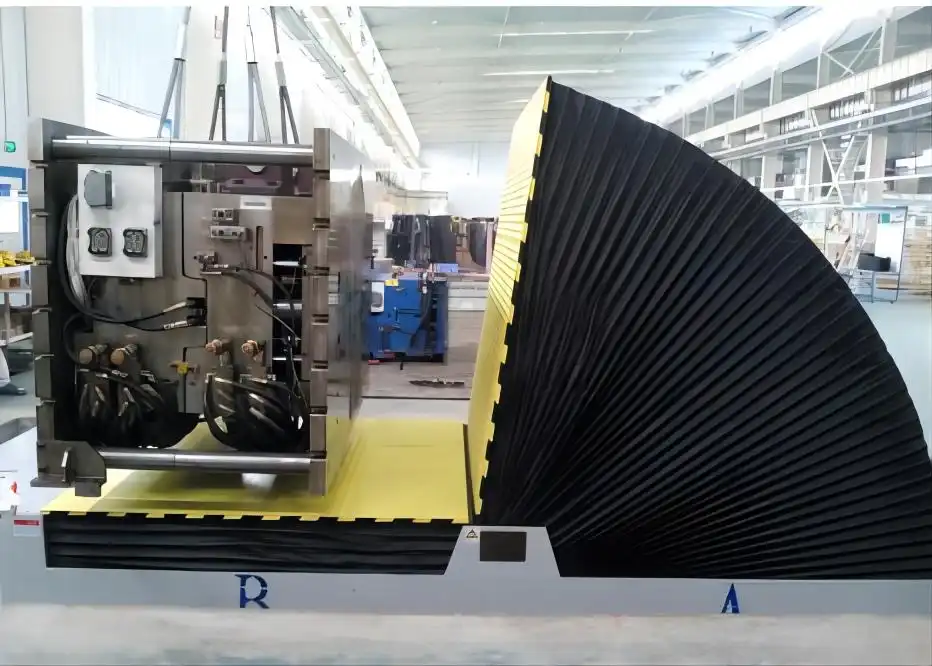
From my time building packing machines, I learned that precise data is power. When I started my factory, we had to be very careful with heavy coils. Any mistake meant damage or injury. MES integration changes this entirely. It gives you immediate feedback. This means less guessing and more certainty. For instance, in a Spanish metal processing plant, workers often handle large steel coils. Manually flipping these coils is dangerous. An upender does this job. But how do you know the coil is perfectly aligned? How do you prevent it from tipping? MES answers these questions.
Data Collection and Monitoring
MES systems gather data from upenders. They record weight, position, and tilt angle. They do this in real time. This means you always know what is happening. My old factory used to rely on visual checks. Now, sensors do this work. This helps in many ways.
- Accurate Weight Checks: Before a flip, MES confirms the coil’s weight. This prevents overloading the upender. It protects the machine. It keeps workers safe.
- Precise Positioning: Sensors ensure the coil is centered correctly. If it is off, MES sends an alert. The system can even stop the operation. This stops mistakes before they happen.
- Tilt Angle Control: MES monitors the tilt angle during the flip. It makes sure the upender moves smoothly. This prevents sudden movements. It reduces the chance of items falling.
Enhanced Safety Protocols
Safety is very important in any factory. Especially where heavy items are moved. Michael Chen, a factory manager I know, worries about worker safety. He has seen too many injuries. MES helps reduce these risks. It takes human error out of dangerous tasks.
- Automated Error Detection: If a sensor detects something wrong, MES can pause the upender. It might alert a supervisor. This stops accidents.
- Reduced Manual Intervention: Workers do not need to be close to the moving upender as much. They do not need to manually adjust heavy items. This keeps them away from harm.
- Predictive Maintenance: MES tracks machine performance. It can warn about possible failures. This means you fix issues before they cause downtime or accidents. For example, if a bearing is wearing out, MES can tell you. You can replace it. This stops the upender from breaking down during a flip. That is a big safety gain. We always tried to fix things before they broke at my factory. MES makes this easier.
Improved Training and Compliance
MES data also helps with training. You can use the data to show workers safe practices. You can review past operations. This helps new employees learn quickly. It also ensures everyone follows safety rules. For Spanish factories, meeting European safety standards is a must. MES helps achieve this. It creates a digital record of all operations. This record proves your factory follows the rules. It makes audits easier. I always believed in good training. MES adds a new layer of support for it.
How Does MES Integration Optimize Upender Scheduling and Throughput?
Are your production lines hitting bottlenecks at the end? Do you have long waits for packaging? This slows down your whole factory. It means you cannot deliver products on time. Many factories struggle with this issue. They try to speed up, but without good planning, it just creates more chaos.
MES integration optimizes upender scheduling. It also increases throughput. It does this by giving a clear view of the entire production process. It links upender operations with other factory stages. This means less waiting time. It means coils and wires move faster through the plant.
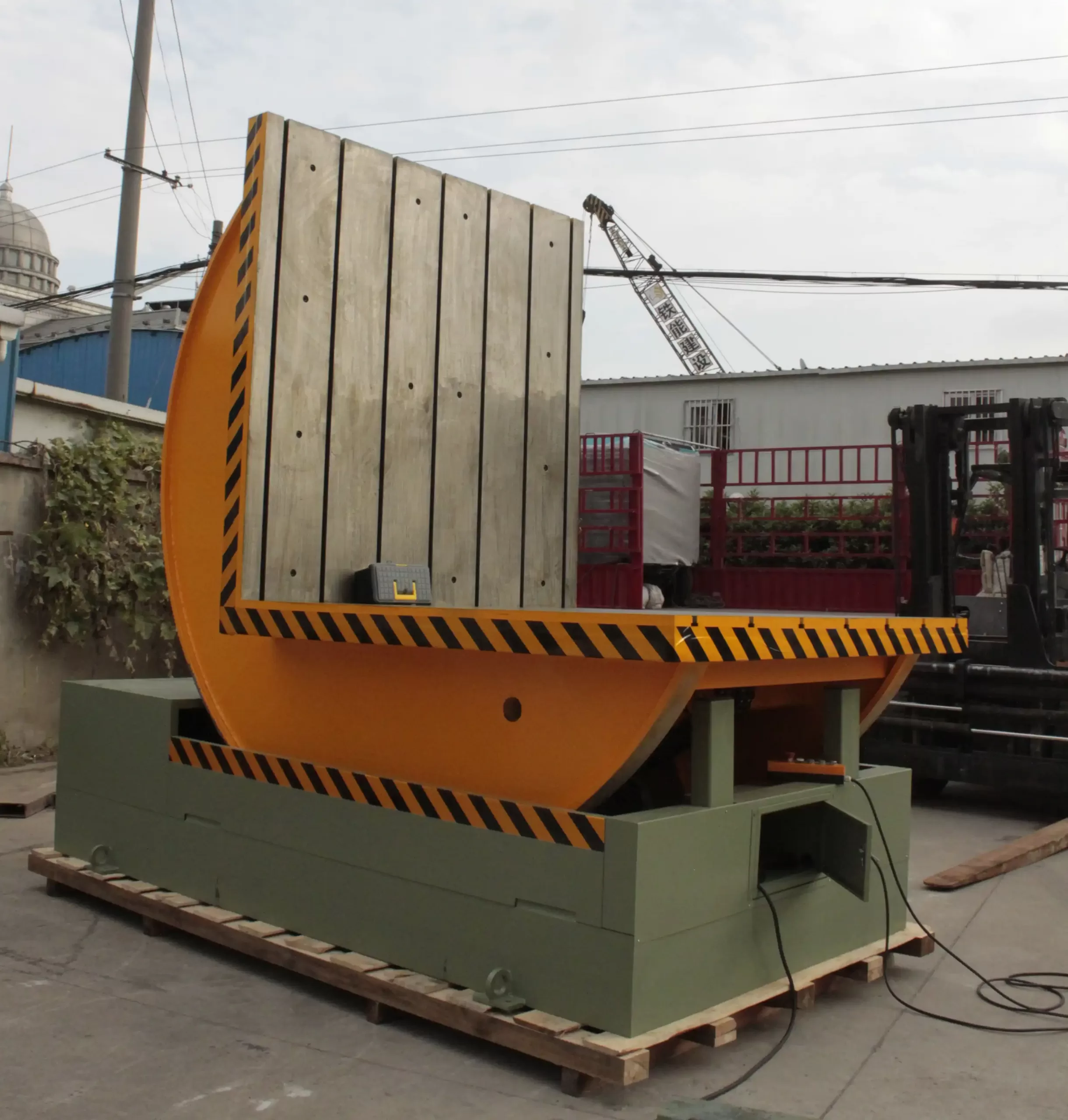
When I was running my own packing machine factory, efficiency was key. We had to move products quickly from production to shipping. If the packing part slowed down, everything stopped. Michael Chen faces this with his metal coils. His current process uses too much manual labor. It is slow. This hurts his delivery speed. MES helps solve this. It ensures the upender is ready for the next task. It does not sit idle. It also makes sure the next task is ready for the upender.
Streamlined Workflow Management
MES acts like a conductor for your factory. It coordinates all the different parts. For upenders, this means knowing exactly when a coil is ready to be flipped. And when the next step is ready to receive it.
- Real-time Status Updates: MES shows the status of every machine. It shows what is in progress. It shows what is waiting. This helps managers see bottlenecks immediately. They can act fast.
- Automated Task Assignment: MES can assign upender tasks based on production schedules. It sends jobs to the right upender at the right time. This reduces manual planning effort. It also avoids errors.
- Queue Management: MES manages the queue of items for the upender. It makes sure coils are flipped in the right order. This supports Just-In-Time (JIT) manufacturing. This means you do not have big piles of products waiting.
Increased Throughput and Production Speed
Optimizing scheduling directly leads to higher throughput. Your factory can produce more. It can do it faster. This is vital for staying competitive in markets like Spain. Many heavy industries need to move large volumes.
- Reduced Idle Time: Upenders do not sit empty. MES ensures a steady flow of work. This maximizes their use. My factory focused on keeping machines running. MES helps this goal.
- Balanced Production Lines: MES helps balance the workload across different machines. If one upender is busy, it can direct work to another. This prevents single points of failure from slowing everything down.
- Faster Changeovers: If you switch between different coil sizes, MES can help. It can pre-load settings. This reduces the time needed for changeovers. This saves valuable minutes. In my business, every minute saved was a win.
Predictive Capacity Planning
MES also helps you plan for the future. It uses historical data. It can predict how much your upenders can handle. This helps you set realistic production goals. It also helps you identify when you might need more machines.
- Load Forecasting: MES can forecast future upender loads. This helps you plan shifts and allocate workers.
- Resource Optimization: It ensures you use your upenders as efficiently as possible. You avoid overusing some and underusing others.
- Improved Delivery Times: By optimizing throughput, you can give customers more accurate delivery dates. This builds trust. Michael Chen wants to avoid customer complaints. On-time delivery is a big part of that. MES makes this possible.
How Can MES Data Reduce Product Damage and Boost Upender Efficiency?
Are your finished products getting scratched or dented during internal movement? Do you often deal with customer complaints because of minor damage? This issue impacts your profits. It also hurts your reputation. Manual handling of heavy items like steel coils or molds always carries this risk. A small bump can mean a big loss.
MES data can drastically reduce product damage. It boosts upender efficiency. It does this by ensuring precise movements and better handling. The system identifies potential issues before they become damage. This saves you money. It keeps your customers happy.
I have seen products damaged too many times. Sometimes it was during packing. Sometimes it was just moving them around. It is a frustrating problem. Michael Chen shared his challenge with me. His factory often sees damage to coil edges during transfer. This leads to customer complaints and lost profits. MES integration helps to solve this directly. It is like having an extra pair of smart eyes. These eyes guide every movement of the upender.
Precision Control for Delicate Operations
Upenders lift and flip heavy items. But even heavy items can be fragile. Especially their edges or surfaces. MES provides fine control. This fine control prevents damage.
- Automated Speed Adjustment: MES can control the upender’s speed. It can slow down for delicate parts of the flip. It can speed up when there is no risk. This smooth movement protects the product.
- Exact Position Feedback: Sensors tell MES the exact position of the item. This prevents collisions. It stops items from hitting the upender frame. It also stops them from hitting other items nearby.
- Weight Distribution Monitoring: MES can monitor how weight is spread. If a coil is not balanced, it can warn the operator. This prevents an uneven flip that could damage the product or the machine.
Data-Driven Process Improvement
MES collects data on every flip. This data is valuable. You can use it to find patterns. You can see where damage happens most often. Then you can make changes to prevent it.
- Root Cause Analysis: If damage occurs, MES data helps you find why. Was the speed too high? Was the positioning off? The data tells the story. My experience taught me that fixing the root cause is always best.
- Optimal Settings Identification: You can use MES data to find the best settings for each product type. For example, a heavy steel coil might need a different speed than a lighter wire coil. MES can suggest these optimal settings.
- Performance Benchmarking: You can compare your upender’s performance over time. Are you seeing less damage this month than last? MES helps you track progress. This helps show the value of your investment.
Reduced Waste and Rework
Damaged products often mean waste. You might have to scrap the item. Or you might have to rework it. Both cost money. Both take time. MES helps reduce this waste.
- Fewer Scraps: By preventing damage, you have fewer items that need to be thrown away. This saves raw materials. It saves production effort.
- Less Rework: Products that are handled perfectly the first time do not need extra work. This frees up your workers. They can focus on new production.
- Higher Customer Satisfaction: When customers receive undamaged products, they are happier. They are more likely to order from you again. This builds a strong business. Michael Chen wants to build trust with his clients. Delivering perfect products is a big part of that.
| Problem | MES Solution | Benefit for Upender Workflow |
|---|---|---|
| Product Scratches/Dents | Precise Speed Control | Smoother Handling, Less Impact |
| Uneven Flipping | Weight Distribution Monitoring | Balanced Movement, Prevents Tipping |
| Operator Error | Automated Alerts & Pauses | Reduces Human Mistakes, Prevents Accidents |
| Unknown Damage Causes | Data for Root Cause Analysis | Identifies Issues, Prevents Recurrence |
| Inconsistent Performance | Optimal Settings Identification | Standardized High-Quality Operations |
What Are the Key ROI Benefits of MES for Upender Operations?
Are you wondering if investing in new technology like MES is worth it? Do you need to see a clear return on investment (ROI)? Many factory managers, like Michael Chen, are cautious. They have seen suppliers who only care about selling. They need to know the money spent will come back. They need solid numbers.
MES integration for upender operations offers clear ROI benefits. It lowers operational costs. It increases output. It reduces losses from damage and downtime. These savings and gains quickly add up. They make the investment pay for itself.
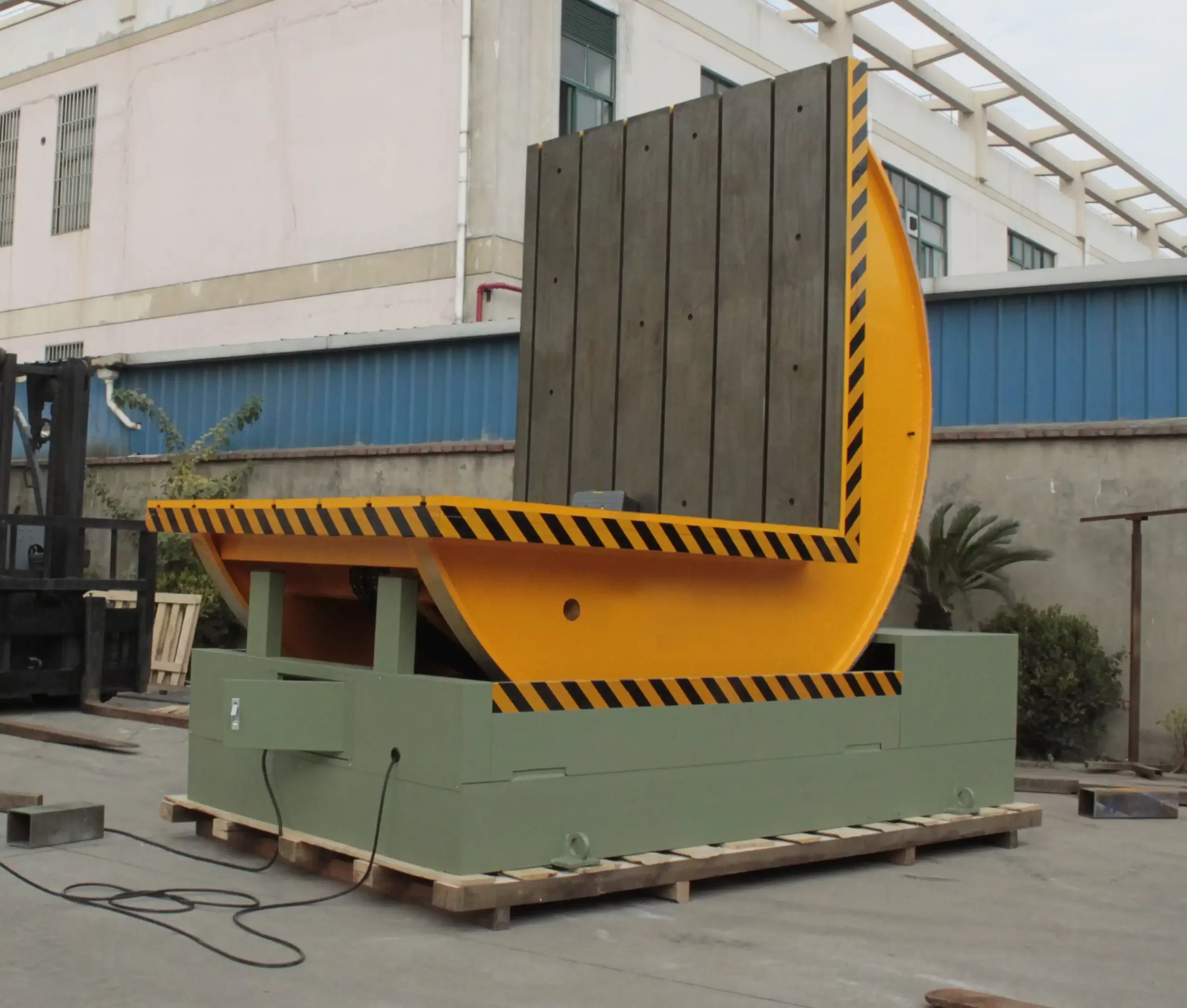
When I started my factory, every investment had to make sense. I needed to see how it would help the bottom line. It is no different for a factory in Spain looking at MES. Michael Chen’s goal is to lower labor costs and cut product loss. He wants to boost his factory’s profit. MES directly helps achieve these goals. It is not just about a fancy system. It is about smart business.
Reduced Labor Costs
One of the biggest costs in manufacturing is labor. If you can automate tasks, you save money. MES helps reduce the need for manual handling and constant supervision around upenders.
- Less Manual Intervention: MES automates many checks and adjustments. Workers can focus on other tasks. This means you need fewer workers for the same output. Or your existing workers can do more.
- Higher Worker Productivity: With less time spent on manual checks or fixing errors, your team is more productive. They can handle more volume. This increases output per worker.
- Lower Overtime: When processes are efficient, you might need less overtime. This saves money. It also makes for a happier workforce.
Decreased Operational Expenses
Beyond labor, MES helps cut other operational costs. These add up over time.
- Reduced Product Damage Costs: As we discussed, less damage means less scrap. It means less rework. This saves money on materials and production time. This is a direct saving.
- Lower Insurance Costs: Fewer workplace injuries can lead to lower insurance premiums. This is a significant long-term saving. Michael is worried about high insurance costs due to injuries. MES can help with this.
- Optimized Energy Use: MES can help monitor energy use for your upenders. It can suggest ways to run them more efficiently. This can lead to lower electricity bills.
Increased Throughput and Revenue
More efficient operations mean you can produce more. Producing more means you can sell more. This directly boosts your revenue.
- Higher Production Volume: When your upender workflow is smooth, your whole production line moves faster. You can make more products in the same amount of time.
- Faster Time-to-Market: Getting products out the door quicker means you can serve customers faster. This can give you an edge over competitors.
- Improved Customer Satisfaction and Repeat Business: Reliable delivery and undamaged products make customers happy. Happy customers come back. This builds stable revenue for your factory.
Better Investment Decisions
MES also provides data that helps you make smarter future investments. You can see which parts of your operation are most profitable. You can see where you need to invest more.
- Data for Expansion: If you plan to expand, MES data shows you your current capacity. It helps you decide if you need more upenders. It helps you choose the right kind.
- Performance Metrics: You can track key performance indicators (KPIs) easily. This shows the direct impact of MES. It helps justify your investment to stakeholders.
- Competitive Advantage: A factory that runs more efficiently and safely is stronger. It is more attractive to clients. It is also more attractive to skilled workers. This gives you a lasting edge in the market.
My Insights on Future-Proofing Your Upender Workflow!
Have you ever wondered what is next for factory operations? Are you looking for ways to stay ahead? Many factory managers focus on today’s problems. But smart leaders also think about tomorrow. They want their factory to keep growing. They want to be ready for new challenges. Future-proofing your upender workflow means adopting smart technology. It means making your systems flexible. It also means building strong partnerships. This way, your factory can adapt. It can keep growing. It will stay competitive for many years to come.
My journey in the packing machine industry taught me a lot. I saw how technology changed things. I also saw how important good partners were. When I first started, everything was mechanical. Now, it is all about smart systems. I also learned that you need to give back. Sharing knowledge helps everyone grow. This is why FHOPEPACK exists. I want to help you build a stronger future for your factory.
The Role of Connectivity and Automation
The future of manufacturing is about connected machines. It is about automation. Your upenders need to be part of this.
- Industry 4.0 Readiness: MES is a key part of Industry 4.0. It makes your factory “smart.” This prepares you for future technological changes.
- Increased Autonomy: As AI gets better, upenders might become even more autonomous. They can make minor adjustments without human input. MES provides the data foundation for this.
- Remote Monitoring: In the future, you might monitor your upenders from anywhere. MES already allows some of this. This flexibility is key for modern factories.
Importance of Data-Driven Decisions
Data is the new oil. It is valuable. Using data to make decisions is not just a trend. It is essential.
- Predictive Analytics: MES helps predict problems before they happen. This means less downtime. It means fewer surprises. This applies to machine breakdowns and production slowdowns.
- Continuous Improvement: Data helps you see what works and what does not. You can make small, continuous changes. These small changes add up to big gains over time. I always looked for small improvements in my factory. MES makes this process much easier and faster.
- Risk Mitigation: By understanding your data, you can identify risks early. This could be safety risks or production risks. You can then put plans in place to reduce these risks.
Building Strategic Partnerships
Investing in MES and upenders is a big step. You need a partner you can trust. This is where companies like FHOPEPACK come in.
- Expert Guidance: You need a supplier who understands your specific factory needs. They should not just sell machines. They should offer solutions. I always focused on understanding my clients’ problems.
- Strong After-Sales Support: What happens after you buy the machine? Good support is crucial. You need help with installation. You need help with maintenance. You need help if things go wrong. Michael Chen faced suppliers with bad after-sales service. This is a common pain point.
- Long-Term Vision Alignment: Choose a partner who shares your goal for growth and efficiency. They should be invested in your long-term success. My goal is to help factories like yours thrive.
The world of manufacturing changes fast. Staying updated is important. But it does not have to be hard. With the right technology and the right partners, your factory in Spain can be a leader. You can achieve amazing efficiency and safety. You can secure your future.
Conclusion
MES integration transforms upender workflows. It boosts safety, efficiency, and profits. This helps your factory thrive in Spain and beyond. It secures a strong future.








