
How Can Seamless ERP Integration Streamline Coil Upender Workflow in Colombia?
You run a busy factory. You feel the constant pressure to produce more, cut costs, and keep everyone safe. You know that any pause in your production line costs a lot of money. You probably look for tough, efficient equipment that can handle your demanding factory environment. You might even be dealing with old, slow processes right now. This is a common problem I see in many metal processing plants, including those in places like Colombia.
Seamless ERP integration can make coil upender workflows much better. It connects real-time data from your upenders directly to your factory’s central system. This means fewer manual errors, faster processing times, and better overall control. This integration helps factory managers make smart decisions quickly. It boosts safety and makes production much more efficient.
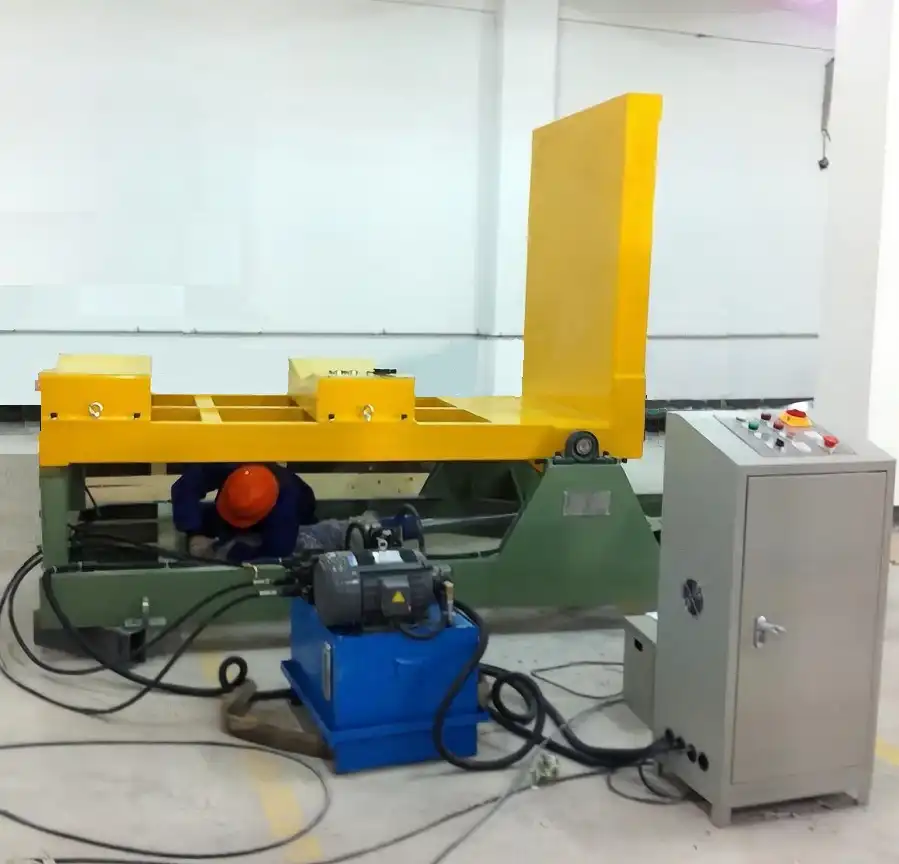
Staying competitive means looking at every part of your operation. From how materials enter your plant to how finished products leave, every step matters. Today, I want to talk about how a small but vital piece of equipment, the coil upender, can become a powerhouse when linked to your ERP system. This is true for any factory aiming for higher output and lower costs. So, let us look closer at the challenges and the solutions that can truly change your business.
How Does Manual Coil Handling Impact Production and Safety?
Do you still rely on people to move heavy coils or flip loaded pallets? This is a huge problem. You probably see how slow and inefficient it is. This way of working seriously slows down your whole production. It also impacts how fast you can deliver products.
Manual handling of heavy coils creates big safety risks and slows down your entire factory. Workers can get hurt easily. This leads to higher insurance costs and workers leaving their jobs. It also means your products can get damaged. This results in customer complaints and lost money.
Manual coil handling, common in many older factories, brings many problems. I have seen these issues firsthand in countless plants. They cause significant financial and operational burdens. When people manually move heavy steel coils or wire rolls, several dangers and inefficiencies appear.
Production Bottlenecks and Delays
Manual processes are slow. They cannot keep up with a fast production line. This creates a bottleneck at the end of your line.
- Slow Speed: People work slower than machines. This means coils pile up waiting to be handled.
- Labor Intensive: You need many workers for this job. This adds to your labor costs.
- Inconsistent Flow: Human error or fatigue causes delays. This makes your production flow uneven.
Imagine a factory in Medellín, Colombia. They produce steel coils. If their packing area relies on manual upending, coils might sit for hours. This delay affects downstream processes. It also delays shipments to customers. This can hurt their reputation.
High Safety Risks and Costs
Handling heavy items by hand is dangerous. Workers can suffer serious injuries.
- Musculoskeletal Injuries: Back strains, sprains, and other injuries are common. Workers might drop a coil. This can cause severe harm.
- Accident Frequency: The risk of accidents is very high. Workers might pinch their hands. Or they could be crushed if a coil shifts.
- Rising Costs: Worker injuries lead to higher insurance premiums. They also mean lost workdays. This affects productivity. You might also face legal issues.
I once worked with a client who faced many workers’ compensation claims. They used forklifts and chains to flip coils. It was incredibly risky. Their insurance costs were out of control. When they switched to an automated upender, their accident rate dropped to almost zero. This saved them a lot of money. More important, it kept their workers safe.
Product Damage and Financial Loss
Manual handling often results in damaged products. This happens during movement or packing.
- Edge Damage: Steel coils can get dents or scratches on their edges. This happens when they are dropped or handled roughly.
- Surface Blemishes: The surface of wire or coils can also get scuffed. This happens during manual rotation or transfer.
- Customer Complaints: Damaged products lead to unhappy customers. They might return items or demand discounts. This hurts your reputation and your profits.
| Challenge | Impact on Factory | Solution (Automated Upender) |
|---|---|---|
| Efficiency Bottle neck | Slow production, delayed deliveries, high labor costs | Speeds up handling, reduces labor needs, ensures consistent flow |
| Safety Hazards | High injury rates, increased insurance, worker turnover | Eliminates manual heavy lifting, improves worker safety, lowers risk |
| Product Loss | Damaged goods, customer complaints, reduced profit margins | Gentle handling, prevents damage, maintains product quality |
These challenges are not unique to one region. Factories globally, including those in Colombia, face these issues. Moving from manual methods to automated solutions like coil upenders is not just about upgrading equipment. It is about changing your entire approach to safety, efficiency, and quality control. It is a vital step for any factory wanting to grow.
Can ERP Integration Truly Optimize Coil Upender Operations?
You might think an ERP system is just for managing orders or finances. How can it connect with a machine that flips heavy coils? Does it really help the upender work better?
Yes, ERP integration truly optimizes coil upender operations. It links the upender’s data directly to your entire factory’s management system. This means your ERP can tell the upender what to do based on real-time orders and inventory. It also means the upender can tell the ERP system about its progress. This connection boosts planning, control, and overall efficiency in a big way.
Connecting an ERP system to a coil upender might sound complex. But it offers powerful benefits for factory operations. This integration is key for modernizing your production line. It ensures that every step of your process works together seamlessly.
Real-Time Data Exchange
An integrated ERP system allows your upender to share and receive data instantly.
- Production Orders: The ERP can send specific instructions to the upender. This includes coil dimensions, weight, and desired orientation for packing.
- Status Updates: The upender can report its current status to the ERP. This includes completion of a task, cycle time, or any errors.
- Inventory Management: When a coil is flipped and ready for the next step, the ERP updates inventory records. This tracks where coils are in the process.
Imagine a large steel plant in Barranquilla, Colombia. They get an urgent order for coils. Their ERP system instantly sees this. It then tells the upender exactly which coil to handle next. It gives it the right specifications. This cuts down on manual data entry. It removes chances for mistakes. It also speeds up the entire fulfillment process.
Automated Workflow and Reduced Errors
Connecting the upender to ERP removes human intervention in many steps.
- Automatic Task Assignment: The ERP system can automatically assign upending tasks. This is based on production schedules and coil availability.
- Reduced Manual Data Entry: Workers no longer need to type in data or check paper manifests. The system handles it all. This cuts down on human errors.
- Smooth Transitions: When a coil is upended, the ERP can automatically trigger the next step. This could be moving it to the wrapping machine or shipping area.
When I started my own packing machine factory, I learned the hard way about manual errors. A mislabeled coil or a wrong dimension input could halt an entire line. ERP integration fixes this. It creates a robust, automated workflow. This reduces costly mistakes. It ensures that the right coil gets the right treatment at the right time.
Enhanced Planning and Maintenance
The data from the upender helps in better overall factory management.
- Predictive Maintenance: The ERP can track upender usage patterns. It can also monitor its performance. This helps predict when maintenance is needed. This prevents unexpected breakdowns.
- Capacity Planning: With real-time data on upender efficiency, managers can plan production better. They can see how much they can process in a given time.
- Resource Allocation: Knowing the upender’s status helps optimize labor and energy use. This ensures resources are used effectively.
Connecting an upender to your ERP system is not just about automating one machine. It is about creating a smarter, more responsive factory. It lets you use data to drive decisions. This makes your entire operation more agile and more profitable. It is a vital step for any factory looking to become a leader in its industry.
What Are the Real Benefits of Automating Heavy Coil Handling in a Factory?
You might wonder if investing in new, automated equipment is really worth the cost. Is it just another expense, or will it genuinely bring big returns? What are the real gains from switching to machines for heavy coil handling?
Automating heavy coil handling brings major benefits. It significantly lowers labor costs. It creates a much safer workplace for your employees. It also greatly reduces product waste from damage. These improvements lead to a clear return on investment (ROI) and boost your factory’s overall profit.
Automating the handling of heavy coils, especially with dedicated machines like upenders, offers many advantages. These go far beyond just moving heavy objects. As someone who has built and run a packing machine factory, I have seen these benefits transform businesses.
Significant Cost Reduction
Automation leads to direct and indirect cost savings.
- Lower Labor Costs: You need fewer workers for manual coil handling. This reduces your payroll expenses. Workers can be moved to other, more skilled tasks.
- Reduced Insurance Premiums: Fewer workplace injuries mean fewer claims. This leads to lower insurance costs over time.
- Less Product Loss: Automated systems handle coils gently and precisely. This means fewer damaged products. This saves money on scrap and rework.
Think about a major steel distributor in Cartagena, Colombia. They might handle thousands of coils each month. If they can save even a small amount per coil on labor and damage, those savings add up fast. Over a year, the investment in an automated upender quickly pays for itself.
Greatly Improved Safety
This is perhaps the most important benefit. Protecting your workers is key.
- Eliminate Manual Heavy Lifting: Automated upenders do all the heavy lifting. This removes workers from dangerous situations.
- Reduced Accident Risk: Machines work with precision. They follow programmed movements. This drastically lowers the chance of human error or fatigue-related accidents.
- Better Worker Morale: Employees feel safer and more valued. This leads to higher job satisfaction and lower turnover rates.
I remember talking to a factory manager, similar to Michael. He told me about an accident where a worker’s foot was crushed during a manual coil flip. It was a terrible incident. He knew then he had to automate. After installing an upender, his plant went years without a similar incident. The peace of mind for him and his team was priceless.
Increased Efficiency and Productivity
Automated systems work faster and more consistently.
- Higher Throughput: Machines can process coils much quicker than people. This speeds up your entire packing line.
- Consistent Operation: Automated upenders work tirelessly. They do not get tired. They do not make mistakes from fatigue. This ensures a steady production flow.
- Better Space Utilization: Automated systems often have a smaller footprint than the space needed for safe manual operations. This frees up valuable floor space.
An automated coil upender can integrate smoothly into your existing line. It prepares coils for the next step, like wrapping or strapping, without delay. This means less idle time for other machines and workers. It translates directly to more coils processed per shift. This boosts your factory’s overall output. For a company in Colombia looking to expand its market share, this efficiency is critical.
These real benefits show that automating heavy coil handling is a smart business decision. It is an investment that pays off in many ways: financially, operationally, and most importantly, in terms of human safety.
Why Is Choosing the Right Partner Crucial for Upender Investment?
You might have dealt with equipment suppliers who just want to sell you a machine. They disappear after the sale. You feel cautious about finding a new partner. How can you trust someone to truly understand your problems and offer real solutions?
Choosing the right partner is crucial for your upender investment. A good supplier offers more than just machines. They provide deep industry knowledge, understand your specific production problems, and offer reliable, long-term support. They become a trusted advisor, not just a vendor. This is vital for any factory looking to make a wise investment.
I have seen many factories struggle after buying equipment from the wrong supplier. They end up with machines that do not fit their needs. They get little to no after-sales service. This is why picking the right partner is just as important as choosing the right machine. It is about building a relationship.
Understanding Your Unique Challenges
A true partner listens to your specific problems. They do not just offer a standard product.
- Identifying Bottlenecks: They will help you pinpoint where your production line gets stuck. This could be manual processes or slow equipment.
- Addressing Safety Concerns: They understand your worries about worker safety. They will suggest solutions that reduce risks.
- Tailored Solutions: Instead of a one-size-fits-all approach, they will customize equipment or integrate it into your existing setup.
When I started FHOPEPACK, my goal was to be that kind of partner. I had been an employee in a packing machine factory. Then I built my own. I know the pressures of meeting quotas and managing costs. I understand the daily challenges factory managers face. I know Michael Chen’s situation well. He is looking for someone who “gets it.” He needs a supplier who understands his production bottlenecks, safety issues, and efficiency problems. He needs someone who offers expert insights and reliable solutions.
Offering Expert Insights and Proven Solutions
A good partner brings deep knowledge to the table.
- Industry Expertise: They have years of experience in your field. They know what works and what does not.
- Problem-Solving Approach: They do not just sell machines. They solve problems. They look at your entire process.
- Successful Track Record: They can show you examples of how they have helped other clients grow their businesses.
My journey in the packing machine industry allowed me to achieve financial independence. I also helped many clients grow their businesses. I am grateful for the opportunities the coil packing and steel wire packing industry has given me. Now, I want to give back. I share my expertise and insights to help others succeed. This means offering practical advice and reliable machines. It is about ensuring your investment truly solves your problems and helps your business grow.
Providing Reliable After-Sales Support
The sale is just the beginning. Ongoing support is critical.
- Installation and Training: They ensure the equipment is installed correctly. They train your team to use it safely and efficiently.
- Maintenance and Parts: They offer clear plans for upkeep. They make sure you can get spare parts quickly when needed.
- Long-Term Partnership: They stay in touch. They help you adapt as your needs change or as new technologies appear.
A partner like FHOPEPACK understands that the purchase of an upender is a long-term investment. We stand by our machines and our clients. We want to see your factory thrive for years to come. This commitment to ongoing support is what sets a true partner apart from a simple vendor. It is about peace of mind.
My Insights: Building a Future-Proof Coil Handling System.
Building a future-proof coil handling system is about more than just buying the latest machine. It is about creating a smart, safe, and flexible operation. From my years in this industry, I have seen factories that thrived and those that struggled. The ones that thrived understood that technology and partnership go hand in hand.
First, you must look at your entire workflow. Do not just focus on one machine. How do coils move from arrival to shipping? Where are the delays? Where are the dangers? A coil upender solves a key part of this. But its real power comes when it talks to your other systems, especially your ERP. This connection makes your whole line smarter. It creates a smooth flow of materials and information. It makes decisions faster.
Second, think long-term about your investment. An upender is a workhorse. It needs to be tough and reliable. But it also needs to adapt. Your factory will grow. Your needs will change. Can your chosen equipment handle more volume later? Can it integrate with new technologies? This forward-thinking approach saves you money in the long run. It prevents you from having to replace equipment too soon.
Third, never underestimate the value of expertise. When you are investing in crucial equipment, you need more than a salesperson. You need someone who knows the challenges of a factory floor. You need someone who has faced the same problems you are facing. This is where my background comes in. I have lived the journey from an employee to a factory owner. I know what it takes to make a packing line truly efficient. I know what risks you are dealing with. I know what you need to grow your business. This experience allows me to offer practical solutions, not just theories.
It is about finding a partner who truly cares about your success. Someone who will help you find the right solution, not just sell you a product. This relationship builds trust. It ensures that your investment in automation and ERP integration really pays off. It helps you build a future-proof system that keeps your factory competitive and your workers safe.
Conclusion
Seamless ERP integration transforms coil upender workflow. It boosts efficiency, cuts costs, and improves safety. Partnering with experts ensures your factory gets smart, reliable, and future-proof solutions.








