
How Can Seamless ERP Integration Boost Coil Upender Efficiency in Britain?
Are you a factory manager in Britain, tired of constant production bottlenecks and safety worries? Do you watch your team struggle with heavy coils, knowing there must be a better, safer way? Many manufacturing leaders face these exact issues. Manual processes slow down your output and put your valuable workers at risk every single day. The pressure to deliver on time, control costs, and keep people safe is immense.
Seamless ERP integration can significantly boost coil upender efficiency in British factories by connecting real-time production data with your core business systems. This connection allows for automated scheduling, better inventory management, and improved resource allocation, making your coil handling operations faster, safer, and more cost-effective. It turns a manual, risky process into a streamlined, automated part of your production line.
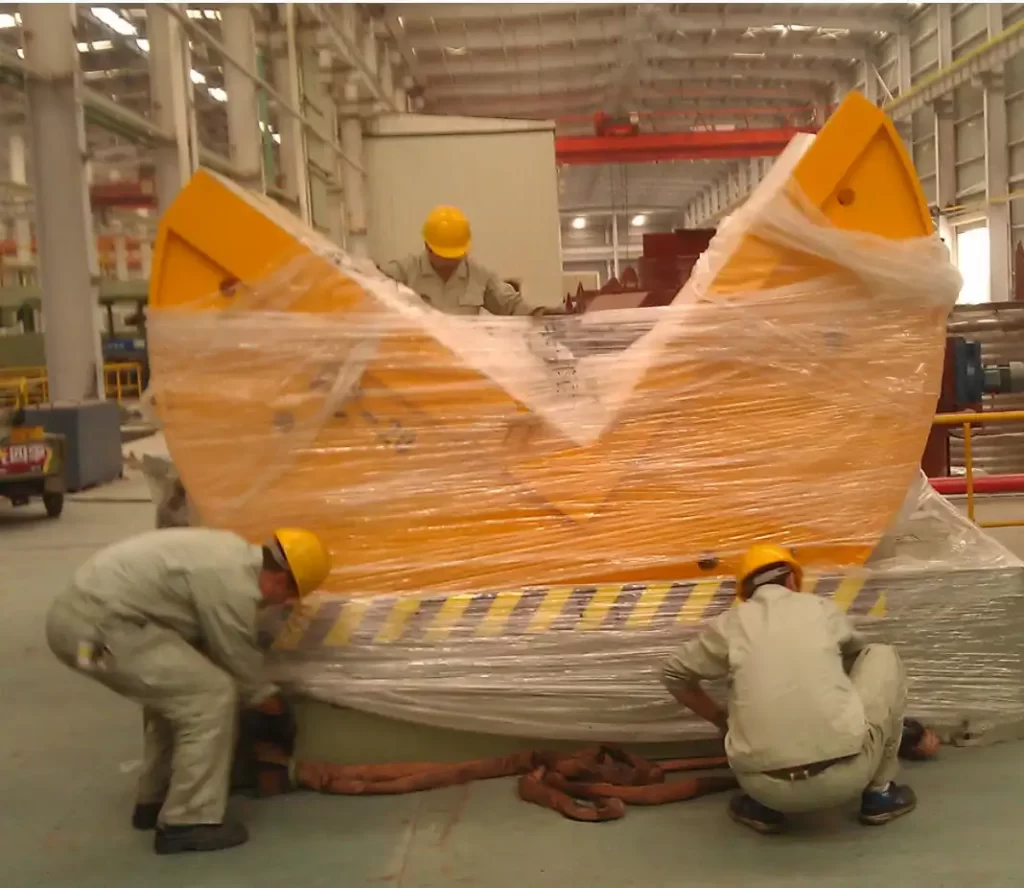
It’s easy to feel stuck when facing these big operational challenges. But what if there was a way to truly transform your coil handling? What if you could turn bottlenecks into smooth processes and make safety a built-in feature, not just a goal? Let us explore how intelligent integration can change things for your factory.
How Do Manual Coil Handling Processes Hurt British Factories?
Are your current coil handling methods holding your British factory back? Do you see piles of coils waiting, slow movement, and worried faces during manual shifts? This is a common scene, and it creates real problems for your bottom line and your team’s well-being. The old ways of doing things no longer fit today’s fast-paced production needs.
Manual coil handling processes hurt British factories by causing major efficiency bottlenecks, creating high safety risks for workers, and leading to unnecessary product damage. These issues directly impact production schedules, increase operational costs, and reduce overall profitability. Shifting heavy coils by hand is simply not sustainable or safe in a modern manufacturing environment.

The High Cost of Manual Methods
Manual coil handling might seem like a way to save money on machines. But in my experience, the opposite is true. When I first started in the packing machine industry, I saw how much time and money factories lost due to manual work. Think about the hidden costs. You pay more in labor wages for tasks that a machine could do faster. You also lose money when your production line stops because of slow manual movement. This means fewer products leave your factory each day. It directly impacts your ability to meet customer orders on time. This is a huge problem. Every minute of downtime costs money. For many of my clients, speeding up this part of their process was key to growing their business.
- Production Delays:
- Manual loading and unloading of coils takes a long time. This slows down the entire production line.
- It creates bottlenecks at the end of the line, stopping finished products from moving out quickly.
- This delay impacts delivery times and customer satisfaction. It can also lead to contract penalties.
- Safety Hazards:
- Workers have to lift and move very heavy coils. This is dangerous work.
- There is a high risk of injuries, like back strains, crushed limbs, and falls.
- When an accident happens, it costs the company a lot. This includes medical bills, lost workdays, and higher insurance premiums.
- A high injury rate also lowers employee morale. It can make it harder to keep skilled workers.
- Product Damage:
- During manual handling, coils can get dropped or hit. This damages the edges or surfaces.
- Damaged products lead to customer complaints and product returns.
- Your factory loses money on wasted materials and rework. Your brand’s reputation also suffers.
- In a tough market like Britain, maintaining product quality is key to staying competitive.








