
How Can Romanian Operators Quickly Address Upender Malfunctions?
Factories across Romania, just like any other industrial hub, rely heavily on efficient equipment. When an upender, which is vital for handling heavy coils and wires, suddenly stops working, production grinds to a halt. This downtime costs a lot of money and causes major headaches. It creates delays, wastes resources, and puts pressure on everyone.
Operators can quickly address upender malfunctions by performing immediate safety shutdowns, checking error codes, and conducting basic visual inspections for obvious issues like loose cables or blockages. These first steps are critical to limit damage and prepare for further troubleshooting. Operators must always put safety first before anything else.
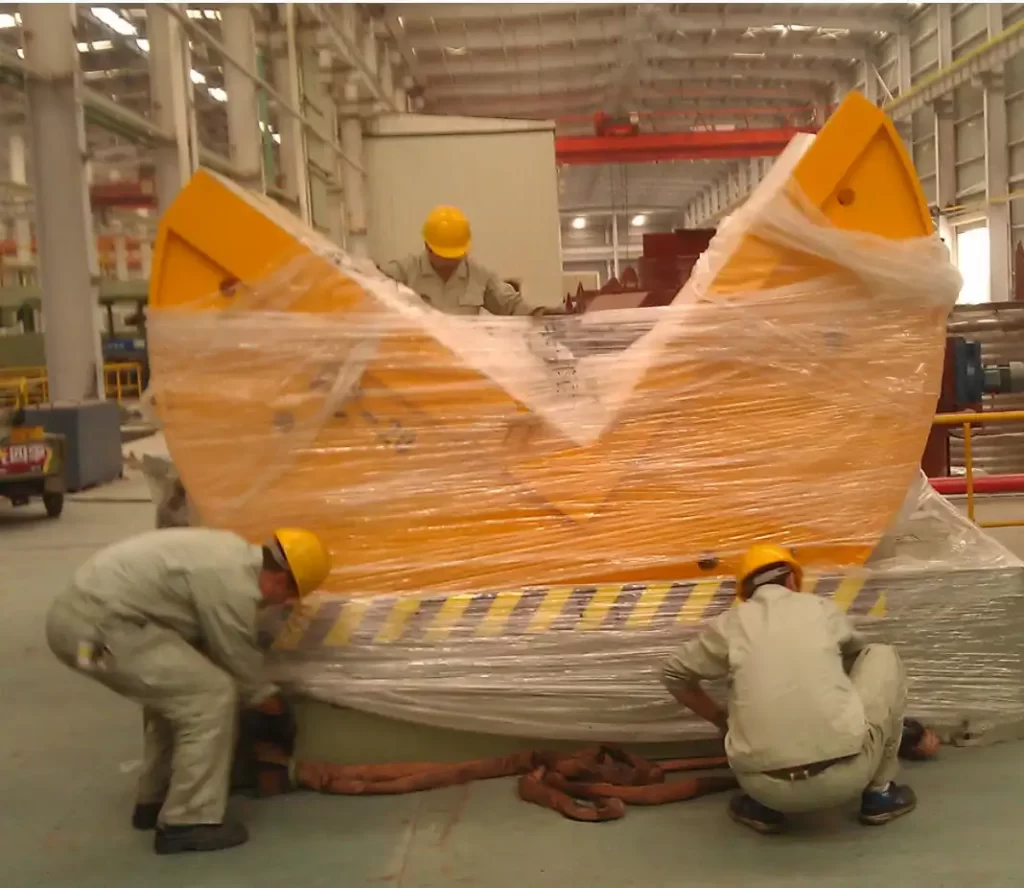
As someone who has worked in packing machine factories for years, I know the frustration of unexpected machine breakdowns. I built FHOPEPACK to share knowledge and help operations managers and operators avoid these painful situations. Let us explore specific steps Romanian operators can take to handle upender issues fast and safely.
How Can Operators First Identify Upender Problems Quickly?
Imagine you are on the factory floor in Romania. Suddenly, your upender starts making strange noises or just stops. This unexpected stop immediately raises alarm bells. Every minute of downtime means lost production and missed targets. Not knowing what to do next makes the problem even worse.
Operators can identify upender problems quickly by paying close attention to sensory cues and machine feedback. Listen for unusual sounds like grinding or screeching. Watch for strange movements or fluid leaks. Always check the control panel for any error codes or warning lights. These simple checks often point to the root cause of a problem.

When an upender shows signs of trouble, quick identification is key. Operators must have a clear process in their minds. First, they need to know their machine well. This means understanding how it usually sounds, looks, and moves. Any deviation from the normal state is a warning sign. For example, if the upender typically makes a soft hum, a loud clunk is an immediate red flag.
-
Visual Inspection:
- Look for anything out of place. Are there loose bolts or connections?
- Check for leaks. Are there oil or hydraulic fluid puddles under the machine?
- Is there any smoke or burning smell? This often signals an electrical problem.
- Inspect moving parts. Are chains or belts worn or broken?
- Check the load. Is the coil or wire sitting correctly on the platform? An uneven load can cause issues.
-
Auditory Cues:
- Listen for grinding or scraping. This could mean metal-on-metal contact.
- Hear unusual clicks or thumps. These might indicate a faulty relay or a loose component.
- Notice changes in motor sound. A straining motor might mean it is overloaded or failing.
-
Control Panel and Error Codes:
- The control panel is like the upender’s brain. It often displays error codes.
- Operators must learn the meaning of common error codes from the machine manual.
- A code like “E-01” might mean a safety gate is open. “E-05” could point to a hydraulic pressure issue.
- Even if the machine does not show a code, warning lights can still signal trouble. A red light for “overload” or “low oil” demands immediate attention.
-
Performance Changes:
- Is the upender moving slower than usual?
- Does it struggle to lift or turn loads?
- Is it stopping mid-cycle?
- These performance changes suggest a problem with power, hydraulics, or mechanical parts.
Operators should document their findings. A simple logbook can help track recurring issues. This information is very helpful for maintenance staff. By following these steps, operators can pinpoint problems quickly. This allows for faster fixes and less production loss.
What Safety Protocols Must Operators Follow When an Upender Malfunctions?
An upender breakdown is not just an inconvenience. It is a serious safety risk. If operators try to fix things without proper safety steps, they can get hurt. Accidents lead to injuries, higher insurance costs, and lost workdays. This creates more pressure for everyone in the factory. It is just not worth it.
Operators must follow strict safety protocols immediately when an upender malfunctions. The most important step is to activate the emergency stop button. Then, apply lockout/tagout procedures to disconnect all power sources. Never try to clear jams or make repairs unless the machine is completely shut down and secured.

Safety must be the number one priority when any machine fails, especially a heavy-duty upender. These machines handle enormous weights, like steel coils or wire bundles. Any uncontrolled movement or unexpected start can cause severe injury or even death. This is why strict adherence to safety protocols is non-negotiable.
-
Emergency Stop Activation:
- The first action is always to hit the nearest emergency stop button. This immediately cuts power to the machine’s moving parts.
- Ensure all machine motion stops completely before approaching.
- Emergency stops are for emergencies. Do not use them as a regular shutdown method.
-
Lockout/Tagout (LOTO) Procedures:
- LOTO is critical. It prevents unexpected startup of the machine.
- Operators must identify all energy sources: electrical, hydraulic, pneumatic, and mechanical.
- Turn off circuit breakers and valve controls.
- Apply a lock and a tag to each energy isolation point. The tag should state who locked it out, the date, and the reason.
- Only the person who applied the lock should remove it.
- Test the machine controls to ensure it cannot start. This is called “verify zero energy.”
-
Never Bypass Safety Devices:
- Safety interlocks, light curtains, and pressure mats are there for a reason. They protect workers.
- Never disable or bypass these devices, even to “quickly check” something. This is extremely dangerous.
- If a safety device causes the malfunction, it means the device is working. It needs repair, not bypassing.
-
Personal Protective Equipment (PPE):
- Always wear appropriate PPE. This includes safety glasses, steel-toed boots, gloves, and hard hats.
- Even during a malfunction, unexpected hazards can arise, like falling debris or fluid leaks.
-
Reporting and Communication:
- Immediately report the malfunction to your supervisor and maintenance team.
- Clearly communicate what happened, what you observed, and what steps you took.
- Do not try to fix complex issues alone unless you are trained and authorized. Heavy machinery repairs require specialized skills.
Michael Chen, as a factory manager, worries about safety. Implementing these strict protocols reduces the risk of accidents. It protects the workforce and helps the company avoid costly legal problems and lost productivity from injuries. A safe factory is a productive factory.
How Do Operators Perform Basic Troubleshooting for Upender Issues?
When an upender breaks down, waiting for a technician can feel like forever. Every minute of waiting means more steel coils not being processed and more production delays. This kind of bottleneck frustrates everyone and can seriously hurt the factory’s output. It is far better if operators can fix small problems themselves.
Operators can perform basic troubleshooting by checking common and easily accessible points of failure. These include verifying the power supply, checking hydraulic fluid levels, inspecting limit switches for proper function, and looking for any simple obstructions. These steps often resolve minor issues quickly without needing expert help.

Empowering operators with basic troubleshooting skills is a game-changer for any factory. It means they can solve common, simple problems on the spot. This avoids long waits for maintenance staff and keeps the production line moving. This is not about complex repairs. It is about checking obvious things first.
-
Power Supply Check:
- Is the upender plugged in correctly? Sometimes a plug can come loose.
- Check the main power switch. Is it in the “on” position?
- Look at the circuit breakers. Has any breaker tripped? Reset it if it has.
- Sometimes, local power issues can affect the machine. Check if other machines on the same power line are working.
-
Hydraulic System Basics:
- Many upenders use hydraulics. Check the hydraulic fluid level in the reservoir.
- Low fluid can cause the machine to move slowly or not at all. Add fluid if needed, but use the correct type.
- Look for visible leaks around hydraulic hoses and cylinders. A leak means pressure loss.
- Check the pressure gauge, if accessible. Does it read within the normal operating range?
-
Limit Switches and Sensors:
- Limit switches tell the machine where its parts are. They are often small buttons or levers that get pressed.
- Inspect them. Are they stuck? Is debris blocking them?
- Sometimes, a limit switch is just misaligned. Gently try to adjust it if the manual permits.
- Check photo-electric sensors. Are they clean? Is anything blocking their beam? Dirty or blocked sensors cause wrong signals.
-
Mechanical Obstructions:
- Look for anything physically blocking the upender’s movement.
- Is a piece of packaging material, a small tool, or debris caught in the mechanism?
- Carefully remove any obstruction, only after ensuring the machine is safely locked out.
-
Emergency Stop Button Status:
- Ensure the emergency stop button is not stuck in the “pulled out” or “reset” position. Sometimes it just needs a twist to reset.
- Confirm the machine’s control panel indicates the E-stop is disengaged before attempting to restart.
Operators should always consult the machine’s manual for specific troubleshooting steps and warnings. The manual contains a wealth of information tailored to that specific upender model. If these basic steps do not work, or if the problem seems complex, then it is time to call in the trained maintenance technicians. Michael Chen’s factory needs operators who can act quickly, and basic troubleshooting is a vital skill for this.
Why Is Timely Maintenance Training Crucial for Romanian Upender Operators?
Many factories, including those in Romania, face a big problem: their operators do not always have the skills to handle equipment issues. This lack of knowledge leads to slower problem-solving, more downtime, and even damage to machines or products. Without proper training, operators often feel helpless when something goes wrong.
Timely maintenance training is crucial for Romanian upender operators because it equips them with the knowledge to perform quick diagnostics and basic fixes, reducing reliance on external technicians. This training improves reaction time to malfunctions, minimizes production interruptions, and significantly extends the operational lifespan of the equipment.
Investing in regular and relevant training for operators is not just an expense; it is a smart investment. For upenders, specifically, skilled operators can mean the difference between a minor hiccup and a major production loss. Training goes beyond simple operation. It dives into understanding the machine’s mechanics, hydraulics, electrical systems, and safety features.
-
Reduced Downtime:
- Well-trained operators can quickly diagnose problems. They do not waste time guessing.
- They can perform basic fixes like clearing simple jams or resetting sensors. This avoids waiting hours or even days for a technician.
- Every minute saved during a malfunction directly translates to more production time.
-
Improved Safety:
- Trained operators understand the dangers. They know exactly when and how to engage safety protocols like lockout/tagout.
- They are less likely to take shortcuts or engage in unsafe practices.
- This reduces the risk of accidents and injuries on the factory floor.
-
Extended Equipment Lifespan:
- Operators who understand their machines can identify early warning signs of wear or failure.
- They can perform simple preventive maintenance tasks, like checking fluid levels or lubricating parts.
- This proactive approach prevents small issues from becoming big, costly repairs. It also makes the upender last longer.
-
Better Product Quality and Less Damage:
- When an upender malfunctions, there is a risk of damaging the product, like steel coils or wire edges.
- Trained operators can react quickly to prevent such damage. They know how to secure a load during a fault.
- This reduces product scrap and customer complaints, which is important for Michael Chen’s concerns about product loss.
-
Increased Operator Confidence and Job Satisfaction:
- Operators who feel competent and empowered are more engaged.
- They take more ownership of their equipment and its performance.
- This leads to a more motivated workforce and lower employee turnover.
-
Tailored Training Programs:
- Training should not be a one-size-fits-all approach. It should be specific to the upender model used in the factory.
- It should include hands-on practice, not just theoretical lessons.
- Refresher courses are also important to keep skills sharp and introduce new procedures.
For factories in Romania aiming for higher automation and efficiency, empowering their operators through consistent and thorough training is a fundamental step. It creates a more resilient and productive workforce ready to face challenges.
My Insights: How Does FHOPEPACK Ensure Operators Get Expert Support for Upenders?
Many factory managers like Michael Chen have experienced bad suppliers. They sell a machine and then disappear when problems start. This creates a big trust issue. Managers need a partner who truly understands their struggles, not just someone focused on sales. They need real support when their upender stops working.
At FHOPEPACK, I ensure operators get expert support for upenders by providing thorough documentation, offering accessible remote technical assistance, and maintaining a robust spare parts supply chain. Our goal is to be a true partner, not just a vendor, offering insights from my own packing machine factory experience to solve complex challenges.
My journey started as an employee in a packing machine factory. I saw the challenges firsthand. Then, I built my own successful factory. This journey taught me the importance of reliable equipment and, more importantly, reliable support. That is why FHOPEPACK is more than just a company. We are a knowledge-sharing platform. We want to help others succeed.
-
Comprehensive Documentation:
- Every FHOPEPACK upender comes with a detailed operation and maintenance manual.
- These manuals are clear, easy to understand, and include troubleshooting guides.
- We believe that good documentation is the first line of support for any operator.
- They include wiring diagrams, hydraulic schematics, and parts lists. This helps identify issues and order correct parts quickly.
-
Accessible Remote Technical Support:
- When an operator faces a problem they cannot solve, our team is ready.
- We offer phone, video call, and email support. This allows our experts to guide operators step-by-step.
- We use technology to diagnose issues remotely. We can often pinpoint the problem without needing an on-site visit.
- This saves time and money for the factory.
-
Robust Spare Parts Availability:
- A machine is only as good as its parts supply. We keep a good stock of common spare parts.
- This means less waiting time for critical components when a repair is needed.
- We can ship parts quickly to minimize downtime.
- We also guide customers on essential spare parts they should keep in their own inventory.
-
Long-Term Partnership Approach:
- Michael Chen wants a partner, not just a vendor. This is exactly what FHOPEPACK offers.
- I know the challenges of running a factory. I understand the pressure to increase output and control costs.
- We do not just sell machines. We provide insights and solutions based on real-world experience.
- We help factories achieve higher automation levels and better safety.
- We focus on the return on investment (ROI) for our clients. We want our equipment to genuinely boost their profits.
-
Continuous Knowledge Sharing:
- Through our platform, we share articles, guides, and videos. This knowledge helps operators and managers understand upenders better.
- We share best practices for operation, maintenance, and safety.
- My own experiences, from being an employee to running a factory, guide this knowledge sharing. It is about practical, actionable advice.
FHOPEPACK wants to build trust with factory managers and operators. We are committed to providing the expert guidance and reliable support needed to keep their operations running smoothly. We know that when a machine works, a business grows.
Conclusion
Quickly addressing upender malfunctions requires informed operators, strict safety, basic troubleshooting skills, and ongoing training. FHOPEPACK provides the knowledge and support to empower factories to overcome these challenges efficiently.








