
How Can Orbital Wrapping Machines Reduce Film Waste While Ensuring Reliable Protection for Spanish Exporters?
Are you losing sleep over rising material costs and damaged goods during shipping? Do your current packing methods feel like a drain on resources and profit? For Spanish exporters, every roll of film and every damaged product directly hits your bottom line. Manual processes are slow, inconsistent, and can lead to huge amounts of wasted material and compromised protection. This directly hurts your reputation and your profits in a competitive global market. Imagine a packing solution that not only cuts down on film waste but also ensures your products arrive perfectly intact, every time. This is where orbital wrapping machines come in, offering a smart answer to these pressing challenges.
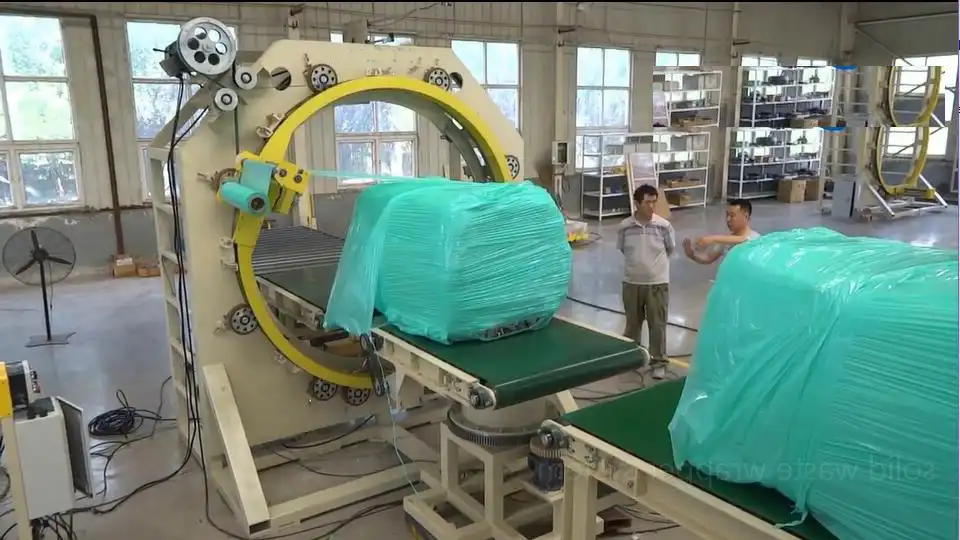
Orbital wrapping machines offer a powerful solution for Spanish exporters to cut film waste and boost product protection. They achieve this by applying stretch film tightly and consistently around products, often wrapping them while they move horizontally. This method creates a secure, weather-resistant barrier using less material compared to traditional hand-wrapping or other less efficient machines. The controlled tension and precise application of the film minimize overlaps and unnecessary layers, leading to significant material savings. At the same time, the tight wrap prevents shifting and damage during transit, ensuring reliable protection for goods like steel coils, pipes, or other elongated products exported from Spain.
This is not just about a machine; it is about transforming your packing process. I know the pressures factory managers face because I have been there myself. Let’s dive deeper into how these smart machines can directly address your biggest operational headaches, from efficiency to safety and cost savings.
How Do Orbital Wrapping Machines Solve Production Bottlenecks and Manual Labor Challenges?
Do your packing lines feel like a choke point? Is manual labor slowing down your entire operation, creating bottlenecks that impact delivery times and overall output? I have seen it many times. Factories invest heavily in production, only to have the final packing stage become the slowest part. Relying on people to wrap large, heavy items like steel coils or bundles of pipes is not only slow but also inconsistent. This leads to missed deadlines and frustrated customers. Automated orbital wrapping machines are designed to eliminate these exact problems. They bring speed, consistency, and a huge boost in efficiency to your end-of-line processes.
Orbital wrapping machines solve production bottlenecks by automating the packaging process. They wrap products quickly and consistently, much faster than manual methods. These machines reduce the need for workers to perform repetitive, time-consuming tasks. This frees up valuable labor for other jobs. By speeding up the packing stage, the entire production line moves more smoothly, preventing delays and increasing throughput.
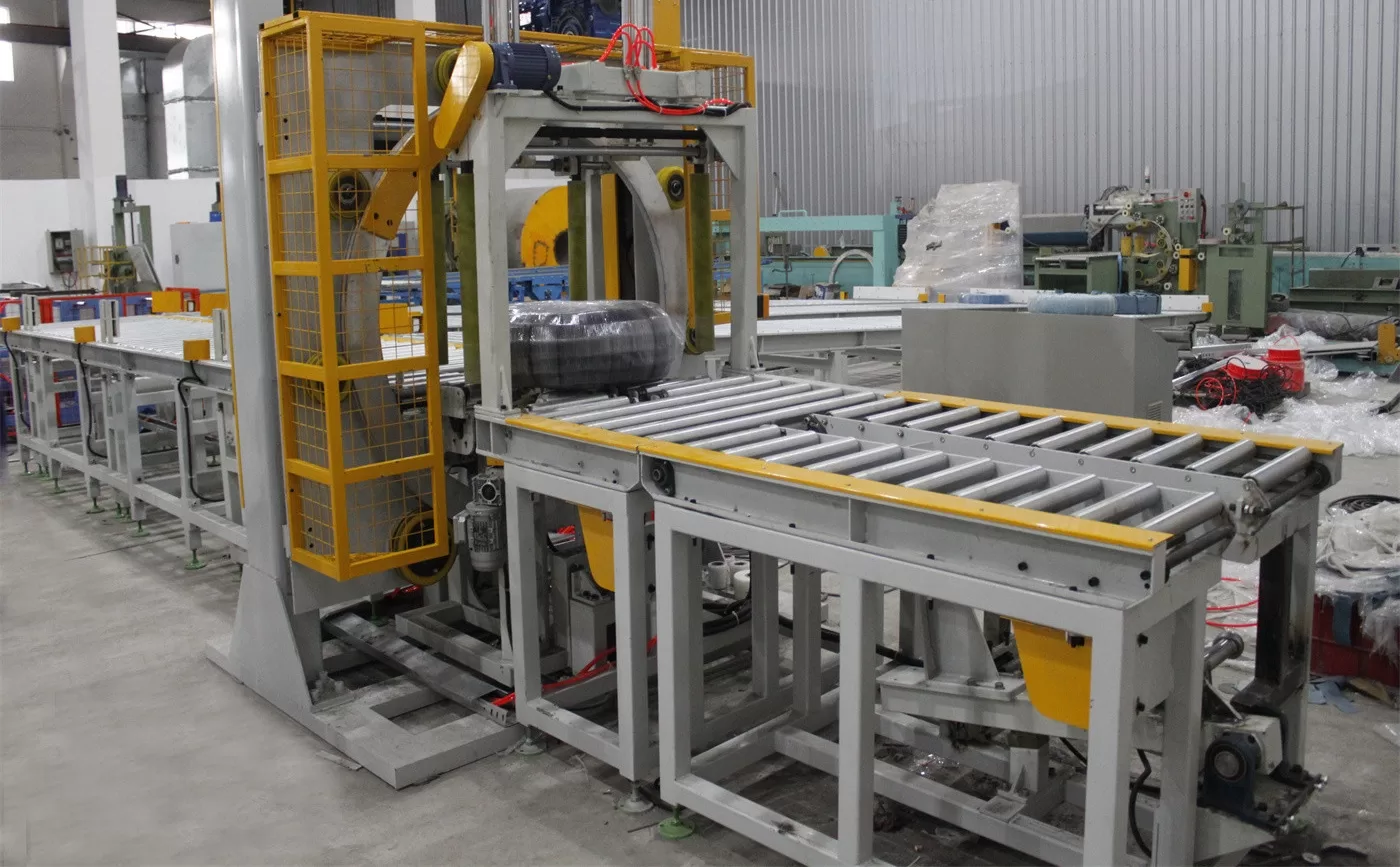
I remember when I first started working in a packing machine factory. Manual wrapping was the norm. We saw firsthand how much time it took. Workers strained to pull and wrap heavy materials. This was slow. It was also tiring. An automated orbital wrapper changes this game completely. The machine handles the repetitive, heavy lifting. It does this at a much faster speed. This leads to a significant increase in daily output. Consider a factory shipping heavy steel coils. Before, a team of workers spent a long time wrapping each coil. They used many hands and much effort. Now, an orbital wrapper can prepare a coil for shipping in just a few minutes. This is a huge difference. This speed helps meet tighter deadlines. It also allows the factory to process more orders.
This shift to automation is not just about speed. It is also about consistency. Human wrapping is never perfectly uniform. Some areas might be tighter. Others might be looser. This inconsistency can lead to product damage. It also wastes film. Orbital wrappers apply film with constant tension. They wrap with a consistent overlap. This means every package is wrapped the same way. It gives reliable protection. This also uses the right amount of film. The reduction in manual labor is another key benefit. Factory managers like Michael often struggle with finding enough skilled workers. They also face high labor costs. An orbital wrapper lets a few operators manage the entire packing line. This frees up other workers. They can then focus on more complex tasks. This optimizes the workforce. It also cuts down on direct labor expenses for packing. I have seen clients who were able to reallocate their packing staff. They moved them to other critical areas of the factory. This improved their overall operational efficiency.
Addressing Specific Bottlenecks with Orbital Wrappers:
- End-of-Line Delays: Manual packing is often the slowest point. Orbital machines integrate directly into conveyor systems. This keeps the flow smooth from production to shipping.
- Labor Scarcity: Automation reduces the number of people needed for strenuous packing jobs. This tackles labor shortage issues head-on.
- Inconsistent Output: The machine ensures uniform wrapping for every product. This makes output predictable and reliable.
- Product Handling Challenges: Heavy and awkward items are easily wrapped by the machine. This removes the physical strain and slowness of manual handling.
Can Orbital Wrapping Machines Really Make Your Factory Safer and Reduce Injury Risks?
Are you constantly worried about workplace injuries in your packing area? Do your workers struggle with heavy or awkward items, facing risks every day? I have witnessed the dangers of manual packing. Lifting heavy coils, twisting to apply film, or working around moving parts by hand. These tasks carry high risks. Slips, strains, and crush injuries are common. This leads to lost workdays, rising insurance costs, and staff turnover. It is a problem that hurts both people and profit. Orbital wrapping machines are designed with safety at their core. They take the most dangerous tasks out of human hands, creating a much safer environment for your team.
Orbital wrapping machines significantly improve factory safety by removing workers from dangerous, repetitive tasks. They automate the handling and wrapping of heavy, bulky items like steel coils or bundles of pipes. This eliminates the need for manual lifting, bending, and stretching in hazardous areas. Reduced human intervention in the wrapping process directly lowers the risk of strain injuries, falls, and accidents involving moving machinery or heavy loads. This leads to a safer workplace overall.
For years, I saw my colleagues and clients face these risks. I saw people hurt themselves trying to manually wrap huge, heavy products. It was always a concern. The shift to automation directly addresses this. When a machine handles the wrapping, humans are not in direct contact with the product during the wrapping cycle. They are also not near fast-moving parts. This keeps them out of harm’s way. Think about wrapping a large steel coil. Manually, workers must physically move around the coil, pulling and stretching heavy film. This often involves bending, twisting, and reaching. These are all movements that can cause musculoskeletal injuries over time. Also, the coils themselves are heavy. They can shift or roll if not handled properly. This creates crush hazards. An orbital wrapper holds the product securely. It wraps it without any human interaction in the danger zone.
Furthermore, modern orbital wrapping machines come with built-in safety features. They have safety light curtains, emergency stop buttons, and interlocked guards. These features prevent accidents. They ensure that operators are protected. This is a big step up from relying solely on human vigilance in a busy, high-risk environment. Reducing the physical strain on workers also means less fatigue. Tired workers make more mistakes. They are more prone to accidents. By automating the most physically demanding parts of the packing process, the machine helps keep your team fresh. This indirectly improves safety by reducing human error. My own journey in the packing machine industry has shown me that investing in worker safety is not just good practice. It is also good business. Lower injury rates mean fewer workers’ compensation claims. They mean less downtime due to injury. They mean a more stable and happy workforce. This directly impacts a factory’s bottom line. For factory managers like Michael, this is a critical point. He understands that a safe factory is an efficient and profitable factory.
Key Safety Improvements:
- Elimination of Manual Handling: Machines move and wrap heavy items, removing the risk of strain or crush injuries.
- Reduced Exposure to Moving Parts: Operators are kept at a safe distance during the wrapping cycle.
- Ergonomic Benefits: Less repetitive strain for workers, leading to fewer long-term health issues.
- Integrated Safety Features: Emergency stops, safety sensors, and guards are standard.
- Consistency in Operation: Machines perform tasks uniformly, reducing human error that can lead to accidents.
How Can Spanish Exporters Reduce Film Waste and Product Damage with Orbital Wrapping?
Are your packing materials costing too much? Do you worry about products getting damaged on their journey from your factory to customers in distant lands? For Spanish exporters, every meter of wasted film and every damaged product represents lost profit. It also hurts your reputation in competitive markets. Manual wrapping can be inconsistent. It often uses more film than needed. It also offers uneven protection. This leaves goods vulnerable to damage during long transit times. Orbital wrapping machines offer a precise and efficient way to use less film while providing superior protection. This saves money and keeps your customers happy.
Spanish exporters can greatly reduce film waste and product damage with orbital wrapping machines through precise film application. These machines apply stretch film with consistent tension and overlap. This means they use only the necessary amount of material to secure the product. This controlled process prevents excessive film use, which often happens with manual wrapping. The tight, uniform wrap also creates a strong, protective barrier. It prevents product movement and protects against dirt, moisture, and impact during shipping. This ensures goods arrive in perfect condition.
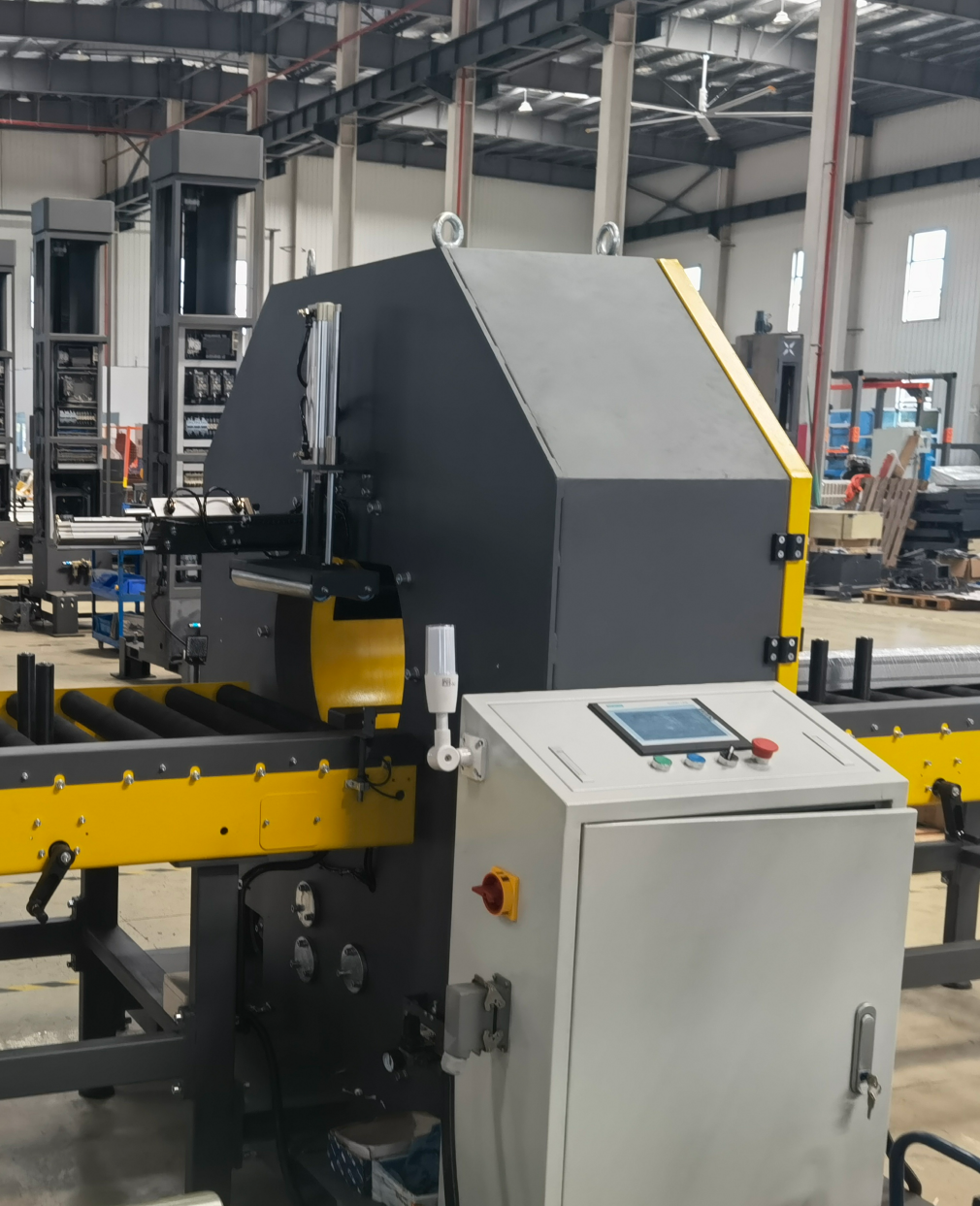
I often talk about how automation impacts the bottom line. Reducing film waste is a direct way to save money. When I started my own packing machine factory, I knew how important material costs were. Manual wrapping is guesswork. Workers might apply too many layers “just in case.” Or, they might apply too few, risking damage. Both scenarios are bad. Too much film wastes money. Too little film means damaged products. Orbital wrappers remove this guesswork. They allow you to set specific parameters. You control the film tension. You control the overlap percentage. You control the number of wraps. This precision means you use the optimal amount of film for each product. This is not just a small saving. Over thousands of packages, these small savings add up to significant cost reductions. Imagine reducing your film consumption by 20% or even 30%. That is a massive impact on your operational budget.
Beyond film usage, the protection aspect is critical. Michael, like many factory managers, faces the challenge of product damage. Steel coil edges can get dinged. Pipes can get scratched. These damages lead to customer complaints. They lead to returns. They lead to financial losses. A tightly wrapped product from an orbital machine offers superior protection. The film acts as a strong, cohesive unit around the product. It holds everything together. It resists abrasions. It keeps out dust and moisture. This is especially important for goods traveling long distances, crossing borders, or stored outdoors in varied climates. The consistent wrap also means less shifting of the product within the package. This is a major cause of internal damage. The tight film prevents items from moving. It stops them from knocking into each other or against the packaging itself. This results in fewer customer complaints. It leads to better customer satisfaction. For Spanish exporters, maintaining a good reputation is vital for repeat business. Delivering products in perfect condition builds trust. It strengthens business relationships. This is an investment that pays for itself many times over.
Specific Benefits for Exporters:
- Optimized Film Usage: Precise settings reduce material waste, directly lowering costs per package.
- Enhanced Product Integrity: Uniform, tight wrapping protects against physical damage, moisture, and dust during transit.
- Reduced Customer Complaints: Fewer damaged goods lead to higher customer satisfaction and fewer returns.
- Improved Brand Reputation: Consistent, high-quality packaging reinforces your commitment to quality.
- Compliance with Shipping Standards: Secure packaging helps meet requirements for international shipping.
What Unique Insights Can I Offer About Choosing the Right Orbital Wrapper for Your Business?
Are you overwhelmed by the choices when looking for new packing equipment? Do you worry about making the wrong investment and picking a supplier who only cares about the sale? I have heard countless stories from factory managers like Michael. They bought a machine, but it did not quite fit their needs. Or the after-sales support was terrible. This leads to wasted money, ongoing problems, and a complete lack of trust. You need a partner, not just a seller. Drawing from my own journey – from a packing machine factory employee to building a successful business – I can offer practical insights. These insights help you make smart choices and find a reliable partner.
My unique insight into choosing the right orbital wrapper comes from my journey as both an engineer and a factory owner. I understand the full lifecycle of these machines, not just the sales pitch. My advice emphasizes looking beyond the initial price. Instead, focus on machine reliability, ease of maintenance, and the quality of after-sales support. I also stress the importance of customizability. Ensure the machine can grow with your business and fit your specific product range. This helps avoid the common pitfalls of equipment investment.

My journey in the packing machine industry has been long. I started on the factory floor. I saw what worked and what broke down. Then, I built my own factory. I had to make tough decisions about equipment. This experience taught me invaluable lessons. It is not just about the machine’s features. It is about its fit for your specific operation. It is about the support you get when things go wrong. Michael’s concern about supplier trust is something I deeply understand. Many suppliers push sales. They forget about the customer after the invoice is paid.
When choosing an orbital wrapper, first, consider the machine’s construction. Is it built for heavy-duty, continuous operation? In a busy factory, you cannot afford frequent breakdowns. Look for robust materials and simple, proven designs. My own factories always prioritized durability. A machine that lasts years without major issues saves far more money than a slightly cheaper one that constantly needs repairs. Second, think about service and support. Does the supplier offer quick spare parts delivery? Do they have skilled technicians? What about remote assistance? This is where many companies fall short. A machine is only as good as the support behind it. I made sure my company, FHOPEPACK, was different. We focus on being a true partner. We want to help clients grow, not just sell them something.
Third, consider customization. Your products might change. Your volumes might increase. Can the machine adapt? Look for modular designs. Ask about adjustable parameters. Some machines are very rigid. Others offer great flexibility. This flexibility can save you from needing a completely new machine down the line. I always advise clients to think about their future needs, not just their current ones. Finally, always ask for case studies or references. Talk to other factory managers who use the supplier’s machines. What has been their experience? This kind of real-world feedback is gold. It helps you see beyond the marketing brochures. My goal at FHOPEPACK is to share this kind of practical knowledge. I want to empower you to make the best decisions for your business. This will ensure your investment genuinely solves problems and drives growth. This is the kind of partnership I believe in.
Key Considerations for Selection:
- Durability and Build Quality: Essential for heavy-duty factory environments.
- After-Sales Support: Critical for uptime, including parts and technical assistance.
- Customization and Flexibility: Ability to adapt to different products and future needs.
- Ease of Maintenance: Simple design and accessible components reduce downtime.
- Supplier Reputation: Look for long-term partners with proven success and reliable service.
Conclusion
Orbital wrapping machines offer Spanish exporters significant savings in film waste and improved product protection. They boost safety and efficiency, making them a smart investment for any factory aiming for growth.








