
How Can Orbital Stretch Wrappers Support Automation and Labor Savings in Australia’s High-Cost Workforce Market?
In Australia, many manufacturers feel the pressure of rising labor costs. This can make it hard to stay competitive. It forces businesses to look for smart ways to work. This challenge impacts the bottom line and also affects growth. The good news is, automation offers a clear path forward.
Orbital stretch wrappers help Australian businesses in a big way. They streamline the packaging process. This cuts down on the need for manual labor. They also improve workplace safety. This leads to big savings and more efficient operations in a high-cost market.

I have seen firsthand how much automation can change a factory. As someone who built a successful packing machine factory from the ground up, I know the daily struggles and the need for smart solutions. This is why I want to share my knowledge. We need to look closely at how orbital stretch wrappers can help your business. They can make you more efficient and save you money in the Australian market.
Why is Australia’s High-Cost Workforce Driving the Need for Automation?
Businesses in Australia often face high labor costs. This is a big challenge. These costs can eat into profits. They also make it harder to compete with companies from other countries. This pressure pushes Australian businesses to find new ways to work more efficiently.
Automation is very important for Australian manufacturers. It helps offset high wages. It also boosts production output. This makes businesses more competitive. It secures their place in the global market.
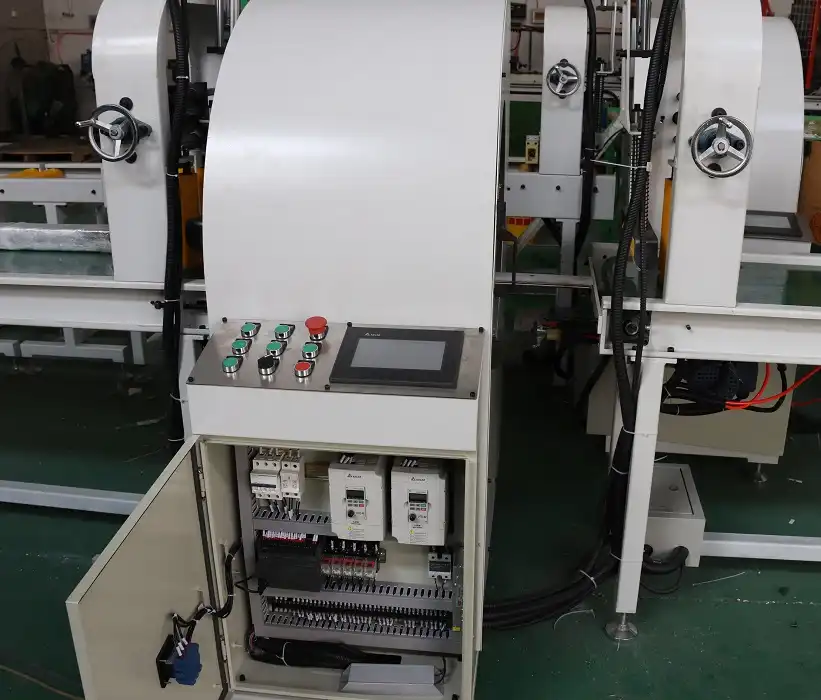
Australia has one of the highest minimum wages in the world. This is good for workers. But it presents a clear challenge for manufacturers. They need to manage operational costs very carefully. Industries that handle large, heavy, or bulky items feel this pressure even more. These industries include steel processing, timber production, and heavy manufacturing. These sectors often rely on manual labor for many tasks. This includes packaging. Manual packaging is slow and expensive. It also carries risks for workers.
When I started my own packing machine factory, I understood this problem well. I saw how much time and money companies lost because of outdated manual processes. Australian businesses need solutions that can do more work with fewer people. They need machines that can perform tasks faster and more safely. Automation is not just about saving money. It is also about making production lines more stable. It helps reduce errors. It frees up workers for more skilled jobs. This shift makes the entire operation more resilient. It helps businesses grow. It allows them to invest in innovation. This is very important in today’s fast-moving market.
Key Factors Driving Automation in Australia
| Factor | Impact on Business | Automation Solution |
|---|---|---|
| High Labor Costs | Reduced profit margins; difficulty competing globally | Replaces manual labor; reduces wage expenses |
| Worker Shortages | Production delays; inability to meet demand | Fills labor gaps; ensures consistent output |
| Safety Regulations | High insurance costs; potential fines; worker injuries | Minimizes manual handling of heavy items; reduces risks |
| Global Competition | Pressure to lower prices; need for faster delivery | Increases efficiency; lowers production costs |
| Demand for Quality | Need for consistent product presentation; less damage | Provides uniform packaging; protects products better |
How Do Orbital Stretch Wrappers Automate End-of-Line Packaging?
Many factories still use manual ways to package their products. This can be slow. It can also be very risky. When products are long or heavy, like steel coils or pipes, packaging becomes a big problem. It creates bottlenecks at the end of the production line. This slows down everything else.
Orbital stretch wrappers automate the wrapping of long, bulky items. They replace old manual processes. This greatly increases how much product a factory can handle. They make packaging faster and more consistent.
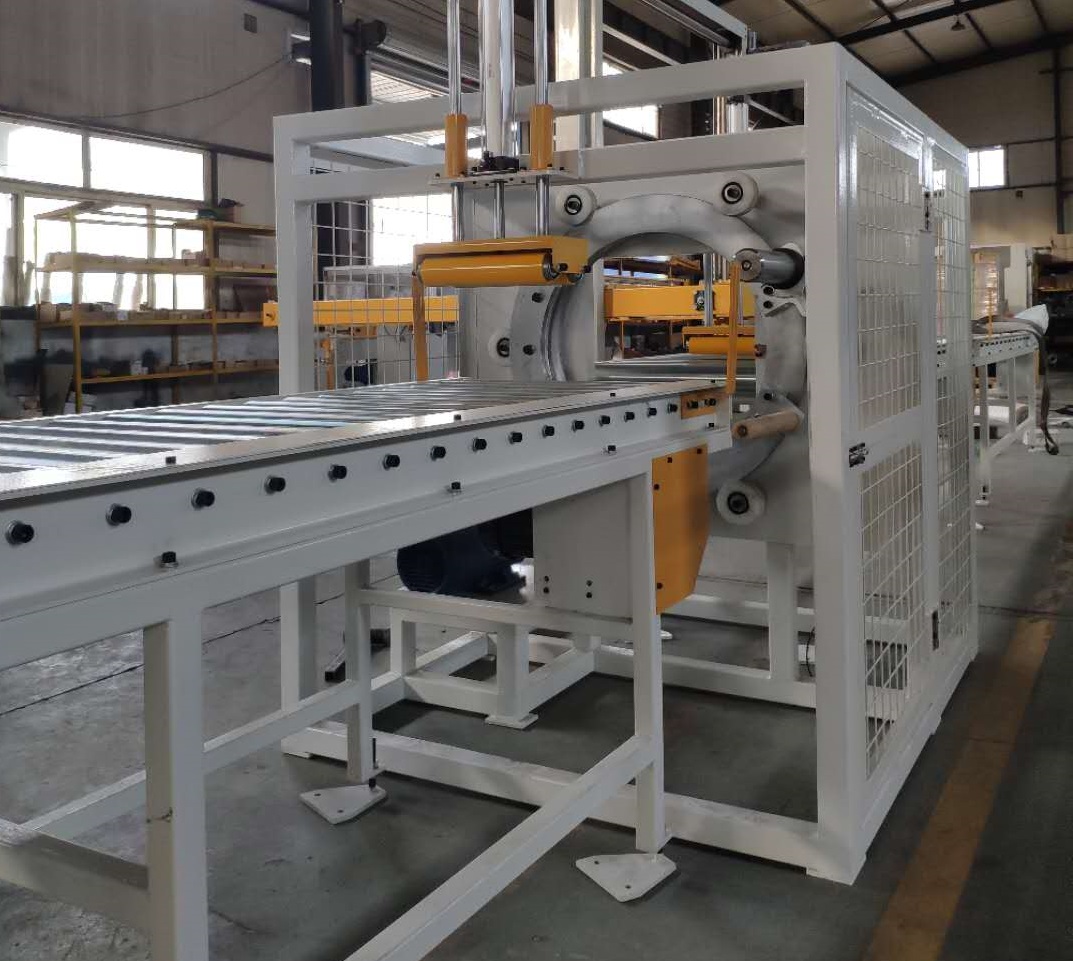
Orbital stretch wrappers are designed for products that are hard to wrap with traditional machines. These products include steel coils, aluminum profiles, timber bundles, pipes, and cables. Instead of the product spinning, a wrapping ring moves around the product horizontally. The product stays still on a conveyor. This ring wraps film tightly around it. This creates a strong, protective package. It keeps the product safe during transport and storage.
I saw this need many years ago when I worked in a packing machine factory. Manual wrapping of these items was always a headache. It took many workers. It was slow. The quality of the wrap was often not good. An orbital wrapper solves these problems. It does the job much faster. It uses less film. It also makes sure every package looks the same. This is important for product quality. It also helps with branding. Machines can wrap odd shapes that humans cannot wrap well. This means fewer damaged goods. It means happier customers. This system also works well with other machines on the line. It can connect with conveyors. It can connect with automatic loading and unloading systems. This creates a fully automated end-of-line solution.
How Orbital Wrappers Revolutionize Packaging
| Feature | Manual Process Disadvantage | Orbital Wrapper Advantage |
|---|---|---|
| Wrapping Motion | Product often spun manually or on turntable; unstable | Rotating ring wraps stationary product; very stable |
| Product Shape | Difficult for long, irregular items | Designed for long, bulky, and irregular shapes |
| Speed | Very slow; dependent on worker speed | High speed; consistent wrapping cycles |
| Film Use | Inconsistent; often wasteful | Optimal film tension and overlap; reduces waste |
| Labor Requirement | High; multiple workers often needed | Low; often one operator to monitor multiple machines |
| Wrap Quality | Varies widely by worker | Consistent, tight, and uniform wrap every time |
| Safety | High risk of injury from heavy lifting | No manual lifting or stretching required for packaging |
Can Orbital Wrappers Truly Reduce Labor Costs and Enhance Workplace Safety?
Manual handling of heavy goods is a major problem for factories. It requires many workers. This drives up labor costs. It also creates big safety risks. Workers can get hurt lifting heavy items. This leads to higher insurance costs. It also means more worker turnover. Businesses are always looking for ways to cut these costs and protect their people.
Orbital wrappers greatly reduce the need for manual labor in packaging. This cuts down on wage costs. It also minimizes how much workers handle heavy products. This makes the workplace much safer.
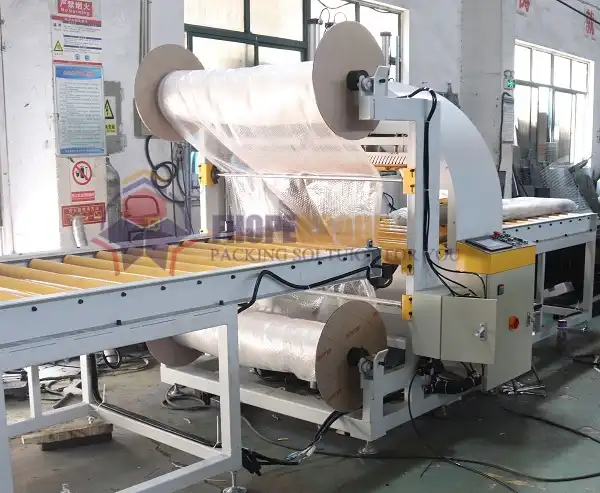
Think about a factory manager like Michael Chen. He is under pressure to improve output and cut costs. At the same time, he must keep his team safe. Manual wrapping of large steel coils or bundles of pipes is dangerous work. Workers must lift, rotate, and stretch film around heavy items. This can cause muscle strain, back injuries, or even crushing accidents. My journey from an employee to a factory owner taught me the true value of every person’s safety. When a worker gets hurt, it is not just a cost. It is a human impact.
Orbital stretch wrappers take workers out of these dangerous roles. The machine does the heavy lifting and wrapping. One person can supervise several machines. This means fewer people are needed for packaging. It lowers direct wage costs. It also lowers indirect costs. These costs include worker’s compensation, health benefits, and hiring new staff. By making the workplace safer, companies also see less lost time from injuries. They have happier employees. This leads to a more stable workforce. It also shows a real commitment to worker well-being. This is very good for a company’s reputation.
Dual Benefits of Orbital Wrappers: Cost and Safety
| Area | Impact Without Orbital Wrapper | Impact With Orbital Wrapper |
|---|---|---|
| Labor Costs | High wages for manual packaging; overtime pay | Significantly reduced manual labor; lower wage bill |
| Injury Risk | High incidence of back injuries, strains, crushing | Minimal worker interaction with heavy items; lower injury rates |
| Insurance Premiums | Higher premiums due to higher risk of claims | Lower premiums due to improved safety record |
| Worker Turnover | High turnover due to physically demanding, risky work | Improved worker satisfaction; lower turnover rates |
| Product Damage | Increased risk during manual handling and wrapping | Less product damage due to automated, consistent process |
| Productivity | Slow packaging speeds; frequent bottlenecks | Faster, continuous packaging; higher overall throughput |
What is the Return on Investment (ROI) for Integrating Orbital Wrapping Machines?
Investing in new machinery can seem like a big expense. Some business owners worry about whether they will get their money back. They want to see a clear benefit for their investment. They need to know if the equipment will really help them save money and grow.
Businesses get a fast return on investment from orbital wrappers. This comes from many areas. They save money on labor. They use less material. They have less product damage. They also produce more goods overall.

Calculating ROI for an orbital wrapper is straightforward. First, look at direct labor savings. If you replace two or three workers on a packaging line with one machine operator, the wage savings alone are significant. This is especially true in Australia where labor costs are high. Second, consider material savings. Orbital wrappers use film very efficiently. They stretch it better. They apply it more consistently. This means less film waste compared to manual wrapping. My experience has taught me that even small savings on consumables add up quickly.
Third, think about product damage. Manual handling can lead to scratches or dents on products like steel coils. These damages result in customer complaints and lost profits. An automated wrapper provides consistent, secure packaging. This greatly reduces product damage. This boosts customer satisfaction. It also saves money from rework or scrap. Finally, increased throughput adds to ROI. When packaging is faster, the whole production line moves quicker. This means you can produce more. You can also meet higher customer demand. All these factors combine to show a strong financial case for investing in orbital stretch wrappers.
Key Components of Orbital Wrapper ROI
| ROI Component | How Orbital Wrappers Deliver Value | Example Savings |
|---|---|---|
| Labor Cost Reduction | Replaces multiple manual operators with fewer machine supervisors. | Save 2-3 full-time wages per year. |
| Material Efficiency | Uses stretch film more effectively, less waste from inconsistent wrapping. | 15-30% reduction in film consumption. |
| Reduced Product Damage | Consistent, secure wrapping prevents scratches, dents, and shifting. | Fewer customer returns; lower scrap rates; better reputation. |
| Increased Throughput | Faster packaging speeds eliminate bottlenecks; enables higher production. | 20-50% faster packaging cycle times; more units shipped. |
| Safety Cost Savings | Fewer workplace injuries reduce workers’ compensation and insurance. | Lower insurance premiums; less downtime from injuries. |
| Improved Quality | Uniform packaging enhances brand image and customer satisfaction. | Increased customer loyalty; potential for higher sales. |
How Can You Choose the Right Partner for Your Packaging Automation Journey?
Many businesses have dealt with equipment suppliers who only care about making a sale. They do not offer good service after the purchase. This can make people careful about choosing new partners. It is hard to trust someone with a big investment like a new packaging machine.
Choosing a knowledgeable and reliable supplier for orbital wrappers is very important. It makes sure the machine works well. It also provides long-term support. This helps your factory get the most benefits from its operations.

When I built my factory, I learned what it means to be a true partner. It is not just about selling a machine. It is about understanding the customer’s problems. It is about giving insights and solutions. A good supplier will listen to your challenges. They will ask about your production bottlenecks. They will consider your safety concerns. They will offer solutions that fit your specific needs. They will not just try to sell you the most expensive model.
Look for a partner who has deep industry experience. They should know about coil packing or steel wire packing. They should understand the tough conditions in heavy manufacturing. They should offer strong after-sales service. This includes installation, training, and maintenance support. This ensures your machine keeps running smoothly for many years. A reliable partner will be there for you. They will help you solve problems. They will help you grow your business. This is what FHOPEPACK aims to be for every client. My goal is to share what I learned on my journey to financial independence through this industry. I want to help you achieve your own success.
Traits of a Reliable Packaging Automation Partner
| Trait | Why It Matters | What to Look For |
|---|---|---|
| Industry Expertise | Understands specific challenges of heavy industries and materials. | Years of experience; case studies with similar clients; deep knowledge of coil/steel wire packing. |
| Customization Ability | Can tailor solutions to fit unique product sizes and factory layouts. | Engineers who can modify standard designs; willingness to listen to specific needs. |
| After-Sales Service | Ensures smooth operation, minimizes downtime, prolongs machine life. | Clear service agreements; quick response times for issues; availability of spare parts; training programs. |
| Technical Support | Provides ongoing assistance for troubleshooting and optimization. | Dedicated support team; remote diagnostics capabilities; proactive maintenance advice. |
| Proven Track Record | Demonstrates success in helping other businesses achieve goals. | Client testimonials; long-standing reputation; successful factory installations. |
| Partnership Approach | Focuses on understanding your business needs, not just selling. | Consultative sales approach; asks questions about your pain points; offers insights. |
Conclusion
Orbital stretch wrappers are a smart investment for Australian businesses. They cut labor costs and improve safety. They offer a strong return on investment. Choose a good partner to maximize these benefits.








