
How Can Operators in Vietnam Troubleshoot Common Coil Upender Issues?
Running a busy factory, especially in a place like Vietnam, means every machine counts. When a coil upender stops working, your whole production line can slow down. This quickly leads to big problems like lost output and missed deadlines. I know this from my own time on the factory floor and building my own packing machine business. Downtime is a killer.
Operators in Vietnam can troubleshoot common coil upender issues by first checking power connections and safety systems, then inspecting hydraulic fluid levels and motor sounds, and finally looking at the mechanical parts for wear or blockage. Always follow the machine’s manual and use proper safety gear to fix problems quickly and safely.

You want to keep your upenders running smoothly. You need to fix problems fast. This guide will help you understand common issues. It will show you how to tackle them. Let’s look at the main problems operators face and how to solve them.
Why is My Coil Upender Not Starting or Responding?
Imagine your coil upender. It sits there, silent. You press the start button. Nothing happens. This can feel frustrating. It brings your whole production to a halt. When a machine does not start, it often points to a power problem or a safety issue. These are often easy to fix if you know where to look.
A coil upender that does not start often has a power supply problem. It might also have a tripped safety switch. Operators in Vietnam should first check the main power breaker. Then, they should look at all emergency stop buttons. Make sure no buttons are pushed in. Also, check limit switches. These can prevent the machine from starting if they are not in the correct position.
When a coil upender fails to start, my mind goes back to my early days. I remember a new engineer thinking a machine was broken. It was just a simple power trip. This is a common situation for many factories, especially in high-demand environments. First, check the power source. Is the main power switch on? Is the circuit breaker tripped? Sometimes, power fluctuations can cause a trip. Ensure all power cables are securely connected. Loose connections can prevent power from reaching the motor or control panel. Next, look at the emergency stop buttons. These are crucial safety features. If any emergency stop button is pressed, the machine will not operate. Twist it to release it. Check if any safety interlock switches are engaged. These switches are often found on guards or access panels. If a guard is open, the machine will not start. Make sure all guards are closed and latched correctly. Sometimes, a faulty sensor or a misaligned limit switch can also prevent starting. A limit switch tells the machine its position. If it thinks it is in the wrong place, it will not move. Check the wiring for these components. Look for any visible damage or loose wires. Use a multimeter to test for voltage at key points. This helps confirm power flow. Always do this safely. Turn off the main power first when checking wires. This protects you from electrical shock.
What Causes My Coil Upender to Make Unusual Noises or Vibrations?
You are working near your upender. Suddenly, you hear a new sound. Maybe it is a grinding noise. Maybe it is a loud squeal. Or you feel strong vibrations. These are clear signs of trouble. Ignoring them can lead to bigger breakdowns. Early detection of these sounds can save you a lot of money and time.
Unusual noises or vibrations from a coil upender often point to mechanical wear. They can also show loose parts or a need for lubrication. Operators in Vietnam should check for worn bearings. They should look for loose bolts. They should also check if the motor or gear reducer needs oil. Listen carefully to locate the sound’s source. This helps identify the part that needs attention.
In my factory, we learned to trust our ears. A small change in sound could mean a big problem was coming. For instance, a high-pitched squeal often means bearings are dry or worn out. Bearings help parts move smoothly. If they wear down, friction increases. This causes heat and noise. Vibrations can come from an unbalanced load. They can also come from a motor that is not sitting right. Check all mounting bolts. Make sure they are tight. Loose bolts can cause parts to shift. This leads to vibration. Look at the gears in the reducer. Are they chipped? Are they misaligned? Worn gears create grinding noises. They can also cause rough movement. Lubrication is key. An upender has many moving parts. They need oil or grease. If parts are dry, they rub together. This creates noise and wear. Check the lubrication points regularly. Follow the manufacturer’s schedule. Also, inspect the motor itself. Sometimes, the motor’s internal bearings can fail. This causes a loud hum or whine. If you suspect a motor issue, it might need professional repair. Vibrations can also mean the machine is not level. Use a spirit level to check its base. An uneven base can put stress on components. This causes uneven wear and noise.
How Can I Fix Hydraulic Leaks or Pressure Problems in My Coil Upender?
Hydraulic systems are the muscle of many coil upenders. They lift and rotate heavy coils. If you see oil leaking, or if the upender moves slowly or weakly, you have a hydraulic problem. These issues can seriously affect the machine’s performance. They also pose a safety risk due to slippery floors.
Operators in Vietnam should address hydraulic leaks by checking hoses for cracks or worn seals. They should look for loose fittings. Low pressure might mean low fluid levels. It could also mean a faulty pump or a blocked filter. Top up fluid if needed. Replace damaged parts. Clean the filter.
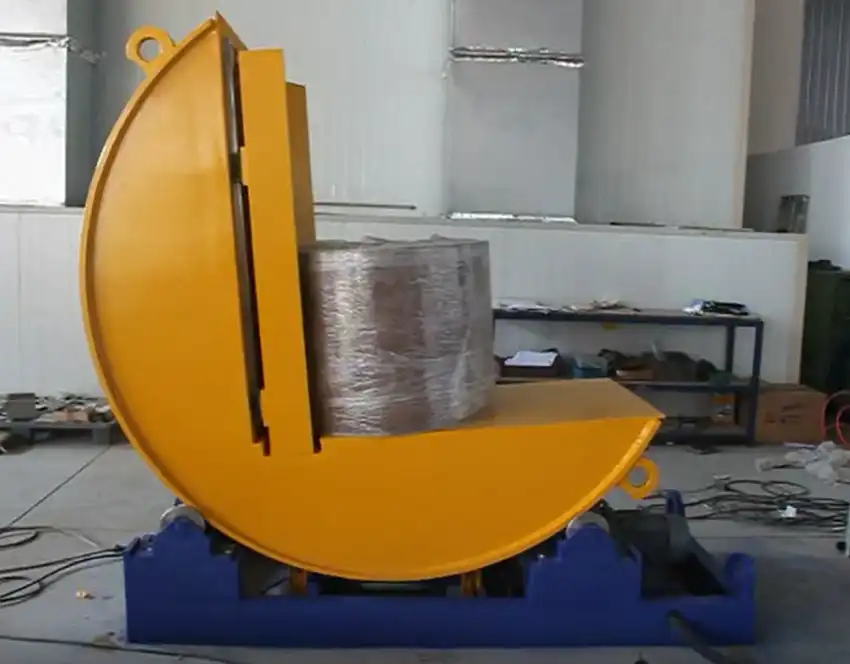
Hydraulic issues were always a concern in my coil packing operations. Michael Chen, a factory manager, knows the pain of slow, weak machines. He also knows about the safety risks from oil spills. The first thing to do for a leak is find the source. Look along all hoses and pipes. Check around cylinders and valves. Small cracks in hoses can grow into big leaks. Worn seals in cylinders or around fittings are common culprits. Replace any damaged hoses or seals quickly. Make sure all fittings are tight. Do not over-tighten them. This can damage the threads. Low hydraulic pressure means the machine cannot lift or flip coils with full power. This is often because the fluid level is too low. Check the hydraulic fluid reservoir. Fill it to the correct level with the right type of hydraulic oil. Low fluid means air can get into the system. Air makes the system spongy and weak. Another common cause of low pressure is a clogged filter. The hydraulic fluid filter keeps the system clean. If it gets dirty, fluid cannot flow freely. Replace or clean the filter regularly. A failing pump can also cause low pressure. The pump is what moves the fluid. If it sounds noisy or is not pushing enough fluid, it might be faulty. This needs a specialist. Sometimes, a relief valve is stuck open. This lets fluid bypass the system. It reduces pressure. These valves control maximum pressure. If they stick, the system loses power. These problems affect more than just machine speed. Leaks create slip hazards for workers. They also waste expensive hydraulic fluid. Addressing these issues quickly protects both your equipment and your people.
Why Does My Coil Upender Not Flip or Rotate Correctly?
Your upender is supposed to take a coil from one position and flip it to another. If it starts to move slowly, jerky, or stops halfway, it is a big problem. This directly impacts your production flow. It can also damage the coil itself. This means customer complaints and lost profits.
When a coil upender does not flip or rotate correctly, it often points to a control system issue. It can also mean mechanical binding or improper load placement. Operators in Vietnam should check sensors. They should also check wiring. They should look for obstructions in the path of movement. Make sure the coil is centered correctly on the platform.

Michael Chen’s concern about product damage is real. A faulty upender can smash coil edges. This causes customer complaints. It costs money. When the upender does not flip right, first check the coil. Is it centered? Is its weight within limits? An off-center or overweight coil can stress the machine. It can prevent smooth operation. Second, check the sensors. Upenders use sensors to know the coil’s position. If a sensor is dirty, damaged, or misaligned, it might give wrong readings. This makes the machine act erratically. Clean sensors carefully. Check their alignment. Next, look at the mechanical path of movement. Are there any obstructions? Is there debris on the tracks or pivot points? Sometimes, small pieces of material or tools can get in the way. They can cause binding. The mechanical parts that do the flipping, like gears or chains, might be worn. Check for excessive play. Look for broken teeth on gears. If the machine uses chains, check their tension. Make sure they are not stretched or loose. These components need regular inspection. The control system itself can have issues. This includes the PLC (Programmable Logic Controller). This is the brain of the machine. If the PLC has a fault, or if its programming is corrupted, the upender will not follow commands correctly. This usually needs a qualified technician. Bad wiring or loose connections in the control panel can also cause intermittent failures. Check all wires for damage. Make sure connections are tight. Sometimes, the motor driving the flipping mechanism might be weak or failing. This would make the movement slow or stop it completely. These issues can be complex. Start with the easy checks. Then move to the more technical ones.
What Are My Key Insights for Preventing Upender Downtime in Vietnamese Factories?
My journey from a factory employee to a factory owner taught me one big lesson. Prevention is always better than cure. This holds true for coil upenders. Especially in demanding environments like those in Vietnam. Keeping these machines running means thinking ahead. It means investing in the right practices.
My key insights for preventing upender downtime in Vietnamese factories focus on proactive maintenance. They also focus on operator training. Invest in reliable, high-quality machines from trusted partners. Implement a strict schedule for inspections, lubrication, and part replacement. Train operators to spot early warning signs and follow safety protocols.
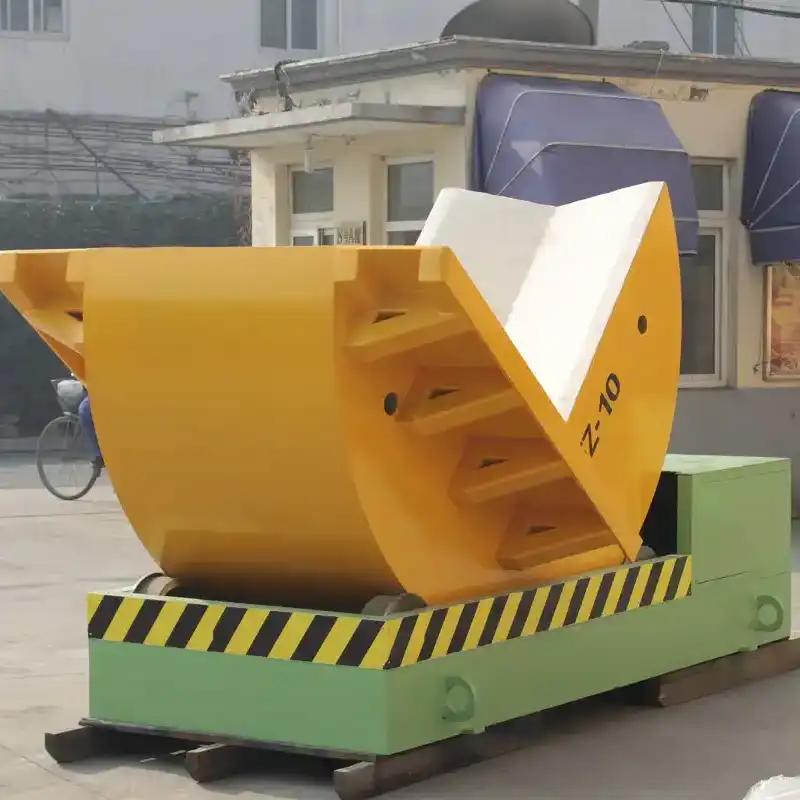
I have seen countless factories struggle with downtime. Many of them face the same challenges Michael Chen does: efficiency bottlenecks, safety risks, and supplier trust issues. My advice starts with understanding your partner. Do not just buy a machine. Find a supplier who understands your production. Find someone who cares about your long-term success. This is what FHOPEPACK aims to be.
My Personal Insights on Preventing Downtime:
- Regular, Scheduled Maintenance is Non-Negotiable:
- Daily Checks: Operators should check fluid levels, listen for unusual sounds, and look for leaks or loose parts before each shift. This takes minutes but can prevent hours of downtime.
- Weekly Checks: Perform a more detailed visual inspection. Clean sensors and filters. Check the tension of chains or belts.
- Monthly/Quarterly Checks: A qualified technician should perform these. They should check electrical connections, hydraulic pressure, and wear on critical components like bearings and gears. This often involves specific tools and knowledge.
- Lubrication Schedule: Stick to the lubrication schedule in your manual. Different parts need different types of grease or oil. Proper lubrication reduces friction. It extends component life. It prevents unexpected breakdowns.
- Invest in Quality Equipment and Spare Parts:
- Cheap machines often lead to expensive problems. A robust upender built for heavy industrial use will last longer. It will perform better. It will require less frequent repairs. Think about the total cost over the machine’s life, not just the purchase price.
- Keep critical spare parts on hand. This includes common wear items like seals, filters, and certain sensors. Waiting for parts to ship, especially internationally, costs you time and money.
- Comprehensive Operator Training:
- Your operators are your first line of defense. They need to understand how the upender works. They must know how to operate it safely. They also need to know how to perform basic troubleshooting.
- Train them to recognize abnormal noises, vibrations, and movements. Teach them how to properly load and unload coils. This prevents misuse and damage to the machine and the product.
- Emphasize safety protocols at all times. Proper training reduces accidents and injuries. This lowers insurance costs. It also keeps your workforce stable.
- Partner with a Knowledgeable Supplier:
- I founded FHOPEPACK because I saw a need for true partnership. You want a supplier who knows packing machines inside and out. They should understand your production challenges. They should offer solutions, not just sell equipment.
- A good partner provides excellent after-sales support. They should offer technical advice. They should have parts availability. They should be there when you need them most. Michael Chen’s past experiences with poor after-sales service highlight this need.
- Seek advice from experts who have real-world factory experience. They can provide insights into optimizing your process. They can help you achieve a faster ROI on your investment.








