
How Can Mexican Factories Solve Production Bottlenecks and Improve Safety Benefits Through Automated Packaging Lines?
The daily grind in a busy factory, especially in heavy industries like metal processing, often feels like a constant battle. You are pushing for higher output, tight cost control, and ensuring everyone goes home safe at the end of the day. I have been there, on the factory floor, and later, building my own packing machine factory. I understand the pressure. For many factory managers in Mexico, like Jose, the struggle to balance these demands with outdated manual processes can feel overwhelming.
Modern Mexican factories are increasingly turning to automated packaging lines as a strategic solution to overcome severe production bottlenecks, significantly enhance workplace safety, and drive long-term cost efficiencies. By integrating smart packing equipment for items like steel coils and wire, these industrial facilities can streamline operations, reduce human error, and protect their valuable workforce from handling heavy, hazardous materials, paving the way for sustainable growth and competitive advantage in the global market.

The challenges faced in a metal processing plant are complex. From slow processes to critical safety concerns and even damaged products, these issues chip away at your profitability and peace of mind. But what if there was a clear path to not just fix these problems, but to transform your entire operation? Let’s explore how strategic automation can make a real difference for factories like yours in Mexico.
1. Why Do Mexican Heavy Industrial Factories Urgently Need Automated Steel Coil Packing Solutions?
Are you feeling the pinch of outdated methods, where every step of your packing process costs you time, money, and puts your team at risk? For many factory managers in Mexico’s robust industrial sector, the answer is a resounding yes. The traditional ways of handling and packing heavy materials like steel coils or wire are no longer sustainable in today’s fast-paced, competitive market.
Mexican heavy industrial factories face an urgent need for automated steel coil packing solutions due to critical inefficiencies stemming from manual processes, including slow operational speeds, high labor costs, inconsistent product quality leading to damage, and significant occupational safety risks for workers handling heavy materials. These pressing challenges demand modernization to maintain competitiveness, enhance worker protection, and meet stringent global supply chain demands, making automation a necessary strategic investment for facilities handling metal products and other heavy goods.

My journey in the packing machine industry has shown me countless times how manual processes, while seemingly cost-effective initially, become major drains over time. In a country like Mexico, with a growing manufacturing base, the pressure to optimize is higher than ever. These factories are often dealing with high volumes of heavy goods. Think about steel coils, wire coils, and other finished metal products. Moving and packing these by hand is not only slow but also incredibly dangerous. This leads to what Jose, a factory manager I know, describes as “efficiency bottlenecks.” This means your production line’s end cannot keep up with its beginning. This creates delays and hurts your delivery times. Also, relying heavily on manual labor means higher operational costs in the long run. This includes wages, overtime, and the hidden costs of injuries. These factors push Mexican manufacturers to look for smarter ways to pack. They need solutions that can handle the intensity and volume of their work.
The Hidden Costs of Manual Coil Packing in Mexico
Manual packing might seem cheaper at first glance. However, the true cost goes much deeper. It affects everything from your daily output to your long-term financial health. Let’s break down some of these often-overlooked expenses:
-
Slow Throughput and Lost Production Capacity:
- Manual handling of heavy steel coils or wire coils is inherently slow. Each coil takes time to position, wrap, and secure.
- This slowness creates a bottleneck at the end of the production line. Your expensive machinery upstream might finish products quickly, but they then sit waiting to be packed.
- The result is reduced overall factory output. You produce less in the same amount of time. This translates directly to lost revenue opportunities for your Mexican factory.
- For example, if an automated system can pack a coil in 2 minutes compared to 10 minutes manually, the difference in daily output is massive.
- (long-tail keyword: slow coil packing throughput Mexico)
-
Elevated Labor Costs and Workforce Challenges:
- Manual packing requires a significant number of workers. This means higher wages, benefits, and overtime costs.
- The repetitive, heavy nature of the work often leads to high employee turnover. Training new staff is expensive and time-consuming.
- Finding skilled labor willing to do such demanding physical work is also becoming harder in Mexico’s evolving job market.
- Automation reduces the need for constant heavy lifting. It allows your workforce to focus on more skilled tasks. This boosts job satisfaction and reduces turnover.
- (long-tail keyword: high labor costs manual coil wrapping)
-
Increased Risk of Product Damage and Rework:
- During manual handling and packing, heavy items like steel coils are prone to damage. Edges can get dented. Surfaces can get scratched.
- Each damaged product means rework, scrap, or customer complaints. These lead to significant financial losses.
- Automated systems provide consistent, gentle handling. They apply uniform wrapping tension. This protects the product from damage during packing and transport.
- (long-tail keyword: steel coil edge damage manual packing)
-
Significant Safety Hazards and Associated Costs:
- This is perhaps the most critical concern. Manually moving and securing heavy coils presents a high risk of worker injuries.
- Sprains, strains, crushed limbs, and even more severe accidents are common. This is a reality I have seen too many times.
- These injuries lead to increased insurance premiums, workers’ compensation claims, and lost productivity. They also hurt employee morale.
- Automated systems drastically reduce human interaction with heavy loads. This moves workers out of harm’s way. This directly improves the safety record of your facility.
- (long-tail keyword: occupational safety risks heavy coil handling)
Addressing these challenges with automation is not just an upgrade. It is a fundamental shift towards a more efficient, safer, and profitable future for Mexican factories. (long-tail keyword: automated packing solutions for Mexico heavy industry)
2. How Can Introducing Automation Effectively Boost a Factory’s Production Efficiency and Process Flow?
The thought of overhauling existing systems can be daunting. But imagine a scenario where your production line flows smoothly, without hitches or slowdowns. Many factory managers, like Jose, worry about the disruption of new equipment. However, the right automation, carefully integrated, can be a game-changer for efficiency.
Introducing automation, specifically through advanced coil packing lines, can dramatically boost a factory’s production efficiency and process flow by eliminating manual bottlenecks, ensuring consistent operational speeds, and integrating various packing stages into a seamless, continuous system. This shift minimizes human intervention, reduces cycle times for steel coil wrapping and wire coil packaging, and allows for better resource allocation, ultimately leading to higher output, faster delivery times, and a more predictable manufacturing schedule for industrial facilities in Mexico.

My experience running a factory showed me that true efficiency comes from a holistic view of the production process. It is not just about making one part faster. It is about making the whole system work together. When we talk about automation for packing lines, we are talking about creating a continuous, uninterrupted flow from the finished product to shipping. This means the time between a coil being ready and it being packed is greatly reduced. It also means less waiting time for forklift operators and logistics teams. Automated systems, like those FHOPEPACK designs, are built for precision and speed. They handle the repetitive tasks quickly and accurately. This frees up your human workforce for more complex, decision-making roles. This approach significantly impacts overall productivity and streamlines the entire operation.
Manual vs. Automated Packing: A Productivity Comparison for Mexican Factories
Let’s look at a clear comparison. This shows the direct impact of automation on key performance indicators for a typical Mexican metal processing plant.
| Feature | Manual Packing Process (Typical) | Automated Packing Process (FHOPEPACK Solution) | Impact on Mexican Factories |
|---|---|---|---|
| Speed/Throughput | Slow, highly variable. Depends on worker fatigue and skill. | Fast, consistent. E.g., a steel coil packing line can wrap 15-30 coils per hour. | ⬆️ Significantly higher output. Reduces bottlenecks at the end of the line. Enables faster order fulfillment and higher revenue potential for Mexican manufacturers. |
| Labor Requirement | High. Multiple workers needed for heavy lifting, wrapping, and securing each coil. | Low. 1-2 operators to monitor the machine and manage material flow. | ⬇️ Reduced labor costs. Frees up skilled workers for other tasks. Addresses labor shortages in heavy industries and improves overall workforce efficiency. |
| Consistency | Variable. Wrapping tension, overlap, and protection can differ between workers and shifts. | High. Machine applies uniform wrapping parameters every time. | ⬆️ Improved product quality. Reduces product damage during packing and transit. Leads to fewer customer complaints and preserves brand reputation for products shipped from Mexico. |
| Operational Hours | Limited by shift changes, breaks, and worker endurance. | Can run continuously 24/7 with minimal supervision. | ⬆️ Maximized uptime. Increases total production capacity, especially for high-demand periods or factories operating multiple shifts. This is vital for meeting export targets from Mexico. |
| Integration | Disconnected. Often requires manual transfer between production and packing areas. | Seamlessly integrates with upstream production lines and downstream logistics. | ⬆️ Smoother process flow. Eliminates manual transfer points, reducing handling time and risks. Creates a unified, efficient production system, optimizing the entire value chain in Mexican manufacturing. |
| Data & Control | Minimal data collection. Quality control is manual and subjective. | Advanced systems can offer data on packing speed, material consumption, and diagnostics for proactive maintenance. | ⬆️ Better decision-making. Provides valuable insights for process optimization, inventory management, and predictive maintenance. Enhances overall operational intelligence for Mexican industrial plants. |
(long-tail keyword: automated packing line efficiency Mexico)
By understanding these direct comparisons, factory managers in Mexico can see a clear path to significant improvements. It’s not just about adding a machine. It’s about optimizing your entire workflow for speed, reliability, and precision. (long-tail keyword: industrial automation Mexico manufacturing)
3. How Can Automated Packaging Lines Fundamentally Improve the Occupational Safety Environment in Mexican Factories?
Worker safety is not just a regulatory requirement; it is a moral imperative and a core value for any responsible factory owner or manager. The heavy metal industry in Mexico, with its demanding physical tasks, often presents significant safety challenges. Manual handling of bulky, heavy coils has always been a high-risk area.
Automated packaging lines fundamentally improve the occupational safety environment in Mexican factories by drastically reducing or eliminating human interaction with heavy and potentially hazardous materials like steel coils and wire. These advanced systems minimize manual lifting, twisting, and repetitive motions, thereby lowering the risk of musculoskeletal injuries, crushing accidents, and strains. By removing workers from dangerous points of operation and automating the entire packing process, factories can cultivate a safer workplace, reduce accident rates, and ensure compliance with safety regulations, protecting their most valuable asset: their employees in industrial Mexico.

Safety has always been a top priority for me, both as an employee and as a factory owner. I have seen firsthand the devastating impact of workplace accidents. When Jose mentioned the “safety hazards” of manual handling, it resonated deeply. Injuries are not just bad for the individual; they hurt morale, disrupt production, and can lead to costly insurance claims. Automated packaging lines are designed with safety at their core. They take over the most dangerous, repetitive, and physically demanding tasks. This allows human operators to work in a safer environment, supervising the process rather than physically engaging with heavy loads. It is a win-win: improved efficiency and, more importantly, a dramatically safer workplace for the dedicated teams in Mexican factories.
Key Safety Benefits of Automated Packing for Heavy Materials in Mexico
Automating your packing process does more than just speed things up; it redefines the safety standards within your facility. Here’s how:
-
Elimination of Manual Heavy Lifting 🚫:
- Manual coil packing involves workers physically lifting, pushing, and positioning heavy steel or wire coils. This is a primary cause of back injuries, sprains, and muscle strains.
- Automated systems use conveyors, manipulators, and robotic arms to handle the entire coil. Workers only supervise the process from a safe distance.
- This eliminates the need for direct physical contact with heavy loads. It drastically reduces the risk of common workplace injuries in Mexican heavy industry.
- (long-tail keyword: eliminate manual heavy lifting industrial)
-
Reduced Risk of Crushing and Impact Accidents 🛡️:
- Moving large, heavy coils manually carries a high risk of crushing accidents if they shift or fall. This risk is amplified in crowded or fast-paced environments.
- Automated packing lines often include safety features like interlocks, sensors, and emergency stops. These prevent operation when a person is too close.
- The controlled movement of coils by machinery minimizes the chance of unexpected shifts or falls. This creates a much safer zone around the packing area.
- (long-tail keyword: reduced crushing accidents factory)
-
Minimized Repetitive Strain Injuries (RSIs) 🩺:
- Repetitive actions like wrapping, strapping, and securing coils manually can lead to chronic musculoskeletal disorders over time.
- Automation takes over these repetitive motions entirely. This preserves the long-term health and well-being of your workforce.
- Workers are no longer subjected to the daily grind of repetitive tasks. This leads to a healthier workforce and fewer injury-related absences.
- (long-tail keyword: prevent repetitive strain injuries automation)
-
Controlled and Predictable Operations ✅:
- Human error is a significant factor in many workplace accidents. Fatigue, distraction, or misjudgment can lead to incidents.
- Automated systems perform tasks with consistent precision. This removes the variable of human error from dangerous operations.
- The predictable nature of machine operation makes the packing area safer and easier to manage. This allows for better safety planning and risk assessment.
- (long-tail keyword: predictable automated packing operations)
-
Improved Compliance and Lower Insurance Costs 📈:
- A safer workplace means fewer accidents. This translates to lower workers’ compensation claims and reduced insurance premiums.
- Implementing state-of-the-art automated safety features also helps Mexican factories meet and exceed national and international occupational safety standards.
- This demonstrates a commitment to employee welfare. It also strengthens your factory’s reputation as a responsible employer.
- (long-tail keyword: lower insurance costs factory automation)
Investing in automated packaging for heavy coils is a clear statement. It says you prioritize the safety and well-being of your employees above all else. This not only protects your team but also safeguards your business from the significant financial and reputational costs of workplace accidents. (long-tail keyword: occupational safety improvement Mexico factories)
4. What Long-Term Financial Returns Can Investing in Automated Packaging Lines Bring to Mexican Factories?
For any factory manager, the bottom line is crucial. Investments must make financial sense. Jose, like many others, needs a clear return on investment (ROI). He has faced suppliers who are “sales-focused” and lack good after-sales service. This experience makes him cautious. So, the question remains: Beyond efficiency and safety, what concrete financial benefits can automated packing lines deliver for a Mexican factory?
Investing in automated packaging lines for heavy materials, such as steel coils and wire, can bring significant long-term financial returns to Mexican factories through a combination of reduced operational costs, enhanced productivity, minimized product damage, and increased customer satisfaction. This strategic investment leads to a strong return on investment (ROI) by cutting labor expenses, lowering insurance premiums, decreasing material waste, and allowing for higher production volumes, ultimately boosting overall profitability and strengthening a factory’s competitive position in the Mexican and broader Latin American markets.
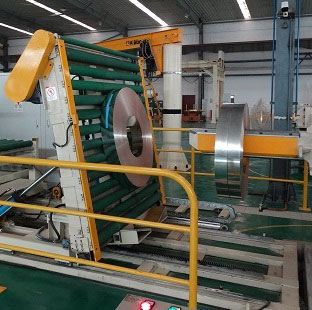
My own experience building FHOPEPACK taught me the importance of smart investments. It is not just about buying a machine. It is about investing in a solution that pays for itself over time. For factory managers in Mexico, the ROI of automation is often much quicker than they think. When we look at the whole picture, the savings from reduced labor, less product waste, lower insurance costs, and higher output add up quickly. I always tell my clients, “Don’t just look at the price tag; look at the lifetime value.” A well-designed, reliable automated system, like those FHOPEPACK provides, becomes a profit center, not just an expense. It allows your factory to produce more, safer, and at a lower cost per unit. This directly impacts your company’s profitability and market position.
Quantifying the ROI: Financial Benefits of Automation for Mexican Manufacturers
Let’s break down the tangible financial benefits that a Mexican factory can expect from embracing automated packing solutions.
-
Significant Labor Cost Reductions 💰:
- Automated lines drastically reduce the number of employees required for packing operations. This is a direct saving on wages, benefits, and overtime.
- Even if current staff are redeployed, the efficiency gain per worker increases, maximizing your human resource investment.
- Over several years, these labor savings alone can often offset the initial investment cost of the equipment.
- For a factory in Mexico, reducing headcount or reallocating labor to value-added tasks directly impacts the bottom line.
- (long-tail keyword: labor cost reduction automated packing)
-
Reduced Product Loss and Rework Costs ♻️:
- Automated systems provide consistent, damage-free handling and wrapping of products like steel coils and wire.
- This minimizes the risk of dents, scratches, or improper packaging that leads to rejections or customer complaints.
- Fewer damaged goods mean less scrap, less rework, and fewer financial losses from returned products.
- This directly protects your profit margins and enhances customer satisfaction.
- (long-tail keyword: reduced product damage packing automation)
-
Lower Insurance Premiums and Accident-Related Expenses 📉:
- With improved workplace safety, factories experience fewer accidents and injuries.
- This positive safety record can lead to lower workers’ compensation insurance premiums over time.
- It also reduces the indirect costs associated with accidents, such as investigations, lost productivity from injured workers, and legal fees.
- For Mexican factories, this translates to tangible savings and a more stable operating environment.
- (long-tail keyword: lower insurance costs automated safety)
-
Increased Production Capacity and Revenue Potential 🚀:
- Automated lines operate at higher, more consistent speeds than manual processes. This increases your factory’s overall production throughput.
- Higher output means you can fulfill more orders, take on larger contracts, and enter new markets. This directly leads to increased revenue.
- The ability to run 24/7 with minimal human intervention further maximizes machine utilization and revenue generation.
- (long-tail keyword: increased production capacity automation Mexico)
-
Enhanced Competitiveness and Market Position 🌎:
- Factories that adopt automation are often more agile, cost-efficient, and reliable. This gives them a significant competitive edge in both domestic and international markets.
- The ability to consistently deliver high-quality, well-packaged products on time strengthens your reputation. This attracts more business and fosters long-term client relationships.
- For Mexican factories, this competitive advantage is key to thriving in the global economy.
- (long-tail keyword: competitive advantage factory automation)
The financial case for automated packaging lines is compelling. It addresses the immediate pain points of cost and efficiency. It also sets your factory up for sustainable growth and a stronger position in the market. It is an investment that pays dividends for years to come. (long-tail keyword: ROI automated packing lines Mexico)
Conclusion
For Mexican factories aiming to overcome production bottlenecks and enhance safety, automated packaging lines offer a robust solution. My experience at FHOPEPACK has shown that adopting such technology significantly boosts efficiency, safeguards workers, and delivers clear financial returns. By choosing the right partner, factories can secure a competitive edge and ensure a brighter future with a reliable steel coil packing line.








