
How Can Japanese Operators Quickly Troubleshoot Coil Upender Malfunctions?
Imagine your production line humming along smoothly. Suddenly, your coil upender grinds to a halt. Every second of downtime means lost production, delayed shipments, and mounting pressure. This is a common nightmare for factory managers, especially when dealing with heavy coils and strict schedules. The pressure mounts. You need a solution, and you need it fast. But what if your operators are not fully equipped to handle these critical moments? What if the troubleshooting process is slow, complex, or even unsafe? As someone who built a successful packing machine factory from the ground up, I understand this challenge deeply. This guide will give Japanese operators, and anyone operating heavy machinery, clear, actionable steps to quickly diagnose and fix coil upender problems, turning downtime into productive time.
Japanese operators can quickly troubleshoot coil upender malfunctions by following a systematic approach: first, they should perform a visual inspection for obvious issues like loose connections or obstructions. Next, they need to check the control panel for error codes and system status. They must then verify power supply and emergency stop buttons. Operators should also review the machine’s operation manual for specific diagnostic charts. Finally, they should listen for unusual noises or vibrations, and if necessary, contact technical support with detailed observations.
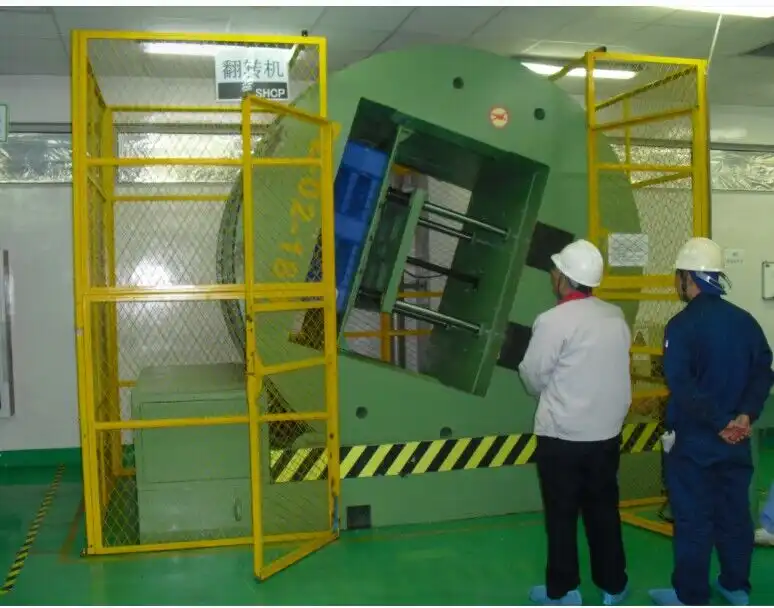
Understanding the basics is just the start. To truly master coil upender troubleshooting and minimize costly disruptions, we need to dive deeper into the common causes of failure, systematic diagnostic methods, and the proactive measures that can keep your operations running smoothly. Let’s explore how to empower your team to handle these challenges with confidence and precision.
Why Do Coil Upenders Malfunction in the First Place?
Your coil upender is critical for moving heavy materials. But sometimes, it stops. Why does this happen? Is it just bad luck, or are there deeper reasons?
Coil upenders often malfunction due to electrical faults like wiring issues or sensor failures. Mechanical problems, such as worn bearings or misaligned components, are also common. Improper operation or a lack of regular maintenance can significantly contribute to these breakdowns, making the machine less reliable over time.

Common Culprits Behind Upender Downtime
Many factors can cause a coil upender to stop working. Understanding these common reasons helps in finding a solution quickly. It is often a mix of electrical, mechanical, and operational issues.
Electrical System Issues
Electrical problems are very frequent causes of upender malfunctions. These issues can range from simple to complex.
- Loose Wiring: Vibrations from heavy coils moving through the machine can loosen electrical connections. Over time, wires in terminal blocks or connectors can become loose. This leads to intermittent power supply, incorrect signals from sensors, or unexpected stops. Regular checks of all wiring connections are very important.
- Sensor Malfunctions: Upenders use various sensors. These include proximity sensors, limit switches, and safety sensors. They detect coil position, machine status, and ensure safe operation. A sensor that is dirty, damaged, or out of alignment can send wrong signals to the control system. This makes the machine stop or behave in strange ways. For example, a limit switch that fails to register the correct position of the cradle will prevent the next operation cycle from starting.
- Motor Overload or Failure: The motor is the main power unit of the upender. If it is overloaded, or if it does not get enough power, it can trip circuit breakers. Internal damage to the motor windings can also cause it to stop completely. Overheating is another common motor problem. This often happens from continuous heavy use without enough cooling. A faulty cooling fan can also lead to overheating.
- Control System Glitches: The PLC, or Programmable Logic Controller, acts as the brain of the upender. Software errors, memory problems, or even sudden changes in power supply can corrupt the PLC program. This results in unpredictable machine behavior or a complete system shutdown.
Mechanical Wear and Tear
Heavy machinery like a coil upender is under constant stress. This leads to wear and tear over time.
- Bearing Failure: Bearings are vital for smooth movement. They are found in the rotating mechanism and inside the motor. They handle huge loads. Lack of lubrication, contamination from dirt, or simple wear can make them seize up. This causes increased friction, loud noises, and eventually a breakdown. This directly stops the upender from rotating smoothly.
- Hydraulic System Leaks/Failures (if applicable): Some upenders use hydraulic systems. If hoses or seals leak, or if the pump or valves have problems, the hydraulic pressure drops. This means the machine cannot lift or tilt coils correctly. Air getting into the hydraulic lines also causes jerky and uncontrolled movements.
- Structural Fatigue: The constant stress from tilting heavy coils can cause the upender’s frame or tilting parts to crack or bend. This is a serious safety risk. It can also cause parts to become misaligned, which then stops the upender from working right.
- Alignment Issues: Over time, parts of the machine can move out of their correct alignment. This increases friction and puts stress on components. It can stop the upender from reaching its full tilt angle or completing its full cycle.
Operator Error and Maintenance Gaps
Sometimes, human actions, or lack of them, lead to problems.
- Incorrect Operation: Trying to lift coils that are too heavy for the machine (beyond its weight limit), loading coils improperly, or not following the correct start-up or shut-down steps can damage parts. It can also activate safety shutdowns.
- Lack of Lubrication: Moving parts need regular lubrication. This reduces friction and prevents wear. Skipping this important step makes parts wear out much faster.
- Infrequent Inspections: Not doing daily or weekly checks means small problems are missed. These small issues then become big malfunctions. For example, a loose bolt on a safety guard might not be seen until it causes a bigger problem.
| Malfunction Type | Common Symptoms | Potential Causes | Immediate Action |
|---|---|---|---|
| Electrical | Machine won’t start, intermittent operation, error codes on HMI | Loose wiring, faulty sensors, motor overload, PLC errors | Check power, inspect wiring, reset breakers, note error codes |
| Mechanical | Grinding noises, jerky movement, incomplete tilt, excessive vibration | Worn bearings, misaligned parts, hydraulic leaks, structural fatigue | Stop machine, visually inspect, check for obstructions, check oil levels (if hydraulic) |
| Operational | Machine trips, strange sounds after specific action, unusual wear patterns | Overloading, incorrect sequence, lack of cleaning/lubrication | Review manual, ensure correct loading, perform basic maintenance |
When I first started my factory, we had an upender that would randomly stop. It was frustrating. We’d check the motor, then the hydraulics. Turns out, it was just a loose wire in the control panel. A tiny thing, but it caused big headaches. That taught me how important it is to be systematic and not overlook the simple stuff. It’s often the easiest things that cause the biggest problems.
What Are the First Steps Japanese Operators Should Take When an Upender Stops?
Your upender just stopped. Panic might set in. What do you do first? How can you get it running again without making things worse?
When a coil upender stops, Japanese operators should first hit the emergency stop button for safety. Next, they need to visually inspect the machine for any obvious obstructions, loose parts, or strange smells. After that, checking the control panel for error messages or warning lights is crucial, as these often point directly to the problem’s source.
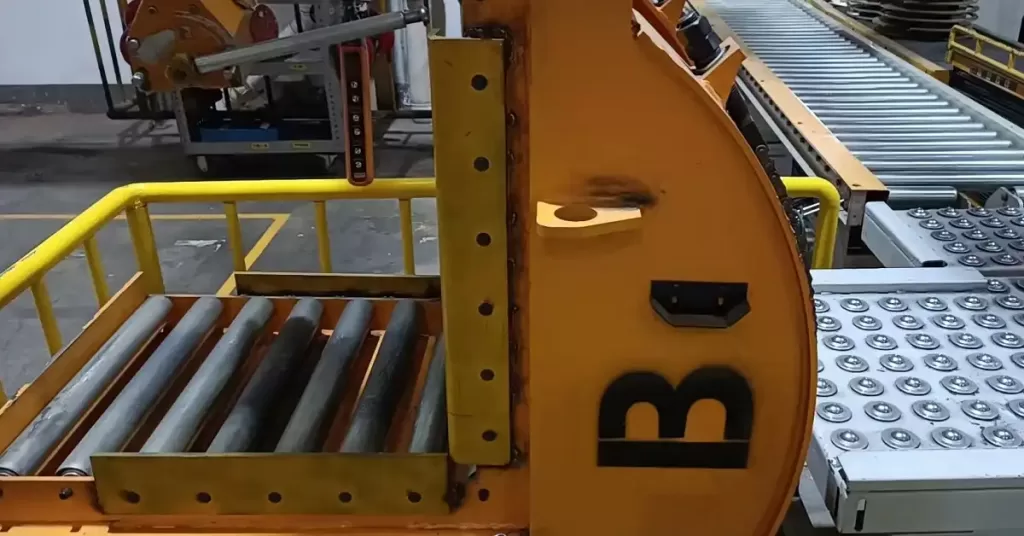
A Systematic Approach to Initial Diagnosis
When an upender stops, a calm, systematic approach is key. Rushing can lead to further damage or, worse, injury. Following these steps helps operators diagnose the problem safely and quickly.
Step 1: Prioritize Safety – Always!
Safety is the most important first step. Never bypass safety measures.
- Emergency Stop: The very first action an operator must take is to press the emergency stop button. This cuts power to the machine and prevents any further movement or damage. It also protects the operator. Never try to fix a problem on a moving or potentially moving machine.
- Lockout/Tagout Procedures: After pressing the emergency stop, ensure the machine is completely de-energized. Use proper Lockout/Tagout (LOTO) procedures. This means physically locking the power source and placing a tag on it. This makes sure no one can accidentally restart the machine while you are inspecting it. Every operator should be fully trained in these LOTO procedures. This is absolutely critical for personal safety.
- Assess the Immediate Environment: Quickly look around the upender for any immediate dangers. This could include spilled oil, damaged coils that might shift, or unusual smoke or fumes coming from the machine.
Step 2: Observe and Listen – Your Senses are Key
Your senses are powerful tools for initial diagnosis.
- Visual Inspection: Walk completely around the upender. Look closely for anything that seems out of place:
- Are there any loose bolts, nuts, or electrical connections? Even small loose parts can cause big problems.
- Are any hydraulic hoses damaged, or are electrical wires cut or pinched?
- Are there any physical obstructions in the path where the upender tilts or on the conveyor, if it has one?
- Do you see any signs of overheating, like discolored paint or melted plastic on components?
- Are there any leaks of oil or grease?
- Are any components misaligned, or is there visible physical damage to the machine’s frame?
- Listen for Clues: Unusual noises often tell you a lot about the problem.
- A grinding or squealing sound often points to issues with bearings or too much friction.
- A hissing sound usually means a hydraulic or pneumatic leak.
- A clicking sound could mean a relay or an electrical switch is failing.
- Smell Check: A burning smell is a strong sign of electrical overheating or excessive friction from a mechanical part.








