

How Can Japanese Manufacturers Enhance Safety with a Heavy‑Duty Coil Upender?
Imagine a factory floor in Japan, bustling with activity. Heavy coils, weighing tons, are moved around. This process is risky. Accidents can happen quickly. Workers face danger every day when they handle these heavy materials. This situation causes injuries, lowers morale, and slows down production. It is a problem many factory managers deal with.
A heavy-duty coil upender directly addresses these safety problems by automating the dangerous task of reorienting heavy coils. It removes workers from harm’s way, cuts down on manual handling, and creates a much safer work environment. This machine keeps workers safe and improves the flow of materials in the factory.


You might wonder how a single piece of equipment can make such a big difference. Stay with me. We will look at the real dangers of manual coil handling. We will also explore how a coil upender can change your factory operations for the better.
Why Are Manual Coil Handling Methods So Dangerous?
Think about a factory where large steel coils are moved by hand or with basic tools. This practice sounds risky. It is. Workers often have to physically push, pull, or adjust these heavy objects. This puts them in dangerous positions. They risk serious injuries. This method is slow and dangerous. It also causes problems with insurance and worker turnover.
Manual handling of heavy coils is dangerous because it exposes workers to direct physical hazards like crushing injuries, strains, and falls. Human error, fatigue, and the sheer weight of the coils make it an accident waiting to happen, leading to high medical costs and production delays.
When I started my journey in the packing machine industry, I saw many factories. Some of them still used old ways to move heavy coils. I saw the risks. Workers struggled with the weight. They often worked in tight spaces. This made me understand the real need for better ways to handle materials. It is not just about making things faster. It is about keeping people safe. Safety is always first.
Understanding the Risks of Manual Coil Handling in Detail
Handling heavy coils manually is one of the most dangerous jobs in a factory. The sheer size and weight of steel coils mean any mistake can lead to severe injury or even death. This is why Japanese manufacturers, known for their focus on quality and safety, are looking for better solutions.
-
Direct Physical Hazards:
- Crushing Injuries: A coil can easily roll or shift, trapping a worker’s limbs or body. This is a common and very serious risk.
- Musculoskeletal Disorders (MSDs): Repeated lifting, pushing, or pulling heavy objects causes strain on backs, shoulders, and joints. Over time, this leads to chronic pain and injuries. These injuries often require long recovery times.
- Falls and Slips: Workers might trip over uneven surfaces or lose balance while moving coils. This risk increases when the floor is wet or cluttered.
- Impact Injuries: Coils can swing or drop unexpectedly during handling. This can hit workers, causing fractures or other blunt force trauma.
-
Human Factor Risks:
- Fatigue: Handling heavy objects for long periods causes physical and mental tiredness. Tired workers are more likely to make mistakes.
- Human Error: Even skilled workers can misjudge distances, apply too much or too little force, or lose grip. A small error with a heavy coil has big consequences.
- Lack of Training: Sometimes, workers do not get enough training on safe handling techniques. This makes the risks even higher.
- Complacency: Over time, workers might become less careful, especially if they have not had an accident. This false sense of security increases the chance of an incident.
-
Operational and Financial Impacts:
- High Insurance Costs: More accidents mean more insurance claims. This pushes up the cost of workers’ compensation insurance.
- Lost Productivity: Injured workers cannot work. This means production slows down or stops. Replacing injured workers takes time and money.
- Employee Morale and Turnover: A dangerous workplace lowers morale. Workers might leave for safer jobs. This leads to higher employee turnover rates.
- Product Damage: Manual handling also risks damaging the coil itself. Edges can get bent. Surfaces can get scratched. This leads to product loss and customer complaints.
Consider the differences:
| Aspect | Manual Coil Handling | Automated Coil Handling (with Upender) |
|---|---|---|
| Worker Safety | High risk of crushing, MSDs, falls, impact injuries | Minimal direct worker contact; significantly reduced risks |
| Efficiency | Slow, requires multiple workers, prone to bottlenecks | Fast, precise, requires fewer workers, smooth operation |
| Product Damage | High risk of scrapes, dents, edge deformation | Low risk; controlled movement protects product integrity |
| Labor Costs | High due to multiple workers, injury costs, turnover | Lower due to reduced staffing, fewer injury claims |
| Consistency | Varies with worker skill and fatigue | Highly consistent, repeatable process |
| Space Requirement | Needs clear pathways for manual movement | Compact, precise movement within a defined footprint |
| Return on Investment | Negative due to high ongoing costs and risks | Positive due to long-term savings in labor, safety, and output |
When you look at these points, it becomes clear. Relying on manual methods for heavy coil handling is not sustainable. It is a drain on resources. It is a constant threat to worker safety. This is why I always tell my clients to look for smarter, safer solutions. An investment in automation, especially in something like a coil upender, is an investment in your people and your future success.
How Can Automation Drive Down Operational Costs in Coil Processing?
Many factory managers feel the pressure of high costs. They see their budget stretched thin. Old, manual processes often demand a lot of money. This money goes into labor, injury claims, and wasted materials. It feels like a constant battle to keep costs down. You might think new machines are expensive. They can be. But they can also save you a lot of money in the long run.
Automation, through machines like heavy-duty coil upenders, drives down operational costs by significantly reducing labor needs, minimizing product damage, increasing processing speed, and lowering expensive workplace injury claims. It creates a more efficient and less wasteful production line.
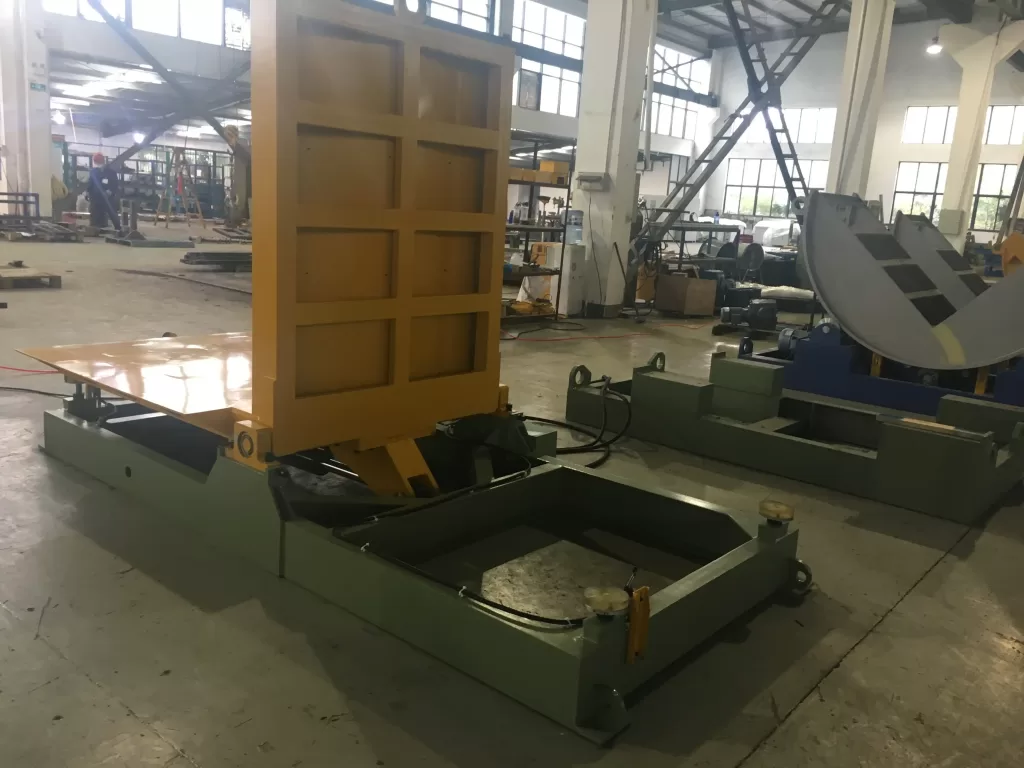

When I was building my own packing machine factory, I learned a lot about optimizing processes. Every dollar counted. I quickly saw that investing in the right equipment paid off. It was not just about making things faster. It was about making them cheaper and safer. This experience shaped my view. It made me a strong believer in smart automation.
Deep Dive into Cost Reduction Through Automation
Automation is more than just replacing human labor with machines. It is about optimizing the entire workflow. It creates a domino effect of cost savings across various aspects of factory operations. For Japanese manufacturers, where precision and efficiency are paramount, this is a critical advantage.
-
Reduced Labor Costs:
- Fewer Workers Needed: A coil upender can do the work of several people safely and efficiently. This means you need fewer workers for handling coils.
- Reallocation of Workforce: The workers who were doing dangerous manual tasks can be moved to more value-adding roles. This optimizes your existing workforce.
- Lower Overtime: Automated systems work continuously without breaks. This reduces the need for overtime pay to meet production targets.
-
Minimized Product Damage:
- Controlled Handling: Upenders handle coils with precision. They eliminate the rough, inconsistent movements of manual handling. This greatly reduces the risk of scratches, dents, or edge damage to valuable steel coils.
- Reduced Rework and Scrap: Fewer damaged products mean less material waste and less time spent on rework or discarding unsellable items. This directly impacts your bottom line.
- Improved Customer Satisfaction: Delivering undamaged products leads to happier customers and fewer complaints. This builds trust and repeats business.
-
Increased Throughput and Efficiency:
- Faster Processing: An automated upender can reorient a coil in minutes, much faster than manual methods. This speeds up the overall production line.
- Elimination of Bottlenecks: Manual coil handling often creates a bottleneck at the end of the production line. An upender smooths out this flow, ensuring a continuous process.
- Consistent Performance: Machines do not get tired. They perform the same task with the same speed and accuracy every time. This consistency improves overall output predictability.
-
Lower Accident-Related Costs:
- Reduced Medical Expenses: Fewer workplace accidents mean less money spent on emergency care, doctor visits, and long-term rehabilitation for injured workers.
- Decreased Workers’ Compensation Claims: With fewer injuries, your factory will have fewer claims, which can lower your insurance premiums over time.
- Avoided Legal Fees: Serious accidents can lead to investigations and legal action. Automation helps avoid these costly scenarios.
- Preserved Employee Morale: A safer workplace makes employees feel valued. This leads to higher morale and reduces employee turnover, saving on recruitment and training costs.
Let’s look at a simple cost-saving breakdown:
| Cost Category | Manual Process | Automated Process (Coil Upender) | Savings Potential |
|---|---|---|---|
| Labor | High (multiple workers, overtime) | Lower (fewer workers, optimized roles) | Significant reduction in wages and benefits |
| Product Loss | Moderate to High (damage during handling) | Low (precise, gentle handling) | Less scrap, rework, and customer returns |
| Injury Claims | High (medical, insurance, lost time) | Very Low (minimal worker exposure) | Substantial decrease in insurance premiums and liabilities |
| Throughput | Limited by manual speed and fatigue | High (consistent, fast operation) | Increased production volume and faster delivery |
| Rework/Scrap | Common due to damage | Rare due to controlled process | Direct savings on materials and labor |
| Training (Safety) | Ongoing, extensive for manual handling risks | Less frequent, focused on machine operation and maintenance | Reduced training expenditure over time |
As you can see, the initial investment in a coil upender is quickly offset by these ongoing savings. For a manager like Michael, who needs to boost output and control costs, this is a clear path forward. My experience has shown me that companies that embrace smart automation are the ones that grow stronger and more profitable.
What Makes a Coil Upender a Smart Investment for Long-Term Growth?
Some factory managers might hesitate to buy new equipment. They see the upfront cost. They might think it is a big risk. They wonder if the money will pay off. This is a normal feeling. But ignoring safety issues and slow processes also has a cost. This hidden cost adds up over time. It can stop your business from growing.
A coil upender is a smart investment for long-term growth because it provides a clear return on investment through enhanced safety, increased operational efficiency, improved product quality, and better employee retention, all of which contribute to sustainable profitability and competitiveness.
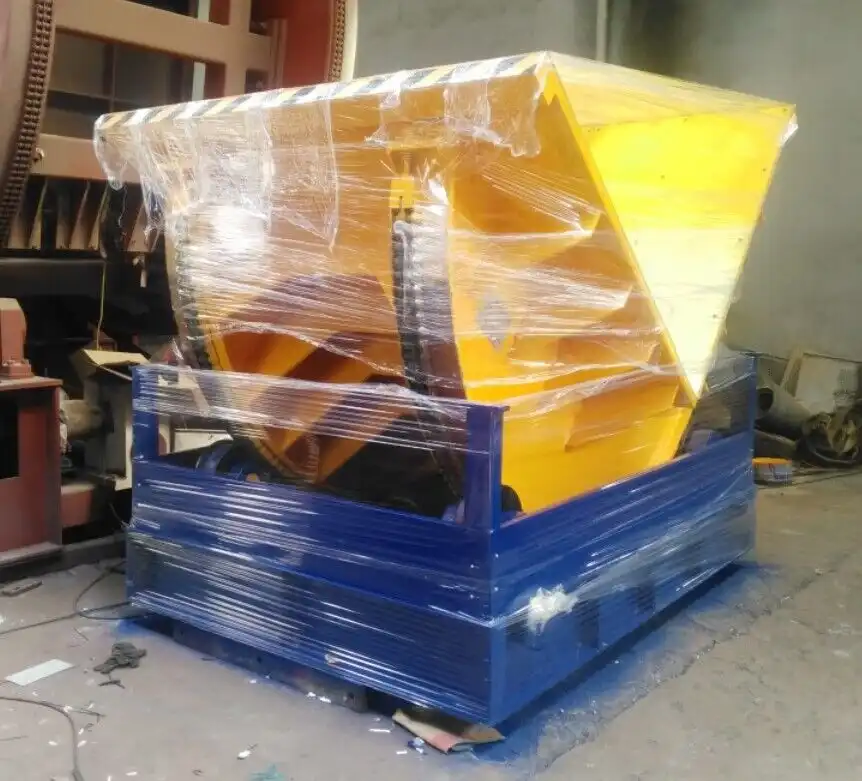

When I started FHOPEPACK, I knew that my success would come from helping others succeed. I built my own factory. I saw how the right machines could change a business. It was not just about selling equipment. It was about creating partnerships. It was about showing clients how my solutions could help them grow and thrive. This is why I focus on long-term value, not just short-term sales.
The Long-Term Value Proposition of a Coil Upender
Investing in a heavy-duty coil upender is not just a purchase; it is a strategic decision that positions a factory for sustained growth and resilience. For Japanese manufacturers, who prioritize efficiency and long-term planning, understanding this value is key.
-
Enhanced Safety Culture and Compliance:
- Proactive Risk Mitigation: By removing workers from direct contact with heavy coils, an upender shows a proactive approach to safety. This helps comply with stringent safety regulations.
- Reduced Liability: Fewer accidents mean fewer legal challenges and lower liability for the company.
- Improved Reputation: A safe workplace builds a positive reputation among employees, customers, and the community. This attracts top talent and fosters stronger business relationships.
-
Operational Excellence and Competitiveness:
- Consistent Output Quality: Automated handling ensures that coils are processed uniformly, leading to consistent product quality. This consistency helps meet high customer expectations.
- Increased Production Capacity: The faster and more reliable operation of an upender allows factories to handle larger volumes and meet tighter deadlines. This boosts overall production capacity.
- Competitive Edge: Factories that invest in efficient automation can produce goods faster and at a lower cost. This gives them a significant advantage in the market.
-
Sustainable Cost Savings:
- Long-Term Labor Savings: The reduced need for manual labor provides continuous savings on wages, benefits, and training costs over the machine’s lifespan.
- Reduced Maintenance for Workers: Fewer injuries mean less need for expensive medical treatments and rehabilitation.
- Lower Insurance Premiums: A consistent record of fewer workplace accidents can lead to reduced workers’ compensation insurance premiums year after year.
-
Employee Morale and Retention:
- Improved Working Conditions: Workers appreciate a safer environment. This leads to higher job satisfaction and better morale.
- Reduced Turnover: Happy and safe employees are less likely to leave. This saves the company money on recruitment and training new staff.
- Empowerment: Employees can shift from dangerous manual tasks to overseeing automated processes. This often leads to skill development and career growth.
-
Clear Return on Investment (ROI):
- Tangible Savings: The savings from reduced labor costs, fewer injuries, and less product damage are direct and measurable. These savings often pay back the initial investment quickly.
- Intangible Benefits: Improved safety culture, enhanced reputation, and increased competitiveness also contribute to ROI, though they are harder to quantify immediately.
- Future-Proofing: Investing in automation prepares your factory for future demands and technological advancements. This ensures long-term relevance and growth.
My own journey from an employee at a packing machine factory to establishing a successful one taught me the importance of smart investments. I achieved financial independence because I focused on delivering real value and solving actual problems for my clients. I have helped many of my clients grow their businesses by recommending solutions that directly address their pain points, just like a coil upender can address Michael’s challenges with efficiency and safety. When you buy an FHOPEPACK machine, you are not just getting equipment. You are getting a partner who understands your challenges and helps you reach your goals.
My Insights!
When I reflect on my journey, from working on the factory floor to building FHOPEPACK, one thing stands out. Real solutions come from deep understanding. Many companies sell machines. They just want to close a deal. But a true partner sees your factory as their own. They understand the hum of the machines. They know the worry in a manager’s eyes. This is the difference I bring.
My insights come from years of hands-on experience and a passion for packing machines. I have seen the problems, built the solutions, and helped businesses grow. I offer not just equipment, but practical knowledge and a commitment to helping you succeed, just as I have helped many others.


My story began as an employee. I worked hard. I learned everything about packing machines. This gave me a unique perspective. I understood the challenges faced by workers. I also saw the pressures on factory managers. Later, I started my own factory. This was a big step. It allowed me to put my ideas into practice. I learned how to run a business. I learned how to make it profitable. I learned how to help clients grow. This journey led me to financial independence. Now, I want to give back. FHOPEPACK is my way of sharing this knowledge. It is a knowledge-sharing platform. We want to make mold knowledge accessible to everyone.
Randal’s Philosophy: Beyond the Machine
My philosophy is simple: equip you with knowledge, not just machinery. This approach is what truly sets FHOPEPACK apart and directly addresses the need for a trustworthy partner, a concern often expressed by factory managers like Michael who have faced “supplier trust crises.”
-
Understanding the Real Problems:
- On-the-Ground Perspective: Because I started as an employee, I understand the day-to-day struggles on the factory floor. I know what a production bottleneck feels like. I know the constant threat of a safety hazard. This allows me to see beyond the sales pitch and identify the core issues.
- Holistic Approach: I do not just look at one machine. I look at your entire operation. I consider how a coil upender fits into your existing lines. I think about how it will impact overall efficiency, safety, and your bottom line.
-
Partnership, Not Just Sales:
- Trust Building: I understand why a manager like Michael might be cautious about new suppliers. I have built FHOPEPACK on trust. I believe in open communication. I believe in providing honest advice.
- Long-Term Relationships: My goal is not a quick sale. It is a long-term partnership. I want to see your business grow and succeed for years to come. This means providing reliable equipment and excellent after-sales support.
- Tailored Solutions: Every factory is different. I work with you to understand your specific needs. Then, I recommend solutions that are truly right for your unique challenges.
-
Sharing Expertise for Growth:
- Empowering Clients: FHOPEPACK is a platform for sharing knowledge. We want to empower you with information. This helps you make informed decisions.
- Proven Strategies: I share insights that helped me build my own successful factory. These are not theories. They are proven strategies that work in the real world.
- Continuous Support: My team and I are here to support you. We help with installation. We help with training. We are there for troubleshooting. We ensure your investment works for you.
-
Addressing Specific Managerial Concerns:
- ROI Clarity: Managers like Michael need to justify investments. I provide clear data and case studies. This shows the return on investment for a coil upender. I help you see the financial benefits.
- Safety Improvement: Safety is paramount. I focus on how our solutions fundamentally improve worker safety. This reduces injury risks and lowers insurance costs.
- Efficiency Gains: I highlight how automation smooths out processes. This eliminates bottlenecks. It increases overall factory output.
My experience has shown me that the true value of an equipment supplier is in their ability to understand your world. It is about offering solutions that truly solve your problems. It is about building a relationship based on trust and shared goals. For Japanese manufacturers, who value reliability and long-term vision, partnering with FHOPEPACK means gaining an expert who has walked in your shoes and is dedicated to your success. I am grateful for the opportunities the packing machine industry gave me. Now, I am committed to giving back and helping you thrive.
Conclusion
Investing in a heavy-duty coil upender directly enhances safety and efficiency for Japanese manufacturers. It reduces costs, boosts output, and ensures long-term growth, making it a truly smart choice.












