

How Can Italian Operators Master Intuitive Controls on Mold Tilters?
Navigating complex machinery can be a real headache. I have seen it many times in factories. Operators often struggle with interfaces that are difficult to understand. This leads to mistakes, slow production, and frustration. In a demanding environment like an Italian factory, these issues multiply quickly. You need your team to work fast and without errors.
Intuitive controls on mold tilters are the answer. They make it easy for operators to learn and use the machines quickly. These controls feature simple layouts, clear visual guides, and comfortable designs. This approach greatly reduces the chances of errors. It also makes the workplace much safer. This means less downtime and more productivity for your factory.

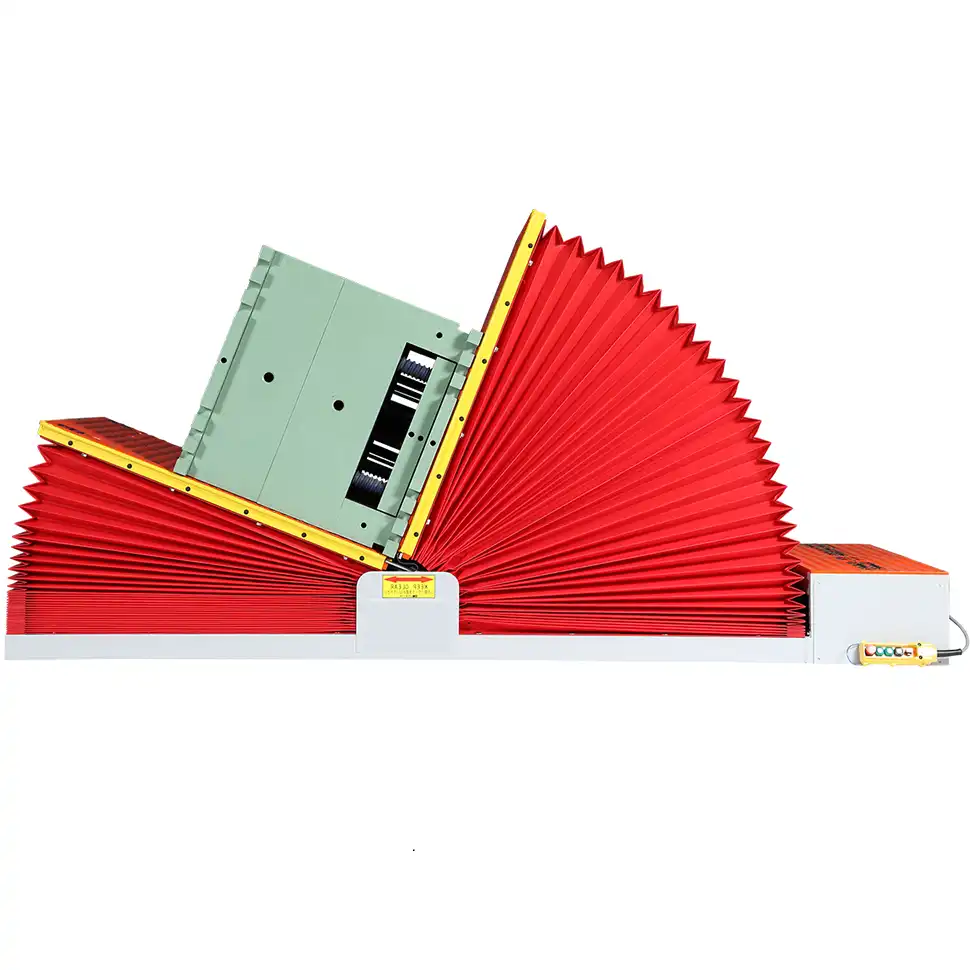
Mastering intuitive controls is not just about operator comfort. It has a direct impact on your company’s profits. Let us explore how these advanced designs can transform your operations. We will look at specific benefits and why they matter for your business.
Why Do Intuitive Controls Improve Operator Efficiency and Reduce Training Time?
Are your new operators taking too long to get up to speed? This is a common problem in busy factories. Complex machinery often needs extensive training. This costs money and delays production. It slows down your entire team.
Intuitive controls directly address this challenge. They simplify the learning process for mold tilters. Operators can grasp the basics much faster. This means less training time and quicker integration into the production line. When machines are easy to use, operators become efficient very quickly.

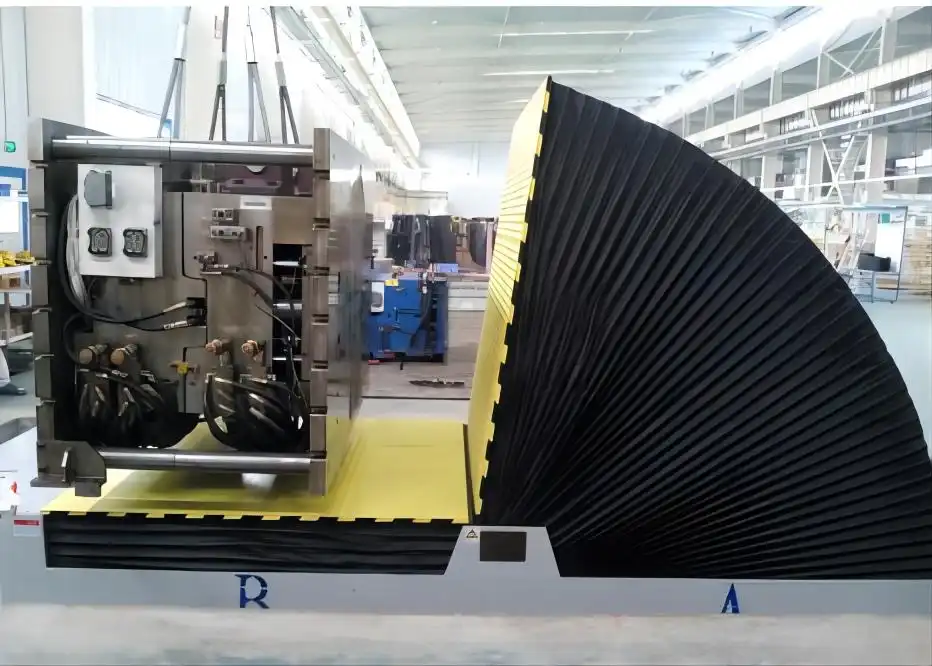
Intuitive design is about making machines work the way people naturally think. It removes guesswork. When I started FHOPEPACK, I focused on this principle. I saw too many operators struggling with overly complicated systems. My goal was to create machines that felt natural to use. This makes a big difference in daily operations.
Understanding the Pillars of Intuitive Design for Efficiency
Intuitive controls are not just a buzzword. They are built on several core principles. These principles ensure that operators can use the machine with minimal instruction. This boosts their speed and accuracy.
1. Clear Visual Feedback
Operators need to know what is happening at all times. Intuitive systems provide immediate visual feedback. Lights, indicators, and screens show the machine’s status. For example, a green light means “ready.” A red light means “stop.” This simplicity helps prevent errors. It also speeds up decision-making. Operators do not need to read complex manuals. They can simply look at the machine. This saves valuable time.
2. Logical Control Layout
The placement of buttons and levers matters. Intuitive controls arrange them in a logical way. Important functions are easy to reach. Controls are grouped by their purpose. For instance, all movement controls are together. All safety controls are separate. This layout mirrors the natural flow of work. Operators can find what they need without searching. This reduces fumbling and increases operational speed.
3. Ergonomic Design
Physical comfort affects efficiency. An ergonomic design ensures that operators can work without strain. This includes comfortable handles and reachable buttons. The height of the control panel is also important. If operators are comfortable, they can work longer. They also make fewer mistakes. This directly contributes to higher productivity. It also reduces fatigue.
4. Simple Language and Symbols
Complex terms confuse operators. Intuitive controls use simple language or universal symbols. For example, an arrow means “move.” A circle means “stop.” This breaks down language barriers. It also speeds up understanding. Operators from different backgrounds can use the machine effectively. This cuts down on training time. It also makes operations smoother across the board.
5. Reduced Steps
Every extra step costs time. Intuitive controls streamline operations. They combine multiple functions into one control. Or they automate repetitive tasks. This minimizes the number of actions an operator must take. Fewer steps mean faster cycles. They also mean fewer chances for errors. This efficiency gain is critical in high-volume production environments. It directly impacts your bottom line.
By focusing on these design elements, mold tilters become truly intuitive. This reduces the time it takes for new operators to become productive. It also helps experienced operators work even faster. This direct improvement in efficiency is a clear win for any factory looking to optimize its processes.
How Do Intuitive Mold Tilters Boost Workplace Safety?
Are your workers at risk when handling heavy molds? Manual handling of heavy objects is very dangerous. It can cause serious injuries. This leads to high insurance costs and lost workdays. It is a major concern for factory managers like you.
Intuitive mold tilters make the workplace much safer. They minimize the need for manual lifting and positioning of heavy molds. Operators can control the machine with simple inputs. This keeps them away from pinch points and falling hazards. A safer workplace means fewer accidents. It also creates a better environment for your team.

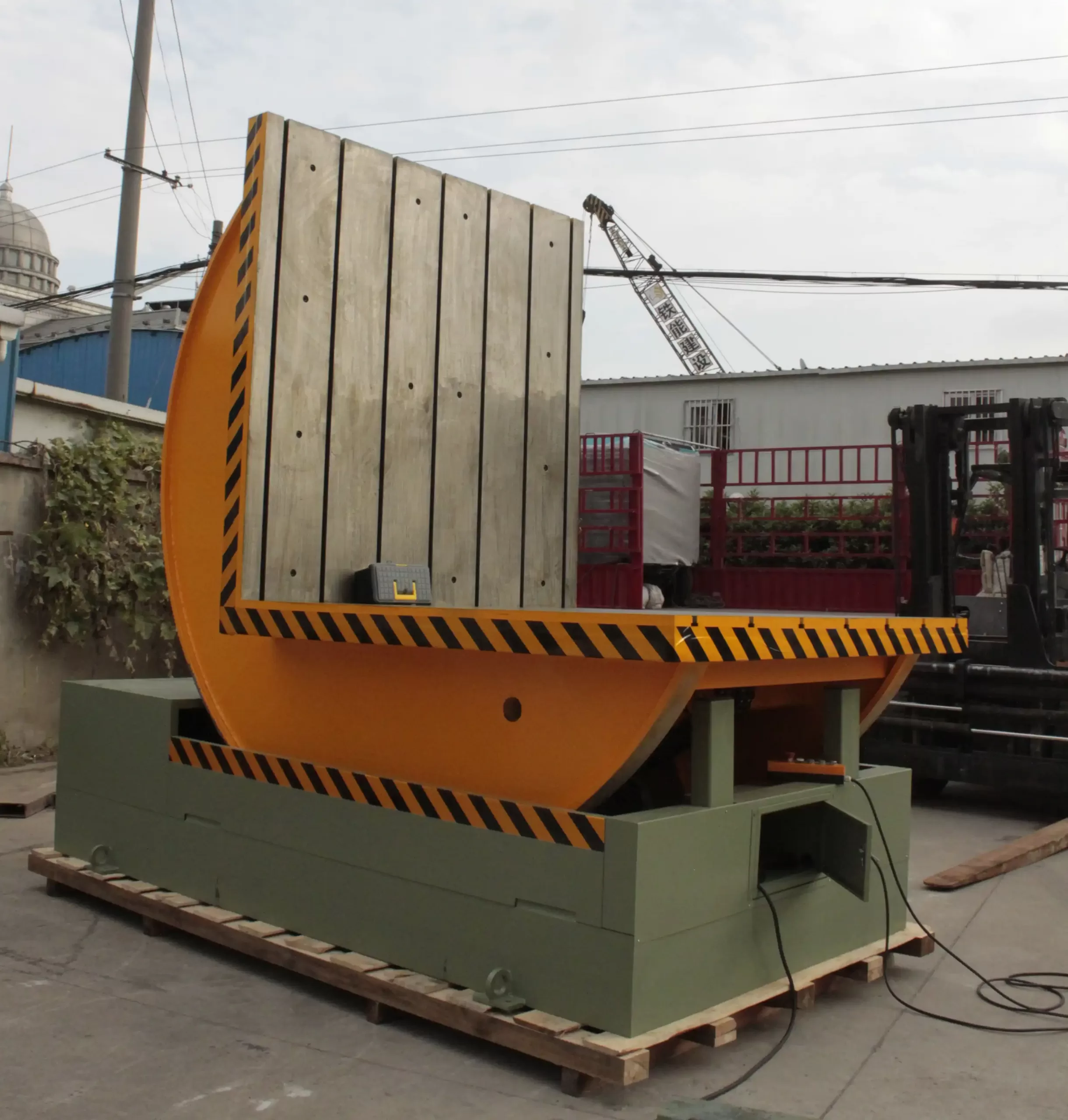
When I first started in the packing machine industry, safety was always a top priority for me. I saw firsthand the risks workers faced. That is why, when designing FHOPEPACK machines, I put safety at the forefront. Intuitive controls are a big part of that. They ensure operators can focus on the task, not on figuring out complex controls. This leads to a safer operation for everyone involved. I will replace this with a personal story later.
Key Safety Benefits of Intuitive Mold Tilter Controls
Safety is not just about avoiding accidents. It is also about creating a culture of security. Intuitive mold tilters achieve this through several design features. These features protect both the operator and the valuable molds.
1. Reduced Manual Handling
The primary safety benefit is minimizing direct human contact with heavy molds. Mold tilters do the heavy lifting. This removes the risk of back injuries, strains, and crushes. Operators use controls from a safe distance. They do not have to exert physical force. This dramatically lowers the risk of injury. It also improves overall worker well-being.
2. Enhanced Visibility
Good visibility is crucial for safety. Intuitive mold tilters often include features that improve the operator’s view. This can be through clear sightlines or integrated cameras. Operators can see the mold’s position at all times. They can also see nearby obstacles. This prevents collisions. It also ensures precise and safe placement of the mold. Clear visibility reduces blind spots.
3. Emergency Stop Functions
Every intuitive machine has accessible emergency stop buttons. These are clearly marked and easy to hit. In case of an unexpected event, operators can stop the machine immediately. This prevents accidents before they happen. It is a standard safety feature. But its intuitive placement makes it truly effective. Operators do not need to search for it.
4. Interlock Systems
Interlock systems prevent dangerous operations. They ensure certain conditions are met before the machine operates. For example, a tilter might not move if a safety guard is open. Or it will not tilt if the mold is not secured. These systems prevent human error from causing accidents. They act as an automatic safety net. This provides an extra layer of protection for operators.
5. Operator Feedback and Alarms
Intuitive systems provide timely warnings. They use sounds or visual alerts for potential dangers. For example, an alarm might sound if the mold is not properly balanced. Or a warning light might flash if the machine is overloaded. This immediate feedback helps operators correct issues. It stops unsafe conditions from developing. This proactive approach greatly boosts safety.
By integrating these safety features, intuitive mold tilters do more than move molds. They create a safer working environment. This protects your most valuable asset: your employees. It also reduces liability and insurance costs for your company.
Can Intuitive Controls Truly Impact Your Factory’s ROI?
Are you unsure if investing in new equipment will truly pay off? Many factory managers worry about the return on investment (ROI). You need proof that new machinery will cut costs and boost profits. This is especially true for equipment like mold tilters.
Intuitive controls on mold tilters offer a clear path to improved ROI. They reduce operational costs significantly. This happens through lower labor needs, fewer product damages, and increased uptime. When your machines are easy to use, they contribute directly to your factory’s profitability.
I have seen countless factories struggle with inefficient processes. They lose money on damaged products and slow production. That is why I always emphasize the long-term benefits of well-designed machinery. My focus at FHOPEPACK is not just selling a machine. It is about providing a solution that boosts your entire business’s bottom line. I will replace this with a personal story later.
Measuring the Return on Investment from Intuitive Mold Tilters
Calculating ROI involves looking at both costs saved and increased output. Intuitive mold tilters deliver benefits in several key areas. These areas directly affect your factory’s financial health.
1. Reduced Labor Costs
Manual mold handling needs multiple workers. It also demands high physical effort. An intuitive mold tilter can often be operated by one person. This frees up other workers for different tasks. It reduces overtime costs. It also lowers the need for hiring new staff. Over time, these labor savings add up. They provide a significant return on your initial investment.
2. Minimized Product Damage
During manual handling, molds and products can get damaged. This leads to scrap, rework, and customer complaints. Intuitive mold tilters provide precise and smooth handling. They prevent impacts and drops. This reduces product loss. It also ensures quality. Less damage means less waste. It also means higher customer satisfaction. This directly boosts your profits.
3. Increased Throughput and Uptime
When machines are easy to use, operators work faster. This increases production speed. It also reduces errors that cause downtime. Intuitive controls mean less time spent troubleshooting. They also mean more time spent producing. More uptime means higher output. It also means faster order fulfillment. This improves your factory’s overall capacity.
4. Lower Training Expenses
As discussed earlier, intuitive controls cut down on training time. This saves money on instructor fees. It also saves on lost productivity during training periods. Quick onboarding of new staff is a huge advantage. It means your team is productive from day one. This directly impacts your budget. It also streamlines your HR processes.
5. Reduced Insurance Premiums and Injury Costs
Fewer accidents mean lower worker compensation claims. It also means potentially reduced insurance premiums. A safer workplace avoids costly legal issues. It also keeps your workforce stable. Healthy and safe employees are productive employees. This contributes to long-term financial stability. It also boosts morale.
The investment in an intuitive mold tilter is not just an expense. It is a strategic move. It is an investment that yields measurable financial benefits. These benefits come from operational efficiency, safety, and reduced waste. This helps your factory achieve a strong ROI.
My Insights: Designing for Real-World Factory Needs?
Have you ever bought equipment that promised a lot but delivered little? Many factory managers face this problem. They deal with suppliers who do not truly understand their daily challenges. This leads to frustration and wasted money.
My journey in the packing machine industry taught me a lot. I started as an engineer. Then I built my own successful factory. This gave me a unique perspective. I learned what truly works on the factory floor. I know the pressures you face. I understand the need for reliable, efficient, and user-friendly equipment. This background shapes how I design solutions at FHOPEPACK. I focus on creating machines that solve real problems.

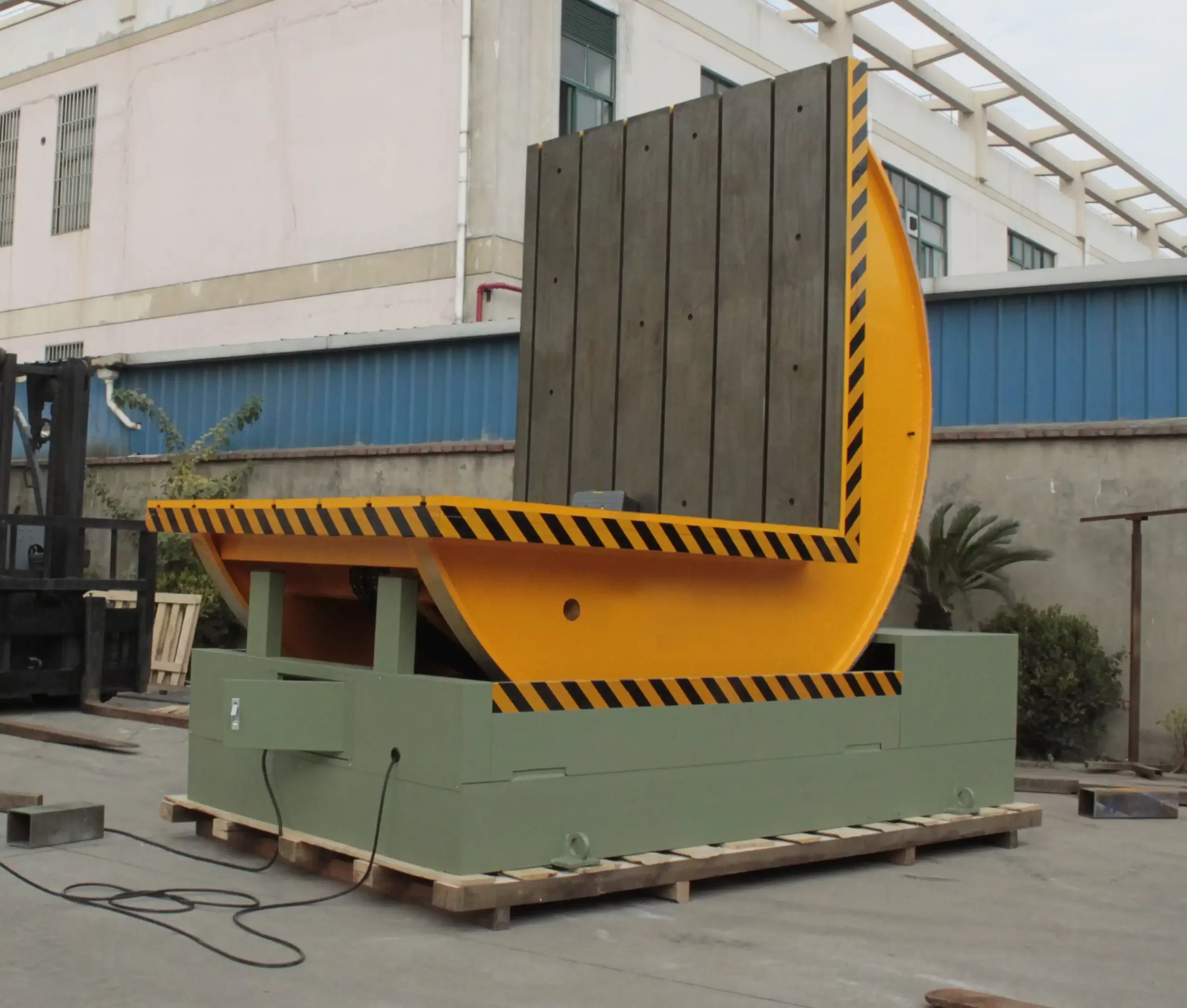
When I founded FHOPEPACK, my mission was clear. I wanted to share my knowledge. I wanted to help other businesses grow, just as mine did. My personal experience, from an employee to a factory owner, gives me unique insights. I understand the importance of sturdy, efficient, and easy-to-use machines. I will replace this with a personal story later.
The FHOPEPACK Approach: Practical Design for Practical Results
Designing a machine is more than putting parts together. It is about understanding the user. It is about anticipating challenges. My approach combines engineering expertise with real-world factory experience. This leads to practical, effective solutions.
1. Understanding Operator Workflows
I spend time observing operators. I learn their movements. I see their pain points. This helps me design controls that fit their natural workflow. For example, if operators often need to adjust speed, I make the speed control easy to reach. This user-centric design approach is critical. It makes machines intuitive from the start. It also reduces learning curves significantly.
2. Building for Durability and Reliability
A machine is useless if it breaks down often. My experience running a factory showed me the cost of downtime. That is why FHOPEPACK machines are built to last. We use high-quality components. We design for harsh industrial environments. Reliability means less maintenance. It also means consistent production. This is what factories truly need.
3. Prioritizing Safety from Concept to Completion
Safety is not an afterthought. It is part of the initial design phase. We integrate safety features into every component. This includes physical barriers. It also includes intuitive software controls. Our goal is to protect operators. We also aim to protect the valuable molds. This commitment to safety is non-negotiable for us.
4. Providing Comprehensive Support
A machine purchase is just the beginning. I know the importance of good after-sales service. We offer full support. This includes installation help. It also includes training. We also provide maintenance guidance. We want our clients to succeed. This partnership approach builds trust. It also ensures the long-term success of your investment.
5. Focusing on Scalability and Adaptability
Factories grow and change. Our machines are designed to adapt. They can handle different mold sizes. They can also integrate into existing production lines. This flexibility is key. It ensures your investment remains valuable. It supports your business growth. This forward-thinking design saves you money in the long run.
My insights come from years in the trenches. I know what it takes to run a successful factory. I apply this knowledge to every machine FHOPEPACK designs. This means you get equipment that truly meets your needs. It helps you overcome daily challenges. It also helps you achieve your production goals.
Conclusion
Intuitive controls on mold tilters offer clear benefits for Italian operators and factories. They boost efficiency, enhance safety, and deliver a strong ROI. My experience at FHOPEPACK ensures practical, reliable solutions for your needs.












