
How Can IoT Enable Real-Time Monitoring and Predictive Maintenance for Upenders?
Facing costly downtime or safety risks due to unexpected upender failures? Manual inspections often miss subtle signs of trouble until it’s too late. Imagine knowing about a potential hydraulic leak or bearing wear before it halts your production line. IoT offers a powerful solution to this challenge.
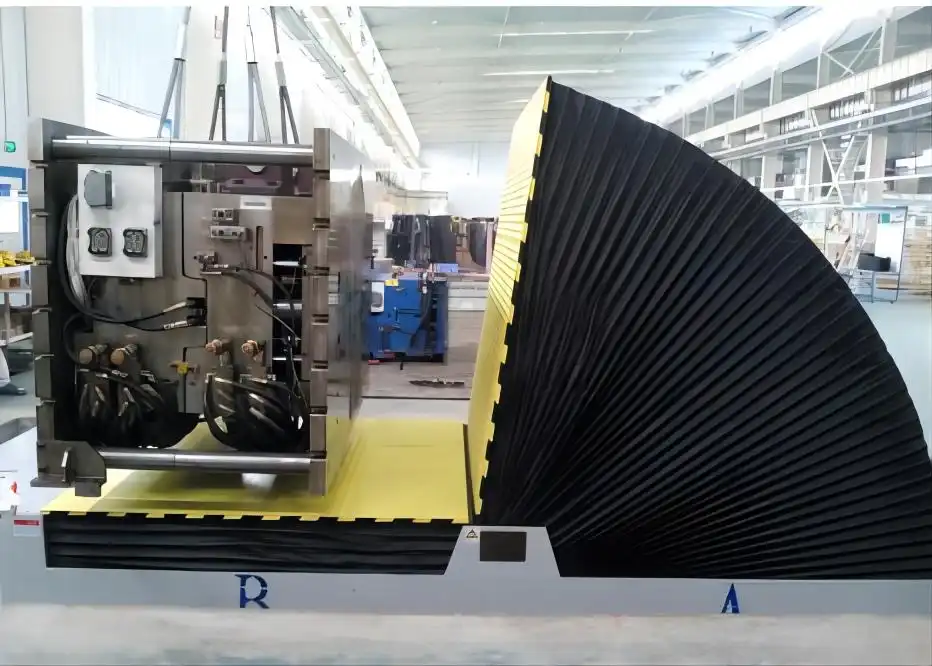
IoT enables real-time monitoring and predictive maintenance for upenders by deploying sensors on critical components (like motors, bearings, hydraulics) to continuously collect operational data (vibration, temperature, pressure). This data is transmitted wirelessly to a central platform where analytics and AI algorithms detect anomalies, predict potential failures, and trigger maintenance alerts proactively, preventing unexpected breakdowns and optimizing performance.
This technology transforms maintenance from a reactive necessity to a proactive strategy. Dive deeper to understand exactly how IoT sensors, connectivity, and data analytics work together to keep your upenders running reliably and efficiently.
The Mechanics of IoT Monitoring for Upenders
How can connected devices provide a real-time health check for heavy-duty machinery like upenders? It’s about translating physical operations into digital insights. IoT bridges this gap by continuously capturing and analyzing crucial performance indicators, offering unprecedented visibility into the equipment’s condition and operational status, preventing guesswork in maintenance scheduling.
IoT monitoring for upenders involves embedding or attaching specialized sensors to key functional areas such as the drive motors, gearboxes, hydraulic systems, bearings, and tilting mechanisms. These sensors meticulously gather data points like vibration frequencies, operating temperatures, hydraulic fluid pressure and levels, electrical current draw, and even acoustic signatures. This raw data is then instantly relayed via robust wireless communication protocols (like industrial Wi-Fi, Cellular IoT, or LoRaWAN) to a dedicated IoT platform or secure cloud environment. Advanced analytical software processes this stream, identifying patterns, spotting deviations from normal operating parameters, and flagging potential issues long before they escalate into failures, presenting findings through intuitive dashboards.
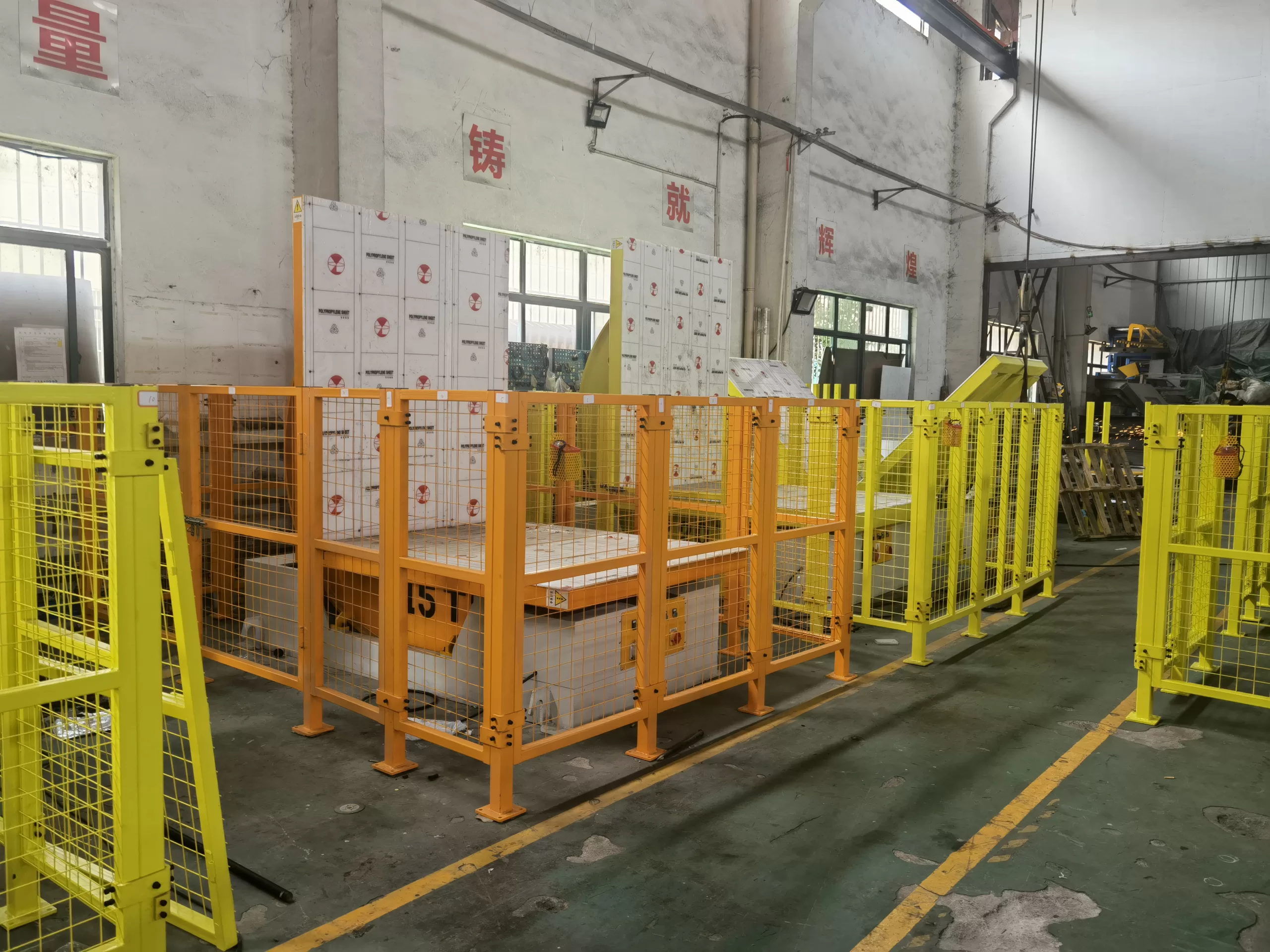
Key Technologies and Data Points Driving Insights
Achieving effective real-time monitoring hinges on integrating several core IoT technologies specifically tailored for the demanding industrial environment where upenders operate. Understanding these components clarifies how the system functions:
-
Sensors: These are the frontline data collectors. The choice and placement are critical.
- Vibration Sensors: Detect imbalances, misalignment, gear wear, and bearing defects by analyzing frequency changes. Often placed on motor housings, gearboxes, and main pivot points.
- Temperature Sensors: Monitor motors, hydraulic fluid, and bearings for overheating, indicating excessive friction, poor lubrication, or electrical issues.
- Pressure Sensors: Crucial for hydraulic upenders, monitoring fluid pressure to detect leaks, pump inefficiencies, or blockages.
- Current Sensors: Track the electrical current drawn by motors. Spikes or unusual patterns can indicate mechanical overload or impending electrical failure.
- Acoustic Sensors: Listen for abnormal sounds like grinding or cracking, which might signify structural fatigue or component damage not easily detected by vibration alone.
- Position Sensors: Monitor the tilt angle and cycle consistency, ensuring the upender operates within its designed parameters and detecting mechanical jams or control system faults.
-
Connectivity: Reliable data transmission is non-negotiable. Options include:
- Industrial Wi-Fi: Suitable for plant-wide coverage if the network is robust.
- Cellular IoT (LTE-M/NB-IoT/5G): Excellent for wide-area coverage, remote locations, or where plant network access is difficult. Offers reliability and security.
- LoRaWAN: Ideal for low-power, long-range transmission of small data packets (like temperature or pressure readings) across large sites.
- Bluetooth Low Energy (BLE): Used for short-range communication, perhaps for technician diagnostics via a mobile app near the machine.
-
Data Platform & Analytics: This is the brain of the operation.
- Cloud/Edge Platform: Aggregates data from multiple sensors and upenders. Can be cloud-based for scalability or edge-based for faster local processing and decision-making.
- Data Analytics Engine: Employs algorithms ranging from simple threshold alerts (e.g., temperature exceeds X degrees) to complex Machine Learning (ML) models.
- Machine Learning: Identifies complex patterns and correlations in the data that precede failures, enabling true predictive capabilities and estimating Remaining Useful Life (RUL) of components.
- Dashboard & Visualization: Presents complex data in an easily understandable format (graphs, charts, alerts) for maintenance teams and managers.
Here’s how specific sensor data translates into actionable insights:
| Sensor Type | Monitored Parameter | Potential Issue Indicated | Maintenance Action Triggered |
|---|---|---|---|
| Vibration | Frequency Amplitude/Pattern | Bearing wear, gear damage, imbalance, misalignment | Inspect & replace bearings/gears, realign |
| Temperature | Degrees Celsius/Fahrenheit | Motor overheating, poor lubrication, friction | Check ventilation, lubricate, inspect motor |
| Hydraulic Pressure | PSI / Bar | Leaks, pump failure, valve malfunction, filter clog | Inspect lines/seals, check pump, replace filter |
| Motor Current | Amperes | Mechanical overload, winding fault, inefficiency | Investigate load, inspect motor windings |
| Acoustic Emission | Decibel / Frequency Pattern | Cracks, impacts, friction, cavitation | Inspect structure, listen for source |
| Position / Encoder | Angle / Cycle Time | Jamming, control fault, inconsistent speed | Inspect mechanism, check control logic |
By integrating these technologies, businesses gain a continuous, granular view of their upender’s health, moving far beyond guesswork and scheduled checks.
Unlocking Predictive Maintenance Insights for Upenders
Gathering real-time data is the first step; the real power comes from using that data to predict the future. Predictive maintenance leverages IoT insights to shift from fixed schedules or failure-based repairs to condition-based interventions, ensuring maintenance happens precisely when needed – not too early, wasting resources, and certainly not too late, causing costly disruptions.
Predictive maintenance utilizes the continuous stream of data from IoT sensors installed on the upender. Sophisticated algorithms analyze historical and real-time data trends, identifying subtle anomalies like gradually increasing vibration signatures or intermittent temperature spikes that signal impending failure. This forecasting allows maintenance teams to schedule repairs proactively during planned downtime, maximizing operational availability and preventing catastrophic breakdowns of critical equipment.
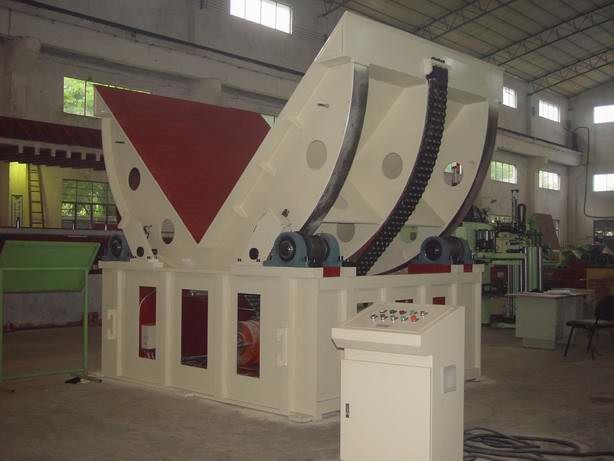
From Data to Actionable Maintenance: The Predictive Workflow
The transition from raw sensor readings to a well-executed maintenance task involves a defined workflow, significantly differentiating predictive from traditional maintenance approaches.
-
Preventive vs. Predictive: Preventive maintenance relies on time-based or usage-based schedules (e.g., lubricate bearings every 500 hours). It’s proactive but often leads to unnecessary work on healthy components or fails to catch early-onset issues. Predictive maintenance, driven by IoT data, is condition-based. Maintenance is only performed when data indicates a genuine need, optimizing resource allocation and maximizing component lifespan. For heavy-load equipment like mold upender units, where failure can be particularly hazardous and costly, the precision of predictive maintenance offers substantial advantages.
-
The Role of Algorithms:
- Thresholding: The simplest form – alerts trigger when a reading crosses a predefined limit (e.g., temperature > 80°C). Useful for immediate critical issues but less effective for gradual degradation.
- Statistical Process Control (SPC): Monitors data trends and variability, identifying when parameters drift outside normal operating ranges, even if still below absolute thresholds.
- Pattern Recognition: Compares real-time data patterns (like vibration frequencies) against known failure signatures stored in a database.
- Machine Learning (ML): The most advanced approach. ML models learn the unique operating profile of each upender and can detect complex, multi-variable correlations that indicate subtle, developing faults invisible to simpler methods. They can also provide estimations of Remaining Useful Life (RUL).
-
Alerting and Integration: Actionable insights require effective communication.
- Dashboards: Centralized visualization of all monitored upenders, showing current status, alerts, and historical trends.
- Notifications: Automated alerts via email, SMS, or mobile app push notifications sent directly to relevant personnel when anomalies are detected.
- CMMS Integration: Seamlessly creating work orders in the facility’s Computerized Maintenance Management System (CMMS) when a predictive alert is triggered. This automates the workflow from detection to repair dispatch.
-
Upender-Specific Benefits:
- Enhanced Safety: Predicting failures in systems handling multi-ton loads significantly reduces the risk of accidents caused by sudden breakdowns.
- Maximized Uptime: Crucial for production lines where the upender is a bottleneck. Minimizing unplanned stops directly boosts throughput.
- Optimized Maintenance Resources: Technicians focus on validated issues, avoiding unnecessary inspections and ensuring they have the right parts available due to advance warning.
- Reduced Spare Parts Inventory: Predictive insights allow for just-in-time ordering of necessary components rather than holding large, costly inventories “just in case.”
- Extended Equipment Lifespan: Addressing minor issues proactively prevents them from cascading into major, irreparable damage.
This intelligent, data-driven approach transforms upender maintenance from a cost center focused on reaction to a strategic function focused on reliability and operational excellence.
The Tangible Benefits of IoT-Powered Upender Management
Are you constantly battling unexpected upender breakdowns that halt production and inflate repair bills? Do safety concerns around heavy load handling keep you up at night? Imagine shifting to a proactive stance where you anticipate issues and schedule maintenance on your terms, optimizing costs and ensuring safety.
Implementing IoT for real-time monitoring and predictive maintenance on upenders delivers substantial ROI by drastically reducing costly unplanned downtime. It significantly lowers overall maintenance expenditures by eliminating unnecessary tasks and emergency repairs. Furthermore, this smart technology enhances worker safety around heavy machinery, extends the operational lifespan of valuable assets, and optimizes spare parts logistics, contributing directly to a more efficient and profitable operation.
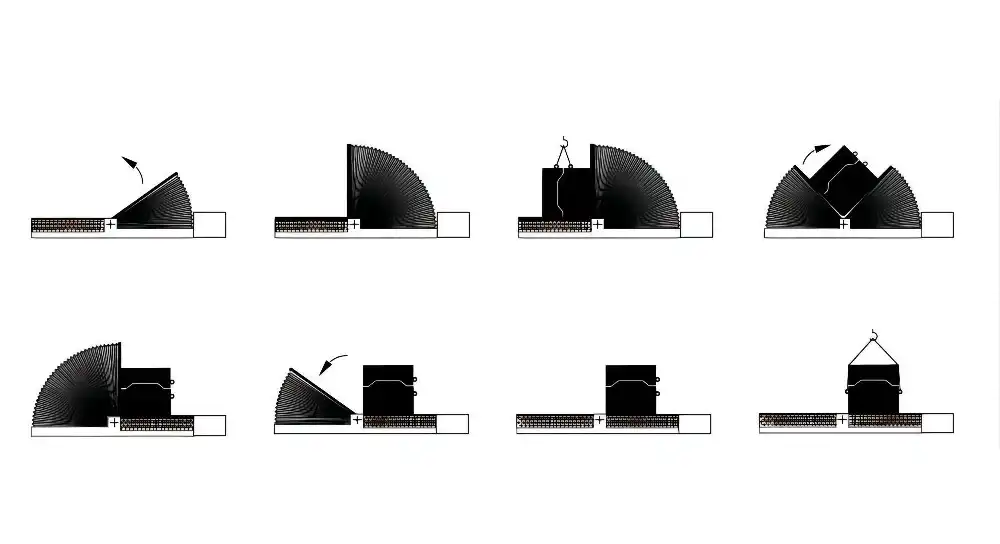
Quantifying the Value Proposition: Beyond the Buzzwords
The advantages of IoT-enabled predictive maintenance aren’t just theoretical; they translate into measurable improvements across key performance indicators (KPIs) for operations relying on upenders.
-
Reduced Unplanned Downtime: This is often the most significant benefit. Unplanned stops disrupt production schedules, cause delivery delays, and incur premium costs for emergency repairs and expedited parts. Studies across industries show IoT predictive maintenance can reduce unplanned downtime by 30-50%. For a critical piece of equipment like an upender, the savings accumulate rapidly.
-
Lower Maintenance Costs: Moving away from run-to-failure or rigid preventive schedules saves money. Predictive maintenance helps:
- Eliminate unnecessary preventive tasks on healthy equipment.
- Reduce overtime labor associated with emergency repairs.
- Minimize secondary damage caused by catastrophic failures.
- Optimize technician time by focusing efforts where needed. Overall maintenance cost reductions typically range from 20-40%.
-
Enhanced Worker Safety: Upenders handle extremely heavy and often unwieldy loads (e.g., large molds, coils, engines). A sudden mechanical or hydraulic failure during operation can lead to severe accidents. By providing early warnings of potential failures (e.g., hydraulic pressure loss, bearing seizure), IoT systems create a safer working environment.
-
Extended Asset Lifespan: Catching and correcting issues like misalignment, imbalance, or poor lubrication early prevents accelerated wear and tear on critical components. Addressing these root causes, rather than just reacting to symptoms, can extend the useful operational life of an upender by 10-25% or more, maximizing the return on capital investment.
-
Improved Operational Efficiency (OEE): Overall Equipment Effectiveness (OEE) measures availability, performance, and quality. By boosting availability (less downtime) and potentially performance (ensuring optimal operation), IoT directly contributes to higher OEE scores.
-
Optimized Inventory Management: Knowing which components are likely to fail and when allows for more precise spare parts management. This reduces the capital tied up in inventory while ensuring parts are available when needed, minimizing repair delays.
Let’s compare the approaches using typical industry benchmarks:
| Benefit Metric | Traditional Maintenance (Reactive/Preventive) | IoT Predictive Maintenance | Potential Improvement |
|---|---|---|---|
| Unplanned Downtime Hours | High | Significantly Reduced | 30-50% Reduction |
| Overall Maintenance Cost | Baseline / Potentially High (Emergency) | Lower | 20-40% Reduction |
| Safety Incident Risk | Elevated | Reduced | Significant Improvement |
| Asset Utilization | Sub-optimal due to downtime | Maximized | Increased Production Output |
| Asset Lifespan | Standard | Extended | 10-25% Increase |
| Spare Parts Inventory | Higher (Just-in-case) | Optimized (Just-in-time) | Reduced Holding Costs |
Investing in IoT for upender monitoring and maintenance isn’t just about adopting new technology; it’s a strategic decision to enhance reliability, safety, and profitability.
Implementing an IoT Solution for Your Upenders
Embarking on an IoT implementation for upender monitoring and predictive maintenance might seem daunting, but a structured approach can simplify the process. It starts with understanding your specific needs and gradually scaling the solution, ensuring it aligns with your operational goals and delivers tangible value from the outset.
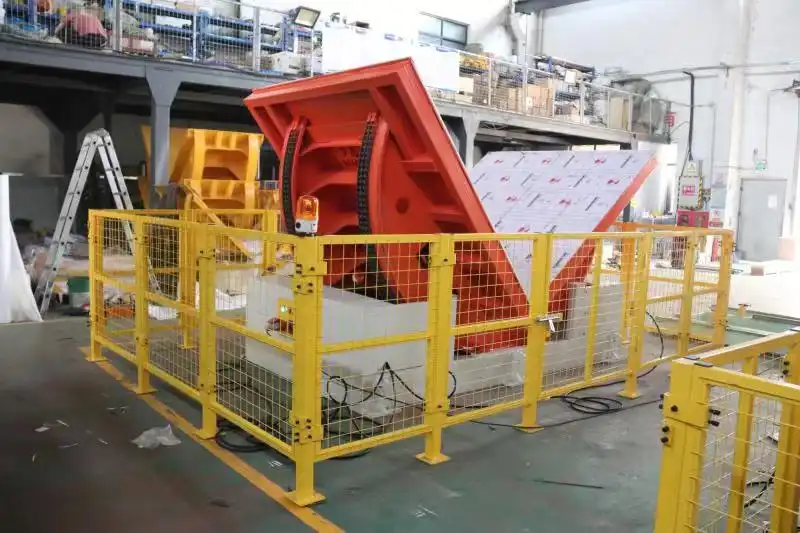
Successfully implementing an IoT solution involves a systematic process: first, identify the critical failure modes and components specific to your upenders. Then, select and install appropriate sensors (vibration, temperature, pressure, etc.) tailored to monitor these areas. Establish robust and secure IoT connectivity – often using industrial-grade cellular or Wi-Fi networks. Choose a scalable IoT platform capable of data aggregation, advanced analytics, and clear visualization. Crucially, integrate the generated insights into your existing maintenance workflows, potentially linking alerts directly to your CMMS. Starting with a pilot program on one or two upenders is highly recommended to refine the process before a full-scale rollout.
The journey involves several key stages:
- Needs Assessment & Goal Setting: Clearly define what you want to achieve. Is the primary goal reducing downtime, enhancing safety, cutting maintenance costs, or extending asset life? Identify the most frequent or most critical failure points on your specific upender models (e.g., hydraulic system failures, motor burnouts, bearing seizures). This focus ensures the solution addresses your biggest pain points.
- Sensor Selection and Placement: Based on the identified failure modes, choose the right sensors. Don’t over-sensor; focus on components providing the most valuable data for prediction. Consider the operating environment (temperature extremes, dust, moisture) when selecting sensor hardware (IP rating). Proper placement is crucial for accurate data collection.
- Connectivity Strategy: Evaluate the network infrastructure at the upender’s location. Is reliable plant Wi-Fi available? Is cellular coverage strong (LTE-M, NB-IoT, or 5G offer good industrial options)? Or is a long-range, low-power network like LoRaWAN more suitable for transmitting basic sensor data? Security must be paramount in choosing and configuring the network.
- Platform Selection (Cloud vs. Edge): Decide where data processing will occur. Cloud platforms offer scalability and powerful analytics capabilities but rely on constant connectivity. Edge computing processes data closer to the source (on or near the upender), reducing latency and bandwidth needs, which can be vital for real-time control or in areas with unreliable connectivity. Often, a hybrid approach is used. The platform should offer user-friendly dashboards, robust analytics tools (including ML capabilities), and easy integration options (e.g., via APIs).
- Pilot Program: Select one or two representative upenders for an initial trial. This allows you to test the sensors, connectivity, platform, and workflow in a controlled environment. It helps identify unforeseen challenges, refine alert thresholds, and demonstrate value to stakeholders before committing to a larger investment.
- Integration with Workflows: The insights generated are useless if not acted upon. Integrate the IoT platform with your CMMS to automatically generate work orders based on predictive alerts. Define clear procedures for how maintenance teams should respond to different types of alerts. Train personnel on using the new system and interpreting the data.
- Security Measures: Implement end-to-end security, from sensor authentication and encrypted data transmission to secure cloud storage and access control on the platform. Protect your operational data from unauthorized access or tampering.
- Scalability and Continuous Improvement: Design the system with future expansion in mind. As you gain experience, continuously refine your analytical models, adjust alert thresholds, and potentially add more sensors or monitor additional assets based on the insights gained.
By following these steps, businesses can effectively deploy IoT technology to transform their upender maintenance practices, moving towards smarter, safer, and more efficient operations.
Conclusion
In conclusion, leveraging the Internet of Things for real-time monitoring and predictive maintenance offers a transformative approach for managing industrial upenders. By harnessing data from strategically placed sensors, analyzing trends, and predicting potential failures before they occur, businesses can significantly reduce costly unplanned downtime, enhance operational safety, lower maintenance expenditures, and extend the lifespan of their critical equipment. The foundation of this powerful capability lies in robust IoT connectivity, enabling the seamless flow of data from the machine to actionable insights. Adopting this technology is not merely an upgrade; it’s a strategic move towards more resilient, efficient, and data-driven manufacturing and logistics operations.








