
How Can European Steel Producers Standardize Safety Across All Coil Upenders?
Are you a European steel producer facing constant pressure? Do you worry about worker safety, efficiency, and rising costs? Many factory managers like you struggle with inconsistent safety protocols. This leads to accidents, production delays, and higher insurance premiums. The problem is clear: manual handling of heavy steel coils is risky. Different plants often use different methods for coil upending. This creates a messy situation. It means safety is not the same everywhere. This lack of standardization puts your workers at risk. It also makes your operations less efficient.
Standardizing safety across all coil upenders in European steel plants is not just a dream. It is a necessary step. It means putting in place clear, consistent safety rules and using the right equipment. This approach tackles the core issue of human error and inconsistent practices. It helps to prevent injuries. It also improves how smoothly your production lines run. We can achieve this by choosing reliable, automated upending machines. We also need to follow strict operating procedures. This will make every plant safer. It will also help your business grow.
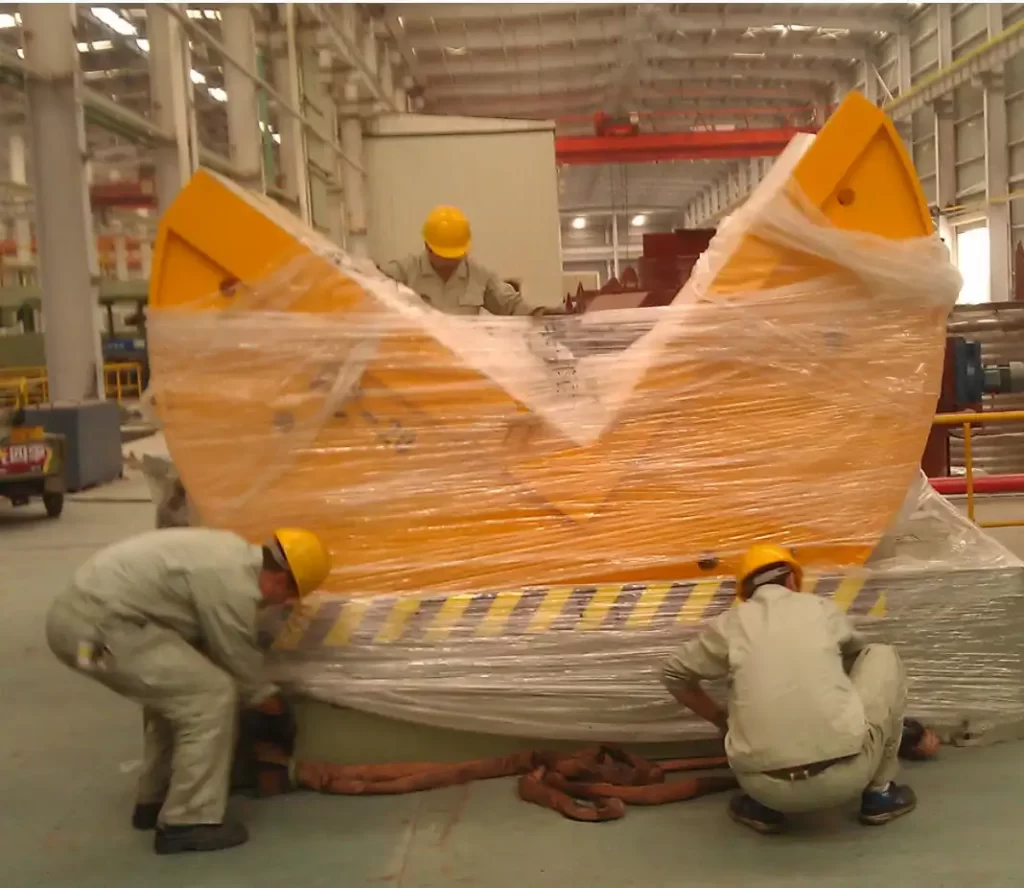
Understanding the need for standardized safety is one thing. Knowing how to achieve it is another. I have spent years in the packing machine industry. I started on the factory floor. Then I built my own successful factory. I have seen firsthand the challenges and the solutions. This journey taught me a lot about real-world plant operations. Let’s dig deeper into how European steel producers can make safety uniform across all their coil upending processes. This will protect their people and their profits.
Why is Standardizing Safety for Coil Upenders So Critical for European Steel Plants?
Are your steel plant operations risking worker safety every day? Are you dealing with the high costs of accidents and downtime? Many European steel producers face these exact problems. Manual handling of heavy coils is a serious hazard. It often leads to severe injuries. This raises insurance costs. It also causes low employee morale. When safety standards differ from one plant to another, the risk increases even more. This inconsistency creates gaps where accidents can happen.
Standardizing safety for coil upenders is crucial. It creates a unified safety culture across all your European plants. It sets clear, universal guidelines for how every coil upender must operate. This means every worker, no matter their location, follows the same strict safety steps. This reduces human error. It also minimizes the chance of accidents. When safety is consistent, your operations become more predictable. Your workers are safer. Your company also builds a reputation for caring about its employees. This is good for business.

When I was an employee in a packing machine factory, I saw how different approaches to safety could lead to problems. Later, when I started my own factory, I made safety a top priority. I realized early on that consistency was key. In the European steel industry, the stakes are very high. Heavy coils weigh many tons. Any mistake can have severe consequences.
What are the Dangers of Inconsistent Safety?
Inconsistent safety practices are a major issue. They create a patchwork of different rules and equipment. This means a worker trained in one plant might not follow the same procedures in another. This confusion can lead to accidents.
- Increased Risk of Accidents: Without standard rules, workers might use unsafe shortcuts. They might not understand specific machine operations. This is especially true if they move between plants. Injuries from dropped coils or crushing hazards become more likely. These accidents cost lives. They also cost companies a lot of money in medical bills and legal fees.
- Regulatory Non-Compliance: European Union (EU) regulations are strict. They focus on worker safety. If your plants do not follow uniform standards, you risk failing inspections. This can lead to heavy fines. It can also damage your company’s reputation. Compliance is not just about avoiding penalties. It is about protecting your workforce.
- Operational Inefficiencies: Accidents cause production stops. When a worker is injured, the line stops. Investigations take time. This means lost production hours. Inconsistent training also means workers take longer to learn new tasks. They make more mistakes. This slows down the whole operation.
- Higher Costs: Injuries lead to higher insurance premiums. They also mean more worker’s compensation claims. Replacing injured workers adds recruitment and training costs. All these expenses chip away at your profits. A safe plant is a cost-effective plant.
My experience taught me that investing in safety upfront saves money in the long run. For example, I worked with a client who struggled with coil damage during transfers. Their old manual methods were not only slow but also dangerous. We helped them implement an automated coil upender. This machine not only increased efficiency but also dramatically reduced injury risks. The initial investment paid for itself quickly through reduced product damage and safer operations.
Standardization means using the same safety equipment across all facilities. It means training workers in the same way. It also means regular audits to ensure rules are followed. For coil upenders, this could mean using machines with specific safety features. Examples include emergency stop buttons, interlocks, and clear guarding. It also means having standard procedures for loading, operating, and unloading the coils. This systematic approach ensures that safety is embedded in every part of your operation, not just an afterthought.
What Specific Hazards Do Non-Standardized Coil Upender Operations Create?
Are you losing sleep over potential accidents in your steel factory? Do you constantly worry about the dangers of handling massive steel coils? Non-standardized coil upender operations are a ticking time bomb. They create predictable risks that can lead to severe injuries or even death. Without clear, consistent procedures, every shift and every plant runs its own version of “safe” operations. This approach is highly unpredictable. It exposes workers to unnecessary dangers.
Non-standardized coil upender operations pose several specific hazards. These risks often stem from a mix of human error and inadequate equipment. The lack of uniform training means workers may not fully understand the machine’s limits. They may not know the correct safety protocols. This includes the proper way to secure a coil. It also means not knowing the safe distance to maintain. Furthermore, if each plant uses different types of upenders without common safety features, the risks multiply. This leads to a dangerous environment where accidents are likely to happen.

When I was helping clients set up their packing lines, I often saw facilities with a mix of old and new equipment. Each machine had its own quirks and required different handling. This made training difficult and safety oversight a nightmare. This challenge is even greater with heavy machinery like coil upenders.
How Does Inconsistency Lead to Danger?
The dangers are not just theoretical. They are real and have serious consequences.
- Risk of Crushing Injuries: Steel coils are extremely heavy. If an upender malfunctions or a coil slips, it can crush a worker. Without standardized lockout/tagout procedures or clear danger zones, workers might be in the wrong place at the wrong time. Manual adjustments or forced movements increase this risk significantly.
- Impact from Falling Objects: When coils are lifted or tilted, they can shift unexpectedly. If they are not properly secured, they can fall. A falling coil or part of a coil can cause severe impact injuries. This is a common hazard when using outdated or poorly maintained upenders. This also happens when operators rush the process.
- Pinch Point Hazards: Upenders have many moving parts. These include hydraulic cylinders, rotating platforms, and clamps. Without proper guarding and safety interlocks, hands or limbs can get caught in pinch points. This can cause amputations or severe lacerations. Standardized designs would ensure these hazards are minimized across all machines.
- Ergonomic Strain: Many non-standardized upending processes still rely on significant manual intervention. Workers might need to push or pull coils into position. They might also need to connect straps or adjust supports by hand. This leads to musculoskeletal disorders over time. These issues increase healthcare costs and absenteeism.
- Equipment Malfunction and Failure: Older or poorly maintained upenders are more prone to breakdowns. This can be due to worn parts or inadequate hydraulic systems. A sudden equipment failure during an upending operation is extremely dangerous. Standardized maintenance schedules and equipment upgrades are vital to prevent such failures.
I remember one instance where a client was using an old, custom-built upender. It had no modern safety features. The operator had to manually adjust the coil with a crowbar as it tilted. This was incredibly risky. We replaced it with a new, fully automated upender. The new machine secured the coil automatically. It tilted it smoothly. This completely removed the need for manual intervention. The client immediately saw a drop in minor injuries. They also saw an increase in their production speed.
Standardization addresses these specific hazards head-on. It ensures that every upender, regardless of its location, has the necessary safety features. It ensures every worker receives the same high level of training. This training covers safe operating procedures. It also covers emergency protocols. It includes how to identify and report potential hazards. This unified approach transforms a dangerous process into a controlled one. It protects your most valuable asset: your people.
How Can Modern Coil Upender Technology Pave the Way for Consistent Safety?
Is your steel plant stuck with outdated equipment? Are you struggling to improve safety while increasing output? Modern coil upender technology offers a powerful solution. Old machines often lack critical safety features. They require more manual labor. This makes them less efficient and more dangerous. The constant pressure to meet production targets can push safety to the back burner. This is a risky path. You need equipment that is built for both performance and protection.
Modern coil upender technology is key to achieving consistent safety across all your European steel plants. These new machines are designed with safety as a core principle. They use advanced automation and intelligent controls. This greatly reduces the need for human interaction during the upending process. This means fewer hands-on tasks, which lowers the risk of injury. They also come with integrated safety features. These features are standard. They include robust guarding, emergency stop systems, and interlocks. These features prevent accidents before they happen. They ensure every operation is as safe as possible.

In my journey from a factory employee to owning FHOPEPACK, I focused on creating solutions that work in the real world. I understood that technology isn’t just about speed. It is also about making things safer and more reliable. This is very true for coil upenders.
What Features Make Modern Upenders Safer?
Modern coil upenders have specific features that contribute to consistent safety.
- Automation and Reduced Manual Intervention:
- Automated Coil Loading/Unloading: Many modern upenders integrate with conveyors or automated guided vehicles (AGVs). This removes the need for forklifts or manual pushing near the machine. Workers stay at a safe distance.
- Automated Clamping and Rotation: The machine automatically secures the coil before tilting. It rotates it smoothly. This eliminates manual adjustments. It reduces the risk of the coil shifting or falling. This is very important for large, heavy coils.
- Integrated Safety Systems:
- Safety Light Curtains/Sensors: These systems detect if a person enters a dangerous zone. If someone crosses the beam, the machine immediately stops. This prevents crushing injuries.
- Emergency Stop Buttons: E-stop buttons are placed at multiple, easily accessible points around the machine. They allow workers to stop the operation instantly in an emergency.
- Interlocks and Guarding: Physical barriers and interlocked gates prevent access to moving parts during operation. The machine will not start if a gate is open. This protects workers from pinch points and moving machinery.
- Robust Design and Durability:
- Heavy-Duty Construction: Modern upenders are built with strong, high-quality materials. They are designed to withstand continuous, heavy industrial use. This reduces the risk of structural failure. It ensures long-term reliability.
- Advanced Hydraulic Systems: Improved hydraulic components offer smoother, more controlled movements. They reduce the risk of sudden drops or jerky motions. This increases both safety and machine lifespan.
- Operator Interface and Diagnostics:
- User-Friendly HMI (Human-Machine Interface): Touchscreen controls make it easy for operators to control the machine. They can monitor its status. This reduces training time. It also reduces operational errors.
- Fault Diagnostics: Modern systems can identify and display error codes. This helps maintenance teams quickly pinpoint problems. They can fix them before they lead to serious malfunctions or safety issues. This minimizes downtime. It keeps the machine running safely.








