
How Can Canadian Plants Enhance Safety with a Cold‑Climate Rated Coil Upender?
Canadian manufacturers face tough winter conditions. This makes plant safety a big concern. Manual handling of heavy coils in cold weather is risky. This leads to serious accidents and lost production. Your workers face danger every day. High injury rates cost a lot in insurance and downtime. But there is a better way. Modern technology can make your plant safer. It can also boost your output.
A cold-climate rated coil upender greatly improves safety in Canadian plants. It removes the need for workers to manually flip heavy coils. This machine handles large, heavy items safely and efficiently. It works even in very low temperatures. This cuts down on injuries. It also makes your operations smoother and faster.
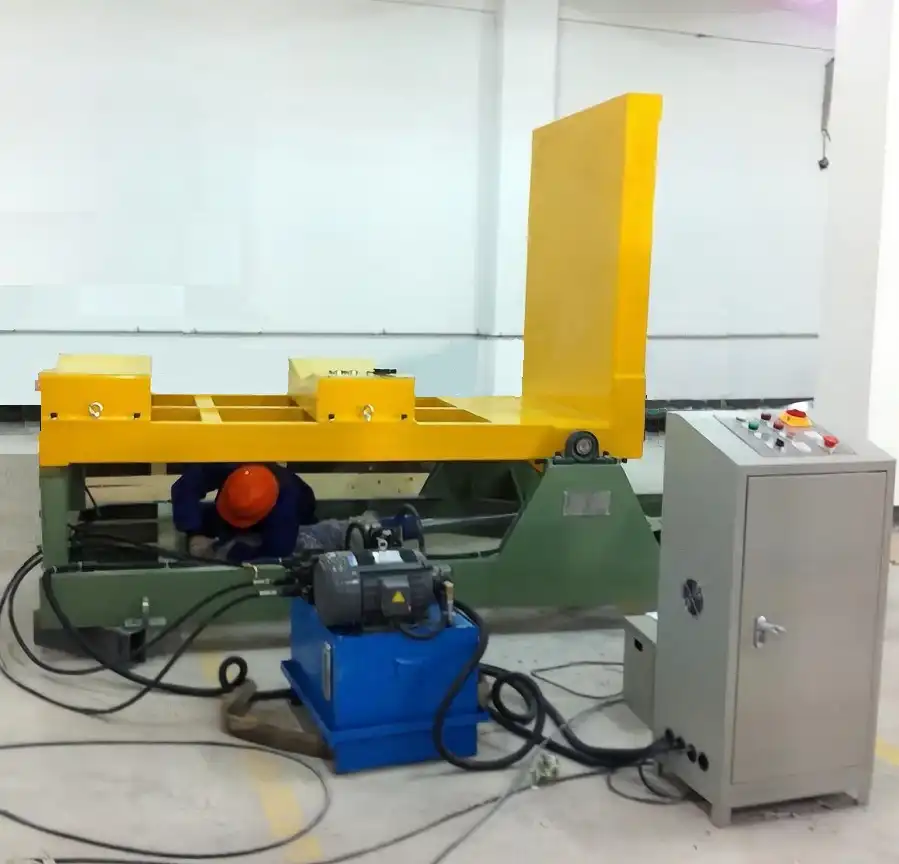
As someone who has built a packing machine factory from the ground up, I understand the pressures you face. You need reliable solutions. You need equipment that works in your specific environment. Let’s look closer at how this technology solves real problems for factories like yours.
Why is Manual Coil Handling So Dangerous in Cold Climates?
Many factories still rely on people to move heavy coils. This is especially true for flipping them. In Canada, cold adds another layer of risk. Workers can slip on cold floors. Metal handles can be slippery. Cold makes muscles stiff. This increases the chance of serious sprains and broken bones. Think about the direct costs of an injured worker. Think about the disruption to your production line. There is a way to remove this risk. We can take people out of harm’s way.
Manual coil handling in cold climates is very dangerous due to slippery conditions, stiff muscles, and heavy loads. Workers can suffer severe sprains, back injuries, or even crushing accidents. Cold weather also makes equipment brittle. This adds to the risks. An automated solution protects your team.

The Hidden Costs of Manual Labor
Relying on human labor for heavy tasks like coil flipping comes with significant costs. These are often hidden. First, there are the direct costs of injuries. These include medical bills, workers’ compensation claims, and legal fees. A single serious injury can cost a company hundreds of thousands of dollars. But the indirect costs are often much higher. When a worker gets hurt, production stops. Other workers might be distracted or scared. You need to train a new person. This takes time and money. Morale can drop. Your insurance premiums can go up. A high injury rate can also damage your company’s reputation. It makes it hard to attract good employees.
Unique Cold Climate Risks
Working with heavy materials in cold environments adds specific dangers. Floors can be icy or wet, leading to slips and falls. Equipment can become brittle. Metal surfaces are colder. This makes them harder to grip. It also makes them more prone to cracking under stress. Cold temperatures affect human performance. Muscles get stiff. Dexterity decreases. Workers might wear thick gloves. This limits their feel for the task. It increases the chance of dropping heavy items. I have seen how cold affects machinery performance firsthand. I have also seen the accidents it causes. That is why I always focus on robust design. My experience taught me that preventing accidents is always cheaper than dealing with them.
| Hazard Type | Impact in Cold Climate | Risk Level (Manual Handling) |
|---|---|---|
| Slippery Surfaces | Ice, snow, condensation | High |
| Reduced Dexterity | Thick gloves, stiff muscles | High |
| Brittle Materials | Cold-induced material weakness | Medium |
| Heavy Loads | Increased strain on cold bodies | High |
| Equipment Failure | Standard components not rated for cold | High |
How Does a Coil Upender Improve Plant Efficiency and Reduce Damage?
Manual coil flipping is slow. It creates bottlenecks. It also often leads to product damage. Think about bent coil edges. Think about scratched surfaces. These issues lead to customer complaints. They also eat into your profits. Every damaged coil costs money and trust. A coil upender can solve these problems. It speeds up your process. It also protects your product quality.
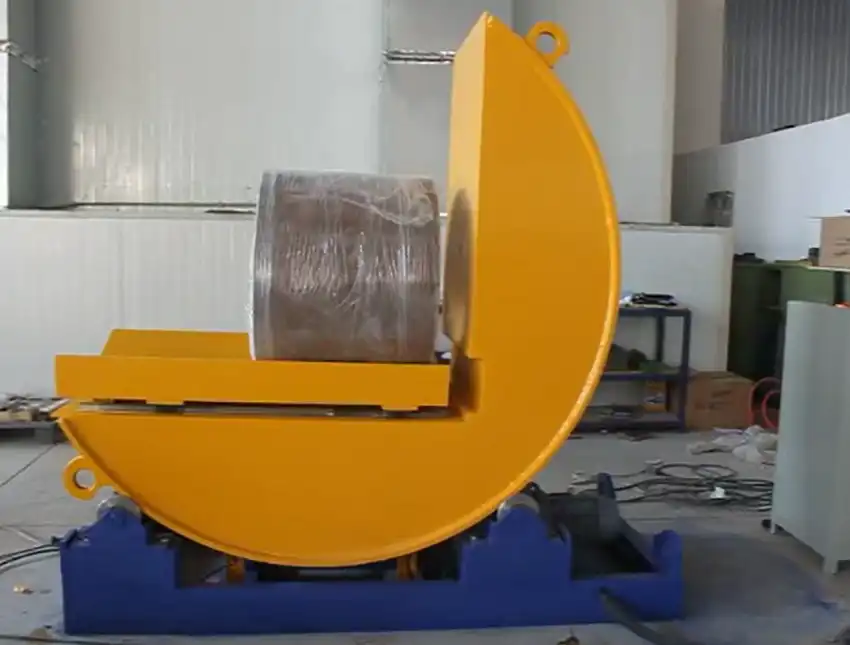
A coil upender improves efficiency by automating the heavy lifting. It removes bottlenecks caused by manual flipping. This machine handles coils gently. It stops product damage like bent edges and scratches. This leads to faster production. It also improves customer satisfaction.
Eliminating Production Bottlenecks
In many factories, the final stage of production is a major bottleneck. This is often where products need to be packed or reoriented. If you are still relying on manual methods to flip heavy steel coils or wire coils, you are losing valuable time. Workers can only lift so much. They can only move so fast. An automated coil upender, however, can handle these tasks quickly and consistently. It moves coils from horizontal to vertical, or vice versa, in minutes. This speed means that products flow through your line without interruption. It removes the waiting time. This boosts your overall production output. It makes your whole factory more efficient.
Protecting Your Valuable Product
Product damage during handling is a silent profit killer. For Michael Chen, bent coil edges or scratched surfaces mean customer complaints and financial losses. Manual handling increases this risk. Workers might drop a coil. They might bump it against something. They might not position it perfectly. A coil upender removes these human errors. It uses precise hydraulic or mechanical systems. These systems hold the coil firmly. They rotate it smoothly. This gentle handling stops damage. It protects the integrity of your product. This means fewer rejected products. It means happier customers. This also means you save money on scrap and rework. I have always designed machines with product integrity in mind. Protecting the product is key.
| Feature | Manual Handling | Automated Upender |
|---|---|---|
| Speed | Slow, inconsistent | Fast, consistent |
| Product Damage Risk | High (dents, scratches) | Low (gentle, precise handling) |
| Labor Requirement | High (multiple workers often needed) | Low (one operator) |
| Safety for Workers | Very low | High |
| Consistency | Varies by worker | High, repeatable |
| Throughput | Limited | High, continuous flow |
What Makes a Coil Upender “Cold-Climate Rated” and Why Does It Matter for Canada?
Not all machines are built for Canada’s winters. A standard upender might fail in sub-zero temperatures. This means unexpected breakdowns. It means costly repairs. It means lost production time. Investing in the wrong machine is a waste of money. You need an upender designed for the cold. You need one that works when you need it most.
A cold-climate rated coil upender uses special components. These include low-temperature hydraulic fluids, robust seals, and heating elements. It has strong steel that does not become brittle in the cold. This ensures reliable operation. It also prevents breakdowns in Canada’s harsh winter conditions.

Key Features of Cold-Climate Design
A coil upender designed for cold climates is not just a standard machine with an extra coat of paint. It is engineered with specific features to withstand low temperatures. First, it uses special hydraulic fluids. These fluids have a lower viscosity. This means they do not thicken in the cold. They allow the machine to operate smoothly. Second, all electrical components, like motors and sensors, must be rated for extreme cold. Standard electronics can fail in sub-zero conditions. Third, the steel structure itself is important. It must be made from specific alloys. These alloys do not become brittle at low temperatures. They maintain their strength. Some critical parts might have built-in heating elements. These keep the hydraulic tank and motor warm. This ensures they start up easily and run efficiently. Finally, seals and gaskets are crucial. They must be made from materials that remain flexible in the cold. This prevents leaks and ensures smooth operation.
The ROI of Cold-Climate Readiness
Investing in a cold-climate rated upender offers a clear return on investment. The biggest gain is reliable operation during winter months. A standard machine might break down. This causes expensive downtime and lost production. A cold-climate unit keeps running. This means consistent output year-round. You save money on maintenance costs. You do not need to call technicians for cold-related failures. The components last longer. This extends the machine’s lifespan. You avoid the cost of replacing parts often. It also means you can meet your delivery schedules. This keeps your customers happy. I know what it takes to build machines that last. My own factory used machines that could handle tough conditions. I made sure of it. This thinking goes into every FHOPEPACK solution. We design for durability.
| Feature Comparison | Standard Upender | Cold-Climate Rated Upender |
|---|---|---|
| Hydraulic Fluid | Standard (thickens in cold) | Low-viscosity (flows well in cold) |
| Electricals | Not rated for extreme cold | Rated for sub-zero temperatures |
| Steel Structure | Standard steel (can become brittle) | Cold-resistant alloys (maintains strength) |
| Heating Elements | None | Optional for hydraulic tank, motor, controls |
| Seals & Gaskets | Standard rubber (can crack in cold) | Cold-flexible materials (maintains integrity) |
| Performance in Cold | Poor, prone to breakdown | Reliable, consistent |
| Lifespan in Cold | Shorter due to stress | Longer, designed for harsh conditions |
Can a Cold-Climate Upender Truly Solve Supplier Trust Issues and Deliver ROI?
You have worked with suppliers who did not deliver. They promised much but gave little in support. This has made you cautious. You worry about buying another machine that fails to meet expectations. You worry about poor after-sales service. This makes big investments hard. Finding a trustworthy partner is crucial. You need someone who understands your needs. You need a partner who delivers on promises.
A reputable supplier of cold-climate upenders builds trust by offering transparent ROI projections and strong after-sales support. They understand your operational challenges. They show how the machine directly solves problems like safety hazards and efficiency bottlenecks. This partnership ensures your investment pays off.
Building Trust Through Expertise and Support
As Randal Liu, I started as an employee in a packing machine factory. I then built my own successful factory. This journey taught me about real-world challenges. I faced the same pressures that Michael Chen faces every day. I know what it means to keep a factory running. I understand production bottlenecks, safety risks, and the need for reliable equipment. This is why FHOPEPACK focuses on sharing knowledge. It is not just about selling a machine. It is about building a partnership. A good supplier provides more than just equipment. They offer expert consultation before you buy. They help you find the right solution for your specific needs. They provide strong after-sales support. This includes training for your team. It also includes maintenance guidance. This ensures your machine runs smoothly for years. I believe in helping clients grow their businesses. That is why I share my knowledge. It is about building a relationship based on trust and shared success.
Calculating Your Return on Investment (ROI)
The investment in a cold-climate rated coil upender has a clear and strong return. It is not just an expense. It is an asset that saves you money and makes you more productive. First, you reduce labor costs. You need fewer workers to perform dangerous, slow tasks. Second, you cut down on injury claims. Fewer accidents mean lower insurance premiums. They also mean less money spent on medical costs and compensation. Third, you decrease product damage. This means less scrap. It means fewer returns. It means happier customers. This saves you money on materials and rework. Fourth, you increase your throughput. The machine works faster than people. This means you produce more. You deliver faster. This boosts your overall profits. Lastly, the cold-climate rating means your machine lasts longer. It needs fewer repairs. This adds to your long-term savings.
| ROI Factor | How Coil Upender Helps | Financial Impact |
|---|---|---|
| Labor Costs | Reduces manual handling needs | Lower payroll, less overtime |
| Safety & Injuries | Eliminates dangerous manual flipping | Lower insurance, fewer compensation claims |
| Product Damage | Gentle, precise handling, less scrap | Reduced material waste, fewer returns |
| Production Efficiency | Faster coil reorientation, removes bottlenecks | Increased output, faster delivery |
| Equipment Lifespan | Designed for cold, less wear and tear in winter | Lower replacement costs, longer asset life |
| Customer Satisfaction | Consistent product quality, faster order fulfillment | Improved reputation, repeat business |
Conclusion
Investing in a cold-climate rated coil upender transforms Canadian plants. It boosts safety, cuts costs, and improves efficiency. Partner with an expert like me to secure your future.








