

How Can Canadian Operators Master Easy-Load Controls on Mold Tilters?
leading paragraph: Are you a factory manager or operator in Canada, constantly facing the stress of slow production lines and the high risks of manual heavy lifting? Do you worry about the safety of your team and the damage to valuable products during transfer? Many operations struggle with these very issues, leading to lost time, increased costs, and unhappy clients. The need for safer, more efficient ways to handle heavy molds and coils is urgent.
snippet paragraph:
Canadian operators can master easy-load controls on mold tilters by understanding core features like simple interfaces, ergonomic design, and automated safety interlocks, which streamline heavy material handling, drastically cut down on manual effort, and improve both safety and efficiency on the factory floor. These systems are built to make complex tasks simple for everyone.
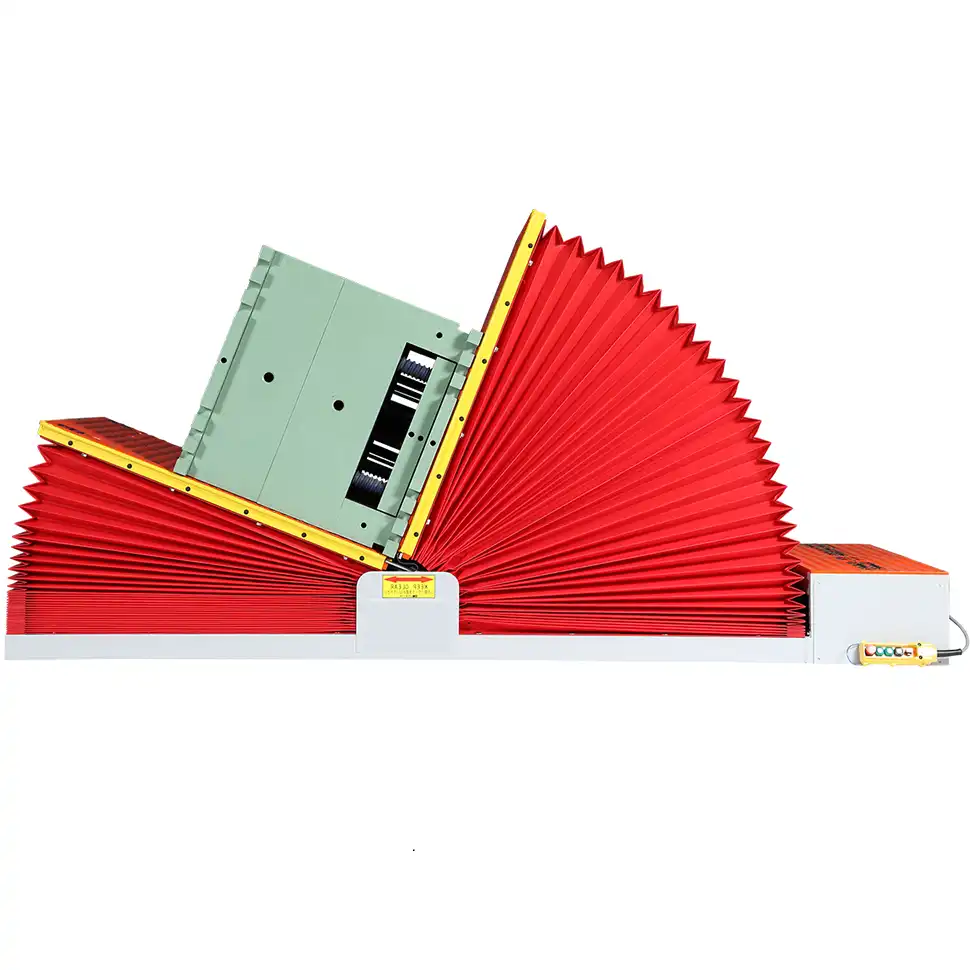

Transition Paragraph: If these challenges sound familiar, you are in the right place. I have spent years in the packing machine industry, building factories and helping businesses grow. Now, I want to share my insights with you. Let us explore how mastering easy-load controls on mold tilters can change your Canadian operations for the better.
Are Manual Mold Handling Risks Still a Major Concern for Canadian Operators?
leading paragraph: Are your workers still manually flipping or moving heavy molds and steel coils? This old way of doing things is a ticking time bomb. It does not just slow down your production. It puts your team at serious risk of injury. This old method also costs your business a lot in insurance claims and lost workdays.
snippet paragraph:
Yes, manual mold handling remains a significant safety concern for Canadian operators due to the extreme weight involved, which leads to high risks of musculoskeletal injuries, crushed limbs, and increased worker compensation claims. Mold tilters with easy-load controls directly address these dangers by automating the lifting and tilting process, thus reducing human contact with heavy loads.
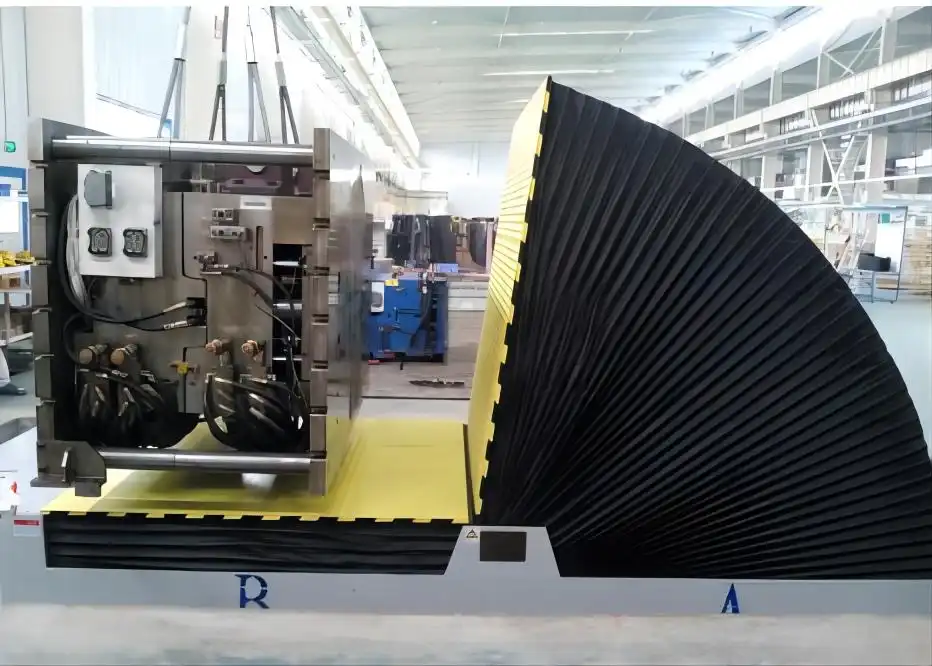

Dive deeper Paragraph: I have seen firsthand how much impact manual handling has on a factory floor. When I started my own packing machine factory, safety was always a top priority for me. I saw how even small mistakes could lead to big problems. Michael, a factory manager I know from the metal processing industry, faced this exact issue. His team spent too much time and effort manually flipping heavy coils. This led to many injuries and high insurance costs. This is not a sustainable way to run a business.
Consider the real costs of manual handling. It is not just about the medical bills. It is about lost productivity when a skilled worker is out. It is about the cost of training new staff. It is also about the impact on team morale. Workers feel safer and more valued when you invest in their well-being. Mold tilters with easy-load controls tackle these problems head-on. They remove the need for direct human contact with heavy loads. This makes the workspace much safer.
What specific risks does manual handling bring?
- Musculoskeletal Injuries: Back strains, sprains, and hernias are common. Workers lift heavy items. They twist and bend in awkward ways.
- Crushing Injuries: Heavy molds can fall. They can trap limbs or bodies. This risk is very high when using forklifts for flipping.
- Repetitive Strain Injuries (RSIs): Even light tasks done over and over can cause RSIs. But heavy manual handling makes it worse.
- Fatigue-Related Accidents: Tired workers make more mistakes. Manual heavy lifting is very tiring. This increases the chance of accidents.
Easy-load controls on mold tilters are designed to make these risks almost disappear. They provide precise control. An operator can manage a heavy mold with just a few buttons. This means no more pushing, pulling, or using unsafe methods. From my experience, factories that move to automated solutions like this see a quick drop in accidents. They also see a big boost in worker confidence. This is not just about buying a machine. It is about investing in your people and your future. It is a decision that pays for itself, not just in money saved, but in a healthier, happier workforce.
How Do Intuitive Controls on Mold Tilters Directly Boost Your Factory’s Efficiency?
leading paragraph: Is your production line slowing down at the point where heavy molds or coils need to be flipped or moved? Are complex machine controls confusing your operators and causing delays? These bottlenecks do not just cost you time. They eat into your profit margins and hold back your entire operation.
snippet paragraph:
Intuitive controls on mold tilters directly boost factory efficiency by simplifying the operation process, reducing training time for operators, and allowing for faster, more accurate handling of heavy materials. Operators can learn quickly and perform tasks with fewer errors, leading to smoother workflows, less downtime, and a significant increase in overall throughput on the production line.
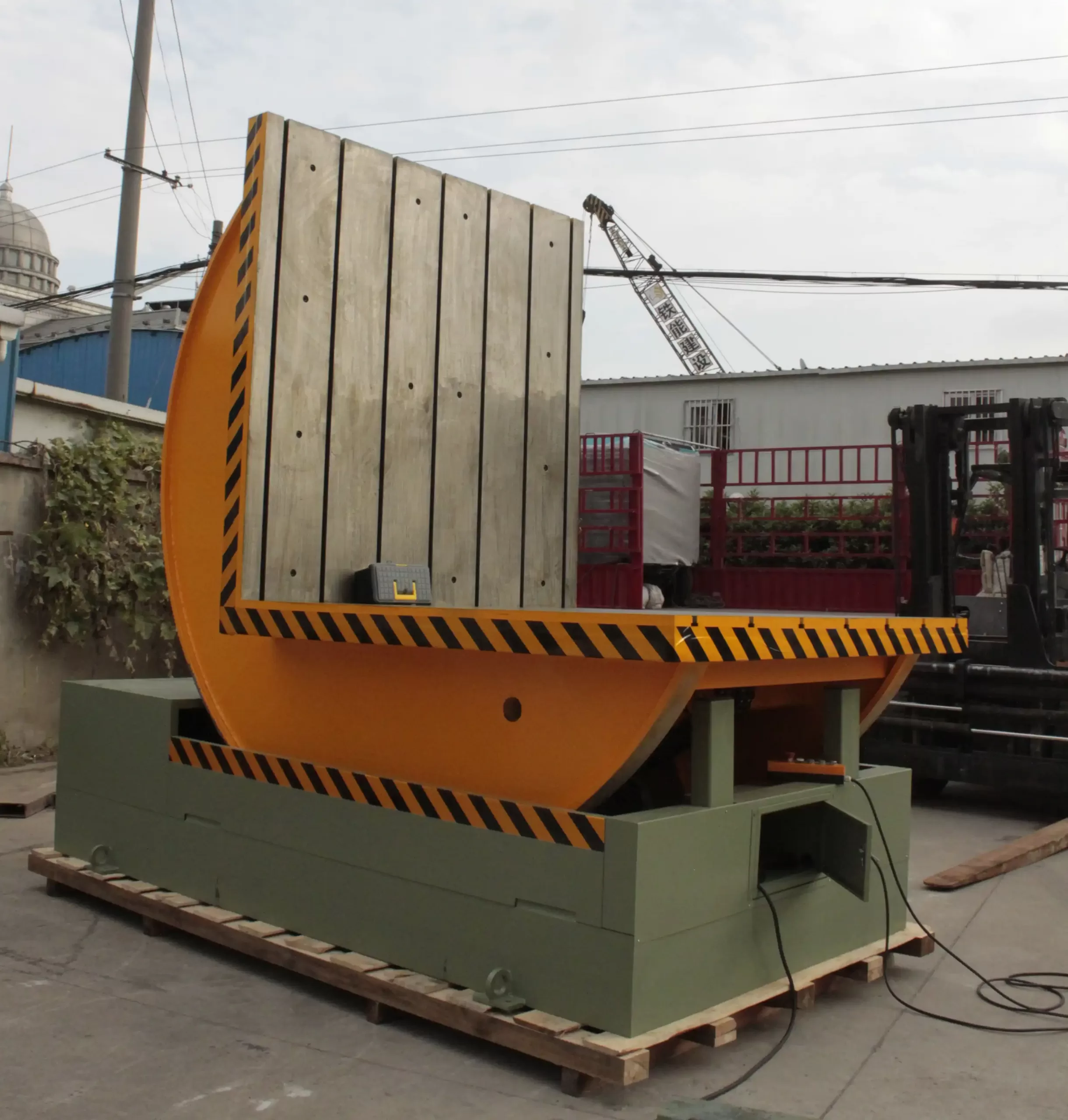

Dive deeper Paragraph: When I started FHOPEPACK, my goal was always to make operations smoother and more profitable. I know that efficiency is key for any factory. A machine is only as good as its controls. If they are hard to use, operators will struggle. This slows everything down. I have seen factories buy advanced machines. But then, they realize the controls are too complicated. This means the machine is not used to its full potential.
Intuitive controls mean less time spent on training. They mean fewer mistakes. They also mean faster cycle times. Imagine your operator can just walk up to a mold tilter. They push a few clear buttons. The machine does its work safely and quickly. This is the goal of easy-load controls. They are designed with the operator in mind. This design thinking comes from years of observing how people actually work on a factory floor.
Let us look at how intuitive controls translate into efficiency gains:
- Reduced Training Time:
- Simple Interface: Operators can understand the controls fast. They do not need long, complex training courses.
- Icon-Based Buttons: Clear pictures make functions easy to grasp. This helps new hires get productive quickly.
- Faster Operation Cycles:
- Streamlined Controls: Fewer steps are needed to perform a task. This means more flips or rotations per hour.
- Precise Movements: Operators can control the tilt exactly. This prevents overshooting or needing adjustments.
- Lower Error Rates:
- Clear Feedback: Lights or screens show the machine’s status. Operators know what is happening at all times.
- Built-in Safety Checks: The system guides the operator. It prevents unsafe moves. This means fewer costly mistakes.
- Improved Operator Morale:
- Less Frustration: Easy controls make work less stressful. Operators feel more competent.
- Empowerment: When operators can use a powerful machine easily, they feel more in control. This leads to higher job satisfaction.












