
How Can an Orbital Wrapping Machine Improve Packaging Protection for Aluminum Profiles in Greece?
You know the feeling. You run a busy factory. Every single day, you face the challenge of getting your aluminum profiles ready for shipment. You worry about scratches, dents, and bent edges. These small damages can lead to big problems, like unhappy customers and lost profits. In a place like Greece, with its diverse logistics, protecting your products is even more vital.
An orbital wrapping machine dramatically improves packaging protection for aluminum profiles. It does this by creating a tight, all-around wrap. This strong barrier shields the profiles from dust, moisture, and physical damage during transit and storage. It is much better than manual methods.

I have seen countless factories struggle with this very issue. From my own time on the factory floor and later building my own successful packing machine business, I learned what truly works. So, let’s explore how this technology can specifically benefit your operations and safeguard your valuable aluminum profiles.
Why is Traditional Aluminum Profile Packaging Falling Short in Greece?
Are you still using old ways to pack your aluminum profiles? You might be using hand-wrapping or simple bundling. These methods often fall short. They leave products exposed to damage. This can be costly for your business in Greece.
Traditional packaging methods, like manual stretch wrapping or simple banding, often fail to provide adequate protection for aluminum profiles. They leave gaps and weak spots. This makes the profiles vulnerable to scratching, impact damage, and environmental factors during handling and shipping.

Let me explain this further. I have spent decades in the packing machine industry. I know the weak points of traditional methods. They are not built for today’s tough supply chains.
The Hidden Costs of Inadequate Packaging
Poor packaging causes many problems. These problems go beyond just damaged goods. They hurt your business’s reputation and bottom line.
Manual Labor and Inconsistency
- High Labor Costs: Wrapping aluminum profiles by hand takes a lot of time and effort. You need many workers. This drives up your labor costs. In my own factory, I saw how much money we saved by automating this.
- Inconsistent Quality: Human workers cannot wrap every package exactly the same way. Some wraps will be loose. Some will have gaps. This leads to uneven protection. It means some profiles will be safer than others, by chance.
- Worker Safety Risks: Handling long, heavy aluminum profiles is dangerous. Workers can get injured. This leads to higher insurance costs. It also causes lost work days. I always focused on worker safety in my factory. It is not just about rules, it is about keeping people well.
Product Damage and Financial Losses
- Scratches and Dents: Aluminum profiles are easily scratched or dented. Manual wrapping often misses critical areas, like edges and corners. These small damages make products unsellable.
- Moisture and Dust: Open packaging lets in moisture and dust. This can lead to corrosion or dirty products. For high-quality aluminum, this is a big issue.
- Shipping Rejections: Customers expect perfect products. If they receive damaged goods, they will send them back. This costs you money in returns, reshipping, and potential penalties. It harms your customer relationships too.
- Reputation Damage: Consistently sending out damaged goods hurts your brand. Customers lose trust. This can lead to them choosing another supplier. I learned early on that quality control in packaging is key to keeping clients happy and growing your business.
Environmental Impact and Waste
- Excessive Material Use: Manual wrapping can use more film than needed. Workers might overwrap to feel secure. This leads to more waste material.
- Inefficient Use of Space: Poorly wrapped profiles can take up more space in storage or transit. This means higher warehousing and shipping costs.
- Disposal Challenges: Damaged products often end up as waste. This increases your disposal costs. It also adds to your factory’s environmental footprint.
These issues are not small. They add up fast. They can hold your business back. I know this from personal experience. I focused on fixing these things in my own operations.
How Does an Orbital Wrapper Prevent Damage to Aluminum Profiles?
You might wonder how an orbital wrapping machine truly works. How can it keep your aluminum profiles safe? The secret is in its unique wrapping motion. It creates a robust, protective layer.
An orbital wrapping machine prevents damage to aluminum profiles by wrapping the film around the product’s length as it passes through a rotating ring. This creates a continuous, overlapping, and tight seal on all sides. It forms a uniform protective cocoon that resists impacts, abrasions, moisture, and dust much better than hand-wrapping.
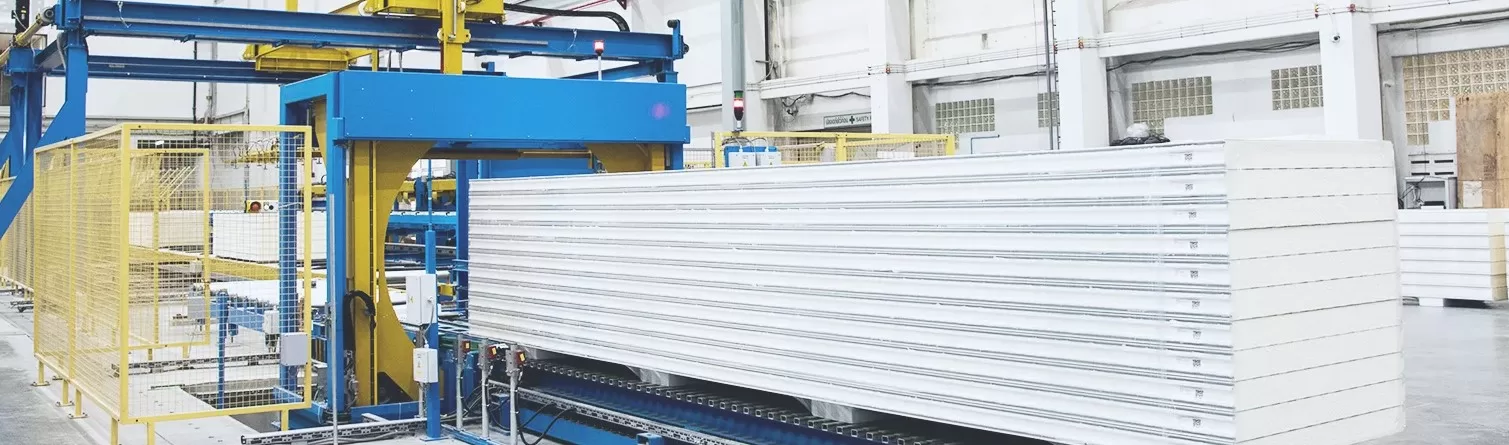
This method is precise. It is effective. It is a game-changer for businesses like yours. I saw how this technology changed the coil and steel wire packing world. It can do the same for aluminum profiles.
The Mechanics of Superior Protection
The design of an orbital wrapper focuses on complete coverage. It ensures every part of the profile is protected.
The Core Principle: Horizontal Wrapping
- Rotating Ring: The machine has a ring that spins horizontally. The film roll is mounted on this ring.
- Product Passage: Your aluminum profiles move through the center of this spinning ring.
- Consistent Overlap: As the product moves, the film wraps around it in a spiral pattern. Each layer of film overlaps the last one. This creates a strong, multi-layered wrap. This overlapping is key to its strength.
Key Features for Enhanced Protection
- Stretch Film Tension Control: Orbital wrappers apply consistent tension to the stretch film. This makes the wrap tight. A tight wrap holds the profiles firmly together. It stops them from shifting during transport. This prevents surface scratches and dings.
- Full Surface Coverage: Unlike simple banding, an orbital wrapper covers the entire surface. It wraps around the length and width. This seals the product from all sides. It means no exposed edges or vulnerable spots. This full coverage is crucial for keeping out dust and moisture.
- Waterproof and Dustproof Seal: The overlapping layers of stretch film create a barrier. This barrier protects against water splashes and dust accumulation. This is very important for profiles stored outdoors or shipped through varying climates, like those found in Greece. My clients often faced issues with rust on steel. This solution prevents similar problems for aluminum.
- Impact Resistance: The multiple layers of stretch film act like a cushion. They absorb minor impacts and bumps. This reduces the risk of dents and deformation during handling and stacking. The film binds the profiles tightly. This also stops them from rubbing against each other.
- UV Protection (with specialized film): Some stretch films offer UV protection. When used with an orbital wrapper, these films can shield aluminum profiles from sun damage. This is valuable for outdoor storage, particularly in sunny regions like Greece. This extends the product’s shelf life and appearance.
- Product Stability: The tight wrap bundles multiple profiles together. This creates a stable unit. A stable unit is easier and safer to handle. It is less likely to break apart during lifting or moving. This reduces product loss and ensures safe delivery.
An orbital wrapper is not just a machine. It is a system for superior product protection. It takes the guesswork out of packaging. It gives you peace of mind.
Can Orbital Wrapping Machines Really Boost Efficiency and Safety for Greek Manufacturers?
You run a factory. You always look for ways to do things better. You want to make more products. You want to keep your workers safe. Can an orbital wrapping machine help with both? Yes, it can. It brings big gains in how you operate.
Orbital wrapping machines significantly boost efficiency by automating a labor-intensive process, speeding up packaging, and ensuring consistent output. They enhance safety by minimizing the need for manual handling of heavy or awkward aluminum profiles, reducing the risk of workplace injuries for Greek manufacturers.

From my own journey, from an employee to a factory owner, I learned that efficiency and safety are two sides of the same coin. When you improve one, you often improve the other.
Transforming Operations: Speed and Security
Let’s look at the direct impacts. Orbital wrappers change how you manage your end-of-line processes.
Boosting Operational Efficiency
- Faster Packaging Cycles: Manual wrapping is slow. An orbital machine can wrap profiles much faster. This speeds up your whole packing line. It helps you meet tight delivery schedules. My clients always tell me how much time they save. This means they can produce more.
- Reduced Labor Dependency: One machine operator can manage an orbital wrapper. This frees up other workers for different tasks. You need fewer people for the same output. This lowers your labor costs. It also makes your workforce more flexible.
- Consistent Output: Machines do not get tired. They wrap every profile with the same quality. This means every package is equally protected. This consistency is hard to achieve with manual labor. It helps you maintain high standards.
- Integration with Production Lines: Modern orbital wrappers can connect with existing production lines. They can work seamlessly with conveyors. This creates a continuous flow from manufacturing to packaging. It removes bottlenecks. I have helped many factories set up such integrated systems.
Enhancing Workplace Safety
- Minimized Manual Handling: Workers no longer need to manually lift or turn heavy aluminum profiles for wrapping. The machine handles the product. This greatly reduces the risk of back injuries, strains, and cuts.
- Automated Process: The machine does the dangerous work. Workers stand at a safe distance. They only need to monitor the operation. This creates a much safer work environment. For me, employee safety was always a top priority. A safe team is a productive team.
- Reduced Fatigue: Manual wrapping is physically demanding. It causes fatigue. Fatigue leads to mistakes and accidents. Automation reduces worker fatigue. This makes the workplace safer for everyone.
- Compliance with Safety Standards: Investing in automated equipment helps factories meet modern safety regulations. This is important for audits. It also shows a commitment to worker welfare.
These machines are not just about wrapping. They are about smart business. They help you produce more. They help you keep your people safe. This is a win-win for any factory owner in Greece.
What is the ROI of Investing in an Orbital Wrapper for My Greek Factory?
You are a factory manager. You always look at the numbers. Any new investment must make sense. You need a clear return on investment (ROI). So, what is the financial benefit of buying an orbital wrapping machine for your Greek factory? The answer is clear: the ROI can be very high.
The ROI of an orbital wrapping machine for a Greek factory is realized through significant cost savings from reduced labor, decreased product damage, and lower material waste. It also generates revenue by increasing production efficiency and improving customer satisfaction, leading to a quick payback period and long-term profitability.

I have helped many clients calculate this. I have seen the numbers myself. My own business grew because I understood how to invest smartly in machines. Let me break down how these savings and gains stack up.
The Financial Case for Automation
An orbital wrapper is an asset. It pays for itself over time. It then continues to save you money and make you money.
Direct Cost Savings
- Labor Cost Reduction: This is often the biggest saving. An orbital wrapper replaces several manual workers. You save on wages, benefits, and training costs. For example, if you save 2-3 full-time salaries, the machine can pay for itself very quickly.
- Calculation Example:
- Annual salary per worker: €15,000
- Workers replaced: 2
- Annual labor savings: €30,000
- Calculation Example:
- Reduced Product Damage: Fewer damaged aluminum profiles mean less scrap. It means fewer returns. It means happier customers. Each damaged profile is a direct loss of material and production time.
- Average Damage Cost: €50 per damaged profile
- Reduced damages per month: 20
- Monthly savings: €1,000 (€12,000 annually)
- Optimized Material Usage: The machine applies film consistently. It uses only what is needed. Manual wrapping often uses more film than required. This reduces your film purchasing costs.
- Film cost savings: 10-20% compared to manual.
- Annual film cost: €10,000
- Annual savings: €1,000 – €2,000








