
Mold flipping machines represent a leap in workplace safety for industries reliant on mold turning processes. As a seasoned engineer, I understand the risks of manual mold handling. Stress, strain, and mishaps lurk in every corner. These innovative equipment pieces not only mitigate these hazards but also streamline operations, making your workplace safer and more efficient.
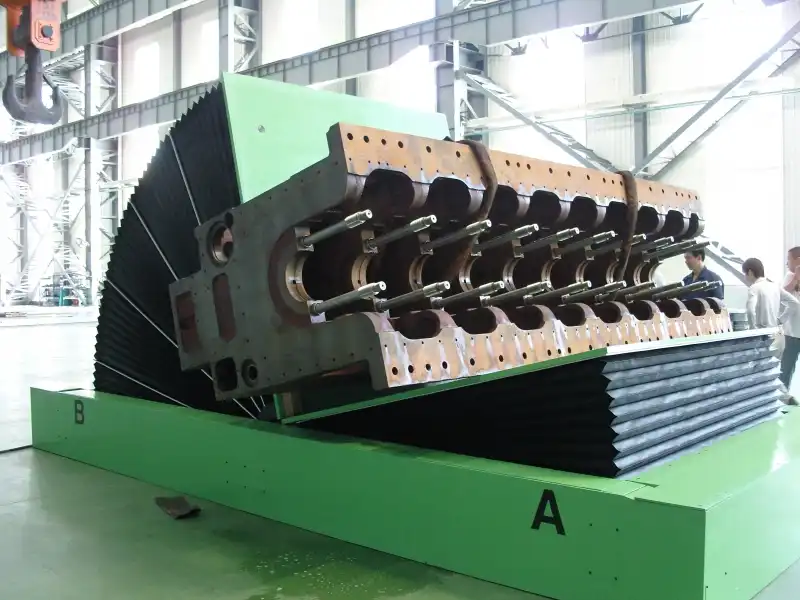
A mold flipping machine enhances workplace safety by automating the risky process of turning molds. It minimizes the need for manual lifting, thereby reducing the risk of workplace injuries. Automating the 180-degree mold turning process ensures consistent handling, which prevents potential damage to expensive molds and improves operational uptime. This contributes to a safer and more productive work environment.
You might wonder how implementing such machines can tangibly improve safety in your day-to-day operations. While manual handling has traditionally been part of the workflow, the mold flipper technology offers precise control and reduces human error. This transition to automation is not merely about replacing labor—it’s about enhancing safety and reliability.
1. How Does a Mold Flipping Machine Improve Operational Safety?
Handling large molds is inherently risky. The demands placed on my teams always highlighted the importance of safety. Manual mold turning leads to injuries and operational disruptions. We’ve trusted mold flipping machines to solve these issues efficiently, fostering a secure work environment.
Mold flipping machines improve operational safety by eliminating hazards associated with manual mold handling. Automated flipping reduces physical labor, decreasing injury rates. Additionally, these machines provide consistent speed and accuracy in turning processes, which helps maintain mold integrity and boosts overall safety standards. By integrating these devices, manufacturers ensure a safer environment for their workforce.
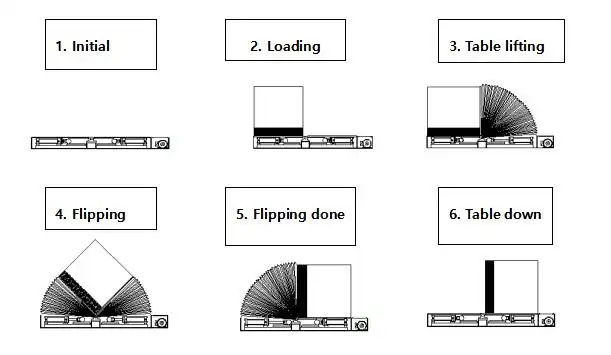
Understanding the Mechanics of Mold Flipping
Integrating machinery like the mold flipper into your manufacturing line can seem challenging. However, once broken down, its simplicity and efficiency become apparent, adding value over traditional methods.
Key Components and Benefits
| Component | Benefit |
|---|---|
| Automated Controls | Reduces human error and enhances operation precision. |
| Hydraulic System | Provides smooth and effortless flipper action. |
| Safety Features | Includes emergency stop and load monitoring systems. |
In employing the mold flipping machine, we enable our workers to focus on higher-value tasks rather than menial, physically demanding labor. Not only do we witness fewer incidents, but it also frees up manpower for more intricate processes where human ingenuity excels.
The mold flipper’s user-friendly interface eases operations. Training is quick, and the machine effortlessly integrates with existing equipment. It’s not merely about safety; it’s an advancement in operational efficiency. With my decades of experience, I see this as a pivotal enhancement in any production line. It represents how technology can synchronize with human skills to redefine workplace dynamics. Embracing such innovations is the key to future-ready manufacturing.
For further details on how a mold flipping machine can benefit your business, you can explore mold flipping machine for comprehensive insights.
2. What Are the Key Safety Features of Modern Mold Flippers?
Packaging industry professionals know that mold flipping is crucial yet risky. Modern mold flippers have enhanced safety features like emergency stop buttons, safety barriers, and load sensors, designed to prevent accidents. By ensuring safe handling and flipping of heavy molds, these machines significantly reduce manual intervention risks associated with traditional methods.
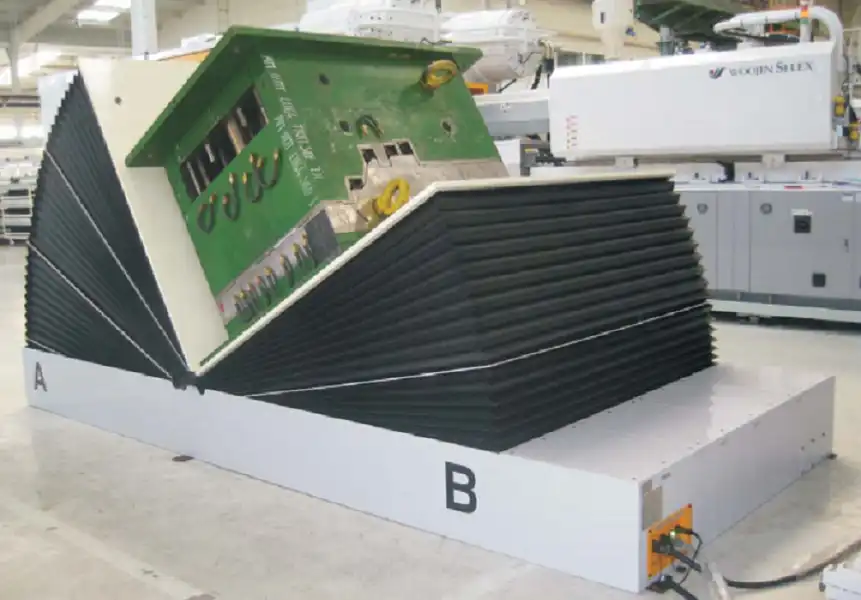
The Importance of Safety Features in Mold Flippers
In my extensive career, I’ve seen the evolution of mold flipping machines. Modern safety features aren’t just a fancy addition. They are lifesavers. Understanding these features is vital for those handling such equipment.
| Safety Feature | Description | Benefit |
|---|---|---|
| Emergency Stop Buttons | Allows quick halt of operations | Prevents accidents |
| Safety Barriers | Physical barriers around the flipper | Reduces operator risk |
| Load Sensors | Detects weight changes to prevent overloads | Ensures stability |
| Interlocking Systems | Disallows operation when doors are open | Heightens security |
| Signal Lights | Visual indicators of machine status | Enhances awareness |
Emergency stop buttons are essential, allowing operators to halt operations immediately. Safety barriers provide a physical boundary that prevents accidental contact. With load sensors, machines detect weight changes, stopping the operation if needed. Interlocking systems ensure machines don’t work with access doors open, adding a layer of security. Signal lights offer visual cues about the machine’s operational state, keeping everyone informed. These features make modern mold flippers a win for safety.
3. How to Implement a Mold Flipping Machine in Your Workplace Safely?
Managing heavy molds manually can be daunting. That’s where the mold flipping machine becomes invaluable. Implementing it safely involves training staff, performing regular maintenance checks, and paying heed to machine operational guidelines. Effective planning ensures reduced risks, efficient workflow, and adherence to safety standards, making mold flipping machines an essential part of modern manufacturing.
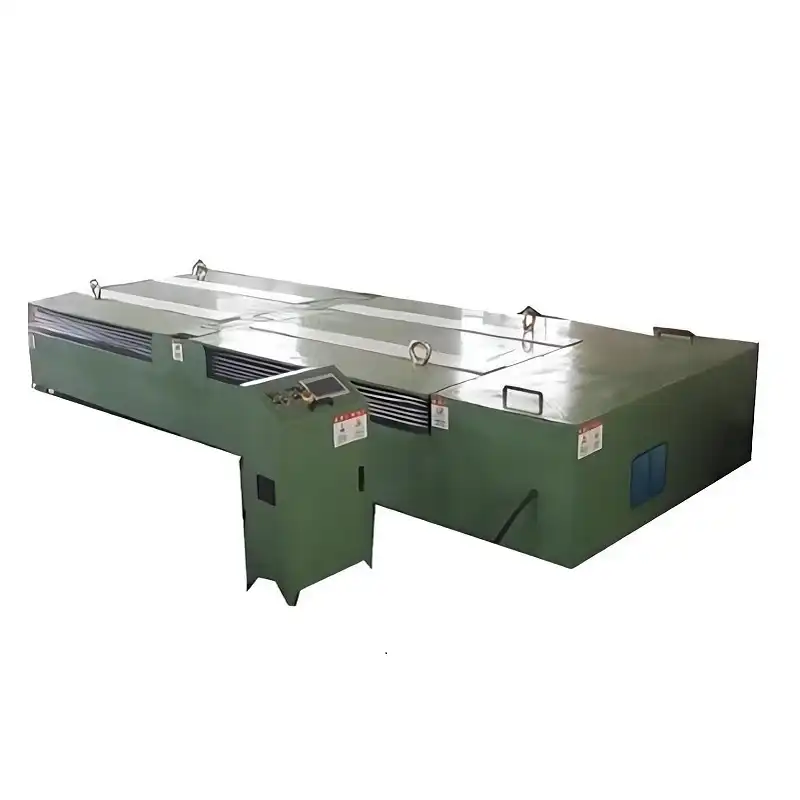
Steps for Safe Implementation of Mold Flippers
When I first integrated a mold flipper in my facility, the first focus was safety. Ensuring its proper implementation is key to a streamlined operation. Let’s break down the steps.
| Step | Action | Result |
|---|---|---|
| Staff Training | Educate staff on machine operation and safety protocols | Informed personnel |
| Regular Maintenance | Schedule maintenance checks to ensure machine efficiency | Reduced downtime |
| Safety Inspections | Conduct regular safety audits to identify potential hazards | Minimized risks |
| Adhere to Guidelines | Follow operational manuals and guidelines strictly | Compliance and efficiency |
| Continuous Monitoring | Monitor operations to ensure adherence to safety standards | Enhanced safety |
Training your team builds a knowledgeable workforce prepared to manage the mold flipper. Regular maintenance ensures machines run well, minimizing unexpected breakdowns. Safety inspections spot potential issues before they become problems. Following manufacturer guidelines guarantees operational integrity, and continuous monitoring keeps everything in check. By following these steps, you ensure a safe, efficient working environment.
Conclusion
Integrating a mold flipping machine is a strategic move to enhance workplace safety. By minimizing manual intervention and incorporating advanced safety features, businesses can reduce the risk of accidents and promote a more efficient and secure production environment.








