
How Can a Horizontal Orbital Wrapper Support Automation and Reduce Labor Costs in U.S. Panel and Profile Packaging?
Manual packaging processes often feel like a heavy chain around your U.S. factory’s neck. Are you tired of slow production lines, constant product damage, and the ever-present risk of worker injury? Many factory managers in the U.S. metal processing industry face these exact problems. They watch valuable time and money disappear each day, all because their packaging methods cannot keep up.
A horizontal orbital wrapper can significantly boost automation and cut labor costs for U.S. panel and profile packaging operations. It streamlines the end-of-line process, improves worker safety, and ensures consistent product protection.

You likely feel the pressure to increase output and lower expenses, just like many of my clients. The good news is that solutions exist. Let us look at how modern packaging technology can transform your U.S. manufacturing plant.
How Does Manual Packaging Impede U.S. Panel and Profile Operations?
Do your current packaging methods create a bottleneck in your U.S. production line? It is a common problem. Many American manufacturers deal with slow, labor-intensive processes that hold back their entire operation. This often leads to missed deadlines and unhappy customers.
Manual packaging in U.S. panel and profile operations creates significant bottlenecks, increases the risk of worker injuries, and frequently leads to product damage, directly impacting efficiency and profitability.

From my years in the packaging machine industry, I have seen first-hand how manual processes hurt businesses. They are not just slow; they introduce many other problems.
Efficiency Bottlenecks
Manual handling of large, heavy panels and profiles is simply not fast enough. Workers must carefully move each piece, then apply wrapping by hand. This takes a lot of time. It creates a choke point at the end of your production line. Your machines might produce goods quickly, but if packaging lags, the whole system slows down. This directly impacts your ability to meet delivery schedules. It also limits your overall production capacity. For U.S. factories aiming for high output, this bottleneck can be a major problem. It means you cannot ship products as fast as you make them. This can lead to increased storage costs and customer frustration. It is like having a powerful engine with a very small exhaust pipe. The engine can produce power, but the exhaust limits it.
Safety Hazards
Moving heavy objects by hand is dangerous work. Workers can suffer back injuries, crushed fingers, or other serious accidents. In the U.S., worker safety is a big concern. These injuries lead to high insurance costs for your company. They also cause lost workdays and can increase employee turnover. When a worker gets hurt, it affects team morale. It also costs time and money to train a new person. Protecting your employees is not just a moral duty; it also makes good business sense. Reducing manual labor reduces risks. This creates a safer workplace. It also saves money on injury-related expenses.
Product Damage
Panels and profiles, especially their edges, are prone to damage during manual handling. When workers lift, carry, or wrap these items by hand, bumps and scrapes can happen. Even small dents or scratches can make a product unsellable. Or, it can lead to customer complaints. This means lost revenue for your U.S. factory. It also harms your company’s reputation. Damaged goods must be re-worked or scrapped. Both options cost time and materials. Manual wrapping often results in inconsistent tension, too. This can make the package less secure, increasing the chance of damage during transit. Protecting your product until it reaches the customer is vital for business success.
What Are the Automation Benefits of Horizontal Orbital Wrappers in U.S. Packaging?
Are you wondering how to break free from the limits of manual labor in your U.S. packaging operations? Many factory managers know they need to automate, but they are not sure where to start. The good news is that proven solutions exist to boost your efficiency and output.
Horizontal orbital wrappers bring significant automation benefits to U.S. panel and profile packaging. They drastically increase wrapping speed, ensure consistent package quality, and integrate smoothly into existing production lines.
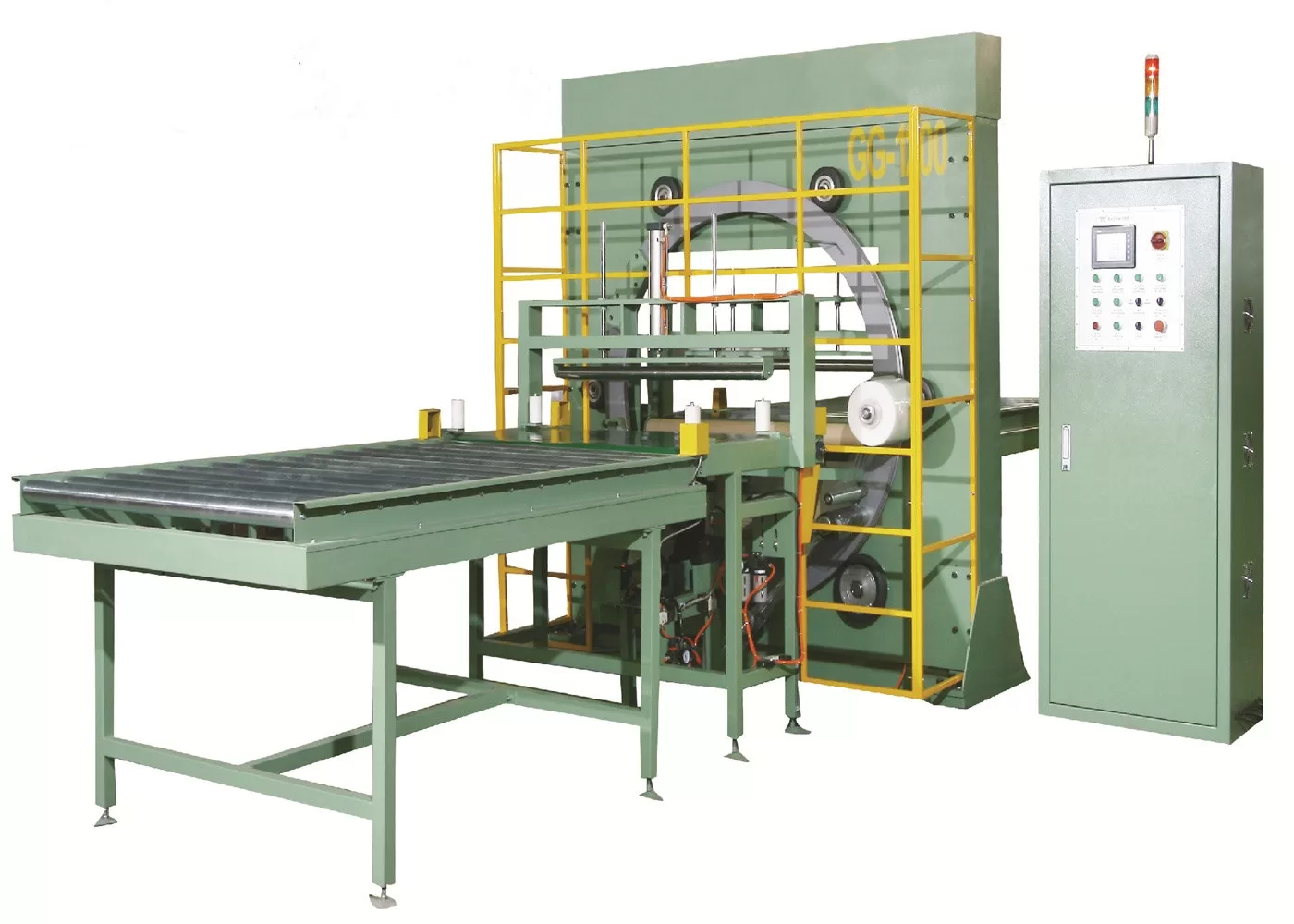
From my journey establishing a packing machine factory, I learned that the right equipment can make all the difference. Automation is not just about machines; it is about smarter operations.
Increased Speed and Throughput
A horizontal orbital wrapper works much faster than any human. It continuously wraps products as they pass through its ring. This means you can process many more panels or profiles per hour. For U.S. manufacturers facing high demand, this is a game changer. The machine does not get tired. It does not slow down. It provides a steady, high-speed wrapping process. This helps to eliminate the end-of-line bottleneck we discussed earlier. Your factory can now match its packaging speed to its production speed. This means more products out the door each day. It directly leads to higher sales volume and faster customer deliveries. This capability is critical for competing in the fast-paced U.S. market.
Consistent Packaging Quality
Manual wrapping often results in uneven tension. Some parts might be too loose, others too tight. This leads to insecure packages. It also increases the risk of product damage. A horizontal orbital wrapper applies stretch film with uniform tension every time. This creates a tight, secure, and professional-looking package. Consistent quality means fewer product damages during transit. It also means fewer customer complaints. This saves your U.S. business money on returns and replacements. It also builds customer trust. High-quality packaging shows you care about your product and your customers. This consistency also looks good when you ship products.
Integration with Production Lines
Modern horizontal orbital wrappers are designed to fit seamlessly into existing production lines. They come with conveyor systems. These systems can move panels and profiles directly into and out of the wrapper. This means less manual handling, even before and after wrapping. For a U.S. factory, this integration is vital. It creates a continuous flow of products from manufacturing to shipping. There are no stop-and-start points for manual intervention. This full automation of the packaging stage greatly improves overall operational efficiency. It reduces the need for buffer zones. It also makes inventory management easier. It is a true end-to-end solution for your packaging needs.
How Do Horizontal Orbital Wrappers Directly Reduce Labor Costs for U.S. Manufacturers?
Are your labor costs for packaging putting a strain on your budget? In the U.S., labor expenses are a significant concern for many manufacturers. Finding ways to cut these costs without sacrificing quality is a constant challenge.
Horizontal orbital wrappers directly reduce labor costs for U.S. manufacturers by significantly cutting manpower needs, lowering worker compensation claims, and decreasing expenses related to employee training and turnover.

When I started my factory, I focused on efficiency to achieve financial independence. I learned that every dollar saved on unnecessary labor can boost your overall profitability.
Reduced Manpower Needs
One of the biggest advantages of a horizontal orbital wrapper is its ability to replace multiple manual laborers. A single operator can oversee the machine. This machine can do the work of several people who would otherwise be wrapping by hand. For U.S. manufacturers, this means direct savings on wages. You pay fewer salaries. You also pay less for employee benefits. This reduction in headcount provides a clear and measurable return on investment for the machine. It allows you to reallocate your workforce to other, more critical tasks within your factory. This makes your overall operation more agile and cost-effective. It directly addresses the pressure to control costs.
Lower Worker Compensation Claims
As we discussed, manual handling of heavy panels and profiles carries high risks of injury. When workers get hurt, your company faces worker compensation claims. These claims can be very expensive. They increase your insurance premiums. They also add to your administrative burden. By automating the packaging process, you drastically reduce the need for manual heavy lifting. This means fewer workplace accidents. Fewer accidents lead to fewer compensation claims. Over time, this results in lower insurance costs for your U.S. business. It is a direct financial benefit that comes from prioritizing worker safety. This improves your bottom line.
Decreased Training and Turnover Costs
Manual packaging often requires specific training for workers. This training might cover proper lifting techniques or wrapping methods. If employees leave, you must train new ones. This takes time and resources. An automated horizontal orbital wrapper is simpler to operate. It requires less specialized training for its operators. This means you spend less money and time on training new hires. It also reduces the impact of employee turnover. If an operator leaves, the learning curve for a new person is much shorter. This stability in your workforce also contributes to overall efficiency. It allows your U.S. factory to run more smoothly.
What Are the Key Features to Look for in a Horizontal Orbital Wrapper for U.S. Panel and Profile Needs?
Are you feeling overwhelmed by the many choices when looking for a new packaging machine? Many factory managers in the U.S. tell me they struggle to find the right equipment. They want a machine that genuinely solves their problems, not just adds more complexity.
When selecting a horizontal orbital wrapper for U.S. panel and profile needs, prioritize robust durability, customizable features, essential safety mechanisms, and reliable after-sales support to ensure long-term value.
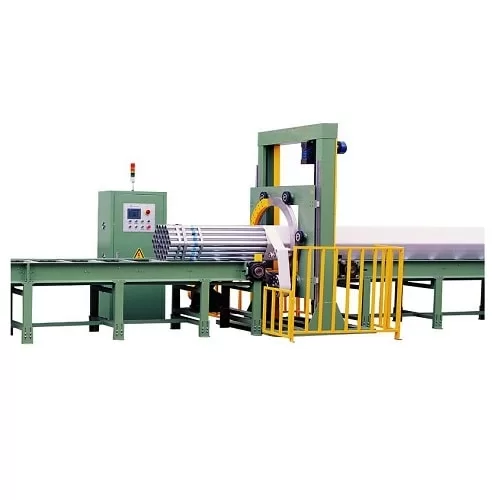
Choosing the right equipment is a critical decision. It is an investment in your factory’s future. From my experience building and running a successful packing machine factory, I know what truly matters.
Durability and Build Quality
Your U.S. factory operates in a demanding environment. You need equipment that can handle heavy use day in and day out. Look for a horizontal orbital wrapper built with high-quality materials. It should have strong steel frames and reliable components. A machine that is well-built will last longer. It will also require fewer repairs. This means less downtime for your production line. Durability is especially important for handling heavy panels and profiles. A flimsy machine will break down quickly. This would cause more problems than it solves. Always ask about the materials used. Also ask about the manufacturing standards.
Customization and Flexibility
Your panels and profiles come in different sizes and shapes. A good horizontal orbital wrapper must adapt to these variations. Look for machines with adjustable wrapping rings. They should have customizable tension settings. You need the ability to program different wrapping patterns. This flexibility ensures that the machine can handle all your product lines. It also means you can change your products in the future without buying a new machine. A versatile machine provides better value over time. It helps your U.S. factory stay agile. This is very important in a changing market.
Safety Features
Worker safety is paramount in any U.S. factory. The machine you choose must have strong safety features. Look for emergency stop buttons that are easy to reach. The machine should have safety guards. These guards protect workers from moving parts. Light curtains or other sensors can stop the machine if someone gets too close. These features protect your employees from accidents. They also help your company comply with U.S. safety regulations. Investing in a safe machine is not just about avoiding fines; it is about protecting your people. It also reduces your company’s liability.
After-Sales Support and Service
A machine is only as good as the support behind it. You need a supplier who offers strong after-sales service. This includes access to spare parts. It also includes technical assistance when you need it. Training for your operators is also very important. My clients have found great value in reliable support. A good supplier acts as a partner. They help you keep your machine running smoothly. This reduces downtime. It also ensures your investment continues to pay off. Before you buy, ask about their service network. Ask about their response times. This is crucial for long-term success.
My Insights!
Have you ever bought equipment only to find the supplier was nowhere to be found when you needed help? Many factory managers in the U.S. have told me about bad experiences. They felt like they were just another sale, not a valued partner.
From my experience, choosing a horizontal orbital wrapper involves more than just the machine itself; it means truly understanding your U.S. production needs, focusing on clear ROI, and finding a knowledgeable partner dedicated to your long-term success.
When I started my factory, I realized something important: success is not just about making good machines. It is about understanding the real challenges people face on the factory floor. I built my business by helping my clients grow theirs. It was not just about selling them a coil packing or steel wire packing machine. It was about solving their problems.
I have seen countless factories like yours struggling with production bottlenecks, safety issues, and product damage. They need more than just a piece of equipment. They need a solution that fits their specific operation. They need someone who understands their pain points. They need a partner who can offer expert guidance. This is why FHOPEPACK focuses on sharing knowledge. We believe in helping you make informed decisions.
The market has many suppliers who only care about making a quick sale. They promise a lot but deliver little after the purchase. This is why I stress the importance of finding a truly knowledgeable partner. Someone who has been in your shoes. Someone who understands the complexities of manufacturing. When I achieved financial independence through the packing machine industry, I felt a strong desire to give back. I want to share my expertise. I want to help others succeed.
Choosing a horizontal orbital wrapper for your U.S. panel and profile operations is a big investment. You want to make sure it pays off. This means looking beyond the initial price tag. Think about the long-term benefits. Think about the savings in labor costs. Think about the increase in safety. Think about the reduction in product damage. A reliable partner will help you calculate the return on investment. They will ensure the machine truly addresses your challenges. They will support you as your business grows. My goal is to help you find the right solution. I want to help you make your factory more efficient and profitable.
Conclusion
Horizontal orbital wrappers automate packaging, significantly improving safety and cutting labor costs for U.S. panel and profile manufacturers. They boost efficiency and protect products. This investment offers a clear return.








