
How Can a Horizontal Orbital Wrapper Improve Protection for Steel Tubes and Profiles in Czech Manufacturing?
Czech manufacturing, especially in the steel sector, faces tough challenges. You deal with high production demands, strict safety rules, and the constant need to cut costs. Many factories still rely on old packing methods. These methods often lead to slow work, damaged products, and high risks for your team. You know there must be a better way. You want solutions that truly work, make your factory safer, and boost your bottom line.
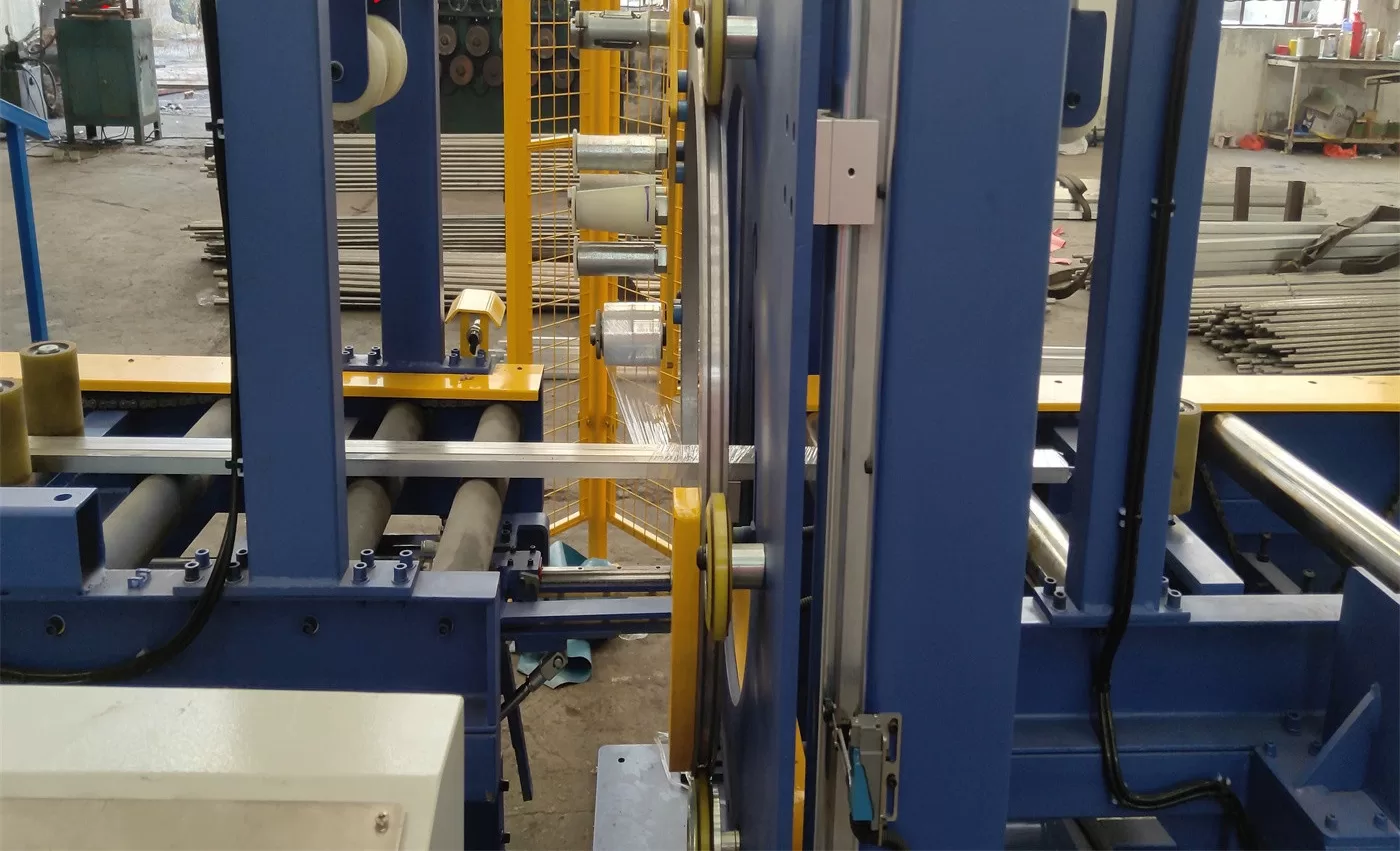
A horizontal orbital wrapper can greatly improve protection for steel tubes and profiles in Czech manufacturing. It does this by creating a secure, all-around wrap. This machine uses stretch film that goes around the product as it moves through a rotating ring. This method prevents surface scratches, dust, and moisture damage. It also keeps bundles tight during transport and storage. This means fewer damaged goods, better product quality, and happier customers.
You have likely seen the problems I am talking about. Maybe you are tired of damaged shipments or worried about worker injuries. This article will show you how modern packing technology can change your operations. Keep reading to see how a horizontal orbital wrapper can directly address your factory’s needs.
What problems do Czech steel manufacturers face with old packing methods?
Are you tired of seeing good products get damaged before they even leave your factory? Do your workers face risks every day just to pack heavy items? Many Czech steel manufacturers still use methods that are outdated. These methods cause significant issues. They lead to damaged products, slow down work, and put workers in harm’s way. This impacts your profits and your team’s well-being.
Old packing methods often involve manual labor. Workers lift and move heavy steel tubes and profiles by hand. They wrap them with basic materials. This process is slow and inconsistent. It leaves products vulnerable to damage from impacts, moisture, and dust during transport. Also, the risk of injuries like strains or crushing is very high for workers. This leads to higher insurance costs and staff turnover.
Many factory managers, like Michael Chen in Mexico, understand these pains very well. He sees how manual handling of heavy steel coils and wires causes slow production, high injury risks, and product loss. I have seen this first-hand in my own journey. When I worked in a packing machine factory, I learned that manual operations were a bottleneck. They were not only inefficient but also dangerous. Later, when I built my own factory, I knew we needed to find better ways. We needed to protect both our products and our people. Let us look deeper into these specific problems:
Efficiency Bottlenecks and High Labor Costs
Manual packing means workers spend a lot of time wrapping each item. This is especially true for long items like steel tubes or profiles. Each roll of film needs to be cut and applied by hand. This makes the packing process very slow. It creates a bottleneck at the end of your production line. This delay can stop your whole factory from reaching its full output. More workers are needed for this slow task. This drives up labor costs. You pay wages for a job that could be done much faster. The slower packing also means slower delivery times for your customers. This can hurt your reputation and sales. In the Czech Republic, where production demands are often high, such inefficiencies can quickly add up. They lead to lost opportunities and reduced competitiveness. Manual processes also lack consistency. Some packages might be wrapped well, others might not. This leads to varied protection levels.
Significant Safety Hazards
Handling heavy, long steel products is inherently dangerous. Workers lift, push, and secure large bundles. They use their bodies in ways that can cause severe injuries. Common injuries include back strains, crushed limbs, and cuts. Falls are also a risk when workers are moving around large items. These incidents increase your factory’s insurance premiums. They also lead to lost work days. High injury rates can lower worker morale. They can also make it hard to keep experienced staff. When skilled workers leave, you face training new employees. This adds another layer of cost and inefficiency. Ensuring a safe workplace is not just a legal requirement. It is a moral one. It also makes good business sense. A factory with a high safety record usually has better productivity and employee loyalty.
Product Damage and Loss
Steel tubes and profiles can be easily damaged. This damage often happens during internal movement or packing. Sharp edges can get bent or scratched. Surfaces can become scuffed or rusted if exposed to moisture or dust. In manual packing, the wrapping might not be tight enough. It might not cover the whole product. This leaves parts of the product exposed. Such damage leads to customer complaints. It results in returns or discounts. This directly impacts your profit margins. Each damaged item is a loss. Over time, these losses can become very significant. Protecting your product from the moment it leaves the production line until it reaches the customer is vital. It shows that you care about quality. It builds trust with your buyers.
How exactly does a horizontal orbital wrapper protect steel products?
You understand the problems with old packing methods. Now, you need to know how a horizontal orbital wrapper offers a real solution. How does this machine truly protect your steel tubes and profiles? It goes beyond just putting film around a product. It creates a secure, resilient package designed to withstand the rigors of transit and storage.
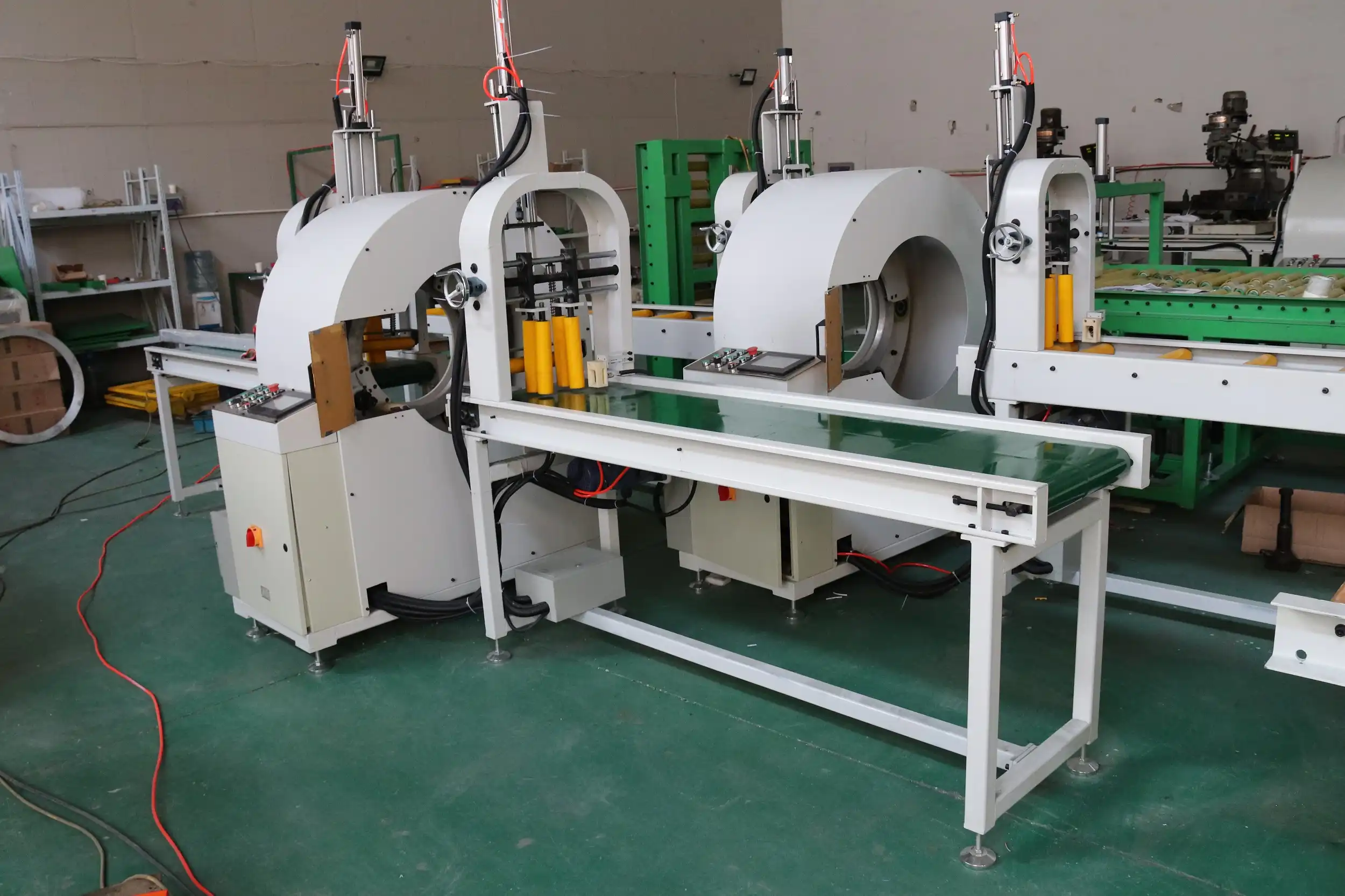
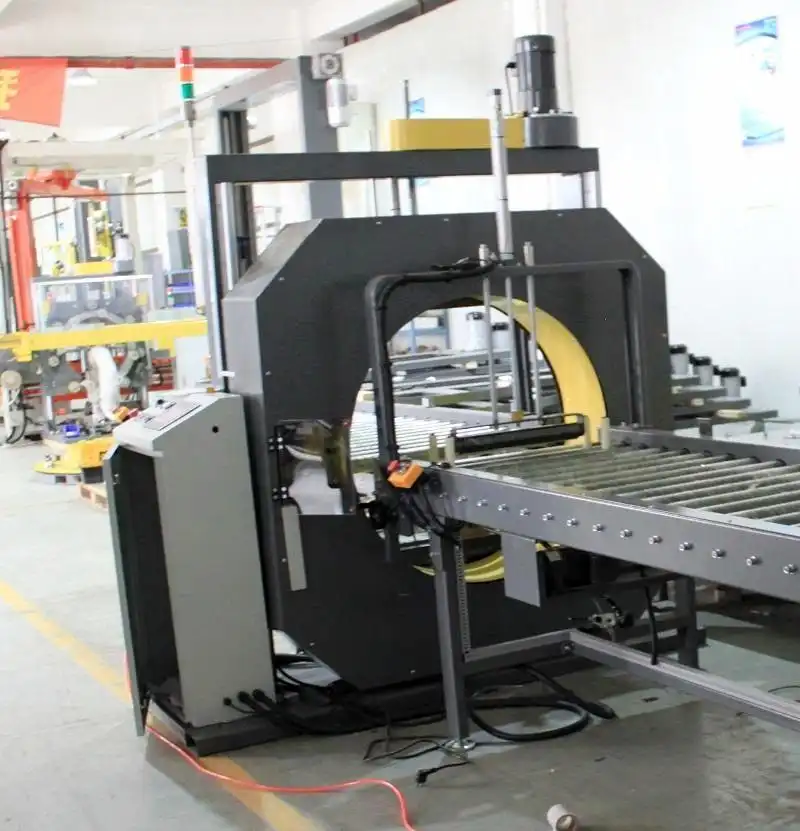
A horizontal orbital wrapper protects steel products by creating a complete, overlapping stretch film cocoon. The product remains stationary while a film dispenser rotates around it in a horizontal plane. This method applies multiple layers of stretch film. These layers form a tight, uniform barrier. This barrier shields the steel from external elements like dust, moisture, and impacts. It also bundles items together, preventing shifting and abrasion during handling and transport.

When I first started FHOPEPACK, my goal was always to share knowledge. This includes understanding the core technology. I have seen how factories struggle with product damage. I know the feeling of wanting to offer clients the best quality. A horizontal orbital wrapper solves many of these problems. It does so by focusing on complete and consistent protection. Let’s explore the specific ways it achieves this:
All-Around Environmental Protection
The primary function of an orbital wrapper is to create a robust shield. It protects the steel from environmental threats.
- Moisture Barrier: Steel and moisture do not mix. Even a little dampness can lead to rust. The stretch film creates a tight, water-resistant barrier. It keeps rain, humidity, and condensation away from the product surface. This is vital for goods stored outdoors or shipped in varying climates.
- Dust and Dirt Prevention: Factories often have dusty environments. During transport, products can pick up grime. The film wrap keeps dust and dirt from settling on the steel. This keeps the product clean and ready for use upon arrival.
- UV Protection (with specialized film): Some films can offer UV resistance. This protects the steel from sun exposure. This is useful for long-term outdoor storage.
Impact and Abrasion Resistance
Steel tubes and profiles can get damaged from bumps and rubs. This happens during loading, unloading, and transit.
- Cushioning Effect: Multiple layers of stretch film provide a cushioning layer. This absorbs minor impacts. It reduces the chance of dents or scratches on the steel surface.
- Bundle Integrity: The wrapper tightly bundles multiple tubes or profiles together. This stops them from shifting or rubbing against each other. Without a tight wrap, items can chafe, causing surface damage. This integrated package is much more stable. It is less likely to deform or break apart.
Secure Load Containment
The way the film is applied ensures the load stays together.
- Tensioned Wrap: The machine applies film under controlled tension. This keeps the bundle tight and secure. This prevents individual pieces from slipping out or moving.
- Overlap and Consistency: Each rotation of the wrapping arm overlaps the previous layer of film. This creates a strong, continuous seal. This consistent application is hard to achieve manually. Manual wraps are often uneven or loose. A machine ensures every part of the product receives the same level of protection. This leads to a more professional and reliable package.
Can automation really solve production roadblocks in Czech steel factories?
You might wonder if investing in a machine is worth it. Can a horizontal orbital wrapper truly solve your factory’s biggest production challenges? Many managers, like Michael Chen, face pressure to increase output and control costs. The answer is a clear yes. Automation, specifically with an orbital wrapper, can remove major roadblocks. It makes your entire operation smoother and faster.
Automation, using a horizontal orbital wrapper, can significantly solve production roadblocks for Czech steel manufacturers. It drastically increases packing speed compared to manual methods. This machine works continuously. It does not need breaks. It handles a high volume of products. This ensures a steady flow at the end of the line. It also frees up workers for other tasks. This directly tackles efficiency bottlenecks and boosts overall factory throughput.

My journey in the packing machine industry taught me that scaling up requires smart use of technology. When I started my own packing machine factory, I saw how much time was wasted on manual tasks. I realized that to grow, we needed to automate repetitive, labor-intensive processes. This is especially true for packing, which is often the last step before shipping. If packing is slow, your entire factory output is limited. Here is how automation addresses these roadblocks:
Dramatically Increased Packing Speed
Manual packing is inherently slow. Each tube or profile must be handled individually. The film is applied by hand. A horizontal orbital wrapper, however, operates at speeds impossible for human workers. The machine’s rotating arm applies film continuously and quickly. It can wrap dozens or even hundreds of pieces per hour. This rapid pace means:
- Higher Throughput: More products can be packed in less time. This allows your production line to keep moving. You can process more orders.
- Reduced Bottlenecks: The packing area often becomes a bottleneck. Automated wrapping removes this issue. Products move smoothly from production to shipment. This keeps your entire factory efficient.
- Consistent Speed: Machines do not get tired. They maintain the same high speed throughout the shift. This leads to predictable packing times. This helps with planning and scheduling.
Optimized Labor Allocation
One of the biggest benefits of automation is how it changes your workforce needs.
- Fewer Workers on Packing: You no longer need multiple workers dedicated solely to packing. One or two operators can manage several machines. They can load products and oversee the process.
- Workers Reassigned: The employees freed from manual packing can be moved to other, more skilled tasks. They can operate other machinery, perform quality control, or handle maintenance. This makes your labor force more productive and valuable.
- Reduced Labor Costs: Over time, the reduced need for manual packers directly translates to lower wage expenses. This contributes significantly to your factory’s cost savings and profitability.
Improved Consistency and Quality
Machines perform tasks with high precision and consistency. This applies to packing as well.
- Uniform Wrapping: Every package wrapped by the machine will have the same tension, overlap, and coverage. This ensures uniform protection for all your products. It reduces variations that can lead to damage.
- Reduced Rework: When packages are consistently good, you spend less time re-wrapping or dealing with damaged goods. This saves time and resources.
- Professional Appearance: A machine-wrapped package looks neat and professional. This adds to your brand image. It shows customers that you care about quality at every step. This can be a key differentiator in a competitive market like the Czech Republic’s steel industry.
What is the real payback for Czech companies investing in these wrappers?
Investing in new machinery is a big decision for any factory manager. You need to see a clear return on investment (ROI). Michael Chen, for example, prioritizes ROI. He wants to know that any equipment he buys will truly improve profitability. So, what is the real payback for Czech companies that put money into horizontal orbital wrappers? It is more than just buying a machine. It is about a smart investment that leads to significant long-term savings and growth.
The real payback for Czech companies investing in horizontal orbital wrappers comes from substantial savings in labor, reduced product damage, and increased operational efficiency. These machines lower direct labor costs by automating packing. They cut down on lost revenue from damaged goods and customer complaints. Furthermore, improved throughput and safety reduce indirect costs like insurance and lost workdays. This leads to a rapid and clear return on the initial investment.
When I founded FHOPEPACK, my personal experience with building a successful packing machine factory taught me a lot about financial independence. I saw how smart investments in equipment could help clients grow their businesses. It is not just about the machine’s price. It is about the value it brings over its lifetime. Here is a breakdown of the key areas where you will see a return:
Cost Savings from Reduced Labor
This is often the most direct and impactful area of ROI.
- Reduced Headcount or Reassignment: As mentioned, you need fewer people for packing. This means lower payroll expenses. If you reassign workers to other productive tasks, you are making your existing workforce more efficient.
- Overtime Reduction: Manual packing often requires overtime to meet deadlines. An automated machine handles high volumes during regular hours. This cuts down on costly overtime pay.
- Fewer Training Costs: A lower turnover rate, resulting from safer working conditions, means you spend less on training new packing staff.
Significant Reduction in Product Damage
Damaged products are a direct hit to your bottom line.
- Fewer Customer Returns and Complaints: When products arrive in perfect condition, customers are happier. This reduces the need for costly returns, re-shipping, or issuing credits.
- Lower Material Waste: Less product damage means less material needs to be scrapped or re-processed. This saves on raw material costs and production time.
- Improved Brand Reputation: Delivering undamaged, high-quality products builds trust and strengthens your brand. This can lead to repeat business and new client acquisition.
Enhanced Safety Leading to Lower Indirect Costs
Worker safety is paramount, and it also has a financial impact.
- Reduced Insurance Premiums: Fewer workplace injuries can lead to lower workers’ compensation insurance costs. Insurance companies often offer better rates to companies with strong safety records.
- Fewer Lost Workdays: Injured workers cannot contribute. Reducing injuries means your team stays on the job, maintaining productivity.
- Improved Morale and Retention: A safe workplace leads to happier, more loyal employees. This reduces the hidden costs associated with high turnover, like recruitment and training.
Increased Throughput and Revenue Potential
An efficient packing line directly supports higher sales.
- Ability to Handle More Orders: With faster packing, your factory can process more orders daily or weekly. This directly translates to increased sales volume.
- Faster Delivery Times: Getting products out the door quicker can be a competitive advantage. This satisfies customers and can attract new business.
- Better Resource Utilization: When packing is efficient, your entire production line can run optimally. You get more out of your existing machinery and facilities.
My insight
From my perspective, having started as an employee and then building my own factory, I have seen the journey firsthand. I understand the financial pressures factory managers face. For clients like Michael Chen, the decision to invest in a machine like a horizontal orbital wrapper is not just about the technology itself. It is about finding a solution that offers a clear, measurable benefit to their business. It is about trust. Trust that the solution will deliver on its promises of efficiency, safety, and cost savings. That is why FHOPEPACK focuses on sharing real-world knowledge. We want to help you make informed decisions that genuinely contribute to your financial independence and business growth, just as the packing industry helped me achieve mine. When you invest in the right machine, you are investing in your factory’s future. You are investing in a safer workplace and a more profitable operation. It is a decision that pays dividends in many ways.
Conclusion
A horizontal orbital wrapper offers Czech steel manufacturers a clear path to better protection, efficiency, and safety. This smart investment significantly reduces costs and boosts overall factory profitability.








