
How Can a Door Packing Machine Help Italy Manufacturers with Compact Packaging in Limited Factory Spaces?
Are you an Italian manufacturer struggling with cramped factory spaces? Do you feel squeezed by tight production areas, making efficient packaging seem like an impossible dream? This common challenge often leads to slower operations, increased manual labor, and even damaged products. It truly impacts your bottom line. But what if I told you there’s a solution that can transform your end-of-line packaging, even in the smallest of spaces?
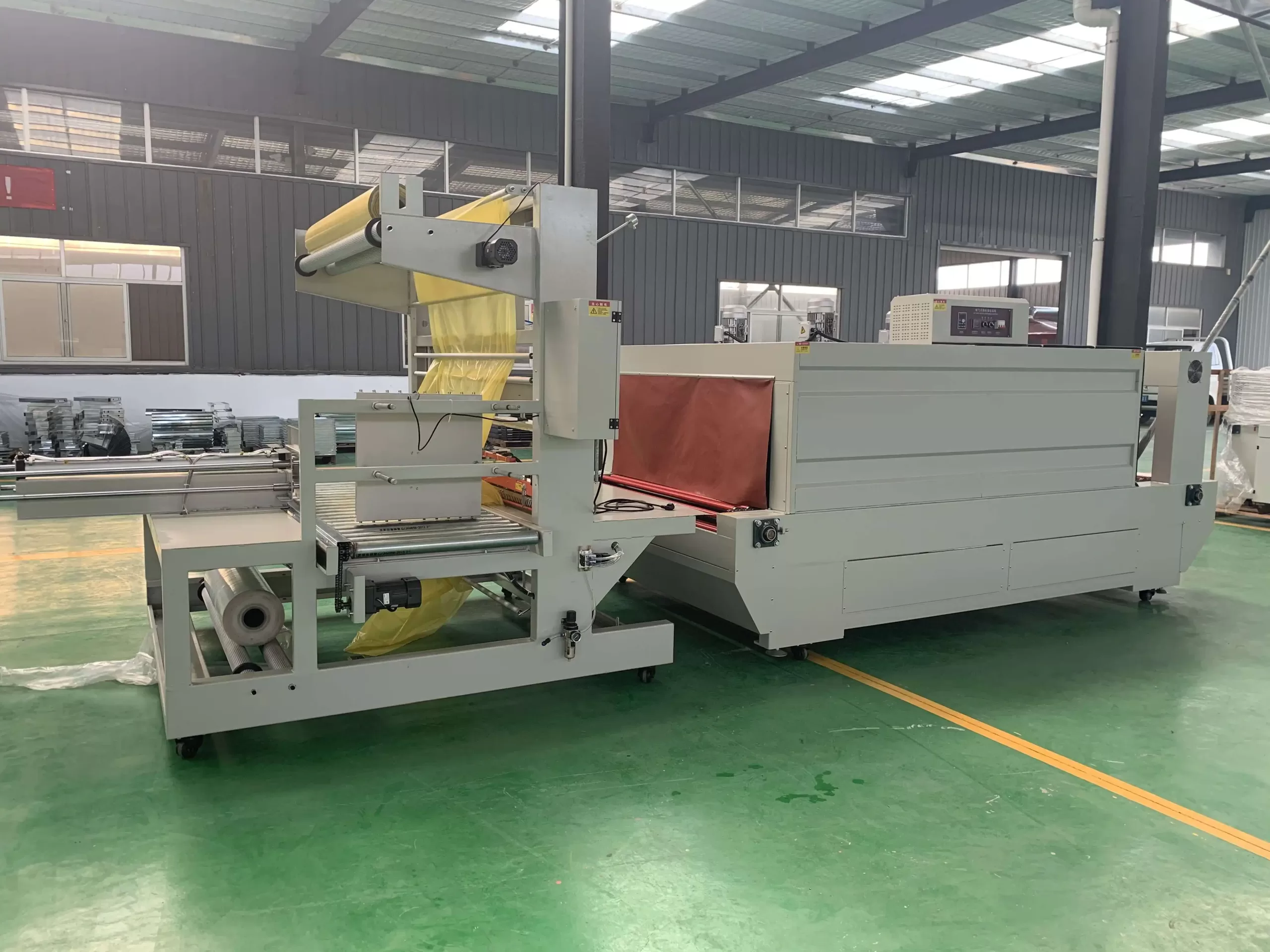
A door packing machine helps Italian manufacturers use compact packaging solutions in limited factory spaces by optimizing the packaging process with less physical footprint. These machines are designed for efficiency, often featuring vertical or in-line designs that fit into narrow areas, reducing the need for large staging zones. They automate tasks like wrapping, banding, or shrinking, which lowers labor costs and boosts throughput, even where space is tight. This directly addresses the core need for high output in small spaces.
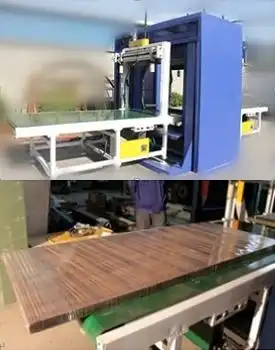
I know what it is like to run a factory. I have been there myself. The pressures are real. You are probably wondering if this is truly possible for your unique situation. Let’s dig deeper into how these specialized machines can turn your space constraints into a competitive edge. We will explore the specific ways they make a difference.
Is Space Really a Big Problem for Italian Factories?
Many Italian factories, especially older ones, were not built with today’s high-volume production in mind. They often have limited floor space. This makes it hard to add new equipment or streamline operations. This lack of space can become a major bottleneck. It forces manual processes, slows down production, and limits your ability to grow. It also raises safety concerns. Understanding this, we need to look at how smart machine design can overcome these space challenges.
Space is a real issue for many Italian factories, but door packing machines offer compact solutions by using vertical designs or in-line configurations that need minimal floor area. They reduce the need for large operator zones or extensive material handling paths. This design choice helps factories maximize their existing footprint without costly expansions. It also allows for smoother material flow in tight areas.
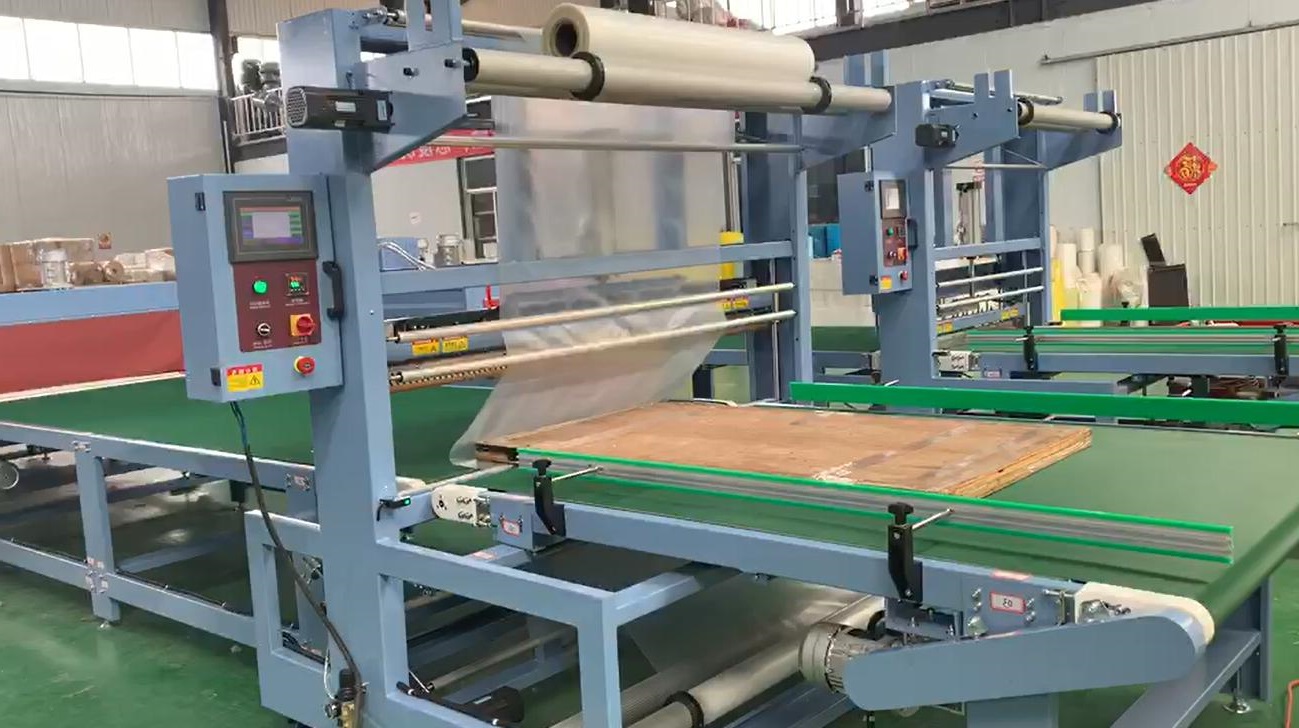
From my own experience building a packing machine factory, I know that every square foot counts. When I started FHOPEPACK, one of the biggest challenges I saw clients facing was space. They often had excellent production lines, but the end-of-line packaging was a mess because there was no room. This is especially true in countries like Italy, where many factories are in older buildings or in dense industrial areas. They cannot just knock down a wall or build an extension.
A door packing machine, or a panel packing machine, addresses this directly. Think about how traditional packing works. You might have a large area for staging products, then another area for manual wrapping, and perhaps even more space for temporary storage before shipping. This takes up a huge amount of room.
A specialized door packing machine changes this game.
Vertical Integration
Many of these machines work vertically. Instead of spreading out horizontally, they stack components or use a wrapping process that moves the product up and down. This saves floor space. For example, a machine might have a small footprint but can handle tall doors or panels by wrapping them as they stand upright or move through a compact system. This means you do not need a wide open area.
In-Line Operation
Another key feature is their ability to integrate directly into your existing production line. They are not standalone islands that need their own dedicated space. Instead, they become a seamless part of the flow. Products go straight from manufacturing to packing without needing a separate transfer or storage area. This smooth flow also reduces the risk of damage during handling.
Reduced Manual Handling Space
When you pack by hand, you need room for workers, for tools, and for the product itself as it is being moved and wrapped. This all adds up. With automation, the machine does the work. This cuts down on the human footprint needed around the packing area. It also makes the whole process safer, as fewer people are close to moving heavy items. By using less space, these machines allow Italian manufacturers to maintain their production capacity or even increase it, all within their current factory limits. It is about working smarter, not harder, with the space you have. It frees up valuable floor space for other critical operations or even for future expansion plans.
Can Automated Door Packing Solve My Production Bottlenecks?
Is your packing line the slowest part of your factory? Do finished doors or panels pile up, waiting to be wrapped, slowing down your whole output? This bottleneck means lost production time, delayed shipments, and unhappy customers. It directly impacts your ability to meet demand and grow your business. Automated door packing machines are built to fix these exact issues, ensuring your packing keeps pace with your production.
Automated door packing machines solve production bottlenecks by significantly increasing packing speed and consistency compared to manual methods. They can process a higher volume of items per hour, ensuring a steady flow from the production line to dispatch. This automation reduces downtime, lowers labor dependence, and maintains a continuous, efficient workflow, preventing accumulation at the final stage.
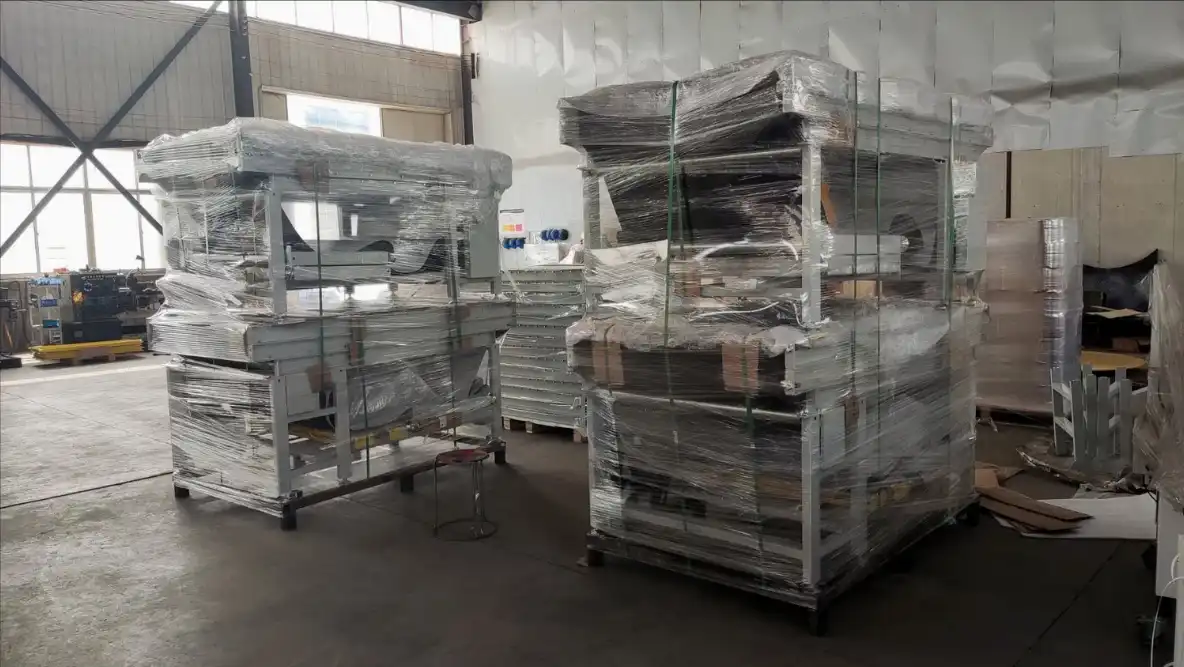
I have seen it many times. A factory invests heavily in advanced manufacturing equipment. They have cutting-edge machines that make products fast and perfectly. Then, at the very end, everything slows down because of packing. It is like having a super-fast car with a flat tire. The packing department becomes the choke point, limiting the overall factory output.
This is where automation steps in as a game changer. Manual packing, especially for large, heavy items like doors or panels, is slow. It takes time to position the item, wrap it manually, secure it, and then move it. Each step adds minutes, and those minutes quickly become hours when you are dealing with hundreds of products a day.
Automated door packing machines perform these tasks with incredible speed and precision.
Consistent Speed and Throughput
Machines do not get tired. They do not take breaks. They operate at a consistent, high speed, hour after hour. This predictable output means you can plan your production much better. If your manufacturing line can produce 60 doors an hour, your packing line should be able to handle 60 doors an hour, or even more. An automated machine ensures this synchronization, avoiding backlogs.
Reduced Labor Dependence
By automating the packing process, you reduce your reliance on manual labor for these repetitive, often strenuous tasks. This is not just about cost savings, though that is a huge benefit. It is also about freeing up your skilled workers to do more complex, value-added tasks. In today’s market, finding enough reliable labor can be a major challenge. Automation helps you manage your workforce more effectively.
Smooth Workflow Integration
Modern door packing machines are designed for integration. They can often be linked directly to your production line’s conveyor systems. This means products move seamlessly from the manufacturing stage right into the packing machine without any manual intervention. This smooth flow prevents products from piling up and waiting. It eliminates dead spots in your factory. It ensures your product moves from raw material to a packaged, ready-to-ship item with minimal delay. This continuous operation helps boost your factory’s overall efficiency and throughput significantly. It is not just about making packing faster; it is about making your whole factory run smoother and deliver more.
What About Safety and Product Protection in My Factory?
Are your workers risking injury every day lifting and moving heavy doors or panels for packing? Do you constantly worry about product damage during handling? High rates of worker injury mean higher insurance costs and lost time. Damaged products lead to customer complaints and financial losses. These issues chip away at your profits and reputation. Investing in the right packing machine can dramatically reduce these risks, making your workplace safer and your products more secure.
Automated door packing machines significantly improve safety by removing workers from direct contact with heavy products during wrapping and handling, reducing the risk of strains or crushing injuries. They also protect products better by applying consistent, secure packaging, minimizing transit damage and ensuring items arrive in perfect condition. This dual benefit reduces costs related to injuries and product loss.
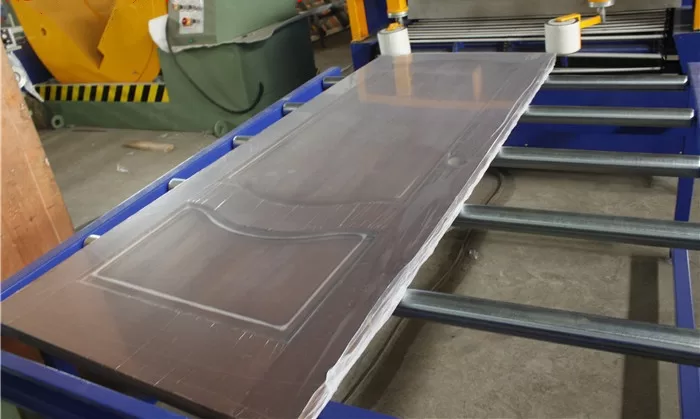
Safety has always been a top concern for me, both as an employee and as a factory owner. I remember early in my career, seeing colleagues get hurt from heavy lifting. It made a lasting impression. No manager wants their workers to be in danger. Michael Chen’s concern about safety is completely valid, especially in industries dealing with heavy goods like doors, coils, or steel wire. Manual handling of these items is inherently risky.
Reducing Manual Labor and Injury Risks
Think about a typical door. It can be large, heavy, and awkward to handle. Workers lifting and rotating these items day in and day out face risks of back injuries, strains, and even crush injuries. An automated packing machine takes over the physical burden.
- Automated Feeding and Positioning: Machines use conveyors, rollers, or robotic arms to move products into the packing station. Workers do not need to manually lift or push heavy doors.
- Automated Wrapping and Securing: The machine wraps the product automatically, eliminating the need for workers to walk around the item, bend, or stretch with wrapping materials.
- Reduced Human-Machine Interaction: With fewer manual interventions, there are fewer opportunities for accidents involving moving parts of the machine or the product itself. This lowers worker compensation claims and boosts employee morale, which is good for business.
Protecting Your Products from Damage
Beyond worker safety, product protection is crucial. Every damaged product represents lost profit and a potential blow to your reputation. Doors and panels, especially those with finished surfaces, are prone to scratches, dents, or edge damage during manual handling and transit.
- Consistent Packaging Quality: Machines apply packaging materials (like stretch film, shrink film, or protective paper) with consistent tension and coverage. This ensures uniform protection around the entire product. Manual wrapping can be inconsistent, leaving weak spots.
- Secure Wrapping for Transit: An automated machine can apply multiple layers of film or specific banding patterns to secure the product tightly. This prevents shifting and friction damage during shipping. My experience with coil packing and steel wire packing taught me that proper wrapping is key to preventing damage during transit, which is exactly what a door packing machine provides for panels.
- Reduced Human Error: Humans make mistakes. Machines, once programmed correctly, perform the same task perfectly every time. This consistency greatly reduces the chance of accidental damage due to mishandling or inadequate wrapping.
By addressing both worker safety and product integrity, automated door packing machines are not just an expense; they are an investment that pays off in reduced costs from injuries and product returns.
How Do I Trust a New Supplier with My Investment?
Have you ever bought a machine only to find the supplier disappears after the sale? This lack of support can leave you stranded when things go wrong. A bad supplier experience leads to downtime, frustration, and wasted money. It erodes your trust and makes you hesitant to invest in new, critical equipment. Finding a partner who truly understands your needs and offers reliable, long-term support is essential.
Building trust with a new supplier means finding one with deep industry knowledge, a proven track record of successful installations, and a strong commitment to after-sales service and support. Look for suppliers who prioritize understanding your specific operational challenges and offer tailored solutions, demonstrating they are a partner in your success rather than just a vendor.
Michael Chen’s concern about supplier trust is something I deeply understand. I have been on both sides. As an engineer in a factory, I dealt with suppliers. Later, when I built my own factory, I was the client looking for reliable partners. Now, at FHOPEPACK, I am the supplier. I know that a machine is only as good as the support behind it.
Many suppliers focus only on making a sale. Once the machine is shipped, they are gone. This leaves factory managers in a tough spot when issues arise. You need quick spare parts, technical help, or even advice on optimizing your process. This is why choosing the right partner is critical.
The Importance of Industry Expertise
When I speak with factory owners, I do not just talk about features. I talk about production lines, bottlenecks, safety protocols, and ROI. A good supplier should not just sell you a machine. They should understand your entire operation.
- Beyond the Machine: A true partner will ask about your current challenges, your future goals, and how this new equipment fits into your overall strategy. They will know about different materials, production speeds, and common industry problems. For instance, my background in coil packing and steel wire packing means I understand the stresses and demands of heavy industrial environments, which translates directly to door and panel handling.
- Custom Solutions: They should be able to offer solutions tailored to your unique needs, not just a one-size-fits-all product. Sometimes, a standard machine needs small modifications to fit perfectly into your factory layout or handle a specific product type.
Proven Track Record and After-Sales Support
Do not just take a supplier’s word for it. Look for evidence.
- Case Studies and References: Ask for examples of similar installations. Talk to other clients if possible. See how they solved problems for others.
- Service and Maintenance Plans: A reliable supplier will offer comprehensive after-sales support. This includes:
- Installation and Training: Proper setup and training for your team are crucial.
- Spare Parts Availability: Can they quickly provide spare parts when you need them? Downtime waiting for a part is very costly.
- Technical Support: Do they have engineers available for troubleshooting, either remotely or on-site?
- Maintenance Schedules: Can they help you set up and follow a preventative maintenance schedule to keep your machine running smoothly for years?








