

How Beverage Producers Use Pallet Inverters to Avoid Cross-Contamination Issues?
Imagine a pristine bottle of your favorite drink. Now imagine it sitting on a dirty, splintered pallet. This is a real risk for beverage producers. Cross-contamination can ruin products. It can lead to expensive recalls. It can damage a brand’s reputation. The stakes are incredibly high. Even small contaminants can cause big problems. Traditional pallet handling methods often make things worse. They introduce risks where there should be none. But there is a smart solution. It is a way to make sure your products stay clean. It also keeps your operations efficient.
Beverage producers use pallet inverters to avoid cross-contamination by isolating products from dirty, damaged, or unhygienic pallets. These machines allow companies to transfer goods quickly from incoming transport pallets to clean, food-grade internal pallets. This prevents external contaminants like dirt, pests, wood splinters, or allergens from entering the sterile production environment or reaching the final consumer. It also ensures compliance with strict hygiene regulations in the food and beverage industry.
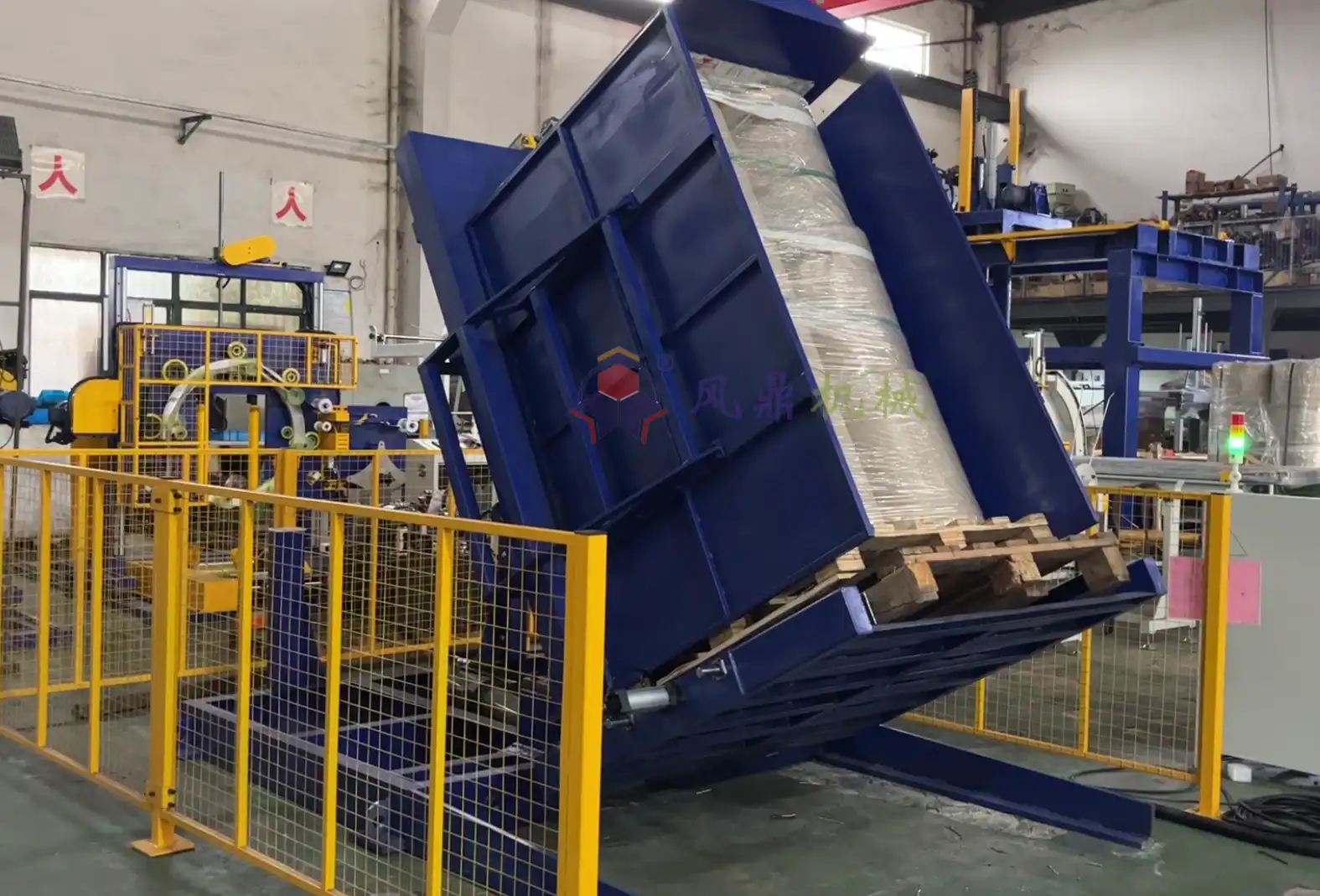

This sounds simple. But the impact on hygiene, safety, and efficiency is huge. Let’s look closer at why this technology is a game-changer for beverage companies. We will see how it helps them keep their products safe. We will also see how it protects their business.
Why is Pallet Contamination a Big Deal for Beverage Producers?
You might think a pallet is just a piece of wood or plastic. But for beverage producers, pallets are a crucial link in the supply chain. They can also be a major source of hidden dangers. Dirty pallets carry risks. These risks threaten product safety. They also threaten consumer health. A single contaminated pallet can trigger a recall. This means huge financial losses. It means damaged trust. It means regulatory fines. The potential fallout is severe. Understanding these risks is the first step. It helps us protect product integrity. It helps us maintain brand reputation.
Pallet contamination is a big deal for beverage producers because it directly impacts product safety, regulatory compliance, and brand reputation. External pallets often carry dirt, debris, pests, bacteria, or allergens from various environments. If these contaminants transfer to products or internal operations, they can cause cross-contamination. This leads to product spoilage, health risks for consumers, costly recalls, and significant damage to the company’s image and market trust.
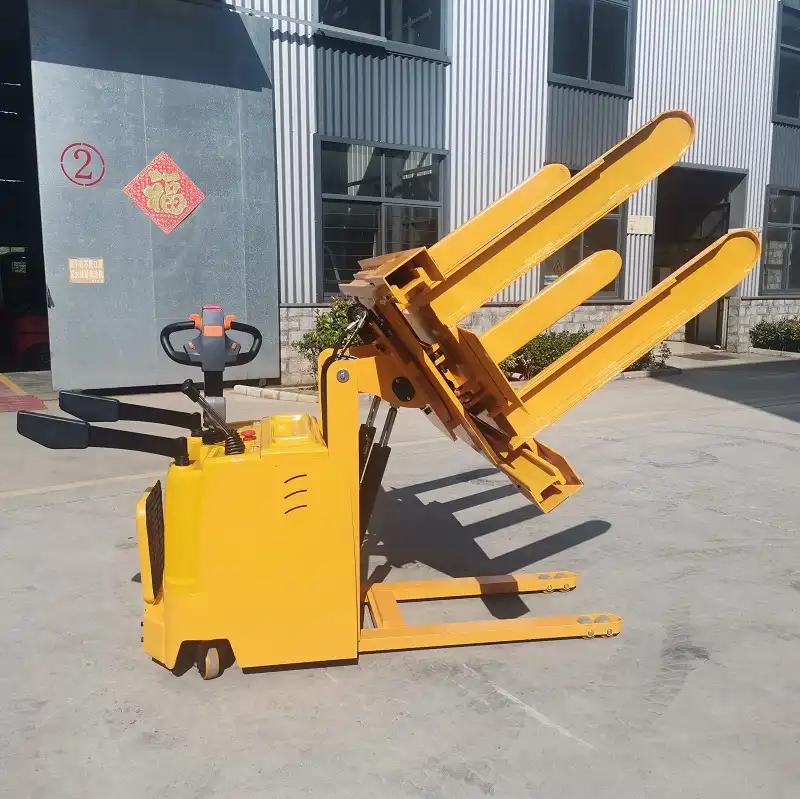

From my years in the packing machine industry, I have seen many factories. I started as an employee at a packing machine factory. I later built my own successful packing machine factory. I learned that what happens at the very start of the supply chain affects everything else. Pallets are a prime example. They come from different places. They carry different goods. They are exposed to many environments. This exposure means they can bring in many problems.
For beverage producers, the risks are clear. They are also very serious. Think about it. Products like soft drinks, juices, and bottled water are consumed directly. People expect them to be pure. They expect them to be safe. Any compromise is unacceptable. A single batch of contaminated product can lead to huge losses. It also damages consumer trust. Rebuilding trust is very difficult.
Here are some key contamination sources linked to pallets:
Common Pallet-Related Contamination Risks for Beverages:
- Physical Contaminants:
- Wood Splinters and Dust: Wooden pallets degrade over time. They shed splinters. They create wood dust. These can fall into packaging. They can get into bottles before sealing. This is a direct physical hazard.
- Dirt and Debris: Pallets travel through warehouses. They go on trucks. They are handled in loading docks. They collect dirt, dust, and general debris. This can easily transfer to product packaging. This makes the product look bad. It also poses hygiene risks.
- Biological Contaminants:
- Pests: Insects and rodents can nest in or travel on wooden pallets. They can carry pathogens. They can infest a clean production area. This is a nightmare for food and beverage. It can lead to widespread contamination.
- Bacteria and Molds: Moisture and organic matter on pallets create breeding grounds. These can host harmful bacteria or molds. If these transfer to products, it causes spoilage. It also creates health hazards. This is particularly dangerous for perishable beverages.
- Chemical Contaminants:
- Residues from Previous Loads: Pallets often carry different types of goods. They might have transported chemicals. They might have carried allergens. These residues can transfer to beverage products. This is a severe risk for allergic consumers. It also impacts product purity. Even faint traces can be problematic.












