
How a Horizontal Stretch Wrapper Reduces Labor Costs in Board Product Lines
You see your factory floor. People are moving, lifting, and wrapping. You know this work is essential. But you also feel a pinch. This pinch is your labor costs. They are high. They are often tied to manual tasks. In many factories, especially those with board product lines, wrapping heavy or bulky items by hand is a big part of these costs. This old way takes a lot of time and many hands. It slows down your whole operation. It makes you wonder, “Is there a better way to do this?”
A horizontal stretch wrapper cuts labor costs in board product lines by replacing manual wrapping tasks with automated processes. This machine wraps long, bulky items quickly and consistently. It needs fewer workers. This means you spend less on wages. It also helps your team focus on other important jobs. The machine works fast. It makes your production flow better. This direct shift from human effort to machine power saves a lot of money over time.
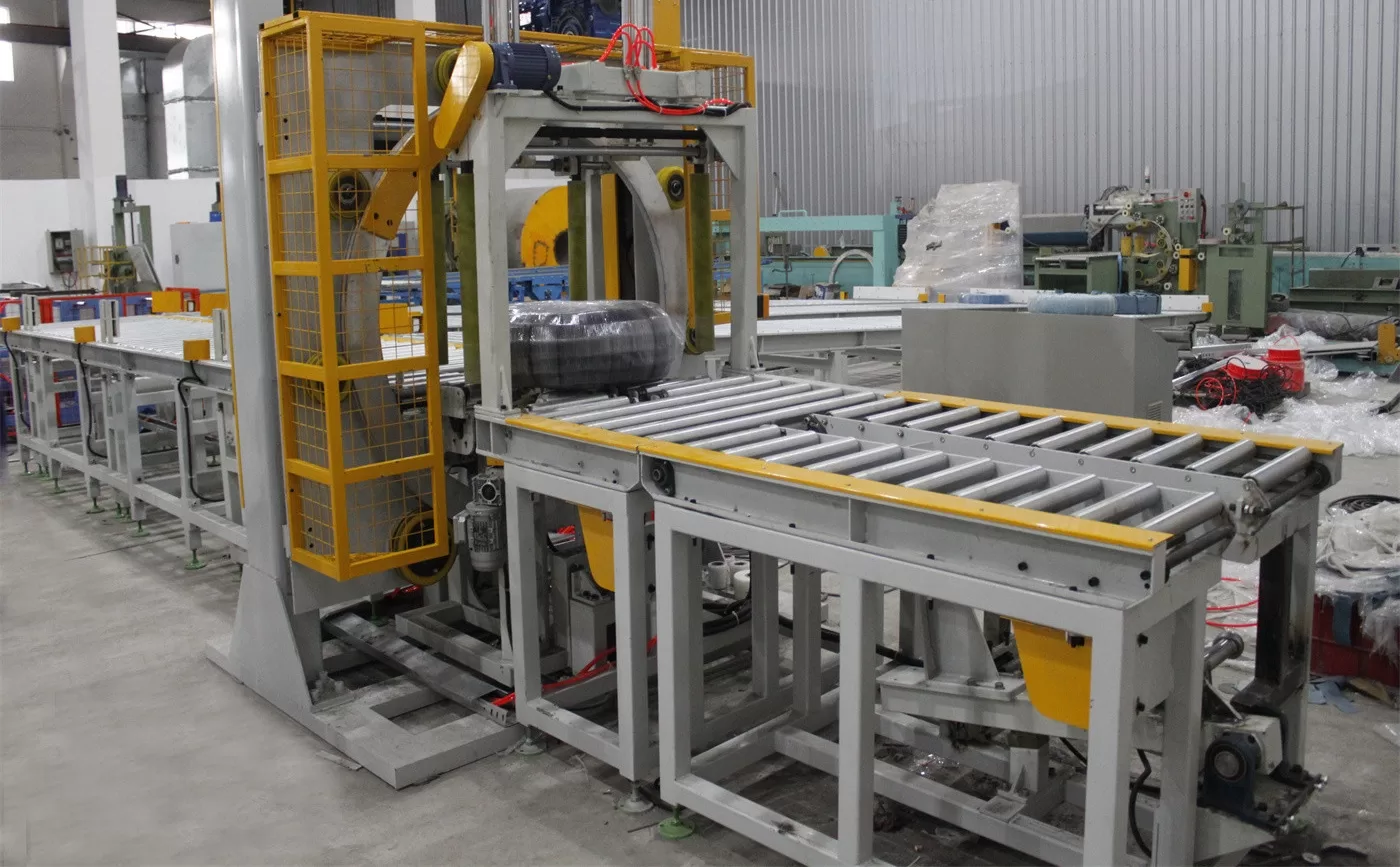
You might be thinking, “This sounds good, but how does it really work?” Or, “Will this machine truly fit my factory’s needs?” These are fair questions. Many factory managers face similar doubts. I understand this. I built my own packing machine factory after working in this industry for years. I saw firsthand how much difference the right machine makes. Let’s break down how this type of automation helps your business. We can explore the real benefits beyond just the initial idea. Keep reading to see how a simple machine can change your entire operation.
How Does Manual Wrapping Eat Into Your Profits?
You are likely familiar with the scene. Workers manually wrap large, awkward products. This process is common in many factories. But it creates many problems. It causes a lot of expenses. First, manual wrapping is slow. It takes a long time for each item. This limits how much you can produce in a day. It acts like a bottleneck. This bottleneck slows down your entire production line. It means you ship fewer products. This directly hurts your sales.
Manual wrapping eats into your profits because it relies on high labor hours, leads to inconsistent quality, and creates safety risks. Each of these factors adds to your operating costs. You pay more in wages for slow work. You lose money from damaged goods. You face higher insurance costs from injuries. These issues reduce your overall profit margin. They also keep your factory from reaching its full potential.

Let us dive deeper into the hidden costs of manual wrapping. Many people only see the wages. But there is much more to it. When workers handle heavy or long board products, they face many risks. They can strain their backs. They can drop items. These accidents lead to injuries. When someone gets hurt, it costs money. You pay for medical care. You pay for workers’ compensation. You might even pay for legal fees. The injured worker also cannot work. This means you lose production. You might need to hire temporary staff. This adds more cost. Beyond injuries, manual wrapping is often inconsistent. One worker might wrap differently than another. The wrap might be too loose. It might be too tight. It might not cover all parts of the product. This poor wrapping can lead to product damage during transport. Products can shift. They can get scratched. They can break. When products are damaged, you lose money. You might need to replace them. Customers get upset. They might stop buying from you. This harms your reputation. It also affects your future sales. Also, consider the materials. Manual wrappers often use more film than needed. This is because they are not precise. A machine uses film efficiently. This saves material costs. All these factors add up. They drain your profits quietly. It is like a slow leak in a pipe. You do not always see the big problem at first. But over time, it costs you a lot. Investing in a horizontal wrapper directly tackles these problems. It speeds things up. It makes wrapping consistent. It improves safety. This saves you money in many ways. It changes your cost structure. It makes your factory more profitable.
| Aspect of Manual Wrapping | Impact on Labor Costs & Profits |
|---|---|
| High Labor Hours | – Slow process, needs multiple workers per shift. – High wages, overtime pay. – Limits production volume, missed deadlines. |
| Inconsistent Quality | – Variable film tension, incomplete coverage. – Leads to product damage during transit. – High return rates, customer complaints, replacement costs. |
| Safety Risks | – Manual lifting of heavy, awkward items. – Back injuries, sprains, crushed limbs. – Higher worker’s compensation and insurance premiums. – Lost workdays, reduced team morale. |
| Material Waste | – Less precise film application. – Overuse of stretch film. – Higher material procurement costs. |
| Training & Turnover | – Constant need to train new staff for repetitive, tiring work. – High employee turnover due to physical demands. – More expenses on recruitment and training. |
Can a Horizontal Wrapper Truly Boost Your Production Safety?
Safety on the factory floor is always a top concern. You want your workers to go home safe every day. But manual handling of heavy and long items, like those on board product lines, creates real dangers. Workers lift, push, and turn these heavy products. This puts a lot of strain on their bodies. They can slip. They can fall. They can get crushed. These accidents are not just bad for your team. They are bad for your business.
Yes, a horizontal wrapper can truly boost your production safety by taking humans out of direct contact with heavy, moving loads. The machine does the dangerous work. It moves and wraps products automatically. This removes the need for manual lifting and turning. It reduces the risk of sprains, strains, and impact injuries. Fewer accidents mean a safer workplace. This protects your employees. It also lowers your insurance costs and worker’s compensation claims.

Let us look deeper at how horizontal wrappers improve safety. In a traditional factory setting, moving and wrapping large board products often involves multiple people. They might use straps. They might use hoists. They might even just use brute strength. Each of these methods has risks. A strap can break. A hoist can malfunction. Manual lifting is the biggest danger. Workers can pull muscles. They can slip and drop a heavy item on their foot. They can even get trapped between products. These incidents are common. They are costly. My own journey in the packing industry showed me how critical safety is. I saw too many preventable injuries. I understood that a safe workplace is a productive workplace. A horizontal stretch wrapper changes this picture completely. The product enters the machine on a conveyor. The machine does all the work. It secures the product. It rotates around the product. It applies the film evenly. Workers only need to load the product onto the conveyor. They then unload it at the other end. They do not touch the product during the wrapping process. This minimizes their exposure to moving parts. It eliminates the need for heavy lifting. It reduces the chance of falling objects. This automation creates a safer distance between the worker and the moving load. It also ensures the product is stable during wrapping. This prevents unexpected shifts or drops. A safer environment also has other benefits. It boosts worker morale. People feel more valued when their safety is prioritized. This can reduce employee turnover. It can attract new talent. It also helps you comply with safety regulations. Less risk means fewer fines. It means fewer audits. It also means lower insurance premiums. These are all direct savings. They come from a safer operation.
| Safety Aspect | Manual Wrapping Risks | Horizontal Wrapper Benefits |
|---|---|---|
| Physical Strain | – Back injuries, muscle strains from lifting heavy items. – Repetitive motion injuries from manual wrapping. |
– Eliminates manual lifting and twisting. – Reduces repetitive tasks. – Lowers physical demands on workers. |
| Impact & Crush | – Dropping heavy boards on feet or body. – Getting pinned between product and walls or other equipment. |
– Automated product handling within machine. – Workers maintain a safe distance. – Reduced risk of objects falling or shifting. |
| Slips & Falls | – Uneven surfaces from moving products. – Tripping over film or equipment during manual work. |
– Clear work zones around the machine. – Product moves steadily on conveyor. – Less clutter from manual wrapping materials. |
| Insurance Costs | – Higher worker’s compensation claims. – Increased liability insurance premiums. |
– Fewer workplace accidents. – Lower insurance costs. – Improved safety compliance records. |
| Worker Morale | – Stress from dangerous tasks. – Higher fatigue, leading to more errors. |
– Safer work environment. – Happier, more productive employees. – Reduced employee turnover. |
How Can Better Wrapping Stop Costly Product Damage?
You work hard to produce quality items. But if your products get damaged before they reach your customers, all that hard work is wasted. This is a common problem in industries that handle large, bulky items like board products. During internal transfers, storage, or shipping, these products can get scratched, dented, or broken. This damage is expensive. It leads to customer complaints. It results in returns. It means you lose profit.
Better wrapping stops costly product damage by providing a consistent, tight, and protective film around your items. A horizontal stretch wrapper applies film evenly. It secures the product fully. This strong wrap protects against dust, moisture, and minor impacts during transport. It prevents shifting inside the package. This consistent protection greatly reduces the chance of damage. It ensures your products arrive in perfect condition. This saves you money on replacements and keeps your customers happy.
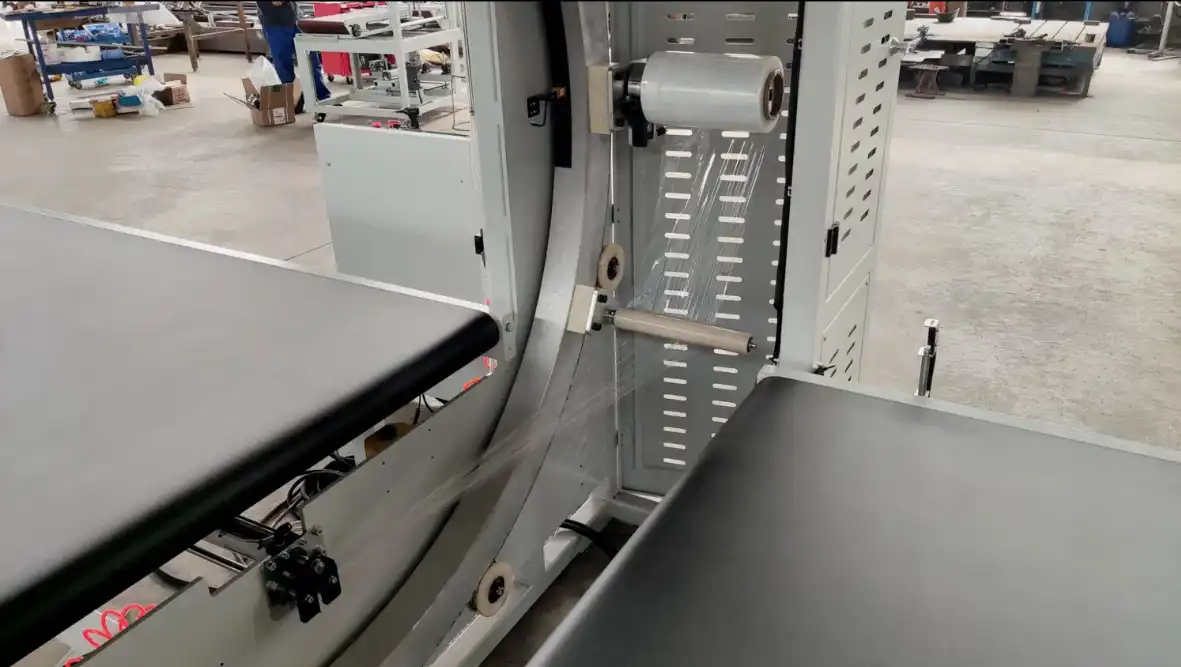
Let us consider the ways products get damaged and how automated wrapping helps. When products are wrapped by hand, the film tension often varies. Some areas might be loose. Other areas might be too tight. This inconsistent wrap means the product is not fully secured. It can shift inside the package. If a board shifts, its edges can get dinged. Its surface can get scratched. These small damages add up. They lead to big problems. Also, manual wrapping might leave parts of the product exposed. These exposed areas are vulnerable to dust. They are vulnerable to moisture. They are vulnerable to dirt during storage or transit. Imagine a perfectly cut wooden board. If it gets wet, it can warp. If it gets dusty, it needs cleaning. Both cost time and money. My experience in this field showed me that quality packing is not just about looks. It is about protection. It is about ensuring the product’s integrity from your factory floor to the customer’s site. A horizontal stretch wrapper solves these issues. It uses a precise wrapping mechanism. The machine applies film with consistent tension around the entire product. It covers all surfaces evenly. This creates a strong, protective barrier. This barrier holds the product firmly. It prevents movement within the package. It seals out external elements. This means your board products are safe from scratches. They are safe from moisture. They are safe from dust. This consistent, high-quality wrap translates directly into fewer damaged goods. You will see fewer returns. You will get fewer complaints. Your customers will receive exactly what they expect. This builds trust. It strengthens your business reputation. It also reduces waste from damaged items. This is not just a cost saving. It is also an environmental benefit. It aligns with modern business values. The investment in better wrapping protects your product. It protects your profits. It protects your brand image.
| Type of Product Damage | Cause with Manual Wrapping | How Horizontal Wrapper Prevents It |
|---|---|---|
| Surface Scratches | – Loose film allows shifting. – Exposed areas during handling. |
– Tight, consistent film secures product. – Full enclosure protects all surfaces. |
| Dents & Dings | – Insufficient padding/protection from film. – Product movement during transport. |
– Multi-layer film application provides cushioning. – Secure wrap prevents internal shifting. |
| Moisture Damage | – Gaps in hand-applied film. – Incomplete sealing. |
– Overlapping film layers create water-resistant barrier. – Seals product against external moisture. |
| Dust & Dirt | – Uncovered sections of the product. – Poorly sealed packages. |
– Complete film coverage from all angles. – Protects product from environmental contaminants. |
| Breakage/Warpage | – Product shifting, leading to impact. – Exposure to humidity changes (for boards). |
– Firm, stable wrap minimizes movement. – Environmental protection against elements. |
Is Investing in Automation the Right Move for Your Bottom Line?
You might look at the cost of a new machine. It seems like a big number. You might hesitate. This is a common feeling. Many factory managers think about the upfront cost. They do not always see the long-term savings. They might worry about the return on investment. You want to make smart decisions. You want to know if this investment will truly benefit your company’s finances. You need to see clear proof.
Investing in a horizontal stretch wrapper is a smart move for your bottom line because it offers a significant return on investment through reduced labor, lower material waste, and fewer damaged products. The initial cost is offset by substantial operational savings. It speeds up production. It improves safety. It protects your goods. All these factors contribute directly to increased profitability. It is a strategic step towards a more efficient and financially healthy factory.
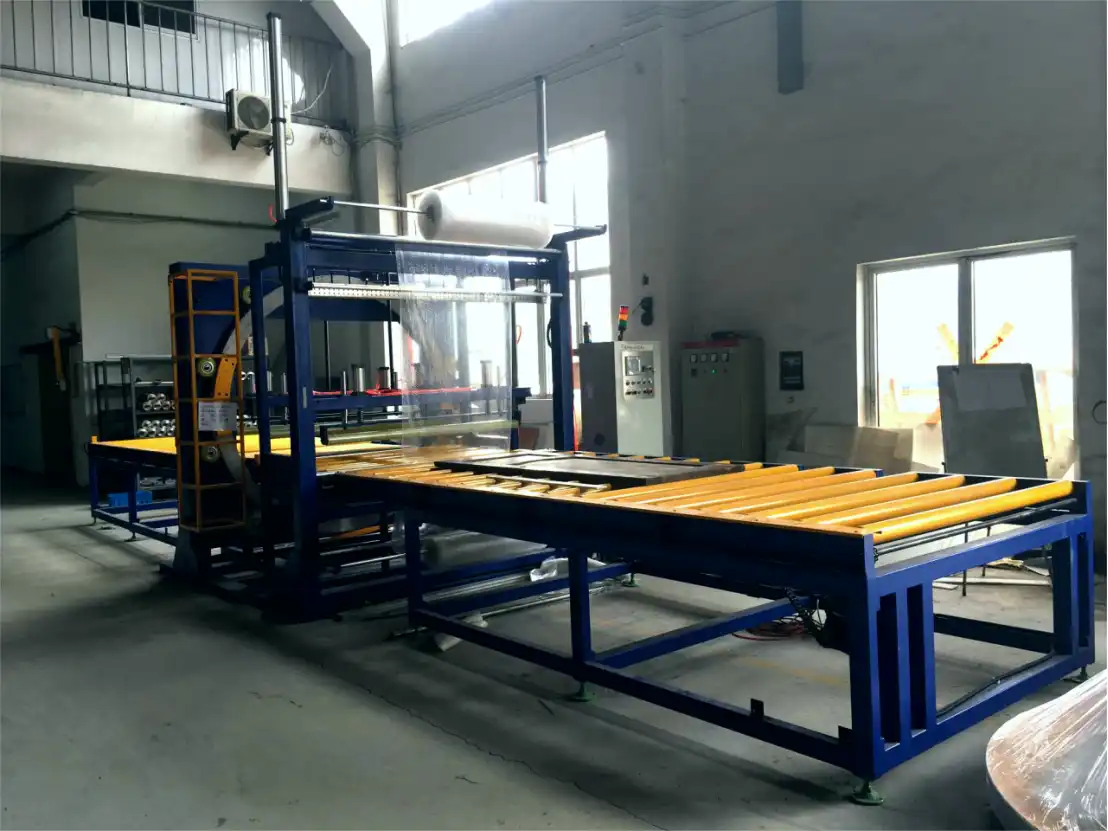
Let us break down the financial benefits of automation. When you invest in a horizontal stretch wrapper, you are not just buying a machine. You are buying efficiency. You are buying safety. You are buying product integrity. First, think about labor. As we discussed, manual wrapping needs many workers. These workers earn wages. They get benefits. They might work overtime. A horizontal wrapper can often do the work of several people. This means you can reduce your labor force in that area. Or you can reassign those workers to other, more complex tasks. This is a direct saving on wages. My own factory started small. I understood every penny. So I always looked for ways to make operations leaner. Automation was key for my own growth. Second, consider product damage. We talked about how poor wrapping leads to damaged goods. Each damaged product means a loss. It means a replacement. It means unhappy customers. With automated wrapping, damage rates go down significantly. This saves you money on replacing goods. It also saves your reputation. Third, material waste. A horizontal wrapper uses film very efficiently. It applies just enough film with perfect tension. Manual wrapping often uses more film than needed. This is wasteful. The machine cuts down on this waste. It saves you money on packing materials. Fourth, increased throughput. The machine works much faster than people. This means you can wrap more products in less time. Your production line flows smoother. You can meet higher demand. You can take on more orders. This directly boosts your revenue. Lastly, think about the indirect savings. Lower insurance premiums from fewer accidents. Less time spent managing complaints about damaged goods. A more efficient, safer factory that attracts better talent. These all contribute to a stronger bottom line. The initial investment has a clear payback period. You can calculate the Return on Investment (ROI) by comparing the cost of the machine to the savings it brings. This includes labor savings, material savings, and damage reduction. For many factories, this payback period is surprisingly short.
| Financial Benefit | How It Boosts Bottom Line | Calculation Impact |
|---|---|---|
| Reduced Labor Costs | – Fewer workers needed for wrapping tasks. – Reallocation of staff to higher-value activities. |
– Direct savings on wages, benefits, and overtime. |
| Lower Material Waste | – Precise film application, optimal tension. – Minimizes overuse and spoilage of stretch film. |
– Reduced purchasing costs for packing materials. |
| Decreased Product Damage | – Consistent, protective wrapping. – Fewer returns, replacements, and customer complaints. |
– Savings on raw materials, production time, and shipping for damaged goods. |
| Increased Throughput | – Faster wrapping cycles. – Smooth, continuous production flow. |
– Ability to produce and ship more products, leading to higher revenue. |
| Improved Safety & Compliance | – Fewer workplace accidents. – Better adherence to safety regulations. |
– Lower worker’s compensation and insurance premiums. – Avoidance of fines and legal costs. |
| Enhanced Customer Satisfaction | – Products arrive in perfect condition. – Builds customer loyalty and positive brand image. |
– Leads to repeat business and referrals, increasing long-term revenue. |
My Insights on Partnering for Packing Success?
You have seen the benefits. You might now feel ready to invest. But choosing the right machine is only part of the puzzle. You also need the right partner. I hear this concern often. Many factory managers have dealt with suppliers who only care about making a sale. They offer poor after-sales service. They do not understand your unique challenges. This makes you hesitant. You want a partner you can trust.
My insight is that true packing success comes from partnering with a supplier who understands your factory’s specific needs, not just sells a machine. Look for someone with deep industry experience, proven success in factory operations, and a strong commitment to after-sales support. This partner will offer solutions, not just products. They will help you integrate the machine smoothly. They will ensure it keeps running well. This kind of partnership builds long-term value for your business.
When I started FHOPEPACK, my goal was always to share knowledge. I want to help others succeed in the packing industry. This comes from my own journey. I started as an employee. Then I built my own factory. This taught me a lot. I learned that a machine is only as good as the support behind it. So, when you look for a supplier, do not just compare prices. Look for their experience. Do they truly understand the pressures you face? Do they know about production bottlenecks? Do they understand safety concerns? Do they know about product damage in transit? A good partner will ask about your specific challenges. They will not just push a standard product. They will offer tailored solutions. They will explain how their machine fits into your production line. They will show you how it solves your problems. They will also provide excellent after-sales service. This includes installation support. It includes training for your staff. It includes quick response times for maintenance. It includes easy access to spare parts. A machine is a big investment. You need to know that your partner will be there for you. They should be there years down the line. They should help you maintain peak performance. This is why I share my expertise. I want to guide you. I want to help you make informed decisions. A strong partnership is the foundation of long-term success. It ensures your investment truly pays off.
Conclusion
A horizontal stretch wrapper cuts labor costs, improves safety, and reduces product damage. It is a smart investment for board product lines, driving efficiency and profitability.








