
How a Door Packing Machine Improves Workplace Safety and Reduces Injuries?
Factory floors are busy places. Moving and packing heavy, bulky items like doors or steel coils brings real dangers. Workers often face high risks of injury. These can come from lifting heavy objects, doing the same movements over and over, or from sudden accidents. These injuries cause pain for workers. They also lead to high insurance costs, lost production time, and workers leaving their jobs. I have seen factory managers, like Michael Chen in Mexico, deal with this difficult problem every day. They are always under pressure to keep their teams safe while also making more products. But what if there was a way to greatly lower these risks and make the workplace much safer?
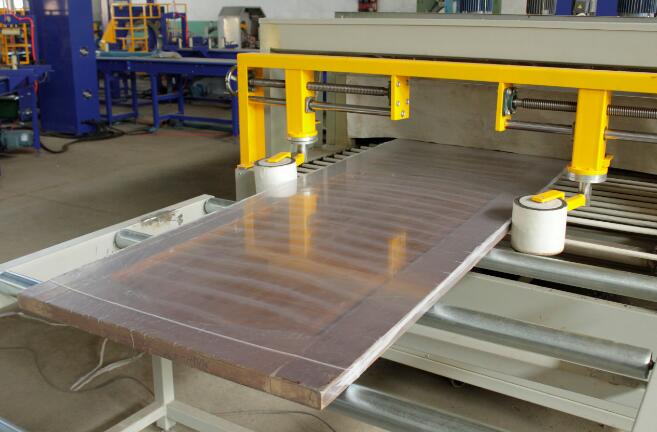
A door packing machine greatly improves workplace safety. It does this by making the handling and wrapping of heavy or awkward products automatic. These products can be doors, coils, or steel wire. This automation means human workers do not need to lift, put into place, or secure these heavy items by hand. This directly lowers the risk of sprains, strains, crushing injuries, and other accidents. It makes the packing process faster and much safer for everyone involved.
Many factory owners and managers share the same worries as Michael. They know that safety is more than just following rules. It is about keeping people safe and protecting the business itself. So, let us look deeper into how these powerful machines can change your factory floor for the better.
How Does Automation Directly Reduce Manual Handling Risks?
Think about how many times a worker needs to lift or move a heavy door or a coil. This happens in many factories, just like Michael’s plant in Mexico. Each time, there is a chance for injury. Workers can strain their backs, drop heavy items on their feet, or get crushed. These risks are not just small; they are a daily threat. This leads to costly medical bills and a worried workforce. It also slows down production when skilled workers are out due to injury. How can a packing machine directly help with these big manual handling risks?
Automated door packing machines greatly reduce manual handling risks. They take over the dangerous tasks of lifting, turning, and securing heavy items. This removes human workers from harm’s way. The machine does the heavy work, which means fewer people get hurt. This direct action on manual labor makes the workplace much safer.
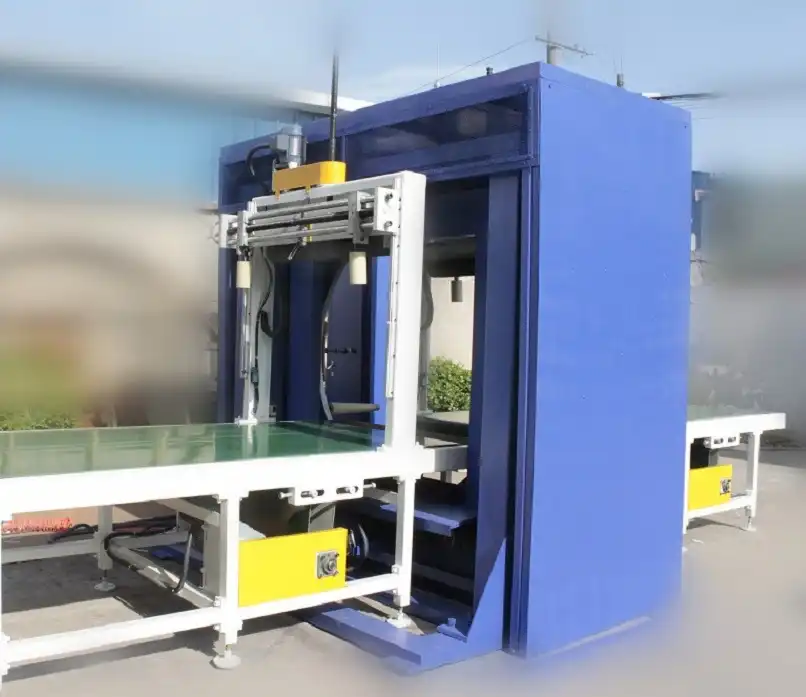
When I started my own packing machine factory, I knew the importance of worker safety. I had seen too many times how manual processes led to injuries. Michael Chen, as a factory manager with over 20 years of experience in heavy manufacturing, understands this perfectly. He knows that his team manually moving heavy coils and wires leads to high injury rates and rising insurance costs. An automatic door packing machine changes this. It uses robotic arms or powered conveyor systems to handle the heavy lifting. This means workers do not need to strain their backs or use their strength to move large, awkward items. This greatly lowers the chance of muscle strains, sprains, and even more serious crushing injuries.
Common Injuries Prevented by Automation:
- Back and Shoulder Injuries: Workers often hurt their backs or shoulders when lifting heavy doors or coils. These injuries are very common. A machine takes on this heavy lifting. So, workers avoid these common problems.
- Crushing Injuries: When large, heavy objects are moved, there is always a risk of them falling or rolling onto someone. An automated system controls the movement of these items. This reduces the chance of objects crushing a worker’s hands or feet.
- Repetitive Strain Injuries (RSIs): Packing often involves repeating the same movements over and over. This can lead to wrist, arm, or shoulder pain. Machines do these repetitive tasks. This protects workers from RSIs.
- Slips, Trips, and Falls: Manual handling often means uneven loads or awkward movements. This can cause workers to lose their balance. Automated systems move items smoothly and safely. This reduces the risk of falls.
Automation also brings a level of consistency that manual work cannot match. Machines perform tasks the same way every time. This reduces human error, which is a big cause of accidents. For example, a machine will apply the same tension to the wrap. It will also position the item accurately every time. This means the packed product is stable and safe to move. This also frees up workers to do other, less dangerous jobs. My experience has shown me that investing in automation is not just about speed. It is also about truly caring for your workforce. It creates a much safer and more efficient working environment. This is something that factory managers like Michael value deeply. They want solutions that protect their people and their profits.
| Aspect | Manual Handling | Automated Packing Machine |
|---|---|---|
| Worker Safety | High risk of back injuries, strains, crushing | Very low risk, workers are not involved in lifting |
| Ergonomics | Poor, repetitive motions, heavy lifting | Excellent, machine does all heavy work |
| Injury Rate | High, leading to insurance claims and lost time | Significantly reduced, few or no lifting injuries |
| Productivity | Slower due to fatigue and risk of injury | Faster, continuous operation |
| Consistency | Varies by worker, prone to error | High, uniform wrapping every time |
Can Automated Packing Prevent Product Damage and Indirectly Boost Safety?
Imagine a factory like Michael’s, dealing with heavy steel coils or finished doors. These products are valuable. But during packing and internal movement, they often get scratched, dented, or damaged. This leads to customer complaints and lost profits. Michael faces this exact issue. He sees product damage happening when items are moved or packed by hand. This might seem like just a quality problem. But can damage to products also create safety risks? And how can a machine that packs things stop this from happening?
Automated packing can greatly prevent product damage. It provides consistent and secure wrapping. This protects items during handling and transport. By reducing damage, it also indirectly boosts safety. Fewer damaged products mean fewer items need re-handling. Re-handling damaged goods often creates new safety risks for workers.
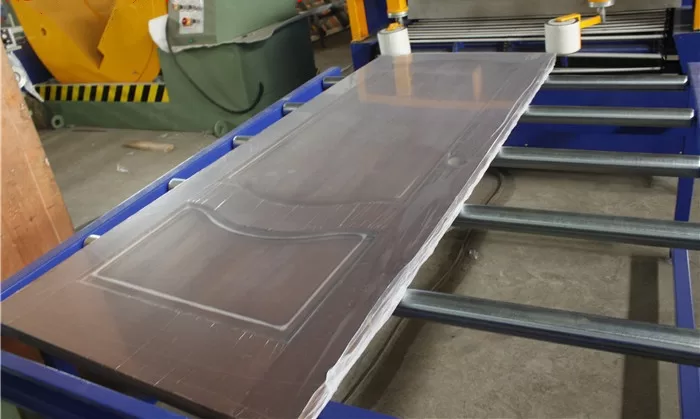
I have seen countless factories struggle with product damage. It is a hidden cost that adds up quickly. For Michael’s metal processing plant, damaged steel coil edges or scratched doors mean real money lost. When products get damaged during manual packing or transport, it is often because of human error or insufficient protection. A worker might not secure a load tightly enough. Or they might accidentally bump an item against something. This leads to costly repairs or even having to scrap the product. Automated packing machines solve this problem head-on. They provide a consistent, uniform wrap around the product. This protects the product from dirt, moisture, dust, and physical impact.
The Link Between Damage and Safety:
- Re-handling Risks: If a product gets damaged, it often needs to be re-handled. Workers might have to unwrap it, inspect it, fix it, and then re-wrap it. Each re-handling increases the risk of injury. It also takes more time and effort.
- Unstable Loads: Damaged items can be unstable. If a coil’s edge is bent, it might not sit correctly on a pallet. This makes it more likely to shift or fall during transport. This creates a risk for anyone nearby.
- Sharp Edges: In metal processing, damaged edges can become sharp. If a worker has to handle a damaged product, they face a higher risk of cuts or abrasions. Automated machines eliminate this direct human contact with damaged goods.
- Frustration and Rushing: When production is slowed by damaged goods, workers might feel pressured to rush. Rushing often leads to more mistakes and accidents. A smooth process reduces this pressure.
An automated door packing machine wraps each item with the same tension and coverage every time. This creates a secure, protective layer. This layer prevents scratches, dents, and other damage during movement within the factory or during shipping. My journey in the packing machine industry taught me that good packaging is not just about looks. It is about protecting the product’s integrity. It is also about making the whole process safer. When fewer products are damaged, there is less need for workers to handle them again. This directly lowers the risk of injury. It also saves Michael’s factory money from fewer customer complaints and less waste. A high-quality wrapped product is a stable product. A stable product is a safer product to move.
| Factor | Manual Packing | Automated Packing Machine |
|---|---|---|
| Product Protection | Inconsistent, prone to damage, scratches | Consistent, secure, full protection |
| Damage Rate | High, leads to rework and customer complaints | Very low, uniform wrapping, less handling |
| Need for Re-handling | Frequent, if damage occurs | Rare, due to consistent quality |
| Indirect Safety | Increased risk from unstable or sharp damaged goods | Reduced risk from stable, well-protected goods |
| Customer Satisfaction | Lower due to damaged goods | Higher, products arrive in perfect condition |
What is the True ROI of Investing in a Door Packing Machine for Safety?
Factory managers like Michael Chen are always looking at the bottom line. They need to justify any big purchase. An investment in a new packing machine might seem like just another cost. But Michael knows that his current manual processes are slow and inefficient. They also create big safety risks. These risks lead to high costs, like insurance and worker’s compensation. He wants to know the real return on investment (ROI) for equipment that promises to improve safety. So, what is the actual financial benefit of buying a door packing machine for safety?
The true ROI of a door packing machine for safety comes from several areas. It saves money by reducing injury-related costs, like medical bills and insurance premiums. It also lowers the cost of lost production time due to injuries. Furthermore, it improves overall efficiency. This means fewer damaged products and higher output. All these factors add up to clear financial gains for the factory.

When I built my own packing machine factory, every investment had to make financial sense. It was not enough for a machine to just look good. It had to deliver clear value. For Michael, thinking about investing in a door packing machine, the ROI on safety is a very real calculation. The costs of workplace injuries go far beyond just medical bills. They include lost workdays, lower morale, higher insurance premiums, and the hidden costs of training new staff when others leave due to injury. All of these cut into profits.
Calculating Your Safety ROI:
- Reduced Medical Costs: Fewer injuries mean fewer doctor visits, fewer hospital stays, and less medication. This directly saves the company money on healthcare and workers’ compensation claims.
- Lower Insurance Premiums: Insurance companies look at a factory’s safety record. A better safety record means fewer claims. This often leads to lower workers’ compensation insurance rates over time. This is a significant ongoing saving.
- Increased Productivity: Injured workers cannot work. When staff are out, production slows down or stops. An automated machine runs consistently. It does not get tired or injured. This keeps production lines moving and boosts overall output. Michael’s goal is to increase output. A safer workplace helps achieve this.
- Reduced Employee Turnover: A safe workplace leads to happier, more secure employees. Workers are less likely to leave if they feel safe and cared for. Lower turnover means less money spent on recruiting and training new staff. It also means keeping experienced, skilled workers.
- Fewer Product Damage Costs: As we discussed, fewer damaged products mean less waste. It also means fewer customer complaints and fewer resources spent on re-packaging or replacing goods. This directly improves the factory’s profit margin.
My experience has taught me that the initial cost of automation is an investment, not an expense. For a manager like Michael, who needs a clear ROI, these machines offer a solid case. The savings from preventing even a few serious injuries can quickly pay for the machine itself. For example, a single serious back injury can cost tens of thousands of dollars in medical care and lost wages. Preventing just one such injury already provides a substantial return. Furthermore, the ability to meet production targets more consistently and deliver products in perfect condition builds a stronger business. This strengthens customer trust and brings more orders. It is a win-win situation for both worker safety and the factory’s financial health.
| Cost Area | Manual Packing (High Risk) | Automated Packing (Low Risk) |
|---|---|---|
| Medical & Claims | High, due to frequent injuries | Very Low, few or no lifting-related injuries |
| Insurance Premiums | High, due to poor safety record | Lower, due to improved safety record |
| Lost Productivity | High, due to worker absences and fatigue | Low, continuous operation, consistent output |
| Employee Turnover | High, due to safety concerns and injuries | Lower, happier, safer workforce |
| Product Damage Costs | High, leads to waste and customer dissatisfaction | Very Low, products consistently protected |
| Overall ROI | Negative impact due to hidden and direct costs | Positive and strong, due to savings and efficiency |
How Can a Trusted Partner Guide Your Safety Automation Journey?
Michael Chen has faced problems with equipment suppliers before. Some only cared about making a sale. Their after-sales service was very poor. This makes Michael very careful about choosing new partners. He does not just want to buy a machine. He wants someone who truly understands his factory’s needs. He needs a partner who can give expert advice and reliable solutions. For a factory manager looking to improve safety and automation, how important is it to find a trustworthy and experienced partner?
Finding a trusted partner is crucial for a successful safety automation journey. An experienced partner offers more than just machines. They provide deep industry knowledge, understand specific production challenges, and offer reliable after-sales support. This expert guidance ensures the investment truly solves problems and helps the business grow. This builds trust and confidence in the long term.
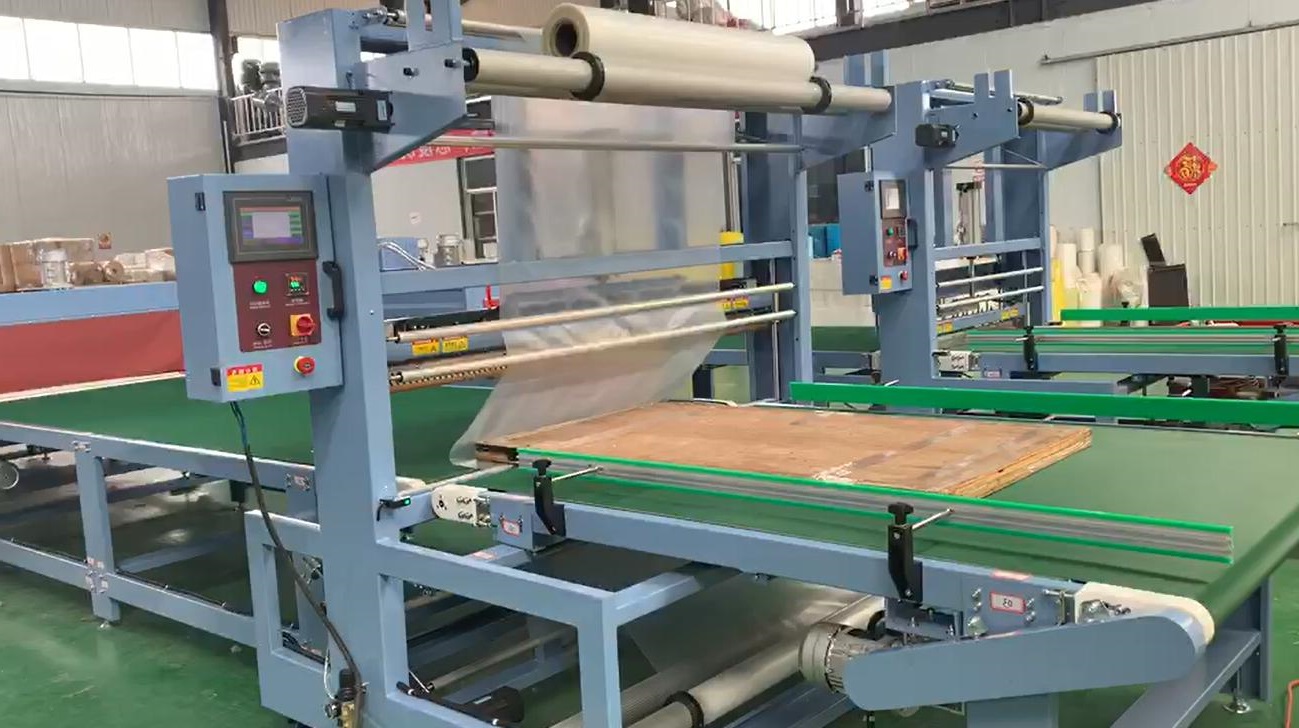
My journey started as an employee in a packing machine factory. Then I built my own successful factory. This gave me deep insights into the industry. I saw firsthand what factory owners needed, and what was missing from many suppliers. This is why FHOPEPACK focuses on sharing knowledge. We want to be a true partner. Michael’s concern about “sales-only” suppliers is something I understand well. It is a big problem in our industry. He needs a partner who can see his production bottlenecks, safety issues, and efficiency problems. He needs someone who can offer real solutions, not just sell a box.
Beyond Just a Machine:
- Understanding Your Specific Needs: Every factory is different. A good partner does not just offer a standard product. They take time to understand your specific challenges. For Michael, this means understanding the type of doors or coils he packs. It means knowing his production volume and his factory layout. This helps in suggesting the best machine setup.
- Expert Insight and Problem-Solving: A true expert like me, with years of experience building and running factories, can offer more than just technical specs. We can identify potential issues Michael might not even see. We can offer solutions for his efficiency bottlenecks and help him meet his goal of increasing automation.
- Reliable After-Sales Support: A machine is only as good as its support. What happens if it breaks down? Michael has had bad experiences here. A trusted partner offers strong after-sales service. This includes quick repairs, available spare parts, and ongoing training. This ensures the machine keeps running and continues to provide safety benefits.
- Long-Term Partnership: The goal is not just one sale. It is about building a long-term relationship. I am dedicated to giving back to the industry that helped me achieve financial independence. This means being there for my clients, helping them grow their businesses just like Michael wants to do. It is about sharing expertise and insights that truly make a difference.
At FHOPEPACK, we believe in being that kind of partner. We know Michael is looking for clear ROI. We can help him see how a door packing machine will reduce labor costs, lower product loss, and improve overall factory profitability. More importantly, we can show him how it will fundamentally improve the safety of his workers. This is not just about selling a machine. It is about helping factories like Michael’s thrive. It is about sharing the knowledge and tools that lead to safer, more efficient operations. This commitment to partnership is what sets us apart and what factory managers truly need.
| Aspect | Sales-Only Supplier | Trusted Partner (like FHOPEPACK) |
|---|---|---|
| Focus | Quick sale, volume | Client’s long-term success, problem-solving |
| Understanding Needs | Generic solutions | Deep dive into specific factory challenges |
| Advice Provided | Basic product features | Expert insights, custom solutions, ROI analysis |
| After-Sales Support | Limited, often slow | Robust, responsive, proactive |
| Relationship | Transactional, one-time | Collaborative, long-term |
| Outcome for Client | Potential frustration, unmet expectations | Real problem-solving, business growth, trust |
Conclusion
A door packing machine improves workplace safety by reducing manual labor and preventing injuries. This leads to lower costs, higher efficiency, and a safer environment for workers. Partnering with experts ensures a successful safety automation journey.








